How Many Calories Do Betta Fish Need
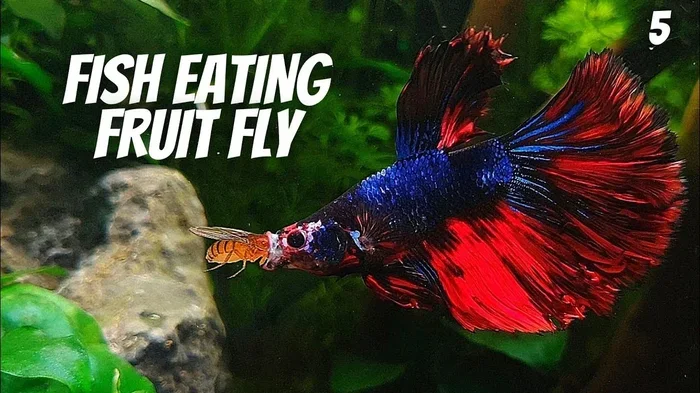
Betta fish typically need between 30 and 60 calories per day, depending on their size, age, and activity level. Getting the right calorie balance keeps your betta healthy, colorful, and full of energy. Overfeeding is the most common mistake, so portion control matters just as much as the food itself.
Every betta fish owner wants their pet to thrive. A big part of that is getting the calorie intake just right. But how many calories do betta fish need, really? The answer depends on several factors, and most fish keepers get it wrong without even realizing it.
In this guide, we break down everything you need to know about betta fish calories. You will learn the exact numbers, what affects them, and how to spot problems early. Whether you are a complete beginner or have kept bettas for years, this guide has practical advice you can use today.
Understanding your betta’s nutritional requirements is one of the simplest ways to improve their health and lifespan. A well-fed betta fish has vibrant colors, steady energy, and a strong immune system. Let us dive into the details so you can give your fish the best care possible.
Key Takeaways
- Daily Calorie Range: Most betta fish need 30 to 60 calories per day based on their size and age.
- Protein Is Key: Betta fish are carnivores, so their food should be high in protein and animal-based nutrients.
- Feeding Frequency Matters: Splitting meals into 2 to 3 small feedings per day helps manage calorie intake.
- Watch for Warning Signs: Both overfeeding and underfeeding can cause health problems you can spot early.
- Food Type Affects Calories: Pellets, flakes, and frozen foods all have different calorie densities you should understand.
- Portion Control Is Essential: What you feed is just as important as how much you feed your betta.
📑 Table of Contents
- Understanding Betta Fish Calorie Needs
- What Affects How Many Calories Betta Fish Need
- How to Calculate Calories for Your Betta Fish
- Signs Your Betta Fish Is Getting the Right Calories
- Best Foods for Meeting Betta Fish Calorie Needs
- Common Feeding Mistakes That Affect Calorie Intake
- Expert Tips for Optimizing Your Betta Fish Diet
- Conclusion
Understanding Betta Fish Calorie Needs
The short answer is that most adult betta fish need around 30 to 60 calories per day. But this number is not set in stone. Several factors push it up or down depending on your specific fish.
A good rule of thumb is to offer an amount your betta can finish in about two minutes. This prevents leftover food from fouling the water. Clean water and proper calories go hand in hand for a healthy aquarium.
Why Calories Matter for Betta Fish
Calories are the fuel your betta fish runs on. Every swimming motion, every burst of color, and every healing process depends on energy from food. Without enough calories, your betta will become weak and lethargic.
Too many calories, on the other hand, lead to obesity and water quality problems. Betta fish have a relatively small stomach, about the size of their eye. This means they need small, calorie-dense meals rather than large quantities of food.
The betta fish metabolism works differently than many other tropical fish. Bettas are built for short bursts of activity, not constant swimming. This means their calorie needs are moderate compared to more active species.
Calorie Needs by Life Stage
Not all bettas need the same calories. Age plays a huge role in how much energy your fish requires. Here is a quick breakdown:
- Baby Betta Fish (Fry): Fry need frequent small feedings with calorie-rich foods to support rapid growth. They eat multiple times a day in tiny amounts.
- Juvenile Betta Fish: Young bettas between 2 and 6 months need slightly more calories to fuel their development and active growing phase.
- Adult Betta Fish: Adults at 6 months and older need a steady, moderate calorie intake to maintain weight and health.
- Senior Betta Fish: Older bettas slow down and need fewer calories. Their energy needs decrease as their activity level drops.
Knowing your fish’s life stage helps you dial in the right amount. A growing fry and a senior betta have very different dietary requirements.
What Affects How Many Calories Betta Fish Need
Several factors influence the exact number of calories your betta needs each day. Let us look at the most important ones so you can adjust feeding for your specific fish.
Tank Size and Activity Level
Believe it or not, tank size affects how many calories your betta needs. A larger tank gives your fish more room to swim, which burns more energy. A betta in a 5 gallon tank or bigger will naturally need more calories than one stuck in a tiny bowl.
If your betta has plants to explore and open swimming space, they will be more active. More activity means more calories burned. A betta fish tank setup that encourages movement supports a slightly higher calorie need.
On the flip side, a betta in a small, cramped space may barely move. These fish need fewer calories to avoid gaining excess weight. Always match the food amount to your fish’s living conditions.
Water Temperature
Water temperature directly impacts your betta’s metabolism. Warmer water speeds up the metabolism, meaning your fish burns calories faster. Cooler water slows things down and reduces calorie needs.
The ideal temperature range for bettas is between 78 and 80 degrees Fahrenheit. At this range, their metabolism works efficiently. If the water is too cold, your betta may not digest food properly, which can lead to health issues even with enough calories.
Using a betta fish bowl heater helps maintain stable temperatures. Stable temperatures mean stable calorie needs, which makes feeding much easier to manage.
Individual Fish Differences
Every betta fish is an individual. Some are naturally more active and burn calories faster. Others are lazy and prefer to lounge on plants or decorations. Your fish’s personality matters when setting a feeding routine.
Body condition also plays a role. A thin, underweight betta needs more calories to build up reserves. An overweight betta needs a calorie reduction and more swimming opportunities. Watch your fish closely and adjust accordingly.
How to Calculate Calories for Your Betta Fish
Figuring out the exact calories is easier than it sounds. Most commercial betta foods list calorie content on the packaging. Once you know the calories per serving, you can measure out the right amount.
As a general guide, high-quality betta pellets contain roughly 3 to 5 calories per pellet. A standard feeding of 2 to 3 pellets twice a day puts you right in the target range. This simple math makes portion control straightforward.
Reading Food Labels
When you buy betta fish food, check the nutrition label. Look for protein content first, since bettas are carnivores. A protein level of 30 to 50 percent is ideal for adult bettas.
Next, look at the calorie count per gram or per serving. This tells you how much energy each pinch of food provides. If the label is unclear, check the manufacturer’s website for detailed nutritional information.
Understanding what is in your fish’s food helps you make better feeding decisions. Quality food with the right nutritional requirements means you do not have to overfeed to meet calorie needs.
Measuring Portions Accurately
Using a small measuring spoon or count of pellets works well for portion control. A standard betta feeding is about 2 to 3 pellets or a pinch of flakes per meal. This amount typically delivers the right number of calories per serving.
Feeding twice a day, morning and evening, is the most common schedule. Some experienced keepers feed three smaller meals spread throughout the day. Find what works for your schedule and stick to it consistently.
If you are unsure about amounts, start with less and increase slightly over a week. Watching your betta’s body condition helps you fine-tune the portions. A healthy betta has a rounded but not bloated body shape.
Signs Your Betta Fish Is Getting the Right Calories
Your betta fish will tell you if their calorie intake is on track. You just need to know what signs to look for. A well-calibrated diet shows up in several visible ways.
Positive Signs of Proper Feeding
- Bright, vibrant colors: A well-fed betta displays intense reds, blues, and greens. Color fades often signal nutritional issues.
- Steady energy levels: Your betta should be alert and curious, exploring their tank throughout the day.
- Healthy appetite: A betta that eats eagerly but finishes food quickly is usually well-fed.
- Normal body shape: A rounded but streamlined body without a bloated belly indicates good calorie balance.
- Regular waste production: Healthy digestion leads to consistent, well-formed waste.
When you see these signs, you know your feeding routine is working. Keep doing what you are doing and make small adjustments as needed.
Warning Signs of Calorie Problems
Both too many and too few calories create visible problems. Learning to recognize these signs early helps you correct course quickly.
Signs of overfeeding include a swollen belly, lethargy, and uneaten food sinking to the bottom. Overfeeding also causes poor water quality, which leads to fin rot and other illnesses. If you notice these symptoms, reduce the portion size immediately.
Signs of underfeeding include weight loss, faded colors, and a lack of energy. A betta that refuses food or barely touches it may be stressed or sick. If underfeeding is the cause, gradually increase the portion size over several days.
For more details on how feeding frequency impacts your betta, check out our guide on how often you need to feed a betta fish and how many times a day to feed a betta fish. Both articles provide practical schedules you can follow.
Best Foods for Meeting Betta Fish Calorie Needs
The type of food you choose directly affects how many calories your betta consumes. Not all betta foods are created equal. Some are packed with empty calories, while others deliver real nutrition.
High-Quality Betta Pellets
Betta pellets are the most popular and convenient food option. They are specially formulated to meet the protein requirements of carnivorous fish. A good pellet should list fish meal or shrimp as the first ingredient.
Most high-quality pellets contain around 1.5 to 3 calories each. Feeding 2 to 4 pellets per meal keeps calorie intake in check. Pellets also float, which makes it easy to see how much your betta has eaten.
For specific pellet feeding guidance, our article on how many pellets to feed betta fish daily gives exact numbers based on fish size and age.
Betta Fish Flakes
Flakes are another common option, but they tend to be less calorie-dense than pellets. They also break apart easily, which can cloud the water. If you use flakes, feed a small pinch and remove any uneaten portions after a few minutes.
For more on flake feeding amounts, see our guide on how many fish flakes per betta. This helps you avoid both overfeeding and underfeeding with this food type.
Frozen and Live Foods
Frozen brine shrimp, bloodworms, and daphnia are excellent supplemental foods. They are rich in protein and natural calories that closely match what bettas eat in the wild. Feed frozen foods as a treat 1 to 2 times per week.
Live foods like brine shrimp and micro worms are even more nutritious. However, they can carry parasites if not sourced from a reputable supplier. Use live foods sparingly and always from trusted suppliers.
For information on food balls and other feeding options, our article on how many balls of food for betta fish covers the right amounts and frequency.
Common Feeding Mistakes That Affect Calorie Intake
Even experienced fish keepers make feeding mistakes. Knowing what to avoid saves your betta from unnecessary health problems. Here are the most common errors and how to fix them.
Overfeeding
Overfeeding is the number one mistake betta owners make. It is easy to think your fish is hungry when it is begging at the glass. But bettas are opportunistic eaters and will eat far more than they need.
Excess calories lead to obesity, constipation, and poor water quality. Uneaten food decomposes and raises ammonia levels, which is dangerous for your fish. Always remove any food your betta does not eat within a few minutes.
Underfeeding
Underfeeding happens when owners worry about overfeeding and go too far in the opposite direction. A betta that gets too few calories will lose weight, become weak, and lose its vibrant color.
The key is finding the middle ground. Start with a small amount and observe your betta. If they finish the food quickly and still look hungry, add one more pellet next time. Adjust slowly until you find the sweet spot.
Inconsistent Feeding Schedule
Inconsistency confuses your betta’s digestive system. Feeding at random times or skipping days can lead to bloating and digestive issues. A regular schedule helps your fish maintain steady calorie intake and predictable digestion.
Set a feeding routine and stick to it. Morning and evening feedings work well for most betta owners. Consistency is one of the simplest ways to support your betta’s overall health and wellness.
Expert Tips for Optimizing Your Betta Fish Diet
Getting the calories right is just the beginning. A few expert-level tips can take your betta’s diet to the next level. These small adjustments make a big difference over time.
- Rotate foods regularly: Offer a variety of pellets, flakes, and frozen foods to cover all nutritional bases.
- Fast your betta once a week: Skipping one feeding per week helps prevent constipation and gives the digestive system a rest.
- Soak pellets before feeding: This prevents the pellets from expanding in your betta’s stomach, which can cause bloating.
- Watch the water temperature: Warmer water increases metabolism and calorie needs. Keep the tank in the ideal range.
- Observe your fish daily: A quick look at your betta each morning helps you catch feeding problems early.
These tips work alongside proper calorie management to keep your betta in top condition. The goal is a balanced approach that supports long-term health and happiness.
Conclusion
So, how many calories do betta fish need? The answer is around 30 to 60 calories per day for most adult bettas, adjusted based on age, activity level, and tank conditions. Getting this right is one of the most impactful things you can do for your fish’s health.
Focus on high-quality food, proper portions, and a consistent feeding schedule. Watch for the signs that tell you your betta is getting the right amount. And remember that every fish is different, so be patient and adjust as needed.
A well-fed betta fish is a happy betta fish. By taking the time to understand their calorie needs, you are setting your fish up for a long, healthy, and colorful life. Start applying these tips today and enjoy the difference in your betta’s energy and appearance.
Frequently Asked Questions
How many calories does a baby betta fish need?
Baby betta fish need smaller, more frequent feedings throughout the day. Their calorie needs are lower per meal but higher overall because they are growing rapidly. Offer tiny amounts of high-protein food 3 to 5 times daily to support healthy development.
Can I feed my betta fish too many pellets?
Yes, overfeeding pellets is very common and can lead to obesity and water quality issues. Stick to 2 to 3 pellets per feeding and feed twice a day. Uneaten pellets should be removed within a few minutes to keep the tank clean.
How do I know if I am feeding my betta the right amount?
A healthy betta has a rounded but not bloated body, bright colors, and steady energy. If your fish is losing weight or seems lethargic, increase the portion slightly. If your betta has a swollen belly or leaves food uneaten, reduce the amount.
Do betta fish need a special diet compared to other fish?
Yes, bettas are carnivores and need a diet high in protein and animal-based nutrients. Regular tropical fish flakes may not provide enough protein. Choose food specifically formulated for bettas to meet their unique nutritional requirements.
How often should I change my betta fish’s food type?
Rotating between pellets, flakes, and frozen foods every few days helps provide balanced nutrition. A varied diet ensures your betta gets all the vitamins and minerals they need. Just make sure any new food is high quality and appropriate for bettas.
What happens if I skip feeding my betta for a day?
Skipping one day of feeding is perfectly fine and can even benefit your betta by giving the digestive system a rest. Bettas can survive several days without food, but regular feeding should be the norm. Use fasting as a weekly practice, not a daily habit.