Is Hominy Better Than Corn for Fish Bait
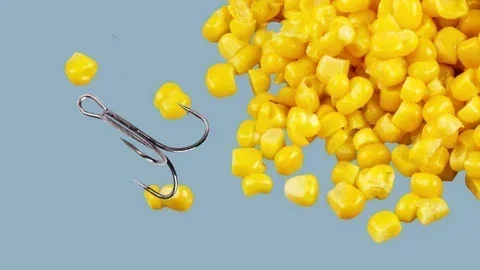
Hominy and corn are both popular choices for fish bait, but they each bring something different to the table. Hominy offers a softer texture and stronger scent that can attract fish from farther away. Corn is cheaper, easier to find, and works great for many freshwater species. In this guide, we break down the differences so you can pick the right bait for your next fishing trip.
When you head out to the lake or river, choosing the right bait can make or break your day on the water. Two of the most popular options anglers reach for are hominy and corn. Both are cheap, easy to find, and have a long history of catching fish. But which one actually works better? That is the question we are going to answer today.
Whether you are fishing for carp, catfish, or bluegill, the bait you use matters a lot. Hominy and corn might look similar, but they behave very differently in the water. One breaks down faster and releases more scent. The other stays firmer and lasts longer on the hook. Understanding these differences can help you catch more fish and have a better time on the water.
In this article, we will compare hominy and corn side by side. We will look at how each bait is made, what fish prefer them, and how to prepare them the right way. By the end, you will know exactly which bait to reach for on your next fishing trip.
Key Takeaways
- Hominy has a softer texture: It breaks down in water faster, releasing more scent and attracting fish quicker.
- Corn is widely available and affordable: You can find canned corn at any store, making it a convenient option.
- Both work well for different fish species: Carp, catfish, and bluegill all respond to these baits.
- Preparation matters: How you boil or soak your bait changes its effectiveness on the water.
- Scent and presentation count: Adding attractants or using the right rig can make either bait more successful.
- Freshwater fishing benefits from both: Whether you fish in lakes or rivers, hominy and corn are reliable choices.
📑 Table of Contents
- What Is Hominy and How Is It Used as Fish Bait?
- What Is Corn and Why Is It a Popular Fish Bait?
- Hominy vs Corn: Head-to-Head Comparison
- How to Prepare Hominy for Fishing
- How to Prepare Corn for Fishing
- Which Fish Respond Best to Hominy and Corn Bait?
- Final Verdict: Is Hominy Better Than Corn for Fish Bait?
What Is Hominy and How Is It Used as Fish Bait?
Hominy is a type of dried corn kernel that has been treated with an alkali solution. This process removes the outer hull and softens the kernel inside. The result is a plump, chewy piece of corn that works wonders as fish bait.
The Basics of Hominy
Hominy starts as regular corn. The kernels are soaked in a lime or lye solution. This is called nixtamalization. After soaking, the kernels are rinsed and dried. What you end up with is a firm but tender bait that fish love.
Many anglers use hominy because it has a strong, natural scent. When you drop it into the water, it releases oils and flavor that draw fish in from a distance. It is especially popular for catching carp and catfish in lakes and rivers.
Why Anglers Choose Hominy
There are several reasons why hominy is a favorite among fishing bait enthusiasts. First, it is very affordable. You can buy bags of hominy at most grocery stores for just a few dollars. Second, it lasts a long time in your tackle box. Dried hominy can sit in your bag for weeks without going bad.
Third, hominy is versatile. You can use it on its own or mix it with other natural fish bait options. Some anglers combine hominy with fish oil or krill oil to boost the scent even more. This can help you attract fish that are less active or feeding deeper in the water. If you want to learn more about the benefits of different oils, check out this guide on fish oil vs krill oil.
Hominy also works well in different rig setups. You can thread it onto a hair rig, use it with a method feeder, or simply hook it through the kernel. Its soft texture makes it easy to work with, and it stays on the hook better than you might expect. For those who prefer a more natural setup in their fishing environment, remember that choosing between real plants versus fake plants for fish tank setups can also affect how fish behave and respond to your bait presentation.
Quick Tip: Soak your hominy in fish oil or vanilla extract for a few hours before fishing. This adds extra scent that can really pull in the fish. If you want even more attraction, try mixing in a little krill oil for a stronger smell underwater.
What Is Corn and Why Is It a Popular Fish Bait?
Corn is probably the most widely used fish bait in the world. It is cheap, easy to find, and fish seem to love it. Whether you are fishing from the bank or a boat, a can of corn in your tackle bag is a smart move.
Types of Corn Used for Bait
Not all corn is the same when it comes to bait. Canned corn is the most popular choice. It is soft, sweet, and ready to use right out of the can. You can find it in most stores for less than a dollar per can.
Frozen corn is another option. It holds its shape better than canned corn and can be reused multiple times. Some anglers prefer frozen corn because it is firmer and stays on the hook longer. Sweet corn, whether canned or frozen, works best for most freshwater fishing situations.
Dry corn kernels are also used, but they need to be soaked first. Hard, dry corn can be tough for fish to bite, so soaking it overnight makes it more appealing. Once softened, it behaves similarly to canned corn but at a lower cost per serving. This makes it a great budget-friendly option for homemade fish bait enthusiasts.
Why Corn Works So Well
Corn gets its power from its bright color and sweet smell. Fish like carp and trout are naturally drawn to the yellow and orange hues of corn kernels. The sweetness mimics natural food sources that fish encounter in their environment. This is why corn is such a reliable freshwater bait choice.
Corn is also very easy to prepare. You open the can, drain the liquid, and thread it onto your hook. That is it. There is no cooking, no soaking, and no special equipment needed. This simplicity is a big reason why corn remains a top choice for best fish bait options around the world.
Another advantage of corn is that it works in a variety of rig setups. You can use a simple hook and sinker rig, a hair rig, or a method feeder. Corn stays on the hook well and casts easily without falling apart. It is a reliable bait that you can count on trip after trip.
Common Mistake: Many beginners use too much corn on the hook. This makes it hard for the fish to get a good bite. Use just two or three kernels at a time. This keeps the bait natural-looking and makes it easier for the fish to swallow the hook.
Hominy vs Corn: Head-to-Head Comparison
Now let us get into the real comparison. Hominy and corn are both effective fish bait options, but they have key differences. Understanding these differences will help you choose the right one for your fishing situation.
Texture and Scent Differences
Hominy has a softer, more breakdown-prone texture than corn. When you put hominy in the water, it starts to fall apart within minutes. This releases scent and particles that attract fish from a wider area. The soft texture also makes it very easy for fish to bite and swallow.
Corn, on the other hand, holds its shape much longer. It stays firm on the hook even after being in the water for a while. This can be an advantage if you are fishing in currents or if you need your bait to stay visible for longer periods.
When it comes to scent, hominy has a slight edge. The nixtamalization process gives it a stronger, more noticeable smell underwater. Corn smells sweet, but its scent does not travel as far as hominy does. If you are fishing in murky water or targeting fish that are not actively feeding, hominy might be the better choice.
Cost and Availability
Corn wins when it comes to price. A can of corn costs less than a dollar and is available at virtually every grocery store. Hominy can be a bit harder to find in some areas, though it is still widely available at most supermarkets and Latin grocery stores.
In terms of cost per fishing trip, corn is hard to beat. You can buy several cans for just a few dollars and have enough bait for multiple outings. Hominy costs a bit more, but the improved scent and softness can justify the extra expense for serious anglers.
| Feature | Hominy | Corn |
|---|---|---|
| Texture | Soft, breaks down quickly | Firmer, holds shape longer |
| Scent | Stronger, travels farther | Sweet but less intense |
| Cost | Moderate | Very affordable |
| Availability | Widely available | Available everywhere |
| Best For | Carp, catfish, chub | Carp, trout, bluegill |
| Ease of Use | Easy to thread | Very easy, no prep needed |
| Shelf Life | Long when dried | Long if canned or frozen |
Which One Lasts Longer on the Hook?
Corn generally lasts longer on the hook than hominy. Because corn holds its shape, you can keep it in the water for extended periods without it falling apart. Hominy softens quickly and may need to be replaced more often.
However, this is not always a bad thing. Hominy breaking down in the water creates a scent trail that can draw fish to your exact location. If you are fishing in a spot where fish are scattered, this scent trail can be a huge advantage.
Expert Insight: Many professional carp anglers prefer hominy over corn for method feeder fishing. The way hominy breaks down creates a cloud of bait particles around the feeder. This cloud draws fish in and keeps them feeding at your spot longer. If you want to try this technique, start with a base mix of fish oil and hominy for the best results.
How to Prepare Hominy for Fishing
Preparing hominy for bait is simple, but doing it the right way can make a big difference. Follow these steps to get the most out of your hominy bait.
Step-by-Step Boiling Method
Start by draining your canned hominy and rinsing it with cold water. Place the kernels in a small pot and add enough water to cover them. Bring the water to a gentle boil and let the hominy cook for about 15 to 20 minutes. You want the kernels to be soft but not mushy.
Once cooked, drain the hominy and let it cool. You can then add your chosen attractants. Popular options include fish oil, krill oil, or a splash of vanilla extract. Mix the hominy gently in a bowl to distribute the attractant evenly.
Let the mixture sit for at least an hour before you go fishing. This gives the hominy time to absorb the scent. Some anglers even let it sit overnight in the fridge for the strongest possible aroma. Proper bait preparation like this can really set you apart from other anglers on the water.
Quick Tips for Better Hominy Bait
- Use a method feeder: This keeps the hominy in one place on the lake bed and creates a scent cloud.
- Add a little salt: A small amount of salt can enhance the flavor and make the bait more appealing to fish.
- Keep it fresh: Replace your hominy bait every 30 to 45 minutes for the best results.
- Match the hatch: If you see fish feeding on the surface, use smaller hominy pieces that float slightly.
- Store properly: Keep unused hominy in an airtight container in the fridge to maintain freshness.
When you are ready to fish, thread the hominy onto your hook carefully. Try to keep the kernel intact as much as possible. A hook that goes through the center of the kernel works best. This allows the fish to get a good grip and makes hooksets easier. For those who also care about their fishing environment, consider that the setup around your fishing spot matters too. Choosing the right sand or gravel for fish tank base can create a more natural and comfortable habitat for the fish you are trying to catch.
Quick Tip: If you are using hominy with a hair rig, leave a small gap between the kernel and the hook point. This gives the fish room to take the bait fully before the hook sets. This simple adjustment can significantly increase your hook-up rate.
How to Prepare Corn for Fishing
Corn is one of the easiest baits to prepare. You can literally open a can and start fishing. But there are a few tricks that can make your corn bait even more effective.
Simple Corn Rig Setup
Start with a can of sweet corn. Drain the liquid and rinse the kernels under cold water. Pick out any kernels that are broken or mushy. You want only the firm, intact kernels for your bait.
Thread the corn onto your hook by pushing the point through the side of the kernel. This keeps the corn on the hook securely while still allowing it to move naturally in the water. Two or three kernels per hook is usually the sweet spot.
If you are fishing on the bottom, add a sinker above your hook to keep the bait in place. If you are fishing near the surface, a lighter setup or a float can help you keep the corn in the strike zone longer. A good bait presentation is key to getting more bites.
Enhancing Your Corn Bait
While corn works great on its own, you can boost its effectiveness with a few simple additions. Soaking your corn in fish oil for a few hours before fishing adds a powerful scent trail. Some anglers also add a small amount of krill oil for extra attraction.
Another popular trick is to use colored corn. You can buy pre-tinted corn in bright colors like red, yellow, and chartreuse. These colors stand out more in the water and can help fish find your bait faster. This is especially useful in stained or murky water conditions where visibility is low.
Common Mistake: Do not overcook your corn if you are preparing it from scratch. Boiling it for too long makes it mushy and hard to keep on the hook. A quick 5 to 10 minute boil is all you need to soften dried corn kernels for bait.
Which Fish Respond Best to Hominy and Corn Bait?
Both hominy and corn work well for a variety of freshwater fish species. But some fish respond better to one bait over the other. Let us look at which species prefer each option.
Freshwater Species That Love These Baits
Carp are the number one species for both hominy and corn. These fish have a strong sense of smell and are drawn to the sweet, starchy scent of both baits. If you are targeting carp, either hominy or corn will get the job done.
Catfish also respond well to hominy and corn. The strong scent of hominy is particularly effective for channel catfish and blue catfish. Corn works great for catching smaller catfish in rivers and streams. Try using a simple bottom rig with either bait for the best results.
Bluegill and other sunfish species will happily take corn on a small hook. The bright color of the corn kernels mimics natural food sources that these fish encounter in their habitat. Bluegill fishing with corn is a great way to introduce kids to the sport.
Trout can also be caught with corn, especially in stocked lakes where they are used to seeing food dropped from the surface. Use a small piece of corn on a light hook and fish it under a float for the best results.
When choosing between hominy and corn, think about the species you are targeting. For bottom-feeding fish like carp and catfish, hominy’s strong scent gives it an edge. For surface or mid-water feeders like bluegill and trout, corn’s bright color and firm texture work well. Understanding fish feeding habits is the secret to choosing the right bait every time.
Expert Insight: If you want to know which fish species will respond best to your bait, consider the feeding patterns in your local water. Fish that feed near the bottom tend to prefer softer, scent-heavy baits like hominy. Fish that feed higher in the water column often prefer firmer, more visually appealing baits like corn. Understanding this simple difference can help you make the right choice every time. For more guidance on choosing the right fish for your setup, check out this resource on which fish is better for you.
Tips for Targeting Specific Fish
- For carp: Use hominy with a method feeder. The sinking action and scent cloud will draw carp in from a distance.
- For catfish: Use corn on a simple bottom rig. The sweet smell and bright color attract catfish effectively.
- For bluegill: Use small pieces of corn on a size 8 or 10 hook. Fish near structure and cover where bluegill like to hide.
- For trout: Use corn under a float in stocked lakes. The natural movement of the corn in the current mimics real food.
- For chub and other small fish: Use crushed hominy pieces on a small hook. The soft texture makes it easy for small fish to take the bait.
Final Verdict: Is Hominy Better Than Corn for Fish Bait?
The truth is, neither bait is universally better than the other. Both hominy and corn have their strengths, and the best choice depends on your fishing situation. If you want a bait that creates a strong scent trail and breaks down quickly to attract fish, hominy is the way to go. If you want something cheap, easy to use, and that stays on the hook longer, corn is your best bet.
Many experienced anglers keep both options in their tackle bag. This way, they can switch between baits depending on the conditions and the species they are targeting. Having options is always a smart move when you are out on the water. The best bait fishing techniques involve adapting to what the fish are doing on any given day.
One thing is for sure: both hominy and corn are excellent choices for freshwater fishing. They are affordable, effective, and easy to prepare. You really cannot go wrong with either one. The best approach is to try both and see which works better for your local fishing spot.
Remember, the key to successful fishing is not just about the bait. It also matters where you fish, what time of day you go, and how you present your bait. Combine the right bait with good technique, and you will be well on your way to catching more fish.
So the next time you are gearing up for a fishing trip, grab a can of corn and a bag of hominy. Try both and see which one the fish prefer. You might be surprised by what works best in your local waters. Happy fishing!
Frequently Asked Questions
Can I use hominy and corn together as bait?
Yes, mixing hominy and corn can be a great strategy. The hominy adds scent and softness while the corn adds firmness and color. Many anglers thread a piece of hominy followed by a corn kernel onto the same hook for a balanced bait that attracts fish from multiple angles.
Is hominy or corn better for catching carp?
Both work well for carp, but hominy has a slight edge because of its stronger scent and softer texture. Carp are bottom feeders with a keen sense of smell, and hominy releases more aroma in the water. That said, corn is also highly effective and much easier to prepare.
Can I use hominy for saltwater fishing?
Hominy is primarily used for freshwater fishing. While some anglers have had success with it in brackish water, it is not a common choice for saltwater species. Saltwater fish tend to prefer live bait or cut bait over processed grain-based options like hominy.
How long does hominy bait last in the water?
Hominy starts to break down within 15 to 30 minutes after you cast it. This is actually a benefit because it releases scent particles that attract fish. You should replace your hominy bait every 30 to 45 minutes for the best results and to keep the scent trail strong.
Do I need to boil hominy before using it as bait?
Canned hominy is already cooked and ready to use. However, boiling it for 15 to 20 minutes softens it further and helps it absorb attractants like fish oil or vanilla extract. This extra step can significantly improve its effectiveness on the water.
What is the best rig setup for corn bait?
A simple hook and sinker rig works best for corn bait. Use a small sinker above the hook to keep the bait near the bottom. For surface fishing, try using a float or bobber to keep the corn suspended in the strike zone where fish can easily find it.