How Many Bubbles Should a Happy Betta Fish Have
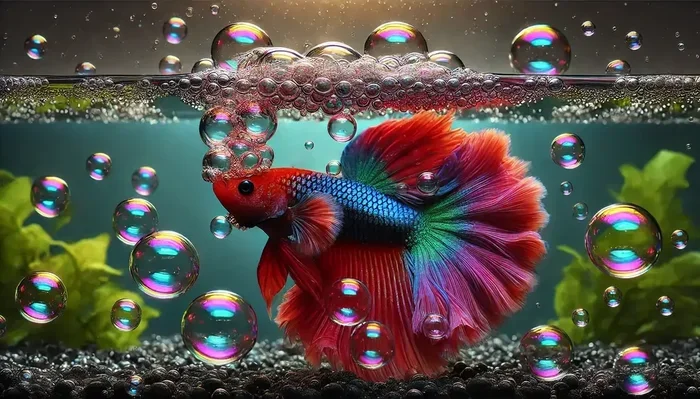
A happy betta fish builds bubble nests as a sign of comfort and health. The number of bubbles can range from a few scattered ones to a large, dense nest — and both can be normal. Understanding what bubble nests mean helps you care for your betta better.
Have you ever looked at your betta fish tank and noticed a cluster of tiny bubbles sitting on the surface? That’s called a bubble nest, and it’s one of the most fascinating things about keeping bettas. If you’ve ever wondered how many bubbles should a happy betta fish have, you’re not alone. This question comes up a lot among betta owners who want to make sure their fish is truly content.
The truth is, there’s no single perfect number. A happy betta might build a massive raft of bubbles or just a small bunch near the surface. What matters more is the context. Your fish’s overall behavior, tank setup, and health tell you a lot more than bubble count alone. Let’s dive deep into what bubble nests mean and how to read them like a pro.
Bubble nests are one of the clearest signs of a happy betta fish. When a male betta feels safe and comfortable, he naturally creates these floating bubbles. It’s an instinct tied to breeding and territory. Even if your betta isn’t planning to breed, the urge to build a nest shows he’s feeling good. Think of it like a bird building a nest — it means the environment feels right.
Understanding bubble nests helps you become a better betta owner. You’ll learn to read your fish’s behavior, spot potential problems early, and create the ideal tank setup. Whether you’re a beginner or a seasoned aquarist, this guide covers everything you need to know about betta bubbles and what they say about your fish’s well-being.
Key Takeaways
- Bubble nests are a natural behavior: Male betta fish build them to show they feel safe and healthy.
- There’s no magic number: A happy betta can have anywhere from a handful to hundreds of bubbles.
- Bubble nest size varies: Tank conditions, temperature, and the fish’s personality all play a role.
- A missing nest isn’t always bad: Some bettas rarely build nests and are still perfectly healthy.
- Water quality matters: Clean, warm water encourages natural bubble nest building behavior.
- Watch for other happiness signs: Bright colors, active swimming, and a good appetite matter just as much.
📑 Table of Contents
What Is a Betta Fish Bubble Nest?
A bubble nest is exactly what it sounds like — a collection of bubbles that a betta fish blows and holds together with saliva. These nests float on the water’s surface and can range from a loose cluster to a dense, organized raft. Male bettas are the primary builders, though females occasionally participate too.
The nest serves a practical purpose in the wild. Betta fish are labyrinth fish, which means they breathe atmospheric air. In their natural habitat, male bettas build nests to protect fertilized eggs until they hatch. The bubbles trap air and create a safe, oxygen-rich environment for the developing fry.
In a home aquarium, bubble nest building is a sign of instinct and comfort. Your betta doesn’t need a mate present to build one. He might construct a nest just because the conditions feel right. This is why betta fish behavior around bubble nests is such an important indicator of overall well-being.
Why Do Betta Fish Build Bubble Nests?
Several factors trigger bubble nest building. The most common ones include:
- Comfort and security: A well-maintained tank with stable conditions makes a betta feel safe.
- Natural instinct: Even in captivity, bettas retain their breeding behaviors.
- Water surface agitation: Gentle airflow or filter output can encourage bubble construction.
- Good water quality: Clean water with proper parameters supports healthy nest building.
- Warm temperatures: Heated tanks between 78–80°F stimulate the breeding instinct.
If your betta builds a nest regularly, that’s a great sign. It means he’s comfortable in his environment. But remember, every betta is different. Some are enthusiastic nest builders, while others rarely bother. Both can be perfectly healthy.
How Many Bubbles Should a Happy Betta Fish Have?
This is the big question, and the honest answer is: it depends. There’s no set number that defines a happy betta. Some fish produce a few scattered bubbles near the heater or filter output. Others create enormous nests that cover a large portion of the water surface.
What you should focus on is consistency and pattern. If your betta builds a nest regularly, even a small one, that shows he’s in a good headspace. A sudden change in nest-building behavior — either building more or stopping entirely — is worth paying attention to. But the bubble count itself isn’t the main metric for happiness.
A large, thick bubble nest often indicates a very confident and content male betta. However, a fish that never builds one can still be thriving if he’s eating well, swimming actively, and showing vibrant colors. The key is to look at the whole picture, not just the bubbles.
Factors That Affect Bubble Nest Size
Several things influence how many bubbles your betta produces:
- Tank size: Larger tanks with more surface area allow bigger nests.
- Water temperature: Warmer water (around 78–80°F) encourages more frequent nest building.
- Filter flow: Gentle water movement helps bubbles accumulate at the surface.
- Tank mates: A calm environment without aggressive neighbors supports nesting behavior.
- Individual personality: Just like humans, some bettas are more “nest-building” than others.
If you want to encourage natural nest building, make sure your tank setup supports it. A gentle filter, warm water, and plenty of floating plants can all help. For more on tank setup, check out our guide on how many gallons a betta fish needs to ensure the right environment.
Signs Your Betta Fish Is Happy Beyond Bubbles
Bubble nests are just one piece of the puzzle. A truly happy betta shows several positive behaviors. Learning to recognize these signs gives you a much clearer picture of your fish’s well-being.
Bright, Vibrant Colors
A healthy, content betta displays rich, vivid colors. If your fish’s hues look dull or faded, it could signal stress or illness. Happy bettas often have intense reds, blues, greens, and iridescent scales that seem to glow in the light.
Active Swimming Patterns
A happy betta explores his tank with curiosity. He’ll swim around plants, investigate decorations, and glide gracefully through the water. Lethargy or hiding in corners is a red flag that something needs attention.
Healthy Appetite
A betta that eagerly swims to the surface for food is generally a content fish. Loss of appetite is one of the first warning signs of stress or disease. Make sure you’re feeding the right amount at the right frequency. Our guide on how many times a day to feed a betta fish can help you establish a proper feeding routine.
Bubble Nest Maintenance
Interestingly, a happy betta doesn’t just build a nest — he maintains it. You might notice him adding to it throughout the day or repairing broken bubbles. This ongoing care shows he’s comfortable and invested in his environment.
Common Mistakes That Affect Bubble Nest Building
Sometimes bettas stop building nests because of things the owner can easily fix. Here are the most common mistakes:
Strong Filter Current
Betta fish prefer calm water. A filter that’s too powerful creates constant surface agitation that breaks apart bubble nests. If you notice your betta’s nest keeps falling apart, consider baffle the filter output or switching to a gentler sponge filter.
Wrong Water Temperature
Cold water suppresses the breeding instinct and nest-building behavior. Bettas need a heater to maintain a steady temperature between 78–80°F. Without proper heating, your fish may become sluggish and stop building nests altogether.
Poor Water Quality
Dirty water with high ammonia or nitrate levels causes stress. Stressed bettas are less likely to build nests. Regular water changes and proper cycling are essential for a healthy aquarium environment.
Overcrowded Tank
Too many fish in a small space creates competition and stress. If you keep multiple fish with your betta, make sure the tank is large enough. Learn more about how many fish can live in a 10 gallon tank with a betta to avoid overcrowding issues.
When to Be Concerned About Bubble Nests
While bubble nests are generally a good sign, there are situations where you should pay closer attention:
- Sudden disappearance: If your betta builds a nest and then stops without explanation, monitor his behavior closely.
- No nest at all: Some male bettas rarely build nests and are still perfectly healthy. It’s not always a cause for concern.
- Nest with discoloration: If bubbles turn brown or develop an odor, it could indicate water quality issues.
- Aggressive nest behavior: A betta that frantically builds and destroys nests may be experiencing high stress levels.
If you notice any of these signs alongside other symptoms like clamped fins, loss of color, or refusal to eat, it’s time to test your water parameters and consider a partial water change. Keeping your tank clean and stable is the foundation of betta happiness.
Remember that bubble nest building is a natural behavior, not a requirement for a healthy betta. Some owners never see a single bubble from their fish, and those fish live long, happy lives. The goal isn’t to force nest building — it’s to provide conditions where your betta feels safe enough to express natural behaviors if he chooses to.
How to Encourage Healthy Bubble Nest Building
If you’d love to see your betta create beautiful bubble nests, here are some tips to encourage this natural behavior:
- Maintain warm water temperature: Keep the tank between 78–80°F using a reliable aquarium heater.
- Use a gentle filter: A sponge filter provides biological filtration without creating strong currents.
- Add floating plants: Plants like frogbit or water sprite give bubbles something to cling to.
- Keep the tank clean: Regular partial water changes prevent stress and support natural behaviors.
- Provide hiding spots: Caves and plants give your betta a sense of security that promotes relaxation.
- Feed a quality diet: High-protein foods keep your betta healthy and energized for nest building.
Creating the right environment is the best way to support your betta’s natural instincts. When your fish feels safe, well-fed, and comfortable, bubble nest building often follows naturally. And if it doesn’t? Your betta might just be the laid-back type who expresses happiness in other ways.
For more tips on creating the perfect home for your betta, explore our resources on whether betta fish need a filter and proper tank maintenance. A well-set-up tank is the foundation of a happy, thriving betta.
Conclusion
So, how many bubbles should a happy betta fish have? The real answer is that there’s no magic number. A happy betta might build an impressive bubble nest every few days, or he might barely make a ripple at the surface. Both scenarios can be perfectly normal.
What truly matters is your betta’s overall health and behavior. Bright colors, active swimming, a good appetite, and regular bubble nest building are all positive signs. But even if your fish skips the nest-building entirely, he can still be a joyful, thriving companion.
The best thing you can do is provide a clean, warm, and calm tank environment. Feed him properly, keep the water quality high, and watch him thrive. Your betta will tell you he’s happy — bubbles or not.
Frequently Asked Questions
Do female betta fish build bubble nests?
Yes, female bettas can build bubble nests, though it’s much less common than in males. Female bettas tend to be less territorial and less driven by breeding instincts in a home aquarium. If you see a female building a nest, it’s a great sign that she feels very comfortable in her environment.
Is it bad if my betta fish never builds a bubble nest?
No, it’s not bad at all. Some male bettas rarely build nests and remain perfectly healthy and happy. Not every betta is an enthusiastic nest builder. Focus on other happiness indicators like appetite, color, and activity level instead.
Can a bubble nest indicate that my betta wants to breed?
A bubble nest is a natural instinct that often relates to breeding readiness, but it doesn’t always mean your betta is ready to mate. A male betta may build a nest simply because the tank conditions are ideal, even without a female present. It’s more about comfort than immediate breeding intent.
How often should a healthy betta build a bubble nest?
There’s no set schedule. Some bettas build nests daily, others weekly, and some only occasionally. The frequency depends on water temperature, tank conditions, and your individual fish’s personality. As long as your betta is healthy and active, the nest-building frequency doesn’t need to be a concern.
Should I remove my betta’s bubble nest?
Generally, no. Removing the nest can stress your betta and disrupt his sense of territory. If the nest is in an inconvenient spot, you can gently move it to a less obstructive area. Otherwise, let your betta manage his own bubble creations.
What does it mean if my betta’s bubble nest keeps falling apart?
A fragile or collapsing nest often points to strong water surface agitation from a powerful filter or air stone. Betta bubbles need calm surface conditions to stick together. Consider reducing water flow or adding floating plants to help stabilize the nest structure.