How Many Betta Fish Is Best for a Soroity
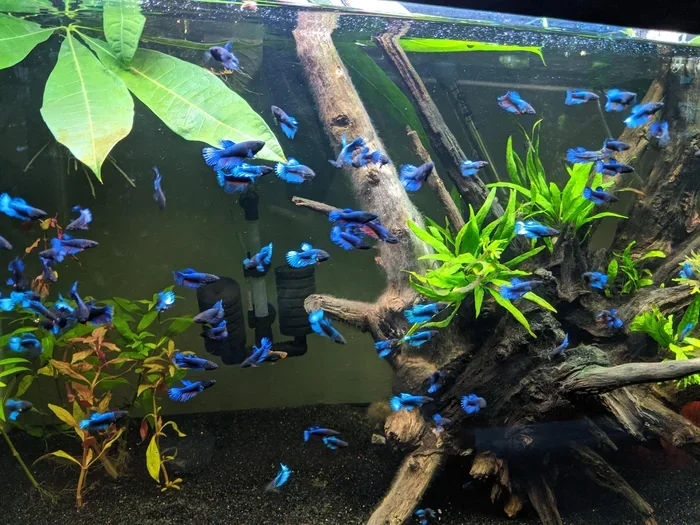
Keeping a betta sorority can be rewarding, but the number matters a lot. Most experts agree that 5 to 6 female bettas in a 20-gallon tank or larger is the sweet spot. This guide covers everything you need to know about setting up a peaceful betta sorority, from tank size and ratio to signs of stress and common mistakes.
Key Takeaways
- 5 to 6 females is the ideal number: This group size spreads aggression and reduces bullying.
- A 20-gallon tank is the minimum: More space means less tension and healthier fish.
- Use the 1:1 ratio: One male to every female if you mix, but sororities are all-female.
- Add hiding spots and plants: These break lines of sight and calm territorial behavior.
- Watch for fin nipping and flaring: These are early signs of stress or incompatibility.
- Quarantine new fish first: This prevents disease and lets you observe temperament.
- Feed a varied diet: Good nutrition reduces aggression and keeps fish healthy.
📑 Table of Contents
What Is a Betta Sorority Tank?
A betta sorority tank is a community aquarium filled with multiple female bettas. Unlike males, who are highly territorial and must live alone, females can sometimes coexist peacefully. But it takes the right setup, the right number, and a lot of observation.
The idea of a betta fish group living together is exciting. It lets you enjoy the brilliant colors and personalities of several bettas in one tank. However, a sorority is not simply “toss in a bunch of girls and hope for the best.” It requires planning, the correct sorority tank size, and ongoing care.
Female bettas are still bettas. They have the same territorial instincts as males, just a bit less intense. In the wild, they spread out across large rice paddies and shallow waters. In a home aquarium, you need to recreate that space as closely as possible.
The goal is a harmonious betta harem where each fish has her own territory. When done right, a sorority tank is one of the most beautiful setups you can create. When done wrong, it can be stressful for both the fish and the keeper.
How Many Female Bettas Should You Keep Together?
This is the big question. How many betta fish is best for a sorority? The answer depends on your tank size, your experience level, and the personalities of your fish.
The most common and recommended number is 5 to 6 female bettas. Here is why this number works so well:
- It spreads aggression out. With 5 or 6 fish, no single betta becomes the constant target.
- It creates a natural hierarchy. One fish will usually be the “alpha.” The rest find their own niches.
- It looks stunning. A group of 5 or 6 creates a living mosaic of color and movement.
Can you keep fewer? Yes. A pair of females can work in a 10-gallon tank if set up carefully. But going below 4 fish in a sorority often leads to one fish being bullied relentlessly.
Can you keep more? In larger tanks, yes. A 40-gallon or bigger tank can support 8 to 10 females. But the more fish you add, the harder it becomes to manage water quality and observe individual behavior.
The Ideal Ratio
For a standard sorority, aim for 1 female betta per 3 to 5 gallons of water. This gives each fish enough space to claim a territory without feeling crowded.
Here is a simple breakdown:
- 20-gallon tank: 5 to 6 females
- 30-gallon tank: 7 to 8 females
- 40-gallon tank: 8 to 10 females
Always start with fewer fish and add more later if the tank stays peaceful. It is much easier to add than to remove.
What Tank Size Do You Need for a Sorority?
Tank size is the single most important factor in a successful sorority. A tiny bowl or a cramped aquarium will lead to constant fighting and stress.
The minimum recommended size for a 5-to-6-fish sorority is a 20-gallon long tank. This gives the fish enough horizontal swimming space and room to establish territories. If you want to learn more about choosing the right dimensions, check out what is the best tank size for a betta fish for detailed guidance.
Here is why bigger is always better:
- More swimming room reduces direct confrontations.
- Better water stability means fewer health problems.
- More space for plants and decorations creates natural barriers.
A 20-gallon tank is the sweet spot for beginners. It is large enough to support a small group but small enough to manage easily. If you have a 10-gallon tank, stick to 3 or 4 females at most. Anything smaller is not suitable for a sorority.
Some keepers successfully run sororities in 30-gallon or 40-gallon tanks. These larger setups give you more flexibility with stocking and decoration. If you are curious about how many fish a 10-gallon tank can handle, you can read how many fish in a 10 gallon tank with a betta for more insights on stocking limits.
How to Set Up a Betta Sorority Tank
Setting up a sorority tank is different from a single-betta setup. You need to think about layout, hiding spots, and swimming space. A well-planned female betta tank setup makes all the difference.
Here are the key steps to follow:
Step 1: Choose the Right Tank
Go with a 20-gallon tank or larger. A long tank is better than a tall one because bettas swim horizontally. Make sure the tank has a secure lid. Bettas can jump, and a sorority may flare at reflections, which causes stress.
Step 2: Add Plenty of Plants and Decorations
Live plants are the best option. They break lines of sight and provide natural territories. Some great choices include:
- Java fern
- Amazon sword
- Anubias
- Floating plants like frogbit or water lettuce
If you use artificial plants, choose soft silk ones. Rough plastic plants can tear fins and cause injuries. You can also add caves, driftwood, and ceramic pots as hiding spots.
Step 3: Set Up a Gentle Filtration System
Bettas prefer gentle water flow. A sponge filter works perfectly for a sorority. It provides biological filtration without creating a strong current that stresses the fish.
Step 4: Maintain Proper Water Parameters
Keep the water temperature between 78°F and 80°F. The pH should be around 6.5 to 7.5. Regular water changes of 25 to 30 percent per week help maintain quality. For a deeper dive on water preparation, you can read how to prepare water for a betta fish.
If you want a full walkthrough of the entire process, check out how to set up a fish tank for betta fish for step-by-step instructions.
Step 5: Introduce Fish Slowly
Do not add all the females at once. Start with 2 or 3 and observe their behavior for a week or two. Then add more if the tank remains peaceful. This gradual approach helps reduce shock and aggression.
Signs of Stress in a Sorority Tank
Even with the best setup, problems can arise. Knowing the signs of stress in your female bettas helps you catch issues early and fix them before they escalate.
Common Warning Signs
- Fin nipping: One fish chasing and biting another’s fins is a red flag.
- Constant flaring: If fish are flaring at each other nonstop, the tank is too small or overcrowded.
- Hiding constantly: A betta that hides all day may be being bullied.
- Loss of color: Stress causes bettas to fade. A vibrant fish turning pale is a clear warning sign.
- Refusing food: A stressed betta will stop eating.
What to Do If You Spot Problems
First, check your water parameters. Poor water quality often causes aggression. If the water is fine, you may need to rearrange the tank decorations. This breaks up established territories and can reset the social hierarchy.
If one fish is being relentlessly bullied, remove her immediately. Use a breeder box or quarantine tank to give her a break. You can also try adding more plants to create extra hiding spots. In serious cases, the aggressive fish may need to be moved permanently.
For more help identifying health issues, read how do you know a betta fish is dying to understand the difference between stress and illness.
Common Mistakes to Avoid in a Betta Sorority
Even experienced fish keepers make mistakes with sororities. Here are the most common ones and how to avoid them.
Mistake 1: Too Small a Tank
This is the number one mistake. A 5-gallon or 10-gallon tank is not enough for a sorority. The fish need space to spread out and claim territories. A cramped tank leads to constant fighting and stressed fish.
Mistake 2: Skipping the Quarantine Period
Always quarantine new fish for at least two weeks before adding them to the sorority. This prevents disease from spreading and lets you observe the new fish’s temperament.
Mistake 3: Overfeeding
Overfeeding leads to poor water quality, which causes stress and aggression. Feed small amounts 2 times a day. Remove any uneaten food after 2 minutes.
Mistake 4: Adding Too Many Fish at Once
Adding 6 females on day one is a recipe for disaster. Introduce fish gradually and watch how they interact at each stage.
Mistake 5: Ignoring Hiding Spots
Without plants and decorations, there are no territories. Fish will fight in the open with nowhere to retreat. Always provide plenty of cover.
For more tips on avoiding common pitfalls, you can check out what is a good tank mate for a betta fish for insights on compatibility and tank dynamics.
Feeding Your Betta Sorority
Feeding a group of bettas is straightforward but requires attention. Each fish should get her share of food to prevent one fish from hogging all the meals.
Use a varied diet that includes:
- High-quality betta pellets
- Frozen or live brine shrimp
- Bloodworms (as an occasional treat)
- Daphnia for digestive health
Feed once in the morning and once in the evening. Drop food in different spots around the tank so every fish gets a chance to eat. Watch for any fish that consistently gets pushed away from food. You may need to target-feed that individual with a pipette or small container.
For more on feeding schedules and portions, you can read how many times a day to feed a betta fish for detailed feeding guidelines.
Final Thoughts
A betta sorority tank is one of the most rewarding projects a fish keeper can undertake. Watching a group of female bettas swim together, each displaying her own colors and personality, is truly magical.
The answer to how many betta fish is best for a sorority comes down to three things: tank size, gradual introduction, and careful observation. Stick with 5 to 6 females in a 20-gallon tank or larger, provide plenty of plants and hiding spots, and always be ready to adjust your setup if needed.
Not every sorority will be perfect from day one. Some groups take weeks to settle in. But with patience and the right approach, you can create a thriving community of beautiful female bettas that will bring joy to your home for years to come.
Start small, learn as you go, and enjoy the process. A successful sorority is not just about the number of fish. It is about creating a balanced, healthy environment where every betta can thrive.
Frequently Asked Questions
Can I keep just two female bettas together?
Yes, two females can live together in a 10-gallon tank or larger. However, a pair can sometimes become fixated on each other, leading to constant tension. A group of 5 or 6 spreads the social dynamics and reduces the chance of one fish being targeted.
Is a 10-gallon tank big enough for a betta sorority?
A 10-gallon tank is the absolute minimum for a small sorority of 3 to 4 females. It is not ideal for a full group of 5 or 6. If you only have a 10-gallon tank, keep the group small and add plenty of plants to create territories.
How do I know if my sorority tank is working?
A healthy sorority looks calm. Fish should swim freely, eat well, and display their colors. Some flaring is normal, but constant chasing, fin nipping, or hiding are signs that something needs to be adjusted. Watch your fish daily and take notes if needed.
Can I add a male betta to a sorority?
Generally, no. Males are highly territorial and will likely attack the females. In rare cases, a very large tank with plenty of barriers might work, but it is not recommended for most keepers. Stick to all-female groups for a sorority setup.
How often should I do water changes in a sorority tank?
Perform a 25 to 30 percent water change every week. Sorority tanks produce more waste because of the higher bioload. Regular changes keep ammonia and nitrite levels at zero and help your fish stay healthy and stress-free.
What is the best age to start a betta sorority?
Start with young females, ideally under 3 months old. When bettas are young, they are more likely to form a stable hierarchy without serious aggression. Older females that have been kept alone may struggle to adapt to group life.