How Many Betta Fish Breeds Are There
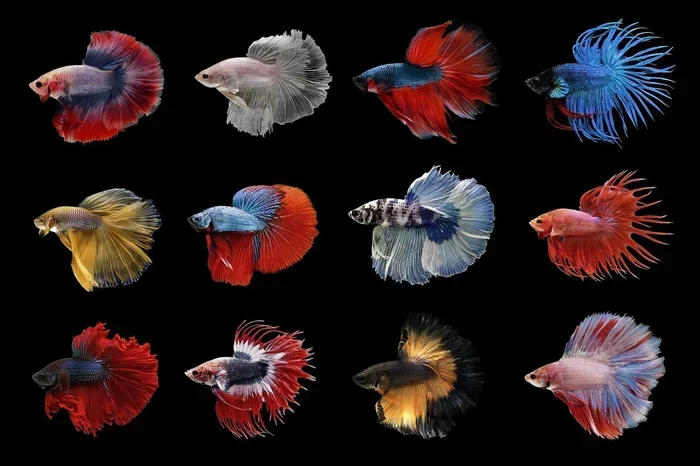
So how many betta fish breeds are there? The short answer is that there are dozens of recognized betta fish breeds and hundreds of color variations. These beautiful fish, also known as siamese fighting fish, come in a wide range of tail shapes, patterns, and colors that make each one unique. Whether you are a new fish keeper or a seasoned hobbyist, understanding the different breeds helps you choose the perfect betta fish for your tank.
Betta fish are some of the most popular pets in the aquarium world. Their vibrant colors and flowing fins capture attention instantly. But have you ever stopped to wonder how many betta fish breeds are there? The answer might surprise you.
There are actually dozens of recognized betta fish breeds, and the number keeps growing as breeders develop new varieties. Each breed has its own look, personality, and care requirements. In this guide, we will walk you through the major types, explain what makes each one special, and help you pick the best breed for your home. Let us dive right in.
Key Takeaways
- Multiple breed categories exist: Betta fish are classified by tail type, color, and pattern, resulting in dozens of distinct breeds.
- Tail shape is the primary identifier: Veil tail, crowntail, plakat, and halfmoon are among the most popular betta fish varieties.
- Color and pattern diversity is enormous: From solid colors to multicolored patterns, the variety is staggering.
- Each breed has unique care needs: Some breeds need larger tanks or specific water conditions to thrive.
- Choosing the right breed matters: Your experience level and tank setup should guide your selection.
- Breeding creates new varieties: Hobbyists continuously develop new betta fish types through selective breeding.
📑 Table of Contents
- Understanding Betta Fish Classification
- How Many Betta Fish Breeds Are There, Really?
- Popular Betta Fish Breeds and What Makes Them Special
- How to Choose the Right Betta Fish Breed for You
- Caring for Different Betta Fish Breeds
- Common Mistakes People Make With Betta Fish Breeds
- The Future of Betta Fish Breeding
- Conclusion
Understanding Betta Fish Classification
Betta fish, also known as siamese fighting fish, belong to the species Betta splendens. But within this species, there is a huge amount of diversity. Breeders classify betta fish based on three main factors: tail type, color, and pattern.
When people ask how many betta fish breeds are there, they are usually thinking about the different tail shapes and color forms. These are the most visible differences and the ones that matter most to fish keepers. Let us break down each category so it is easy to understand.
Tail Types: The Most Important Breed Identifier
The tail shape is the first thing most people notice about a betta fish. It is also the primary way breeders group different types. Here are the most common tail types you will encounter:
- Veil Tail: This is the most classic and widely recognized type. The tail hangs down in a graceful, flowing curtain. It is often the first type people think of when they imagine a betta fish.
- Crowntail: The rays of the tail fin extend beyond the webbing, giving a spiky, crown-like appearance. This breed is very popular and easy to find in pet stores.
- Plakat: Also called the plakat betta, this type has a shorter, more rounded tail. It looks closer to wild bettas and is known for being more active.
- Halfmoon: The tail spreads out to form a perfect 180-degree circle. This dramatic shape makes halfmoon bettas a favorite among show fish enthusiasts.
- Double Tail: This breed has two distinct tail fins instead of one. The split gives the fish a unique and eye-catching look.
- Combtail: Similar to the crowntail but with less extreme ray extension. The combtail has a fan-like appearance that many fish keepers love.
Each tail type comes with its own charm. Some breeds are more delicate and need careful tank setup, while others are hardy and beginner-friendly. If you are new to keeping bettas, a veil tail or plakat is a great place to start.
Color Variations Across Breeds
Color is another major factor in betta fish classification. The number of color variations is almost endless. Breeders have developed stunning shades through selective breeding over many years. Here are some of the most common color categories:
- Solid Colors: These fish are one solid color all over. Common solid colors include red, blue, green, black, white, and orange.
- Cambodian: A light body with red or dark-colored fins. This classic pattern has been around for a long time.
- Marble: A swirling pattern of dark and light colors that looks like marble stone. Each marble betta is truly unique.
- Butterfly: The body is one color and the fins fade into a lighter shade, creating a beautiful two-tone effect.
- Multi-Color: Fish with three or more distinct colors. These are often the most visually striking.
- Metallic: These bettas have a shiny, iridescent sheen that catches the light beautifully.
The sheer range of colors is one reason people fall in love with betta fish. No two fish look exactly the same, and that is part of what makes keeping them so rewarding.
How Many Betta Fish Breeds Are There, Really?
Now let us get to the heart of the question. How many betta fish breeds are there exactly? The honest answer is that there is no single official number. Different organizations and breeders recognize different counts.
Most experts agree there are at least 25 to 30 distinct tail types. When you factor in colors and patterns, the number of unique varieties climbs into the hundreds. Some breeders have even created new crosses that do not fit neatly into any existing category.
Here is a simple way to think about it. The major breed categories include:
- Veil Tail Betta – the standard, widely available type
- Crowntail Betta – known for its spiky fins
- Plakat Betta – the shorter-finned, active swimmer
- Halfmoon Betta – famous for its dramatic tail spread
- Double Tail Betta – with its split fin appearance
- Combtail Betta – a mix between veil and crowntail
- Rosetail Betta – an elaborate, heavily branched tail
- Spadetail Betta – a less common but beautiful type
These eight represent the most well-known breeds, but the list does not stop there. Each category has sub-varieties based on color and pattern. So when you ask how many betta fish breeds are there, the real answer is: more than you might expect, and growing all the time.
Popular Betta Fish Breeds and What Makes Them Special
Let us take a closer look at some of the most popular breeds. Understanding what makes each one unique will help you decide which fish is right for you.
The Veil Tail Betta
The veil tail is the most common betta fish breed in the world. You will find it in nearly every pet store. Its long, flowing tail hangs down like a delicate veil, which is how it got its name. Veil tails are hardy and easy to care for, making them perfect for beginners. Their care is straightforward, and they do well in a standard 5-gallon tank or larger.
The Crowntail Betta
Crowntail bettas stand out because of their unique fin rays. The rays extend well beyond the webbing, creating a spiky, crown-like look. This breed was developed in Indonesia and has become one of the most sought-after types worldwide. Crowntails come in a wide range of colors and patterns, so you will have plenty of options. They need a warm, clean tank with gentle water flow.
The Plakat Betta
If you want a betta that looks closer to its wild ancestors, the plakat is the one. Plakats have short, rounded fins and a streamlined body. They are more active swimmers than long-finned breeds and tend to be hardier. Many people choose plakats because they are less prone to fin damage. They also do well in tanks with other peaceful fish, as long as the tank is set up correctly. Check out our guide on other fish that can go with a betta for tips on tank mates.
The Halfmoon Betta
Halfmoon bettas are the showstoppers of the betta world. Their tail spreads out in a perfect semicircle, reaching 180 degrees. This dramatic shape makes them a favorite among experienced hobbyists and fish show competitors. Halfmoons require a bit more attention to water quality because their large fins can be sensitive. They also need a tank of at least 5 gallons to stay healthy and comfortable.
How to Choose the Right Betta Fish Breed for You
With so many breeds available, choosing the right one can feel overwhelming. But it does not have to be. Here are some simple tips to help you make the best choice.
First, think about your experience level. If you are new to fish keeping, start with a hardy breed like the veil tail or plakat. These fish are forgiving of small mistakes and adapt well to standard tank setups.
Second, consider your tank size. Most betta breeds do well in a 5-gallon tank or larger. However, breeds with large, flowing fins like the halfmoon benefit from a slightly bigger space. You can learn more about proper tank sizing in our article on how many gallons for a betta fish.
Third, think about the look you want. Do you prefer a fish with long, flowing fins? Or would you rather have a more active, short-finned swimmer? Your personal preference matters, and there is a breed for every taste.
Fourth, consider feeding habits. Most betta breeds eat the same foods, but some are more active and burn more energy. For feeding guidelines, check out our piece on how many times a day to feed a betta fish.
Quick Tips for Picking a Healthy Fish
- Look for bright, vivid colors. Dull coloring can signal illness.
- Check that the fins are intact and not torn or clamped.
- Watch the fish swim actively. A healthy betta is curious and alert.
- Buy from a reputable breeder or trusted pet store.
- Avoid fish kept in dirty or crowded tanks at the store.
Caring for Different Betta Fish Breeds
Good care is the foundation for a happy, healthy betta fish. While most breeds share similar needs, some have specific requirements you should know about.
Water temperature is critical. Betta fish thrive in warm water between 76 and 82 degrees Fahrenheit. A small heater works well for most tank setups. Keep the water clean by performing regular water changes. Most experts recommend changing 25 to 30 percent of the water every week or every other week.
Feeding is another key area. Most betta breeds do well with a mix of high-quality pellets and occasional frozen or live food. Overfeeding is a common mistake, so keep portions small. For more detailed feeding advice, read our guide on how many pellets to feed betta fish daily.
Tank setup matters too. Add some gentle plants and hiding spots. Avoid sharp decorations that can tear delicate fins. A filter is important, but choose one with a gentle flow so it does not stress your fish.
If you plan to keep more than one betta, be very careful. Male bettas are territorial and should never be housed together. For tips on keeping multiple fish, check out how many betta fish can live together.
Common Mistakes People Make With Betta Fish Breeds
Even experienced fish keepers sometimes make mistakes. Here are the most common ones to avoid:
- Buying too small a tank: Many people keep bettas in tiny bowls. This is not enough space. A 5-gallon tank is the minimum for a healthy betta.
- Overfeeding: Bettas have small stomachs. Too much food leads to bloating and poor water quality.
- Ignoring water quality: Dirty water causes stress and disease. Regular water changes are non-negotiable.
- Choosing the wrong tank mates: Not all fish get along with bettas. Research carefully before adding other species.
- Skipping the heater: Bettas are tropical fish and need warm water year-round. A heater is essential.
Avoiding these mistakes will set you up for success and help your betta live a long, happy life.
The Future of Betta Fish Breeding
The world of betta fish breeding is always evolving. New color patterns and fin shapes appear every year. Hobbyists in countries like Thailand, Malaysia, and Indonesia are at the forefront of developing exciting new varieties.
Selective breeding has come a long way. Breeders carefully choose fish with the best traits and pair them to produce offspring with even more impressive features. This process has given us the incredible diversity we see today. Who knows what new breeds will emerge in the coming years?
One trend that is growing is the focus on healthier fish. Some breeders are working to reduce genetic health issues that can come with extreme breeding for looks. This is a positive development that benefits the fish and the hobby as a whole.
As a fish keeper, staying informed about new developments is part of the fun. Join online communities, visit local fish clubs, and never stop learning. The more you know, the better care you can provide.
Conclusion
So how many betta fish breeds are there? The answer is clear: there are dozens of distinct breeds and hundreds of unique varieties. From the classic veil tail to the dramatic halfmoon, each breed brings something special to the aquarium. The diversity of colors, patterns, and fin shapes makes betta fish one of the most fascinating pets you can keep.
Whether you are just starting out or you are a seasoned hobbyist, there is always something new to discover. Choose a breed that fits your experience level, set up a proper tank, and provide good care. Your betta will reward you with years of beauty and companionship. Start your journey today and enjoy the wonderful world of betta fish breeds.
Frequently Asked Questions
How many betta fish breeds are there in total?
There is no single official number, but experts recognize at least 25 to 30 distinct tail types. When you factor in colors and patterns, the total number of unique varieties reaches into the hundreds. New breeds continue to emerge as breeders develop new crosses.
What is the most common betta fish breed?
The veil tail is by far the most common and widely available breed. You can find it in most pet stores around the world. Its long, flowing tail and hardy nature make it a favorite among beginners and experienced fish keepers alike.
Are there different types of betta fish based on color?
Yes, betta fish come in a huge range of colors and patterns. Common categories include solid colors, marble, butterfly, and multi-color. Each category has many sub-varieties, which is why the total number of distinct breeds is so large.
Can I keep two betta fish together?
Generally, you should not keep two male bettas together. They are territorial and will fight. Female bettas can sometimes be kept in groups called sororities, but this requires a larger tank and careful setup. Learn more about housing multiple bettas in our guide.
What is the easiest betta fish breed for beginners?
The veil tail and plakat are the easiest breeds for beginners. They are hardy, adaptable, and do not require special care. Start with one of these types, and you will have a great experience keeping your first betta fish.
Do different betta fish breeds need different care?
Most betta breeds share the same basic care requirements. However, breeds with large, flowing fins like the halfmoon may need extra attention to water quality and tank setup. Always research the specific needs of the breed you choose to ensure the best care.