How Many Betta Fish Babies
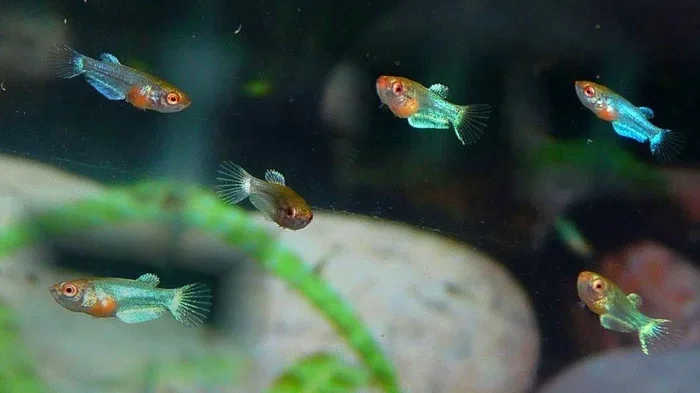
So how many betta fish babies can you really expect? A single female betta fish can lay anywhere from 100 to 500 eggs per spawning, but the number of surviving betta fry depends heavily on water conditions, feeding, and tank setup. Understanding the betta fish breeding process helps you prepare for the exciting journey of raising healthy baby bettas.
So you are wondering how many betta fish babies a single spawning can produce? It is a fascinating question that every betta fish keeper should know the answer to. Whether you are a beginner or a seasoned aquarist, understanding betta fish reproduction helps you care for your fish better.
The short answer might surprise you. A healthy female betta fish can lay 100 to 500 eggs in a single spawning session. But here is the twist. Not all of those eggs will hatch. Not all of the fry will survive. The real number of baby bettas you end up with depends on several factors. Things like water quality, male betta care, feeding habits, and tank conditions all play a role.
In this guide, we will walk you through everything you need to know about betta fish babies. We will cover how many eggs a betta lays, how the breeding process works, and what you can do to raise healthy fry. By the end, you will feel confident and ready if breeding ever comes your way.
Key Takeaways
- A healthy female betta fish can lay 100 to 500 eggs per spawning cycle.
- Not all eggs will hatch. Survival rates depend on water quality, temperature, and male care.
- Betta fry need special care including tiny food and clean water conditions.
- The breeding process takes about 7 to 10 days from spawning to hatching.
- Setting up a proper breeding tank dramatically improves fry survival rates.
- Male betta fish build bubble nests to protect fertilized eggs until they hatch.
- Feeding frequency matters a lot for growing betta fry in their first weeks.
📑 Table of Contents
How Many Eggs Does a Betta Fish Lay?
The betta fish breeding process starts with the female laying eggs. But the number can vary a lot. Let us break it down so you know what to expect.
Average Egg Count Per Spawning
Most female betta fish lay between 100 and 300 eggs per spawn. Some healthy females can go as high as 500 eggs. However, the number depends on the age, size, and health of the fish. A younger, well-fed female tends to produce more eggs than an older one.
Here is a quick look at what affects egg count:
- Age: Females between 4 and 12 months old lay the most eggs.
- Size: Larger females generally produce more eggs than smaller ones.
- Health: A well-nourished betta in clean water will lay healthier eggs.
- Breeding frequency: Letting a female rest between spawns leads to better egg production.
Do All Eggs Get Fertilized?
No, they do not. During the spawning process, the male betta fish fertilizes the eggs as the female releases them. But not every egg gets fertilized. Some eggs are infertile and will turn white. A male betta usually removes these unfertilized eggs from the bubble nest. This is normal behavior and nothing to worry about.
If you want to learn more about how many eggs a betta fish actually lays, check out our detailed guide on how many eggs does a betta fish lay.
How Many Eggs Do Betta Fish Lay in Multiple Spawns?
A healthy female can spawn every few weeks if conditions are right. Over her breeding lifespan, she may lay several hundred eggs in total. But experienced breeders recommend limiting spawns to keep the female healthy and stress-free. Overbreeding can lead to health problems and fewer eggs over time.
The Betta Fish Breeding Process Explained
Understanding how betta fish reproduce helps you set the right expectations. The process is not complicated, but it does require attention to detail.
Step 1: Preparing the Breeding Pair
Before breeding, you need a healthy male and female betta. Both fish should be at least 4 months old and in great shape. Feed them high-quality food like bloodworms and brine shrimp to get them ready. A separate breeding tank with warm water around 80°F works best.
Step 2: The Bubble Nest
The male betta fish builds a bubble nest at the water surface. This nest is where the fertilized eggs will stay safe. A healthy male builds a strong, thick bubble nest. If the nest looks weak, check the water flow and temperature. Calm water helps the bubbles stick together.
Step 3: Spawning and Egg Release
During spawning, the male wraps his body around the female. This triggers her to release eggs. The male fertilizes them immediately. The whole process can take a few hours. The female may lay eggs in batches over several sessions.
Step 4: Egg Collection and Care
After spawning, the male collects the eggs and places them in the bubble nest. He guards the nest carefully. The female should be removed at this point to prevent her from eating the eggs. The male takes care of everything from here.
For more details on the breeding timeline, see our article on how many days to breed betta fish.
How Many Betta Fry Survive After Hatching?
This is where things get tricky. Even though a female can lay hundreds of eggs, the number of surviving betta fry is usually much lower. Let us look at the survival rates and why they matter.
Typical Survival Rates
Out of 100 fertilized eggs, you might get 50 to 70 healthy fry that survive the first week. After the first month, that number can drop to 30 or fewer. The main reasons include:
- Unfertilized eggs that never develop.
- Fungus-infected eggs that stop developing.
- Male betta neglect or poor bubble nest maintenance.
- Poor water quality that kills fragile fry.
- Inadequate food for the tiny newborns.
Why Some Fry Do Not Survive
Betta fry are extremely tiny and fragile when they first hatch. They cannot swim well for the first few days. They live off their yolk sac for nutrition. Once the yolk sac is absorbed, they need external food right away. If food is not available or the wrong size, the fry will not make it.
Water conditions play a huge role too. Ammonia spikes, even tiny ones, can be deadly for baby bettas. This is why many breeders use sponge filters and do frequent small water changes. Clean, warm, and stable water gives fry the best chance at survival.
Can You Improve Survival Rates?
Absolutely. Here are some proven tips:
- Keep the water temperature steady at 78 to 80°F.
- Use a sponge filter to avoid sucking up tiny fry.
- Feed infusoria or liquid fry food for the first few days.
- Perform tiny water changes daily to keep ammonia at zero.
- Remove any dead eggs or fry to prevent fungus from spreading.
Raising betta fry is rewarding but requires patience. If you want tips on feeding baby bettas, our guide on how many times to feed a betta fish offers great advice that applies to fry as well.
Raising Betta Fry: What to Expect in the First Weeks
Once the eggs hatch, your job as a breeder or caretaker really begins. The first few weeks are the most critical for betta fry survival.
Day 1 to Day 3
Newly hatched fry stay near the bubble nest. They are still absorbing their yolk sac. Do not feed them yet. Just keep the water clean and the temperature stable. The male betta will continue guarding the nest and picking up any fry that fall out.
Day 4 to Day 7
Once the yolk sac is gone, the fry need food. Start with infusoria or commercially available liquid fry food. These are tiny enough for newborn bettas to eat. Feed very small amounts several times a day. Overfeeding can foul the water quickly.
Week 2 to Week 4
By the second week, fry start to grow and become more active. You can introduce baby brine shrimp as a protein-rich food source. The fry will start to show their colors around week 3 or 4. Males may start showing fin color differences from females.
Week 4 and Beyond
After one month, the fry are about half an inch long. They can now eat crushed flakes or small pellets. At this stage, you can start thinking about separating them into individual containers. Male bettas will become territorial and may fight each other.
If you are wondering how many betta fish babies you should keep, the answer depends on your tank space and resources. Many breeders keep only the strongest fry and rehome the rest.
Common Mistakes When Breeding Betta Fish
Breeding betta fish can go wrong fast if you make common mistakes. Here are the ones to avoid.
Skipping the Quarantine Period
Never put a breeding pair directly into the main tank. Both fish can carry parasites or diseases that spread to other fish. A quarantine tank protects everyone.
Overfeeding the Breeding Pair
Good nutrition before breeding is important. But overfeeding leads to dirty water and bloated fish. Feed moderate amounts of high-quality food for two weeks before introducing the pair.
Ignoring Water Parameters
Betta fish need specific water conditions for breeding. The pH should be around 7.0, and the temperature should be between 78 and 80°F. Sudden changes in water parameters can stress the fish and cause them to eat their own eggs.
Leaving the Female Too Long
After spawning, remove the female immediately. The male may become aggressive toward her, and she might eat the eggs if given the chance. A clear divider or separate tank works best.
Not Having Enough Food Ready for Fry
Fry need very specific food that is small enough for their tiny mouths. If you do not have infusoria or liquid fry food ready before the eggs hatch, the fry may starve in their first few days.
How Long Does It Take for Betta Babies to Grow Up?
Betta fish grow at a steady pace during their first few months. Here is a timeline of what to expect:
- Birth to 1 week: Fry are tiny, translucent, and stay near the bubble nest.
- 1 to 2 weeks: Fry start swimming freely and eating external food.
- 1 month: Fry are about 0.5 inches long and show early color development.
- 2 to 3 months: Fry grow to about 1 inch and start showing fin shapes.
- 3 to 4 months: Young bettas reach about 1.5 inches and look like miniature adults.
- 6 months: Betta fish are nearly full size at about 2 to 3 inches.
Full adult size is reached around 6 to 7 months. However, colors and fins continue to develop until the fish is about 8 months old. Proper care and nutrition during these early months make a big difference in the final result.
Key Takeaways
- A healthy female betta fish can lay 100 to 500 eggs per spawning cycle.
- Not all eggs will hatch. Survival rates depend on water quality, temperature, and male care.
- Betta fry need special care including tiny food and clean water conditions.
- The breeding process takes about 7 to 10 days from spawning to hatching.
- Setting up a proper breeding tank dramatically improves fry survival rates.
- Male betta fish build bubble nests to protect fertilized eggs until they hatch.
- Feeding frequency matters a lot for growing betta fry in their first weeks.
Conclusion
So, how many betta fish babies can you really expect? The answer is up to 500 eggs per spawn, but the number of surviving fry depends on how well you care for them. From egg to adult, the journey is exciting and requires patience, attention, and a little bit of luck.
Remember that every spawning is different. Some will give you dozens of healthy fry, and others may give you fewer. The key is to focus on water quality, proper feeding, and a stress-free environment. Whether you are breeding bettas as a hobby or seriously, understanding the process makes all the difference.
If you are planning to breed your bettas, start with healthy fish, set up the right tank, and be prepared for the rewarding experience of raising betta fry. The journey from eggs to beautiful adult bettas is one of the most satisfying parts of fish keeping.
For more information on betta fish care, check out our guide on how many gallons for a betta fish to make sure your tank setup is perfect for any breeding project.
Frequently Asked Questions
How many babies do betta fish have in one spawning?
A healthy female betta fish can lay between 100 and 500 eggs in a single spawning session. However, not all of these eggs will hatch, and not all fry will survive. The number of surviving babies usually ranges from 50 to 70 in the first week.
How many eggs does a female betta fish lay per day?
A female betta does not lay all her eggs at once. She releases them in batches over the course of a few hours during spawning. The entire egg-laying process usually happens in one breeding session that lasts several hours.
How many betta fry survive from 200 eggs?
From 200 fertilized eggs, you can expect around 100 to 140 fry to survive the first week. After the first month, that number may drop to 60 or fewer depending on water quality and feeding practices.
Can betta fish have babies without a male?
No, a female betta fish cannot have babies without a male. The eggs need to be fertilized by the male for them to develop into fry. Without fertilization, the eggs will not hatch.
How long does it take for betta fish eggs to hatch?
Betta fish eggs typically hatch within 24 to 72 hours after spawning. The male betta guards the eggs in the bubble nest during this time. Once hatched, the fry remain near the nest for a few more days while absorbing their yolk sac.
What should I feed betta fry for the best growth?
Feed betta fry infusoria or liquid fry food for the first week. After that, introduce baby brine shrimp and finely crushed flakes. Feed small amounts multiple times a day to support their rapid growth and development.