How Long to Condition Betta Fish Water
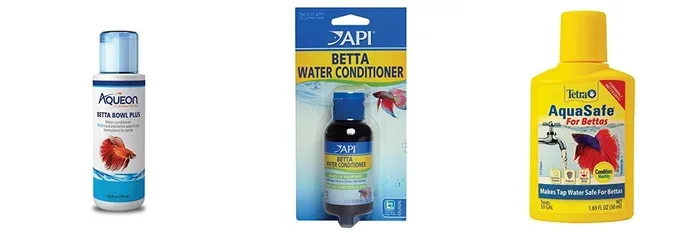
Conditioning betta fish water typically takes just a few minutes when you use a quality water conditioner that instantly neutralizes chlorine, chloramine, and heavy metals. However, if you prefer to let tap water sit and age naturally, you should wait at least 24 hours before adding your betta to ensure harmful chemicals dissipate completely. Always test your water parameters before introducing your fish to a new environment, as proper conditioning is the foundation of a healthy, thriving betta habitat.
Key Takeaways
- Always condition tap water before adding it to your betta tank to remove harmful chlorine and chloramines.
- Let conditioned water sit for 15–20 minutes to allow the conditioner to fully neutralize toxins.
- Use a conditioner designed for aquariums — not household water treatments meant for other purposes.
- Test your water parameters regularly to ensure the conditioning process is working effectively for your betta.
- Never use untreated tap water directly in your betta tank, as it can cause serious health damage.
- Pre-condition water 24 hours ahead for best results and to stabilize temperature and pH levels.
- Follow the conditioner dosage instructions carefully — more product does not mean better protection for your fish.
📑 Table of Contents
- What Does Conditioning Betta Fish Water Mean?
- How Long Does It Take to Condition Betta Fish Water?
- Step-by-Step Guide to Conditioning Your Betta’s Water
- Factors That Affect Conditioning Time
- Common Mistakes When Conditioning Betta Fish Water
- How to Tell If Your Betta’s Water Is Properly Conditioned
- Pro Tips for Faster and Better Water Conditioning
- Key Takeaways
What Does Conditioning Betta Fish Water Mean?
Before we dive into timing, let’s talk about what conditioning actually means. When we say condition betta fish water, we’re talking about treating your tap water to make it safe for your betta. Tap water contains chemicals like chlorine and chloramine that are harmful to fish. Conditioning removes these toxins so your betta can live a healthy, happy life.
Think of it this way. You wouldn’t drink water straight from the garden hose, right? Your betta feels the same way about untreated tap water. Conditioning is basically giving that water a fresh start before it enters your betta’s tank. It’s one of the most important parts of betta fish care that many beginners overlook.
Most people use a tap water conditioner or water conditioner drops to get the job done. These products work quickly to neutralize harmful chemicals. But here’s the big question: how long to condition betta fish water? Let’s break it down.
If you want to learn more about preparing water properly, check out our guide on how to prepare water for a betta fish. It covers everything you need to know before adding water to your tank.
How Long Does It Take to Condition Betta Fish Water?
The short answer? It depends on the product you use. Most water conditioners work almost instantly. Some take just a couple of minutes. Others might need a bit more time. Let’s look at the typical timelines.
Instant Conditioners
These are the most popular options. You add the conditioner to your tank water, stir it in, and you’re good to go. Instant conditioners neutralize chlorine and chloramine within 1 to 5 minutes. They’re perfect for quick water changes when your betta needs fresh water fast.
Slow-Acting Conditioners
Some conditioners take longer to fully work. These might need 15 to 30 minutes to break down all the chemicals in your water. They often contain beneficial bacteria starters that need time to activate. While they take longer, they offer extra benefits like helping build a healthy biological filter in your betta tank.
Natural Conditioning Time
If you prefer not to use chemical conditioners, you can let water sit uncovered for 24 to 48 hours. This allows chlorine to evaporate naturally. However, this method doesn’t remove chloramine. It’s also not the most practical option if you need to do a water change today. For a deeper understanding of this process, read about how to dechlorinate water for betta fish.
Step-by-Step Guide to Conditioning Your Betta’s Water
Now let’s get into the nitty-gritty. Here’s a simple step-by-step process to condition betta fish water properly. Follow these steps and your betta will thank you.
Step 1: Gather Your Supplies
Before you start, make sure you have everything ready:
- A clean bucket or container
- Tap water conditioner or water conditioner drops
- A measuring spoon or dropper
- A stirrer or clean glove
- A thermometer to check temperature
Step 2: Fill Your Bucket with Tap Water
Fill your bucket with the right amount of tap water. Make sure it matches the temperature of your tank water. Sudden temperature shocks can stress your betta. Use a thermometer to match the water temperatures closely.
Step 3: Add the Water Conditioner
Measure the correct amount of conditioner based on your bucket size. Most products require about 1 ml per 10 liters of water. Add the conditioner directly into the water and stir gently. Let it sit for the recommended conditioning time. This is usually 2 to 5 minutes for most commercial products.
For more details on using conditioners correctly, see our article on how to use tap water conditioner for betta fish. It walks you through dosing and timing.
Step 4: Test the Water
After the conditioner has had time to work, test your water. Use a liquid test kit to check for chlorine, chloramine, pH levels, and water parameters. You want to make sure everything falls within safe ranges before adding it to your betta’s tank.
Step 5: Add the Water to the Tank
Pour the conditioned water slowly into your tank. Pour it over a plate or onto the gravel to avoid disturbing your betta too much. Watch your betta for any signs of stress over the next hour. Most bettas adjust quickly if the water quality is right.
Factors That Affect Conditioning Time
Not all water situations are the same. Several factors can change how long it takes to properly condition your water. Understanding these helps you plan better.
Water Source
Different water sources have different levels of contaminants. Municipal tap water typically contains chlorine. Some areas also use chloramine, which is harder to remove. If you’re on a well, you might deal with heavy metals or other chemical neutralization challenges. Know what’s in your water to choose the right conditioner.
Type of Conditioner Used
As we mentioned, some conditioners work faster than others. Cheap conditioners might need more time and multiple doses. High-quality brands often deliver results in minutes. Always read the label before buying. The best conditioners handle chlorine, chloramine, heavy metals, and even ammonia all at once.
Tank Size and Water Volume
Larger tanks need more conditioner and sometimes more time. A small betta tank might only need a few minutes. A larger aquarium could take longer for the conditioner to fully circulate and work. Always dose based on the total water volume, not just a rough guess.
Water Temperature
Warmer water can speed up chemical reactions. This means conditioners may work slightly faster in warm water. Cold water might slow things down a bit. Keep this in mind if you live in a cooler climate and your tank water tends to run cold.
Common Mistakes When Conditioning Betta Fish Water
Even experienced fish keepers make mistakes. Here are some common errors that can hurt your betta’s health. Avoid these, and your betta fish care routine will be much smoother.
- Skipping the conditioner entirely. Some people think tap water is fine as-is. It’s not. Untreated water can burn your betta’s fins and damage internal organs.
- Using too little conditioner. Under-dosing is a common issue. Always measure carefully and follow the manufacturer’s instructions. If your water is heavily treated, consider doubling the dose slightly.
- Not waiting long enough. Rushing the process is risky. Give your conditioner the full conditioning time it needs. Even a few extra minutes can make a big difference.
- Ignoring pH levels. Conditioning isn’t just about removing chlorine. Your water parameters including pH and hardness matter too. Test regularly to keep everything balanced.
- Forgetting to treat new water during water changes. Every time you do a water change, you need to condition the fresh water. Don’t just dump untreated tap water into your tank.
One more thing. Many beginners confuse water cleaning with water conditioning. Cleaning means removing debris, algae, and waste from the tank. Conditioning means making the water chemically safe. Both are essential parts of aquarium maintenance. They serve different purposes and neither one replaces the other.
How to Tell If Your Betta’s Water Is Properly Conditioned
You’ve added your conditioner and waited the recommended time. How do you know it worked? Here are some signs that your water is properly conditioned and safe for your betta.
Use a Test Kit
The most reliable way to check is with a liquid test kit. Test for chlorine, chloramine, ammonia, nitrite, and pH. All readings should show zero for chlorine and chloramine. Ammonia and nitrite should also be at zero for a healthy aquarium water environment.
Watch Your Betta’s Behavior
A healthy betta is an active betta. If your fish is swimming normally, eating well, and showing vibrant colors, your water is likely in good shape. If your betta seems lethargic, hides constantly, or gasps at the surface, something might be off with the water safety. Check your water parameters immediately.
Look at the Water Itself
Conditioned water should be clear and odor-free. If it smells like a swimming pool, chlorine might still be present. Cloudy water could indicate a bacterial bloom or other issue. Clear, clean water is your goal every time you do a water preparation routine.
Quick Comparison: Instant vs. Natural Conditioning
| Method | Time Required | Removes Chlorine | Removes Chloramine | Best For |
|---|---|---|---|---|
| Instant Conditioner | 2-5 minutes | Yes | Yes | Regular water changes |
| Slow Conditioner | 15-30 minutes | Yes | Yes | New tank setups |
| Natural Sitting | 24-48 hours | Yes | No | Emergency situations |
Pro Tips for Faster and Better Water Conditioning
Want to make the how long to condition betta fish water process even smoother? Here are some expert-backed tips that save time and keep your betta thriving.
- Keep a liquid test kit on hand. Test kits give you real-time results. They’re more accurate than test strips and worth every penny.
- Use a conditioner that handles multiple contaminants. The best products tackle chlorine, chloramine, ammonia, and heavy metals all in one dose. Look for all-in-one formulas when you shop.
- Pre-mix conditioned water before water changes. Mix your conditioner in the bucket ahead of time. This way you won’t rush and your betta gets perfectly safe water every time.
- Keep a consistent schedule. Regular water changes prevent toxin buildup. Aim for 25% water changes every 1 to 2 weeks. Consistent maintenance makes each session quicker and easier.
- Store your conditioner properly. Keep it in a cool, dry place. Heat and sunlight can degrade the active ingredients. A properly stored conditioner works better and lasts longer.
Also, don’t underestimate the value of aquarium maintenance beyond just water changes. Cleaning your filter, vacuuming the gravel, and monitoring your beneficial bacteria levels all contribute to better water quality. A well-maintained tank needs less conditioning over time because the biological filter does some of the heavy lifting.
If you’re dealing with a situation where your betta seems unwell after a water change, our article on how to save dying betta fish after water change can help you troubleshoot and recover your fish quickly.
Key Takeaways
Let’s wrap up with the most important points to remember about conditioning your betta’s water:
- Most tap water conditioners work within 2 to 5 minutes. Slow-acting formulas may need 15 to 30 minutes.
- Always measure your conditioner based on the total water volume. Don’t guess.
- Test your water after conditioning to confirm chlorine and chloramine are at zero.
- Watch your betta’s behavior as an extra sign that the water is safe.
- Never skip conditioning, even for small top-offs. Every bit of fresh water needs treatment.
- Consistent water changes and proper conditioning are the foundation of great betta fish care.
Learning how long to condition betta fish water is a small but powerful part of being a responsible fish owner. The process itself is quick and easy once you get into the habit. Within minutes, you can transform harsh tap water into a safe, comfortable home for your betta. Take your time, follow the steps, and your betta will live a long, healthy life. You’ve got this!
Frequently Asked Questions
How long to condition betta fish water before adding your fish?
Most water conditioners work instantly, so your betta water is ready the moment you add the drops. However, letting the water sit for about 15 to 20 minutes helps it reach room temperature. This small wait makes the transition much smoother for your fish.
Does a water conditioner need time to work on a betta tank?
No, quality conditioners neutralize chlorine and chloramine within seconds of mixing. The real waiting game is about temperature matching, not chemical processing. Simply swirl the bottle, add the dose, and your water is safe almost immediately.
How long should I let tap water sit before conditioning it for my betta?
If you are using a conditioner, there is no need to let the water sit first. You can treat the water right from the tap and add it to the tank straight away. Sitting water without a conditioner actually wastes time and still leaves harmful chemicals present.
Can I add betta fish right after conditioning the water?
Yes, once the conditioner has mixed in, the water is safe for your betta. That said, matching the temperature of the new water to your tank water prevents shock. A quick temperature check takes just a moment and keeps your fish stress-free.
How often do I need to condition new water during a betta water change?
Every single time you add fresh water, you should condition it right away. This applies whether you are doing a small top-off or a full 25 percent water change. Skipping this step even once can expose your betta to dangerous chlorine levels.
What happens if you don’t condition betta water long enough?
Without proper treatment, chlorine and chloramine can damage your betta’s gills and skin quickly. Even small amounts over time weaken the immune system and cause lasting health problems. Always treat the full volume of new water before it ever touches the tank.