How Much Water Does Betta Fish Need
So, how much water does betta fish need? A single betta fish needs at least a 5-gallon tank to thrive, with regular water changes and proper water parameters. The right water volume keeps your betta healthy, active, and stress-free.
If you own a betta fish or are thinking about getting one, you have probably asked yourself this question: how much water does betta fish need? It is a great question, and the answer is more important than you might think. The amount of water your betta lives in directly affects its health, happiness, and lifespan.
Many people still believe bettas can survive in tiny cups or bowls. That is a myth. While bettas are hardy fish, they need proper space and clean water to truly thrive. In this guide, we will break down everything you need to know about betta fish water requirements, from tank size to water changes and beyond.
Key Takeaways
- Minimum tank size: A betta fish needs at least 5 gallons of water to live comfortably and stay healthy.
- Larger is better: Bigger water volumes make it easier to maintain stable water parameters and keep ammonia levels low.
- Regular water changes: You should do partial water changes weekly to keep the aquarium water clean and safe.
- Water quality matters: Factors like pH levels, temperature, and filtration all play a role in how much water your betta truly needs.
- Small bowls are harmful: Keeping a betta in less than 5 gallons can lead to health problems and a shorter lifespan.
- Proper setup is key: A well-planned betta tank setup with a heater and filter makes managing water volume much easier.
📑 Table of Contents
- Why Water Volume Matters for Betta Fish
- How Much Water Does Betta Fish Need: The Minimum
- How Often Should You Change the Water
- Water Parameters: What You Need to Know
- Does a Betta Fish Need a Filter
- Common Mistakes People Make With Betta Water
- How Much Space Does a Betta Fish Need Beyond Water Volume
- How to Make Water Changes Easier and Safer
- Final Thoughts on How Much Water Betta Fish Need
Why Water Volume Matters for Betta Fish
The water your betta fish lives in is its entire world. Unlike humans, fish cannot move to a different room when things get uncomfortable. Everything in their environment — ammonia levels, temperature, oxygen, and toxins — mixes together in that water. The more water there is, the more diluted waste products become, and the easier it is to keep things stable.
Here is a simple way to think about it. Imagine living in a tiny bathroom with no windows. Now imagine living in a large apartment with open windows and fresh air. Same idea applies to your fish. A larger water volume gives your betta room to swim, explore, and stay healthy.
What Happens in Too Little Water
When you keep a betta in too little water, problems build up fast. Waste from your fish, leftover food, and bacteria all accumulate quickly. This causes ammonia spikes, which are toxic and can kill your fish within hours. Small volumes of water also mean temperature swings, which stress your betta out.
Some common signs your fish is suffering from too little water include:
- Lethargy — your betta barely moves or stays at the bottom
- Loss of color — the vibrant fins start looking dull
- Breathing heavily — gasping at the surface more than usual
- Fin rot — edges of the fins look ragged or discolored
- Hiding constantly — a stressed betta will seek hiding spots
If you notice any of these signs, check your water volume and water parameters right away. Often, a simple water change can make a big difference.
How Much Water Does Betta Fish Need: The Minimum
The general rule of thumb is simple. A single betta fish needs a minimum of 5 gallons of water. This is the smallest tank size that allows for stable water parameters and gives your fish enough room to swim around comfortably.
Now, you might see pet stores selling bettas in cups or 1-gallon tanks. Those setups are fine for short-term display, but they are not suitable for long-term care. A betta kept in a 1-gallon tank will need much more frequent water changes and is at higher risk for health issues.
Tank Size Guide for Betta Fish
Here is a quick look at how tank size affects your betta:
- 1 gallon: Not recommended. Too small to maintain stable water quality. Requires daily water changes and is stressful for the fish.
- 3 gallons: Better than 1 gallon, but still too small for long-term health. Difficult to keep ammonia levels in check.
- 5 gallons: The minimum recommended size. This is the sweet spot for a single betta fish. Easy to manage with a basic filter and heater.
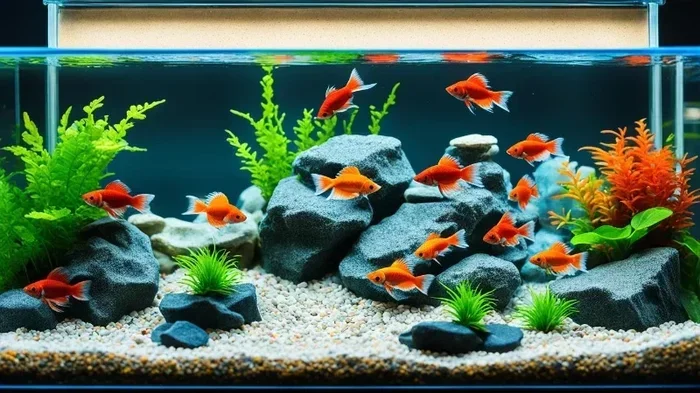
- 10 gallons or more: Ideal. More room to swim, easier to maintain stable water temperature, and allows for live plants and décor.
If you want your betta to live a long, happy life, go with at least 5 gallons. Many experienced fish keepers recommend 10 gallons as the best option. The extra space makes a huge difference in betta fish care.
How Often Should You Change the Water
Even with the right tank size, you still need to change the water regularly. How much water does betta fish need is only part of the equation. Keeping that water clean is equally important.
For a 5-gallon tank, you should do a partial water change of about 25-30% every week. For larger tanks, you can stretch this out a bit, but weekly changes are still the best practice. Regular water changes remove built-up toxins, excess nutrients, and organic waste that your filter cannot catch alone.
The Right Way to Do a Water Change
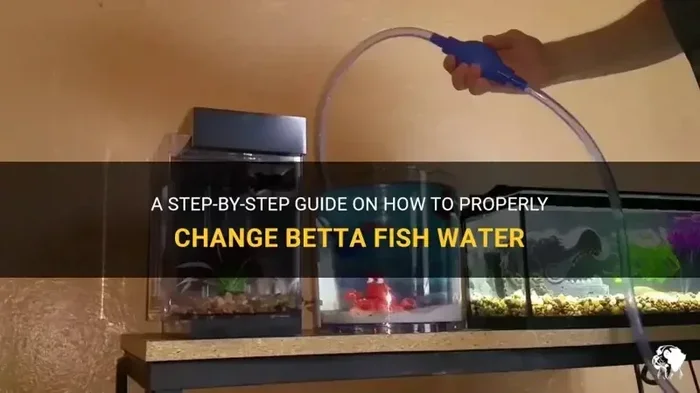
Here is a simple step-by-step process for a safe water change:
- Gather your supplies: a siphon or gravel vacuum, a bucket, and dechlorinated water at the right temperature.
- Siphon out about 25-30% of the tank water. Focus on areas with debris or waste buildup.
- Replace the removed water with fresh, treated water that matches the tank temperature.
- Use a water conditioner to neutralize chlorine and chloramine from tap water.
- Check the water temperature and pH levels after the change to make sure everything is stable.
If you are new to this, check out our guide on how to prepare water for a betta fish for detailed tips on getting the water ready safely.
What About Full Water Changes
Full water changes — where you remove all the water — should only be done in emergencies. For example, if your tank has dangerously high ammonia levels or if you are doing a deep clean. Routine full water changes can strip beneficial bacteria from your tank and crash your nitrogen cycle, which harms your fish.
Stick with partial water changes weekly. This keeps the aquarium water clean without disrupting the helpful bacteria that keep your tank balanced.
Water Parameters: What You Need to Know
Knowing how much water does betta fish need is important, but the quality of that water matters just as much. Bettas need specific water parameters to stay healthy and vibrant.
Key Water Parameters for Betta Fish
Here are the most important water parameters to monitor:
- Temperature: Bettas are tropical fish and need warm water, ideally between 78-80°F (25-27°C). A heater is essential for maintaining stable water temperature. Cold water slows down their metabolism and makes them vulnerable to illness.
- pH Level: The ideal pH for bettas is between 6.5 and 7.5. Sudden changes in pH can be very dangerous, so test your water regularly.
- Ammonia: Should always be at 0 ppm. Even small amounts of ammonia are toxic to bettas.
- Nitrite: Should also be at 0 ppm. Nitrite is a byproduct of the nitrogen cycle and is harmful in any quantity.
- Nitrate: Should be below 20 ppm. Regular water changes help keep nitrate levels in check.
Investing in a simple water test kit is one of the best things you can do for your betta. It takes the guesswork out of tank maintenance and helps you catch problems before they become serious.
Does a Betta Fish Need a Filter
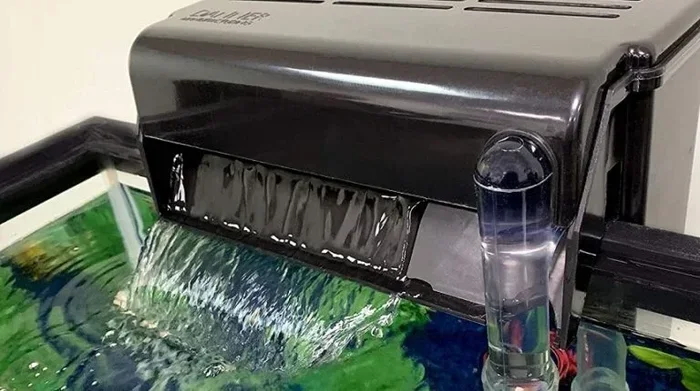
You might wonder whether a filter is necessary, especially in a smaller tank. The answer is yes. A filter helps circulate the water, removes debris, and hosts beneficial bacteria that break down toxic waste. This is especially important when you are working with a limited water volume.
However, bettas are not strong swimmers. A filter with too much flow can stress them out. Look for a gentle sponge filter or adjust the flow rate so it does not create a strong current. Your betta should be able to swim comfortably without being pushed around.
How Filtration Supports Water Quality
A good filter does more than just remove visible debris. It supports the nitrogen cycle, which is the biological process that converts toxic ammonia into less harmful nitrate. Without a filter, you would need to do water changes much more frequently to keep the water safe.
In a 5-gallon or larger tank, a small hang-on-back filter or sponge filter works well. Just make sure the intake is covered with a sponge so your betta does not get sucked in. For more on keeping your tank clean, read our article on why does my betta fish water get cloudy to understand common water clarity issues.
Common Mistakes People Make With Betta Water
Even well-meaning betta owners make mistakes when it comes to water. Here are some of the most common ones to avoid:
1. Using Untreated Tap Water
Tap water contains chlorine and chloramine, which are harmful to fish. Always use a water conditioner before adding tap water to your tank. Skipping this step can damage your betta’s gills and cause serious health problems.
2. Skipping Water Changes
Some owners think a filter alone is enough to keep the water clean. But filters do not remove dissolved waste completely. Regular partial water changes are essential for maintaining good water quality.
3. Overfeeding Your Betta
Extra food sinks to the bottom and decays, which raises ammonia levels. Feed your betta small amounts once or twice a day, and remove any uneaten food after a few minutes.
4. Not Cycling the Tank
Adding your betta to a new tank before it has been fully cycled is risky. The nitrogen cycle needs time to establish beneficial bacteria. Cycling your tank for 4-6 weeks before adding fish helps prevent ammonia and nitrite spikes.
5. Ignoring Temperature Stability
Bettas need consistent warmth. Placing the tank near a window, draft, or heat source can cause temperature fluctuations. Use a reliable aquarium heater and monitor the temperature daily.
If you want to learn more about maintaining clean and healthy water for your betta, check out our guide on how to take care of betta fish water for practical, easy-to-follow advice.
How Much Space Does a Betta Fish Need Beyond Water Volume
While we are focused on how much water does betta fish need, it is worth mentioning that water volume is not the only factor. Your betta also needs enough horizontal and vertical space to swim and explore. Bettas love to move around, and a tall tank with some plants and hiding spots makes them feel more secure.
For more on how space affects your betta, you can read our detailed guide on how much space does a betta fish really need. It covers everything from swimming room to the importance of enrichment in the tank.
Temperature also plays a big role in how comfortable your betta feels in its water. Warm, stable water helps your betta stay active and healthy. For specific temperature guidelines, visit our article on what temp water does a betta fish need.
How to Make Water Changes Easier and Safer
If you have ever felt overwhelmed by the idea of doing water changes, you are not alone. The good news is that once you build a routine, it becomes second nature. Here are some tips to make the process smoother:
- Use a gravel vacuum: This tool lets you remove water and debris at the same time. It is a game-changer for tank maintenance.
- Keep a spare bucket: Designate a bucket just for aquarium water changes. This prevents cross-contamination from household chemicals.
- Pre-treat your water: Fill the bucket with tap water and add conditioner the night before. This gives the water time to reach room temperature and for chlorine to dissipate.
- Set a schedule: Pick a day each week for water changes. Consistency is key to keeping water parameters stable.
- Take notes: Jot down your water change dates, amounts, and any parameter readings. Over time, this helps you spot trends and catch issues early.
These small habits add up to a big difference in your betta’s quality of life. Your fish will be more active, have better color, and live longer when the water is clean and well-maintained.
Final Thoughts on How Much Water Betta Fish Need
So, to answer the question how much water does betta fish need: give your betta at least 5 gallons of clean, properly treated water with stable temperature and parameters. A larger tank is always better, and regular partial water changes are essential for keeping the environment healthy.
Remember, your betta fish depends entirely on you for its water quality. The effort you put into maintaining the right water volume, filtration, and water changes directly impacts how long and how well your fish lives. A well-set-up tank is not just about looks — it is about giving your betta a safe, comfortable home.
Start with the basics: a 5-gallon tank or larger, a gentle filter, a heater, and a weekly water change routine. From there, you can expand and customize your setup as you grow more confident in your betta fish care skills. Your fish will thank you with vibrant colors, active swimming, and a long, healthy life.
Keep learning, keep observing, and most importantly, enjoy the process of creating the best possible home for your betta. For more tips on betta care, check out our article on how to take care of betta fish water and our guide on what kind of water does betta fish need for deeper insights into water quality and preparation.
Frequently Asked Questions
Can a betta fish live in a 1-gallon tank?
A betta can survive in a 1-gallon tank, but it is not ideal. Such a small water volume makes it very hard to maintain stable water parameters. Ammonia and toxin levels spike quickly, which stresses your fish and shortens its lifespan. A 5-gallon tank is the minimum recommended size for long-term health.
How often should I change my betta fish water?
For a 5-gallon tank, you should do a partial water change of 25-30% every week. Larger tanks may need less frequent changes, but consistency is key. Regular water changes remove waste, excess nutrients, and toxins that build up over time.
Does a betta fish need a heater in its water?
Yes, absolutely. Bettas are tropical fish and need warm water between 78-80°F. Without a heater, the water temperature can drop, which slows your betta’s metabolism and makes it vulnerable to diseases. A reliable aquarium heater is essential for any betta setup.
Can I use tap water directly for my betta fish tank?
No, you should never use untreated tap water. Tap water contains chlorine and chloramine that are harmful to fish. Always use a water conditioner to neutralize these chemicals before adding tap water to your tank. This is one of the most important steps in betta fish care.
How do I know if my betta fish water is clean?
The best way to check is by testing the water with a water test kit. Look for ammonia and nitrite levels at 0 ppm, and nitrate below 20 ppm. Clear water does not always mean clean water, so regular testing is essential for maintaining good water quality.
What is the best water for betta fish?
The best water for betta fish is dechlorinated tap water or treated aquarium water that has been properly conditioned. The key is to remove harmful chemicals and maintain stable water parameters including temperature, pH, and ammonia levels. For more details, read our guide on what kind of water does betta fish need.