How Long Does Water Have to Sit for Betta Fish
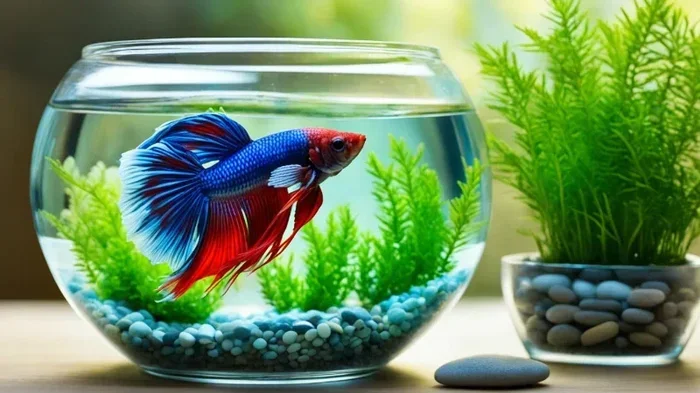
Water should sit for at least 24 hours before adding betta fish to allow chlorine and harmful chemicals to dissipate naturally. The exact time depends on your water source, temperature, and whether you use a water conditioner. This guide covers everything you need to know about prepping water for betta fish safely and effectively.
If you own a betta fish, you already know that water quality is everything. One question new betta owners ask constantly is, “how long does water have to sit for betta fish?” The answer is not as simple as a single number. Several factors play a role, including your water source, the method you use to treat it, and the temperature of your tank.
In this guide, we will walk through everything you need to know about letting water sit before adding it to your betta tank. We will cover the science behind water treatment, the fastest methods, and common mistakes to avoid. By the end, you will feel confident preparing safe water for your betta every single time.
Let us start with the basics. Why does water even need to sit in the first place? The answer comes down to chemicals. Most municipal water supplies use chlorine or chloramine to make water safe for humans. These chemicals are great for killing bacteria in our drinking water. But they are very harmful to fish.
When you fill a bucket or container with tap water and let it sit, chlorine naturally evaporates into the air. This process is called off-gassing. Over time, the chlorine concentration drops to a level that is much safer for aquatic life.
Key Takeaways
- 24 hours minimum: Tap water needs at least 24 hours to sit before it is safe for betta fish.
- Chlorine is the main concern: Municipal tap water contains chlorine that can harm or kill betta fish.
- Water conditioners speed up the process: Using a conditioner lets you add water to the tank immediately.
- Temperature matters too: Water should be matched to the tank temperature, ideally around 78-80°F.
- Aerating helps: Using an air stone or filter can reduce wait time by increasing gas exchange.
- Never use untreated tap water directly: Even small amounts of chlorine can stress your betta.
📑 Table of Contents
- Why Does Water Need to Sit Before Adding Betta Fish?
- How Long Should You Let Water Sit for Betta Fish?
- How to Speed Up the Water Sitting Process
- Common Mistakes When Preparing Water for Betta Fish
- The Best Water for Betta Fish
- How to Properly Add New Water to Your Betta Tank
- Do You Always Need to Let Water Sit?
- Expert Tips for Betta Water Preparation
- Conclusion
Why Does Water Need to Sit Before Adding Betta Fish?
The main reason water needs to sit is chlorine removal. But there is more to it than that. Let us break down the key reasons why sitting water matters for your betta.
Chlorine and Chloramine Removal
Chlorine is a disinfectant added to most city water supplies. It is designed to kill pathogens. Unfortunately, it does not care whether it is killing harmful bacteria or the good bacteria in your fish tank. Chlorine damages the gills of betta fish. It strips away their protective slime coat. This leaves them vulnerable to infections and disease.
Chloramine is a combination of chlorine and ammonia. It is even more stubborn than plain chlorine. Many water treatment facilities now use chloramine because it lasts longer in the water supply. Chloramine does not evaporate as quickly as chlorine alone. This means simply letting water sit may not remove it completely.
This is why many betta keepers prefer to use a water conditioner. Products like Seachem Prime or API Water Conditioner neutralize both chlorine and chloramine instantly. They also detoxify ammonia. This makes tap water safe the moment you add it to the tank.
The Role of pH and Water Chemistry
Letting water sit does more than just remove chlorine. It also allows the water temperature to stabilize. It gives dissolved gases like carbon dioxide a chance to escape. This can slightly shift the pH of the water. For betta fish, stable pH is critical. Sudden pH swings can cause stress and even death.
Betta fish thrive in water with a pH between 6.5 and 7.5. Sitting water helps bring it closer to a stable state. It also allows you to test the water before adding your fish. This extra step can save you a lot of trouble down the road.
Ammonia and Nitrite Buildup
When water sits, beneficial bacteria begin to colonize the container. These bacteria play a role in the nitrogen cycle. They help convert toxic ammonia into less harmful nitrite and then nitrate. While a small bucket of sitting water will not develop a full biological filter, it does start the early stages of this process.
For betta fish, ammonia is extremely dangerous. Even low levels can burn their gills and cause respiratory distress. Letting water sit for a full day gives the water a slight head start in building beneficial bacteria. This is especially helpful if you are setting up a new tank.
How Long Should You Let Water Sit for Betta Fish?
The general rule is 24 hours. This gives chlorine enough time to fully evaporate from the water. But the exact time can vary based on several factors. Let us look at what affects the waiting period.
Factors That Affect Sitting Time
- Water source: Municipal tap water usually takes 24 hours. Well water may need longer testing.
- Chlorine vs. chloramine: Chlorine evaporates faster. Chloramine can take 48 hours or more.
- Water temperature: Warmer water releases chlorine faster than cold water.
- Container size: A wide-open container allows more surface area for gas exchange.
- Air circulation: Using an air stone or fan speeds up chlorine removal significantly.
Quick Comparison Table
Here is a simple breakdown of how long different water types need to sit before they are safe for betta fish:
- Tap water (chlorine only): 24 hours minimum
- Tap water (chloramine): 48 hours or use a conditioner
- Filtered water (RO/DI): Ready to use after remineralization
- Spring water: Test first, usually ready after 12-24 hours
- Dechlorinated tap water: Ready immediately with a water conditioner
As you can see, the answer depends heavily on your situation. If you use a good water conditioner, you can skip the waiting time entirely. This is the fastest and most reliable method. For those who prefer the natural approach, 24 hours is your best bet.
How to Speed Up the Water Sitting Process
Waiting 24 hours can feel like a long time, especially when you are eager to set up your betta tank. The good news is there are ways to speed things up without compromising water safety.
Use an Air Stone or Sponge Filter
Adding an air stone to the container of sitting water dramatically increases gas exchange. The bubbles agitate the water surface, which helps chlorine escape faster. With a strong air stone, you can reduce the waiting time to about 12 hours. Some experienced fish keepers report even faster results.
Increase Surface Area
Chlorine escapes through the water surface. The more surface area you expose to air, the faster it evaporates. Pouring water back and forth between two containers is a classic trick. It splashes the water and increases exposure to air. You can also use a wide, shallow container instead of a tall narrow one.
Heat the Water First
Warmer water releases dissolved gases faster, including chlorine. If you heat your tap water to room temperature or slightly above before letting it sit, the chlorine will evaporate more quickly. Just be careful not to overheat the water. Betta fish prefer temperatures between 78 and 80 degrees Fahrenheit.
Use a Water Conditioner
This is the best shortcut. A quality water conditioner neutralizes chlorine and chloramine instantly. You do not need to wait at all. Simply add the conditioner to the tap water, stir it, and it is ready for your betta. This method also detoxifies heavy metals and ammonia. It is the go-to choice for most betta fish owners.
If you want to learn more about using conditioner properly, check out our guide on how to use tap water conditioner for betta fish. It covers dosing, timing, and product recommendations in detail.
Common Mistakes When Preparing Water for Betta Fish
Even experienced fish keepers make mistakes sometimes. Here are the most common errors people make when preparing water for their betta. Avoiding these will save you time and protect your fish.
Using Soap or Cleaning Chemicals
Never wash your water container with soap or detergent. Even a tiny residue can be lethal to betta fish. Soap disrupts the gill function and destroys the slime coat. Always rinse containers with plain water only. Better yet, designate one container exclusively for fish water.
Skipping the Water Test
Many beginners assume that if the water looks clear, it is safe. This is not true. Chlorine and chloramine are invisible. You cannot see them. Ammonia and nitrite are also colorless. Use a liquid test kit to check your water parameters before adding it to the tank. A simple master test kit costs under 30 dollars and is worth every penny.
Not Matching the Temperature
Betta fish are tropical fish. They need warm, stable water. If you add cold water to a warm tank, it causes thermal shock. This stress can weaken your betta’s immune system. Always let the water reach the same temperature as the tank before adding it. Use a thermometer to be sure.
Using Distilled Water Without Remineralization
Distilled water is pure H2O. It has no minerals or trace elements. Betta fish need certain minerals for healthy gill function and osmoregulation. If you use distilled water, you must remineralize it with a product like Seachem Equilibrium or Wonder Shell. Never add distilled water directly to the tank.
Letting Water Sit Too Long
While 24 hours is ideal, letting water sit for days can actually cause problems. Dissolved oxygen drops over time. The pH can shift. Bacteria can start to grow in the container. It is best to prepare fresh water every 1 to 2 days. Do not let it sit for more than 48 hours.
If you are unsure about how often to change your betta’s water, our article on how often to change water for betta fish has everything you need to know.
The Best Water for Betta Fish
Not all water is created equal when it comes to betta fish care. Let us look at the best water options and how they compare.
Tap Water
Tap water is the most common and affordable option. It is readily available and easy to treat. The main downside is the need for dechlorination. With a good water conditioner, tap water becomes an excellent choice for betta fish. Most municipal water supplies are perfectly safe for aquarium use after treatment.
Spring Water
Spring water is naturally filtered through rock and soil. It contains beneficial minerals. However, the mineral content varies widely by brand and source. Some spring waters are too soft for betta fish. Others may have high pH or dissolved solids. Always test spring water before using it. If you buy spring water, check the label for added minerals or treatments.
RO/DI Water
Reverse osmosis and deionized water is extremely pure. It removes almost everything, including harmful contaminants. This is great for controlling water parameters precisely. However, RO/DI water must be remineralized before use. It lacks the essential minerals betta fish need. This option works best for experienced keepers who want full control over their water chemistry.
Well Water
If you use well water, you have more variables to consider. Well water is not treated with chlorine or chloramine. But it may contain high levels of iron, sulfur, or other minerals. Test well water thoroughly before using it for your betta tank. In some cases, well water needs filtration before it is safe for fish.
For a deeper dive into choosing the right water, read our article on what water to use for a betta fish. It covers each option in detail with practical recommendations.
How to Properly Add New Water to Your Betta Tank
Once your water has sat and is ready, the next step is adding it correctly. How you introduce new water matters just as much as how long it sat.
- Test the water: Use a test kit to check chlorine, ammonia, nitrite, nitrate, and pH levels.
- Match the temperature: Adjust the new water to match the tank temperature. Use a thermometer.
- Add conditioner if needed: Dose the water conditioner according to the product instructions.
- Pour gently: Use a cup or turkey baster to add water slowly. Avoid disturbing your betta too much.
- Observe your fish: Watch your betta for 30 minutes after the water change. Look for signs of stress like rapid breathing or hiding.
If you want a step-by-step walkthrough of the entire water change process, our guide on how to do a water change for betta fish is a great resource.
Do You Always Need to Let Water Sit?
Here is the honest answer. No, you do not always need to let water sit. If you use a quality water conditioner, the water is safe immediately. The conditioner neutralizes chlorine, chloramine, and heavy metals on contact. This means you can add treated tap water straight to the tank without waiting.
However, there are still good reasons to let water sit even when using conditioner. Letting water reach room temperature prevents thermal shock. Allowing dissolved gases to off-gas can improve water clarity. And simply matching the pH of your tank water reduces stress on your betta.
So while sitting water is not always mandatory, it is still a best practice. The extra 24 hours gives you a buffer of safety. It is a small effort that pays big dividends in fish health and longevity.
Expert Tips for Betta Water Preparation
Here are some pro tips that experienced betta keepers swear by. These small habits make a big difference over time.
- Always use a liquid test kit: Test strips are convenient but less accurate. A liquid kit like the API Master Test Kit gives you precise readings.
- Keep a dedicated water container: Having a clean container set aside just for fish water prevents contamination from household chemicals.
- Pre-mix water the night before: Prepare the water the evening before a water change. This gives it time to dechlorinate and reach room temperature.
- Use a gravel vacuum during water changes: This removes debris and waste from the substrate while you replace old water.
- Keep a log of water parameters: Tracking your water tests helps you spot trends and catch problems early.
If you are interested in learning more about betta fish care basics, check out our how to care for a betta fish 101 guide. It covers everything from feeding to tank setup.
For those wondering about the bigger picture of betta fish health, our article on how to properly care for betta fish dives deep into all aspects of keeping your betta happy and healthy.
Conclusion
So, how long does water have to sit for betta fish? The short answer is 24 hours for tap water without conditioner. With a water conditioner, you can add water immediately. The key is making sure chlorine and chloramine are removed before your betta ever touches the water.
Taking the time to properly prepare your water is one of the simplest and most impactful things you can do for your betta fish. It prevents stress, disease, and unnecessary health problems. Your betta will live a longer, happier life when you get the basics right.
Make water preparation a regular habit. Test your water, treat it properly, and always match the temperature. These small steps add up to a thriving betta tank. Your fish will thank you for it.
Remember, healthy water equals a healthy betta. Take the extra few minutes to let your water sit or treat it with a conditioner. Your future self and your fish will be glad you did.
Frequently Asked Questions
Can I add my betta fish to water that has only sat for 12 hours?
It depends on your water source and method. If you use a water conditioner, 12 hours is fine because the conditioner neutralizes chlorine instantly. If you are relying on natural evaporation, 24 hours is safer. Chlorine needs time to fully dissipate from the water.
What happens if I put betta fish in water that has not sat long enough?
Untreated tap water contains chlorine and chloramine that can damage your betta’s gills. Symptoms include rapid breathing, lethargy, loss of color, and clamped fins. In severe cases, it can be fatal. Always treat or let water sit before adding your fish.
Does boiling water remove chlorine faster?
Yes, boiling water removes chlorine much faster than letting it sit. However, boiling also removes oxygen and can change the mineral content. Let the boiled water cool completely before adding it to your betta tank. This method works in emergencies but is not ideal for daily use.
Can I use a dechlorinator instead of letting water sit?
Absolutely. A dechlorinator or water conditioner is the fastest and most reliable method. It neutralizes chlorine, chloramine, and heavy metals instantly. You can add treated tap water directly to the tank without any waiting period. This is the preferred method for most betta fish keepers.
How long can prepared water sit before it goes bad for betta fish?
Prepared water is best used within 48 hours. After that, dissolved oxygen levels drop and pH can shift. Bacteria can also begin to grow in the container. For the safest results, always prepare fresh water every one to two days.
Is filtered water better than tap water for betta fish?
Filtered water like RO/DI is very pure but lacks essential minerals. You would need to remineralize it before use. Tap water treated with a conditioner is perfectly fine for most betta fish. Spring water can work well too but should be tested first for mineral content and pH.