How Long Does Water Need to Sit for Betta Fish
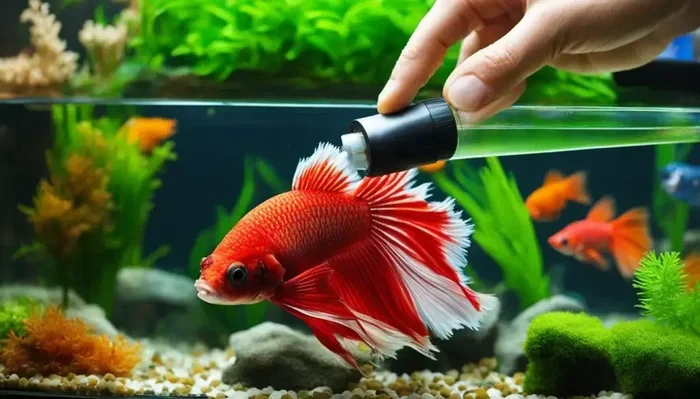
Water should sit for at least 24 hours before adding it to a betta fish tank. This resting period allows chlorine and harmful gases to evaporate naturally. Letting water sit for betta fish is one of the simplest yet most important steps in keeping your fish healthy and happy.
If you own a betta fish, you have probably wondered about the water you put in their tank. One of the most common questions new betta owners ask is: how long does water need to sit for betta fish? The answer matters more than most people realize. Fresh tap water contains chemicals that can harm or even kill your betta. Giving water time to sit is a simple step that makes a huge difference. In this guide, we will walk you through everything you need to know about letting water sit before adding it to your betta tank.
Letting water sit for betta fish is not just a recommendation — it is a best practice that every betta owner should follow. Whether you are setting up a new tank or doing a routine water change, the waiting period plays a key role in keeping your fish safe. We will cover exactly how long to wait, why it matters, and what can go wrong if you skip this step. By the end, you will feel confident about preparing the perfect water for your betta.
Key Takeaways
- Let water sit for 24 hours minimum to remove chlorine and harmful chemicals before adding it to your betta tank.
- Water temperature matters — room temperature water is ideal, but you may need to adjust it slightly for your betta.
- Using a water conditioner can speed up the process and make tap water safe almost instantly.
- Never use freshly drawn tap water directly in your betta tank without treating or letting it sit first.
- Storing water in an open container helps chlorine evaporate faster during the waiting period.
- Regular water changes are just as important as letting water sit properly for long-term betta health.
📑 Table of Contents
- Why Does Water Need to Sit for Betta Fish?
- How Long Should You Let Water Sit for Betta Fish?
- What Happens If You Don’t Let Water Sit?
- How to Properly Let Water Sit for Your Betta
- Quick Tips for Better Water Quality
- Common Mistakes to Avoid When Letting Water Sit
- Expert Insights on Water Preparation for Betta Fish
- How to Know If Your Water Is Ready for Your Betta
- Conclusion
Why Does Water Need to Sit for Betta Fish?
Tap water goes through a treatment process before it reaches your home. Water treatment facilities add chlorine and chloramine to kill bacteria and make the water safe for humans. These chemicals are great for us, but they are harmful to betta fish. Even small amounts of chlorine can damage your betta’s gills and skin. Over time, exposure to untreated tap water can lead to serious health problems or death.
When water sits in an open container, chlorine naturally evaporates into the air. This process takes time, which is why letting water rest is so important. Additionally, gases like ammonia can build up in freshly treated water. Allowing water to sit helps release these trapped gases. The result is water that is much safer for your betta fish to live in.
Another reason water needs to sit is temperature stabilization. Betta fish are tropical creatures that thrive in warm water. Fresh tap water is often cooler than what your betta needs. Letting it sit gives the water time to reach room temperature. This prevents temperature shock when you add it to the tank. Stable water temperature is one of the most important factors in betta care.
The Role of Chlorine and Chloramine
Chlorine is a fast-acting gas that dissipates relatively quickly. It usually evaporates from water within 24 to 48 hours. Chloramine, on the other hand, is a combination of chlorine and ammonia. It is more stable and takes longer to break down. Many municipal water systems now use chloramine instead of chlorine alone because it lasts longer in the water supply.
This means that simply letting water sit may not remove chloramine completely. For betta fish owners, this is an important distinction. You may need to use a water conditioner in addition to letting water sit. A good conditioner neutralizes both chlorine and chloramine instantly. This gives you peace of mind that your betta’s water is truly safe.
How Long Should You Let Water Sit for Betta Fish?
The standard recommendation is to let water sit for at least 24 hours before adding it to your betta tank. This gives chlorine enough time to evaporate fully. For water treated with chloramine, 24 hours may not be enough. In those cases, using a water conditioner alongside the sitting period is the safest approach.
Some experienced betta keepers let water sit for up to 48 hours. This extra time ensures that all harmful chemicals are gone. It also allows the water to reach a stable temperature. The longer you let water sit, the safer it generally is for your fish. However, 24 hours is the minimum you should aim for in most cases.
If you are in a hurry, there are ways to speed up the process. Using a water conditioner can make tap water safe in minutes. You can also aerate the water by bubbling air through it. This increases the surface area and helps chlorine escape faster. Still, nothing beats the simplicity of just letting water sit overnight.
Factors That Affect Sitting Time
Several factors can change how long water needs to sit before it is safe for betta fish:
- Chlorine levels in your tap water: Higher chlorine concentrations require more sitting time.
- Use of chloramine: Water treated with chloramine needs longer or a conditioner to neutralize it.
- Room temperature: Cooler rooms slow evaporation, while warmer rooms speed it up.
- Container size and shape: A wide, shallow container lets water sit faster than a tall, narrow one.
- Air circulation: A room with good airflow helps chlorine evaporate more quickly.
- Whether the container is covered or open: An open container allows gases to escape freely.
What Happens If You Don’t Let Water Sit?
Adding untreated tap water directly to your betta tank can cause serious problems. The most immediate effect is irritation to the fish’s gills and scales. You may notice your betta gasping at the surface or rubbing against decorations. These are signs that the water quality is poor and harmful chemicals are present.
Over time, exposure to chlorine and chloramine can lead to long-term health issues. Your betta’s immune system may weaken, making it more susceptible to diseases. Fin rot, fungal infections, and bacterial illnesses become more likely in fish kept in untreated water. In severe cases, untreated water can be fatal within hours.
Another risk is ammonia poisoning. Chloramine contains ammonia, which is highly toxic to betta fish. Even small amounts can cause damage to the gills and internal organs. Symptoms of ammonia poisoning include red or inflamed gills, lethargy, loss of appetite, and rapid breathing. If you notice any of these signs, a water change with properly treated water is essential.
Temperature shock is another danger of adding cold tap water directly to a warm betta tank. Sudden temperature drops can stress your fish and weaken their immune system. Always let water reach room temperature before introducing it to the tank. This simple step can prevent a lot of unnecessary stress for your betta.
How to Properly Let Water Sit for Your Betta
Follow these simple steps to make sure your water is safe and ready for your betta fish tank:
- Fill a clean container with tap water. Use a bucket, pitcher, or any clean vessel that has not been washed with soap. Soap residue is extremely harmful to fish.
- Leave the container uncovered. An open container allows chlorine and other gases to escape into the air. Covering the container traps these gases inside.
- Let the water sit for at least 24 hours. Place the container at room temperature in a well-ventilated area. Avoid direct sunlight, which can promote algae growth.
- Check the water temperature. Before adding the water to your tank, make sure it matches the temperature of your betta tank. Bettas thrive in water between 78 and 80 degrees Fahrenheit.
- Add a water conditioner if needed. If you are short on time or your water contains chloramine, use a conditioner to neutralize harmful chemicals instantly.
- Add the water to your tank gently. Pour slowly to avoid disturbing your betta or the tank decorations. You can use a cup or a siphon for a controlled flow.
Using a Water Conditioner for Faster Results
If you do not want to wait 24 hours, a water conditioner is your best friend. These products are designed to neutralize chlorine, chloramine, and heavy metals in tap water instantly. You simply add the recommended dose to the water, and it is ready to use right away.
Many betta keepers use conditioner as their primary method of water preparation. It is fast, effective, and removes the guesswork. However, even with a conditioner, letting water sit for a few hours can still be beneficial. It helps the water reach the right temperature and allows any remaining traces of gas to dissipate. For the best results, combine both methods — let water sit and use a conditioner.
If you want to learn more about using conditioner properly, check out our guide on how to condition tap water for betta fish. It covers dosing, timing, and the best products on the market.
Quick Tips for Better Water Quality
Keeping your betta’s water clean goes beyond just letting it sit. Here are some quick tips to improve your overall water quality routine:
- Test your water regularly. Use a liquid test kit to check pH, ammonia, nitrite, and nitrate levels. This helps you catch problems before they affect your fish.
- Do partial water changes weekly. Replace about 25 to 30 percent of the tank water every week. This keeps waste buildup in check and maintains stable parameters.
- Use a gravel vacuum during water changes. This removes debris and uneaten food from the substrate, keeping the tank clean.
- Avoid sudden water parameter changes. Bettas are sensitive to shifts in pH and hardness. Make changes gradually to prevent stress.
- Store prepared water in a clean, covered container. If you prepare water in advance, keep it free from dust and contaminants.
- Let water reach room temperature before adding it. This prevents temperature shock and keeps your betta comfortable.
For more detailed advice on maintaining clean water, read our article on how to do a water change for betta fish. It walks you through the entire process step by step.
Common Mistakes to Avoid When Letting Water Sit
Even with the best intentions, mistakes can happen. Here are some common errors betta owners make when preparing water:
Using soapy containers. Never use a bucket or container that has been cleaned with soap or detergent. Even a small amount of residue can be lethal to your betta. Always rinse containers thoroughly with plain water before use.
Covering the container. As mentioned earlier, an open container is essential for chlorine evaporation. Covering it traps gases inside and defeats the purpose of letting water sit. Use a loose cloth or paper towel if you need to keep dust out.
Not waiting long enough. Some owners let water sit for only a few hours and assume it is safe. Chlorine needs at least 24 hours to fully dissipate. Be patient and give the water the time it needs.
Ignoring water temperature. Adding cold water to a warm tank can shock your betta. Always match the temperature of the new water to the existing tank water. A simple thermometer can help you check this accurately.
Relying solely on sitting time for chloramine-treated water. If your municipal water uses chloramine, sitting alone may not remove it completely. Always use a conditioner that specifically targets chloramine in these cases.
Avoiding these mistakes will go a long way in keeping your betta healthy and stress-free. Proper water preparation is the foundation of good betta care.
Expert Insights on Water Preparation for Betta Fish
Experienced betta keepers agree that water preparation is one of the most overlooked aspects of fish care. Many beginners focus on tank size, decorations, and feeding, but forget about the water their fish live in every single day. The truth is, water quality directly impacts your betta’s health, color, and lifespan.
Veterinarians and aquatic specialists recommend letting water sit for a minimum of 24 hours as a baseline. They also advise using a water conditioner as a backup, especially in areas where chloramine is used. Testing water parameters regularly gives you data to back up your preparation routine. It removes the guesswork and gives you confidence that your tank environment is safe.
For those who want to dive deeper into betta care fundamentals, our how to care for a betta fish 101 guide covers all the essentials, including water quality, feeding, and tank setup.
How to Know If Your Water Is Ready for Your Betta
Before adding prepared water to your betta tank, do a quick check to make sure it is safe:
- Smell the water. Freshly treated tap water should have no strong chemical odor. If you smell chlorine, let it sit longer.
- Check the temperature. Use a thermometer to confirm the water matches your tank temperature.
- Look at the water clarity. The water should be clear and free of any cloudiness or discoloration.
- Use a test strip. A simple test strip can confirm that chlorine levels have dropped to zero.
Once all these checks pass, your water is ready. Add it to your tank slowly and observe your betta for any signs of stress. Healthy bettas should swim normally and explore their environment within a few minutes of a water change.
Conclusion
Letting water sit for betta fish is one of the easiest and most important things you can do as a betta owner. The 24-hour waiting period allows harmful chemicals like chlorine and chloramine to evaporate, giving your fish a safe and healthy environment. Combined with a good water conditioner and regular testing, this simple habit can significantly improve your betta’s quality of life.
Remember that every step you take in water preparation contributes to your betta’s overall well-being. From letting water sit to maintaining stable temperatures, each action shows your fish that you care. Start making water preparation a priority in your routine, and you will notice a difference in your betta’s energy, color, and longevity.
Keep learning, keep caring, and enjoy the rewarding experience of keeping a happy, healthy betta fish. For more tips on betta care, explore our other guides on how to prepare water for betta fish and how often to change water for betta fish.
Frequently Asked Questions
Can I use a water conditioner instead of letting water sit?
Yes, a water conditioner neutralizes chlorine and chloramine almost instantly. However, letting water sit for a few hours still helps stabilize the temperature. For the best results, use both methods together. This ensures your betta gets water that is both chemically safe and thermally stable.
How long does it take for chlorine to evaporate from water?
Chlorine typically evaporates from tap water within 24 to 48 hours when left in an open container. The exact time depends on the chlorine concentration, room temperature, and air circulation. Warmer rooms with good airflow will see faster evaporation. For safety, always wait at least 24 hours before adding the water to your betta tank.
What happens if I add untreated tap water directly to my betta tank?
Untreated tap water contains chlorine and chloramine that can damage your betta’s gills and skin. Immediate effects include gasping, irritation, and stress. Long-term exposure can lead to disease and even death. Always let water sit or use a conditioner before adding it to the tank.
Does boiling water remove chlorine faster?
Yes, boiling water can remove chlorine quickly — usually within 15 to 20 minutes. However, boiling is not always practical for large water changes. It also does not remove chloramine effectively. For most betta owners, letting water sit for 24 hours or using a conditioner is a simpler and more reliable method.
Can I store water that has been sitting for later use?
Yes, you can store pre-sitting water in a clean, covered container. However, keep in mind that stored water may reabsorb gases over time. It is best to use stored water within a few days. Always check the temperature and clarity before adding it to your betta tank.
How often should I change my betta’s water?
Most experts recommend doing a partial water change of 25 to 30 percent every week. This helps maintain stable water parameters and removes waste buildup. For more detailed guidance, check out our article on how often to change water for betta fish. Consistency is key to keeping your betta healthy.