How Long Does a Half Moon Betta Fish Live
The average half moon betta fish lives between 3 and 5 years with proper care. Their lifespan depends heavily on tank conditions, diet, water quality, and genetics. By following the right setup and feeding habits, you can give your half moon betta the best chance at a long, healthy life.
A half moon betta fish is one of the most stunning freshwater fish you can keep at home. Their dramatic, fan-like tail spread that opens to a perfect 180 degrees makes them a favorite among hobbyists. But beyond their beauty, a common question keeps coming up: how long does a half moon betta fish live? The answer depends on several important factors that every owner should understand.
If you are planning to bring home a half moon betta, knowing what affects their lifespan puts you ahead from day one. This guide covers everything from tank setup and diet to common health issues and proven care strategies. By the end, you will know exactly how to help your half moon betta thrive for years.
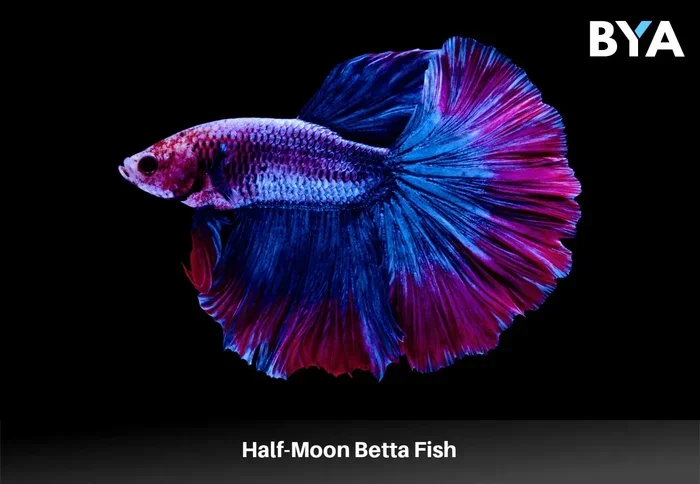
Half moon bettas belong to the Betta splendens species, and they are specifically bred for their unique tail shape. Unlike other betta varieties, the half moon’s caudal fin extends outward in a half-circle formation. This distinctive look comes from careful selective breeding over many generations. Understanding their background helps you appreciate why their care needs are slightly different from standard bettas.
## What Is the Average Lifespan of a Half Moon Betta Fish?
The typical half moon betta fish lives between 3 and 5 years. This range applies to fish kept in well-maintained aquariums with proper care. Some individual fish may push past 5 years with exceptional attention to their environment and nutrition.
Several factors determine where a specific fish falls within that range. Genetics, tank conditions, water parameters, and daily care routines all play a role. Let us break down each of these so you know exactly what to focus on.
### Genetics and Breeding Background
Just like people, betta fish inherit certain traits from their parents. Fish from reputable breeders tend to have stronger genetics and fewer inherited health issues. When you buy from a trusted source, you give your half moon betta a better foundation for a long life.
Avoid purchasing fish from mass-market stores that do not prioritize breeding health. Poor breeding practices can lead to weakened immune systems and shorter lifespans. Always ask where your fish comes from before bringing it home.
### How Tank Size Affects Lifespan
Many beginners keep bettas in tiny bowls, and this is one of the fastest ways to shorten a fish’s life. A half moon betta needs at least a 5-gallon tank to stay healthy. Smaller containers lead to toxin buildup, stress, and disease.
If you want your betta to live a full lifespan, invest in a properly sized aquarium. A 5-gallon tank gives your fish room to swim and explore. It also makes it easier to maintain stable water conditions. Check out our guide on how long betta fish live in a 5 gallon tank for more specific insights on tank size and longevity.
### The Role of Water Quality
Clean water is the single most important factor in extending your half moon betta’s life. Dirty water contains ammonia and nitrite, which damage a fish’s gills and organs over time. Regular water changes and proper filtration keep these toxins at bay.
Test your water parameters weekly. Keep ammonia and nitrite at zero, and maintain nitrates below 20 parts per million. A stable cycle in your tank prevents the water quality swings that stress your fish and lead to illness.
## Setting Up the Ideal Tank for Your Half Moon Betta
Creating the right environment goes beyond just picking a tank size. Every detail in the setup contributes to your fish’s comfort and overall health. A well-designed tank reduces stress and supports a strong immune system.
### Heating and Temperature Control
Half moon bettas are tropical fish, and they need warm water to thrive. Keep the temperature between 78 and 80 degrees Fahrenheit at all times. Sudden drops or fluctuations can weaken their immune system and make them vulnerable to illness.
Use a reliable aquarium heater with a thermostat. Avoid placing the tank near windows, vents, or drafty areas. Temperature stability is just as important as the temperature number itself.
### Filtration Without Strong Currents
Bettas are not strong swimmers, and they dislike powerful water flow. Choose a filter with an adjustable output or use a sponge filter. This keeps the water clean without creating a current that exhausts your fish.
A gentle filter also helps distribute heat evenly throughout the tank. Combined with a heater, it creates a stable, comfortable environment that supports long-term health.
### Decorations and Hiding Spots
Half moon bettas appreciate a well-planted tank with places to explore. Live plants like Java fern and Anubias work great because they thrive in warm water and do not require intense lighting. Plants also help absorb nitrates, improving water quality naturally.
Add a few smooth rocks and caves for hiding spots. Bettas feel safer in environments where they can retreat when they need rest. A stressed fish is more prone to disease, so making your tank a comfortable home pays off directly in lifespan.
## Feeding Your Half Moon Betta for a Long Life
Diet is one of the most overlooked factors in betta fish longevity. What you feed your fish and how often you feed it directly impacts their energy, color, and overall health. A poor diet leads to obesity, nutritional deficiencies, and a weakened immune system.
### Best Foods for Half Moon Bettas
High-quality betta pellets should form the foundation of your fish’s diet. Look for pellets with a high protein content and minimal fillers. Brands that list fish meal or shrimp meal as the first ingredient are usually excellent choices.
Supplement their diet with frozen or live foods like brine shrimp and bloodworms. These provide essential nutrients and mimic what bettas would eat in the wild. Variety in their diet keeps them healthy and engaged during feeding time.
### Feeding Schedule and Portions
Overfeeding is one of the most common mistakes betta owners make. Feed your half moon betta 2 to 3 pellets twice a day. Skip one feeding day per week to help their digestive system process any buildup.
Uneaten food decays quickly and pollutes the water. Remove any food that your fish does not eat within a few minutes. A consistent, measured feeding routine prevents many health problems down the road.
## Common Health Issues That Shorten Lifespan
Even with the best care, half moon bettas can face health challenges. Knowing the warning signs early gives you the best chance to treat problems before they become serious.
### Ich and Fungal Infections
Ich, also known as white spot disease, is one of the most common ailments in aquarium fish. It appears as tiny white spots on the fins and body. Fungal infections show up as fluffy white or gray growths on the skin.
Both conditions thrive in stressed or poorly maintained tanks. Raise the temperature slightly to around 82 degrees and treat with appropriate medication. Early intervention usually leads to a full recovery.
### Fin Rot and Tail Damage
Half moon bettas have large, delicate fins that are vulnerable to damage. Fin rot causes the edges of the fins to appear ragged, dark, or melted. It is usually caused by poor water quality or bacterial infection.
Regular water changes and a clean tank prevent most cases of fin rot. If you notice early signs, a water change and mild antibacterial treatment often resolve the issue quickly.
### Swim Bladder Disorder
Swim bladder problems cause your betta to float sideways or struggle to maintain balance. This condition is often linked to overfeeding or constipation. Feeding a small amount of shelled pea can help relieve constipation in many cases.
Preventing swim bladder issues comes down to proper feeding habits and a clean tank. If the problem persists, check your water parameters to rule out environmental causes.
## How Long Do Half Moon Bettas Live in the Wild?
Wild bettas face very different challenges compared to captive fish. In their natural habitat across Southeast Asia, bettas live in shallow rice paddies, slow-moving streams, and floodplains. Their lifespan in the wild is generally shorter, often around 2 to 3 years.
Harsh environmental conditions, predation, disease, and limited food resources all contribute to a shorter wild lifespan. Captive bettas benefit from stable temperatures, regular meals, and protection from predators. This is why a well-cared-for pet betta can significantly outlive its wild counterparts. Learn more about how long betta fish live in the wild to understand the contrast between wild and captive care.
## Male vs Female Half Moon Betta Lifespan
There is a common belief that male half moon bettas live longer than females, but the truth is more nuanced. Males tend to receive better care in captivity because they are more colorful and visually striking. This often leads to slightly longer average lifespans for males.
Female half moon bettas can live just as long when given the same quality of care. The difference usually comes down to how they are kept, not their biology. Female bettas are sometimes kept in groups called sororities, which requires a larger tank and careful monitoring.
For more details on gender-specific lifespan differences, check out our article on how long female betta fish live. Understanding both sexes helps you provide the best care regardless of your fish’s gender.
## Expert Tips to Maximize Your Half Moon Betta’s Lifespan
Going beyond the basics can make a real difference in how long your half moon betta lives. Experienced hobbyists follow a few extra practices that set their fish up for a longer, healthier life.
### Quarantine New Fish Before Adding Them
If you plan to add new fish to your tank, always quarantine them first. New arrivals can carry diseases that spread quickly to your existing fish. A separate quarantine tank for 2 to 4 weeks helps you catch problems early.
### Perform Regular Maintenance
Do not wait until something looks wrong to maintain your tank. Schedule partial water changes every week or every other week. Clean the substrate, trim plants, and check equipment regularly. Consistent maintenance prevents problems before they start.
### Observe Your Fish Daily
Spend a few minutes each day watching your betta. Look for changes in behavior, appetite, color, or fin condition. Catching something unusual early gives you a much better chance of successful treatment.
### Keep the Tank Stable
Avoid moving your tank around or making sudden changes to the environment. Stability in temperature, pH, and lighting keeps your betta’s stress levels low. A calm, predictable environment supports a strong immune system and a longer life.
## Conclusion
So, how long does a half moon betta fish live? With the right care, a balanced diet, and a clean tank, you can expect your half moon betta to live between 3 and 5 years. Some fish even exceed that range when every aspect of their environment is optimized.
The key takeaway is that lifespan is not just luck. It is the result of daily decisions you make as an owner. From tank size and water quality to feeding habits and stress management, each factor adds up over time. Start with the basics, stay consistent, and your half moon betta will reward you with years of beauty and companionship.
Key Takeaways
- Average Lifespan: Half moon betta fish typically live 3 to 5 years in captivity.
- Tank Size Matters: A minimum 5-gallon tank significantly improves their health and longevity.
- Water Quality Is Critical: Clean, properly heated water prevents common diseases that shorten lifespan.
- Diet Plays a Big Role: Feeding a varied, high-quality diet supports long-term vitality.
- Stress Reduces Lifespan: Avoid overcrowding, aggressive tank mates, and sudden temperature changes.
- Genetics Influence Longevity: Sourcing from reputable breeders gives your fish a better genetic start.
Frequently Asked Questions
What is the average lifespan of a half moon betta fish?
The average half moon betta fish lives between 3 and 5 years in captivity. With excellent care, some individuals can reach 5 years or slightly beyond. Genetics, tank conditions, and diet all influence where your fish falls within that range.
Can a half moon betta fish live longer than 5 years?
Yes, it is possible for a half moon betta to live past 5 years, though it is less common. Fish that receive optimal care, a varied diet, and live in a clean, stable tank have the best chance of reaching an older age. Sourcing from a reputable breeder also improves the odds of a longer life.
Does tank size really affect how long a half moon betta lives?
Absolutely. A tank that is too small leads to toxin buildup, stress, and disease, all of which shorten lifespan. A minimum 5-gallon tank is recommended for half moon bettas. Larger tanks are even better because they provide more stable water conditions and room for your fish to swim.
What is the most common reason half moon bettas die early?
Poor water quality is the leading cause of early death in half moon bettas. Ammonia and nitrite buildup from infrequent water changes damages a fish’s organs over time. Overfeeding, incorrect temperatures, and untreated diseases also contribute significantly to shortened lifespans.
How can I tell if my half moon betta is aging?
As half moon bettas age, you may notice their colors fading slightly, their fins becoming more delicate, and their activity levels decreasing. They may also eat less and spend more time resting near the bottom or on plant leaves. These are natural signs of aging and not necessarily a cause for concern.
Is it better to keep a male or female half moon betta for a longer life?
Neither gender has a guaranteed longer lifespan. Both males and females can live equally long lives when given proper care. The difference usually comes down to the quality of care they receive, with males often getting more attention due to their vibrant colors and larger fins.