Do Betta Fish Eat Guppies Tips for Keeping Them Safe
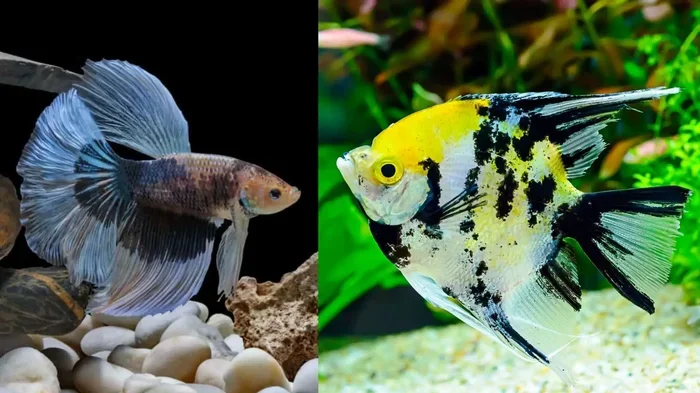
Many fish keepers wonder about do betta fish eat guppies because these small, colorful fish seem like an easy snack. The truth is, bettas can be aggressive and territorial, and guppies might not be the best tank mates for them. In this guide, we’ll explore the behavior behind this and share practical tips to keep your betta and guppies safe if you decide to house them together.
Key Takeaways
- Bettas can be aggressive: Male bettas are territorial and may attack or eat smaller fish like guppies.
- Tank size matters: A larger tank with hiding places reduces stress and aggression between fish.
- Introduction is key: Slowly introducing fish using a divider can prevent fights and injuries.
- Monitor behavior: Always watch for signs of aggression and be ready to separate fish if needed.
- Consider alternatives: If you want peaceful tank mates, choose species like corydoras or snails instead of guppies.
- Diet influences behavior: A well-fed betta is less likely to see guppies as food.
- Individual personalities vary: Some bettas are peaceful, while others are highly aggressive, so know your fish.
📑 Table of Contents
- Understanding Betta Fish Aggression
- Do Betta Fish Actually Eat Guppies?
- Tips for Keeping Betta Fish and Guppies Safe Together
- Common Mistakes When Housing Bettas with Guppies
- Expert Insights from Experienced Keepers
- Comparison: Betta Fish Tank Mates
- Alternatives to Guppies for Betta Tanks
- When to Separate Betta and Guppies
- Creating a Peaceful Aquarium Environment
Understanding Betta Fish Aggression
Betta fish, especially males, are known for their fiery temper. In the wild, they live in small, stagnant waters where space is limited. This environment shapes their behavior, making them territorial and quick to defend their space. When you bring a betta into your home aquarium, you’re inviting a fish with natural instincts that include chasing away intruders.
Now, guppies are tiny, active, and often dart around the tank. To a betta, this constant movement can look like a threat or even a snack. It’s not that bettas are evil; they’re just following their instincts. But as a responsible fish keeper, you need to understand this dynamic before mixing species.
Why Betta Fish See Guppies as a Threat
- Territorial defense: Bettas claim a area as their own and will attack anything that enters.
- Predatory instinct: In nature, bettas eat small insects and fish, so guppies fit the bill.
- Stress triggers: When guppies nip at fins or crowd the tank, it stresses the betta, leading to aggression.
Do Betta Fish Actually Eat Guppies?
The short answer is yes, do betta fish eat guppies in some cases. If a guppy is small enough and the betta is hungry or aggressive, it can happen. But it’s not always a given. Many betta owners successfully keep these fish together with the right setup and precautions.
It depends on the individual betta’s personality. Some bettas are more laid-back and might ignore guppies, while others will relentlessly chase them. Guppies are also fast swimmers, so they can sometimes escape, but in a confined tank, there’s only so much room to hide.
Factors That Influence Betta Behavior
- Tank size: A small tank increases aggression because there’s no escape route.
- Number of fish: Overcrowding leads to more stress and fights.
- Hiding spots: Plants and decorations give guppies places to retreat, reducing attacks.
- Feeding schedule: A hungry betta is more likely to hunt guppies.
Tips for Keeping Betta Fish and Guppies Safe Together
If you’re determined to house bettas and guppies in the same tank, there are steps you can take to minimize risk. Safety should always come first. Here are some practical tips that experienced keepers swear by.
1. Choose the Right Tank Size
Start with a tank that’s at least 10 gallons, but 20 gallons is better. More space means less competition for territory and fewer chances for guppies to corner the betta. A larger tank also dilutes aggression, making it easier for fish to avoid each other.
2. Create Plenty of Hiding Places
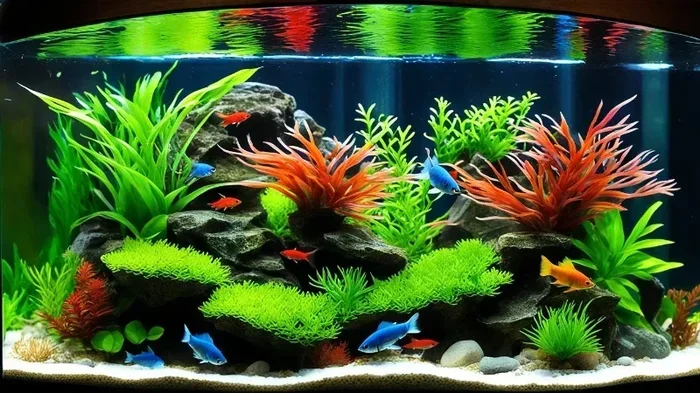
Add plants, caves, and driftwood to break up the line of sight. Guppies need spots to hide when they’re scared, and bettas need areas to claim as their own. Live plants like java moss or fake plants with dense foliage work well. Remember, the more hiding spots, the safer your guppies will be.
3. Introduce Fish Slowly
Don’t just dump guppies into the betta’s tank. Use a divider or a separate container to let them get used to each other’s presence. Over a week, gradually increase the time they spend together. This slow introduction reduces shock and gives both fish time to adjust.
4. Feed Your Betta Well
A satisfied betta is less likely to see guppies as food. Feed your betta a balanced diet of high-quality pellets and occasional live food. If the betta is full, it might ignore guppies instead of chasing them. Overfeeding can also lead to water quality issues, so stick to a routine.
5. Monitor Behavior Closely
Even with precautions, watch your fish daily. Look for signs of aggression like torn fins, chasing, or guppies hiding constantly. If you see these, separate the fish immediately. It’s better to be safe than sorry.
Common Mistakes When Housing Bettas with Guppies
Many beginners make errors that lead to disaster. Avoid these pitfalls to keep your fish healthy and happy.
- Underestimating tank size: A 5-gallon tank is too small for any community setup.
- Ignoring gender: Male bettas are more aggressive than females, and male guppies are more colorful, which can attract attention.
- Skipping hiding spots: A bare tank leaves guppies exposed and stressed.
- Overstocking: Too many fish in one tank increases waste and aggression.
Expert Insights from Experienced Keepers
We spoke to long-time fish hobbyists who’ve successfully kept bettas with guppies. Here’s what they shared:
“I started with a 20-gallon tank and added lots of plants. My betta initially chased guppies, but after a few weeks, they learned to coexist. Patience is key.” – Sarah, fish keeper for 10 years
“Never mix a male betta with female guppies if you want to breed them. The betta will stress them out. Stick to one gender or use a divider.” – Mike, aquarium enthusiast
Comparison: Betta Fish Tank Mates
Before deciding on guppies, consider other options. Here’s how guppies stack up against other common tank mates:
| Fish Species | Compatibility with Bettas | Pros | Cons |
|---|---|---|---|
| Guppies | Moderate | Colorful, active | May be chased or eaten |
| Corydoras Catfish | High | Peaceful, bottom-dwellers | Need larger tanks |
| Neon Tetras | High | Small, schooling fish | Can be shy |
| Snails | Very High | Help with algae | May be ignored |
Alternatives to Guppies for Betta Tanks
If you’re worried about aggression, try these peaceful companions instead. They’re less likely to trigger a betta’s territorial instincts.
- Corydoras catfish: These bottom-dwellers are gentle and help clean the tank.
- Harlequin rasboras: They swim in schools, reducing individual attention from the betta.
- Snails: Nerite or mystery snails add activity without posing a threat.
When to Separate Betta and Guppies
Sometimes, despite your best efforts, the combination doesn’t work. Know when to intervene:
- Visible injuries: If guppies have torn fins or missing scales, separate them now.
- Constant hiding: Guppies that never come out are stressed and need a new home.
- Loss of appetite: If the betta stops eating due to stress, it’s time to rethink the setup.
Creating a Peaceful Aquarium Environment
Ultimately, the goal is a harmonious tank where all fish thrive. Focus on these elements:
- Proper filtration: Clean water reduces stress and disease.
- Consistent temperature: Bettas prefer 75-80°F, so use a heater.
- Regular water changes: Keep the water fresh with weekly changes.
Remember, every fish is unique. What works for one betta might not work for another. Take your time, observe closely, and be prepared to adjust your setup as needed.
Frequently Asked Questions
Can betta fish live with guppies?
Yes, but it depends on the individual betta’s temperament and the tank setup. With a large enough tank, plenty of hiding spots, and slow introduction, some bettas can coexist peacefully with guppies. However, it’s not guaranteed, and you must monitor them closely for signs of aggression.
How do I introduce guppies to a betta tank?
Start by using a tank divider to separate them for a week or two. This lets them get used to each other’s presence without direct contact. Gradually increase the time they spend together, and always watch for aggressive behavior. If fights occur, separate them immediately.
What tank size is best for bettas and guppies?
A minimum of 10 gallons is recommended, but 20 gallons or more is ideal. Larger tanks provide more space for fish to swim and hide, reducing territorial stress and aggression. The more space, the better your chances of success.
Are there any signs that betta fish are eating guppies?
Yes, look for missing guppies, torn fins on the betta, or guppies that are constantly hiding. If you notice these signs, it’s likely the betta is attacking or eating the guppies. Separate them before any fish get injured or killed.
Can female bettas be kept with guppies?
Female bettas are generally less aggressive than males, but they can still be territorial. In a sorority tank (multiple females), aggression can increase, so it’s riskier. If you try, use a large tank with many hiding spots and monitor them closely.
What are better tank mates for betta fish?
Peaceful species like corydoras catfish, neon tetras, or snails are often better choices than guppies. They are less likely to trigger a betta’s aggression and can thrive in similar water conditions. Always research compatibility before adding any new fish to your tank.
=== CONCLUSION ===
In summary, do betta fish eat guppies is a common concern for fish keepers, and the answer isn’t simple. While bettas can be aggressive, with the right tank setup, careful introduction, and constant monitoring, it’s possible to keep them together safely. Remember that each betta has its own personality, so what works for one might not work for another. Focus on creating a peaceful environment with plenty of space and hiding spots, and always be ready to separate fish if aggression occurs. By following these tips, you can give your betta and guppies the best chance to coexist harmoniously.