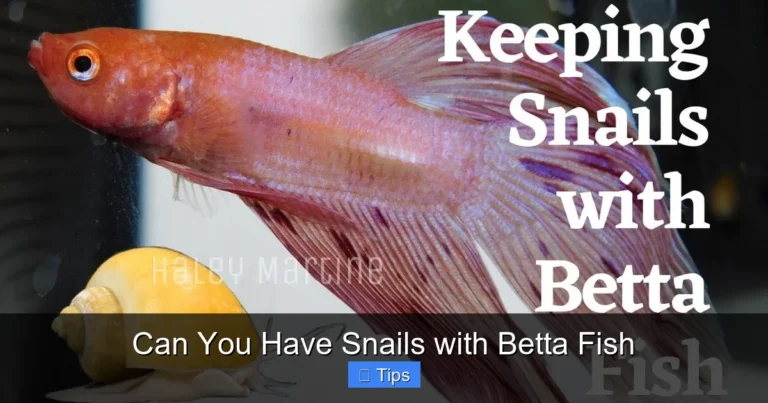
Do Betta Fish Eat Flies And Is It Safe To Feed Them

Do betta fish eat flies? Yes, they often will. But not every fly is safe, so use only small, captive-raised flies as rare treats, avoid bugs from your home or yard, and keep a complete betta food as the main diet.
Key Takeaways
- Yes: A betta may eat a fly because it is a natural, carnivorous hunter.
- Safest choice: Use small, captive-raised fruit flies from a trusted feeder insect seller.
- Avoid wild flies: House flies and yard insects may carry germs, parasites, dirt, or bug spray.
- Keep portions small: One tiny fly every week or two is plenty for most healthy adult bettas.
- Do not overfeed: Flies are treats, not a full betta fish diet.
- Watch the meal: Remove any fly your betta does not eat within five to ten minutes.
- Protect the tank: Uneaten food can raise waste levels and cause ammonia spikes.
📑 Table of Contents
Do Betta Fish Eat Flies?
The short answer to do betta fish eat flies is yes. A betta may strike at a fly near the water. In the wild, bettas eat many insects. But a fly from your home is not always a safe treat.
The main concern is where the fly has been. It may carry dirt, germs, or bug spray. It may also be too large for your fish. Captive-raised feeder flies are a better choice.
This guide explains which flies are safe, how to offer one, and how often to do it. You will also learn better protein treats and what to do if your betta eats a wild fly.
Why a fly looks like food to a betta
Bettas are carnivorous fish. Their eyes track motion well. Their upturned mouths also help them take food at the surface. A moving fly can trigger a quick feeding response.
- Bettas often hunt near the top of the water.
- Movement can make live food seem more appealing.
- Insect protein is a normal part of their wild diet.
This is why many owners ask about how betta fish eat insects. The hunting instinct is real. Still, safety must come first.
Most meals should come from a complete betta food. A fly does not provide the full mix of nutrients your fish needs each day.
Are Flies Safe for Betta Fish?
Flies are not toxic by nature. The risk comes from their source. A fly can walk on waste, rotting food, soil, drains, and treated plants. It may carry those things into your tank.
Main risks of feeding flies
- Germs: House flies can pick up bacteria from waste and decay.
- Parasites: Wild insects may carry parasites or their eggs.
- Chemicals: Bug spray, plant spray, soap, and cleaners can harm fish.
- Dirty food sources: A fly from a bin or drain may carry filth.
- Wrong size: A large fly can be hard for a small betta to eat.
- Poor water quality: A missed fly can die and foul the water.
Wild-caught insects are hard to inspect. You cannot see germs or spray residue. This makes the risk too high for a small home tank.
Fly safety at a glance
| Fly source | Main risk | Best choice |
|---|---|---|
| Kitchen or yard fly | High | Do not feed |
| Dead or sick fly | High | Never feed |
| Captive house fly | Medium | Rare treat if small |
| Captive fruit fly | Low, but not zero | Best fly option |
When you should skip flies
Do not offer a fly to a baby betta, a sick fish, or a fish with a swollen belly. Also skip it if the tank has poor water quality.
- Ammonia and nitrite should both be zero.
- The tank should be warm, clean, and filtered.
- Your betta should swim and eat normally.
- The fly’s body should fit between the fish’s eyes.
- Never feed a fly that was found dead.
If you are not sure what kind of fly it is, do not feed it. There are many safer protein treats.
Which Flies Can a Betta Fish Eat?
Captive-raised fruit flies
Small, captive-raised fruit flies are the best fly treat. They are sold as feeder insects for reptiles and other small pets. A clean, flightless culture is easy to control and offers a good size for most bettas.
Do not take fruit flies from a fruit bowl or trash bin. Learn more about whether betta fish can eat fruit flies before offering one. Choose only flies raised for animal food.
Captive-bred house flies
A betta can eat a small house fly, but house flies are often large and very active. They also spend time around waste in nature. Only use one from a trusted feeder insect seller, and offer it less often than a fruit fly.
Read this guide on whether betta fish can eat house flies for more detail. A fly caught at home is never the same as a clean feeder fly.
Flies to avoid
Do not feed drain flies, gnats, cluster flies, horse flies, or any fly you cannot name. A wild mosquito may have touched bug spray. Bettas eat mosquito larvae in nature, but wild adults are still a poor tank treat.
Wild maggots are unsafe too. They often grow in waste or rotting matter. Only use captive-bred larvae sold as feeder food, and keep even those as rare treats.
How to Feed Flies to a Betta Fish
A calm, clean feeding routine lowers the risk. Do not drop a fly into the tank and walk away. Stay close until the meal is over.
Step-by-step feeding guide
- Check the tank first. Make sure the water is clean, warm, and filtered.
- Use feeder-grade flies. Buy them from a trusted seller that raises insects for animal food.
- Pick one small fly. Its body should be no wider than the space between your betta’s eyes.
- Place it at the surface. A clean, shallow feeding cup can help you watch the meal.
- Let the betta choose. Do not push the fly toward its mouth or hold it under the water.
- Watch the whole meal. Make sure the fly cannot hide or remain in the tank.
- Remove leftovers. Take out any fly not eaten within five to ten minutes.
- Stop for the day. Do not offer a second fly after the first one.
How much and how often?
One small fruit fly every week or two is enough for many healthy adult bettas. Some fish need less. A larger house fly may be too much for a small betta.
- Do not feed flies because your betta begs.
- Do not use flies to replace daily food.
- Do not give several flies in one meal.
- Watch for bloating, dull colors, or low energy.
Portion control matters more than excitement. A betta’s stomach is small, and too much rich food can upset its digestion.
Quick Tips
- Feed during daylight so you can see your betta clearly.
- Never use flies from a room treated with bug spray.
- Keep all tools clean before they touch the tank.
- Test the water if any food is left in the tank.
What if your betta ate a wild fly?
Do not panic if your betta ate one wild fly. A single fly will not always cause harm. Watch your fish for the next day or two.
Look for normal swimming, steady fins, and a healthy appetite. Remove any other bugs at once. Do not add medicine without a clear reason. Call an aquatic vet if your betta becomes weak, swollen, breathless, or stops eating.
Best Foods for a Healthy Betta Fish Diet
A fly can add variety, but it should not be the main meal. A balanced betta fish diet gives your fish steady energy and key nutrients.
Daily staple foods
Use high-quality betta pellets made for carnivorous fish. Follow the amount on the pack. Most pellets should be eaten within two minutes.
Good pellets provide protein, fat, and vitamins in a set form. They also carry less risk than wild insects. Store them in a cool, dry place so they stay fresh.
Safe protein treats
You can offer small amounts of frozen bloodworms, brine shrimp, or daphnia. Thaw frozen food first. Soak freeze-dried food in tank water before feeding.
Live food from a pet shop can also be used with care. Even safe treats should stay small and rare. Variety is helpful, but a steady routine is better than constant change.
A simple feeding rhythm
- Feed a measured amount of betta pellets on most days.
- Use one small, safe treat on one or two days each week.
- Offer a fly only once every week or two, if at all.
- Change the amount for your fish’s size, age, and activity.
Do not copy another owner’s feeding schedule exactly. A young, active betta may need more food than an older, calm fish. A fish with a health issue may need a plan from an aquatic vet.
Expert Insights
The best betta care is not about exotic snacks. It comes from good food, portion control, warm water, and a clean tank. Overfeeding leaves waste behind. That waste can cause ammonia spikes and stress your fish.
A clean feeder fly can be fun enrichment. It lets your betta use its natural hunting skills. Still, the fly is a rare treat, not a fix for poor nutrition or tank care.
Common Mistakes, Problems, and Final Advice
Common mistakes to avoid
- Catching a fly from the yard or kitchen
- Feeding a fly that is already dead
- Giving too many flies at once
- Using flies as the main betta diet
- Leaving an uneaten fly in the tank
- Ignoring signs of bloating or poor health
Conclusion: Keep flies as rare treats
So, do betta fish eat flies? Yes. A healthy betta can eat a small, clean, captive-raised fly now and then. The best choice is a feeder fruit fly. Avoid wild house flies and any bug exposed to sprays, drains, dirt, or unknown waste.
Build most meals around a complete betta food. Add safe treats in tiny amounts. Watch your fish, remove leftovers, and keep the tank clean. When in doubt, skip the fly. There are safer ways to give your betta the protein and variety it needs.
Frequently Asked Questions
Can I feed my betta a fly I caught at home?
No. A home or yard fly may carry germs, dirt, parasites, or bug spray. Use only a small fly raised and sold as feeder food.
How often can a betta fish eat flies?
One small captive-raised fruit fly every week or two is enough for many healthy adults. Some bettas need fewer treats, so watch their body and digestion.
Are dead flies safe for betta fish?
No. You cannot know why the fly died or what it carried. Never feed a dead, weak, or unknown fly to your betta.
Can betta fish eat fruit flies?
Yes, if the fruit flies were raised as feeder insects. Fruit flies from a kitchen bin or trash can are not safe.
What should I do if my betta ate a wild fly?
Remove any other flies and watch your betta for 24 to 48 hours. Seek help from an aquatic vet if it becomes weak, swollen, breathless, or stops eating.
Can betta fish eat fly larvae or maggots?
Only use captive-bred larvae sold as feeder food, and offer them rarely. Never feed wild maggots because they may come from waste or rotting matter.