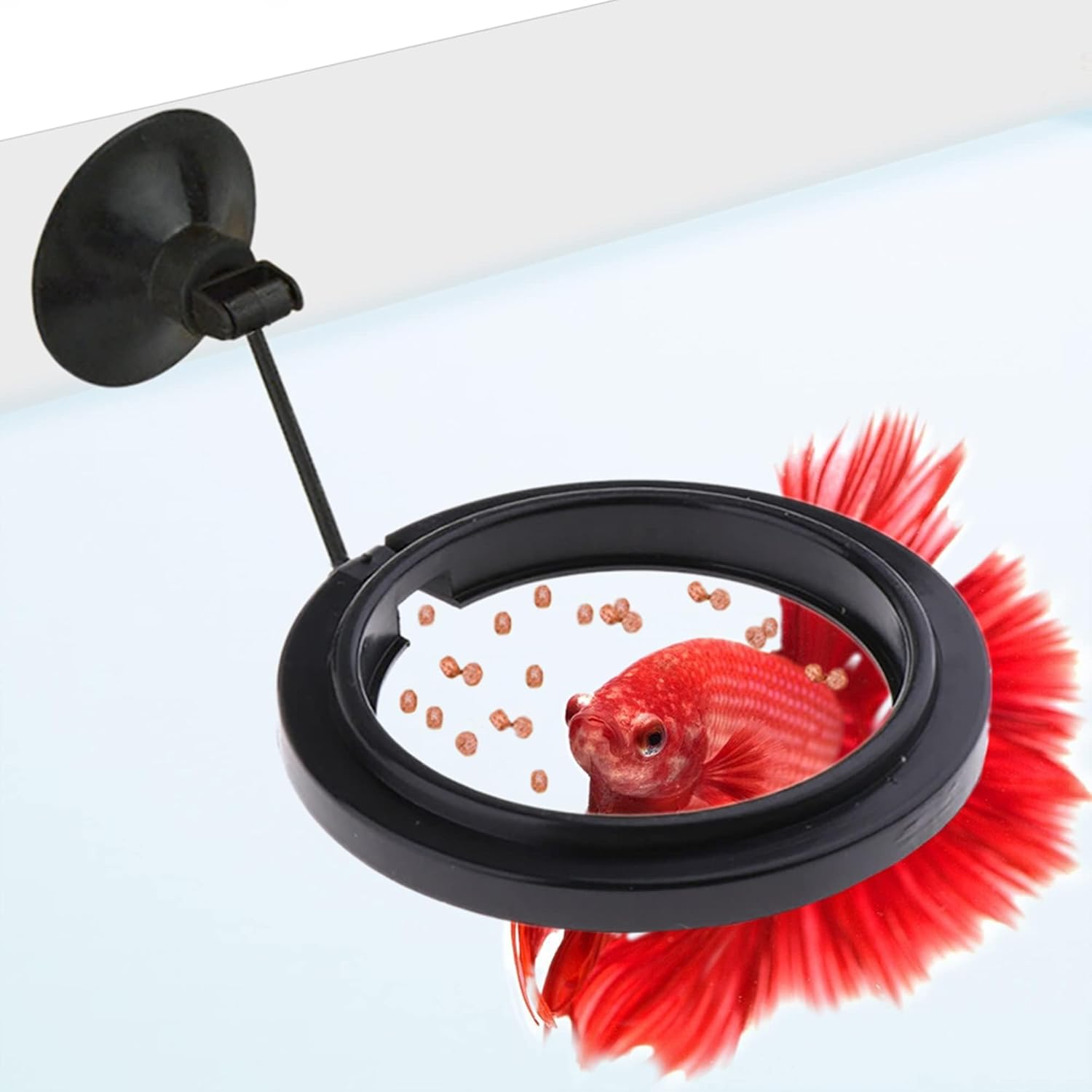
How Do You Sex a Betta Fish

Sexing a betta fish is easier than most people think. You can tell the difference between a male and female betta by looking at their body shape, fin length, color intensity, and behavior. This guide walks you through every visual and behavioral clue so you can confidently determine the sex of your betta fish at home.
Key Takeaways
- Males have longer, flowing fins while females have shorter, more rounded fins.
- Females have a white egg spot on their underside, which males lack.
- Males display brighter, more vivid colors compared to females.
- Body shape differs — males are slimmer and females are rounder, especially when carrying eggs.
- Behavioral differences like flaring and bubble nest building are more common in males.
- Knowing the sex matters for proper care, tank mates, and breeding decisions.
- Wait until your betta is mature (around 3-4 months) before trying to determine sex.
📑 Table of Contents
- How Do You Sex a Betta Fish?
- Why Sexing Your Betta Fish Matters
- Physical Differences Between Male and Female Betta Fish
- Behavioral Differences Between Male and Female Betta Fish
- How Age Affects Your Ability to Sex a Betta Fish
- Common Mistakes When Sexing Betta Fish
- How to Sex a Betta Fish Step by Step
- How Caring for Males and Females Differs
- Conclusion
How Do You Sex a Betta Fish?
Figuring out whether your betta fish is male or female can feel tricky at first. But once you know what to look for, it becomes second nature. The differences between a male betta and a female betta are actually quite clear once you understand the key signs.
Whether you are a beginner fish keeper or someone looking to breed your bettas, knowing how to sex a betta fish is an essential skill. It helps you choose the right tank mates, provide better care, and even set up a breeding tank if that is your goal. In this guide, we break down every physical and behavioral difference so you can confidently tell your bettas apart.
So grab a flashlight, get a good look at your fish, and let us dive into the world of betta fish gender identification.
Why Sexing Your Betta Fish Matters
You might wonder why knowing the sex of your betta fish even matters. The answer is simple — it affects everything from tank setup to daily care. Let us look at why getting this right is so important.
Tank Mate Selection
Male bettas are known for being aggressive toward other males. If you mix up the sex, you could end up with two males in the same tank, which leads to serious fights. Properly identifying your betta fish helps you choose compatible tank mates and avoid unnecessary stress for your fish.
Breeding Purposes
If you are interested in betta fish breeding, you need to know the sex of each fish. You cannot breed two males or two females together. Sexing your fish early gives you a head start if you ever decide to breed them.
Better Overall Care
Males and females have slightly different care needs. For example, females may need more space when carrying eggs. Understanding the sex of your betta allows you to tailor their environment and feeding routine more effectively.
Physical Differences Between Male and Female Betta Fish
The easiest way to determine the sex of a betta fish is by looking at their physical traits. Let us break down each difference one by one.
Fin Length and Shape
This is the most obvious difference. Male bettas have long, dramatic fins that flow gracefully through the water. Their tail fins, dorsal fins, and anal fins are all noticeably longer. Females, on the other hand, have shorter, more compact fins. A female betta’s fins are still beautiful but much less elaborate.
If you see a betta with long, flowing fins that drag slightly behind them, you are almost certainly looking at a male. Shorter fins that sit close to the body usually mean you have a female.
Body Shape
Male bettas tend to have a slim, streamlined body shape. They look sleek and elegant. Female bettas have a rounder, thicker body, especially around the belly area. When a female is carrying eggs, her belly becomes noticeably rounder and larger.
Think of it this way — males are like swimmers built for speed, while females are more rounded and full-bodied. This difference becomes more apparent as your fish matures past the 3- to 4-month mark.
Color Intensity
Males typically display brighter, more intense colors than females. Their reds are deeper, their blues are richer, and their patterns are more vivid. Females often have more muted tones. However, this is not always a perfect rule. Some female bettas can still be quite colorful, especially when they are in breeding condition.
If you are trying to tell the difference and color is your only clue, look at the other physical signs too. Color alone can sometimes be misleading.
The Egg Spot and Vent
This is one of the most reliable ways to identify a female betta. Females have a small white spot on their underside called the egg spot or ovipositor. This is where the eggs will come out during breeding. Males do not have this spot.
To see the egg spot, gently shine a light on the underside of your fish. You might need to look closely. The egg spot looks like a tiny white dot near the belly area. If you see it, you have a female. If you do not, it is likely a male — though some young males may not show all their features yet.
Behavioral Differences Between Male and Female Betta Fish
Beyond physical traits, male and female bettas also behave differently. These behavioral clues can help you confirm what you have already noticed visually.
Flaring Behavior
Male bettas are famous for flaring their gills and fins to show off or intimidate rivals. You will see them puff up and spread their fins wide, often in front of their own reflection. Females flare too, but much less frequently and less dramatically. If your fish flares constantly, chances are high that you have a male.
Bubble Nest Building
Only male bettas build bubble nests. These are clusters of tiny bubbles floating on the water surface. A male builds a bubble nest to prepare for mating. If you see bubbles gathered near the surface, you have a male betta. Females do not build bubble nests.
Aggression Levels
Males are generally more aggressive than females. They may chase other fish, flare at their reflection, and even attack tank mates. Females can also be territorial, especially in groups, but their aggression tends to be less intense. If your betta seems particularly feisty and dominant, it is likely a male.
How Age Affects Your Ability to Sex a Betta Fish
One important thing to keep in mind is that young bettas are harder to sex. Before they reach sexual maturity at around 3 to 4 months old, the differences between males and females are very subtle. You might not be able to tell them apart at all during the early weeks.
Wait until your betta is at least 3 months old before trying to determine the sex. By that point, the fin length, body shape, and color differences will start to show clearly. If you bought your betta from a store, ask the staff when the fish arrived — this can give you a rough age estimate.
What to Do If You Are Unsure
It is completely normal to feel uncertain, especially with younger fish. If you cannot tell the sex right away, give it some time. Watch your fish over a few weeks. Look for the egg spot, observe fin growth, and pay attention to behavior. Patience is your best tool when sexing betta fish.
You can also compare your fish to reference photos online. Many betta fish forums and websites have clear side-by-side images of male and female bettas. These visual comparisons can be incredibly helpful when you are learning.
Common Mistakes When Sexing Betta Fish
Even experienced fish keepers sometimes make mistakes when determining the sex of a betta. Here are some common errors to avoid.
Relying on Color Alone
Color is not a reliable sexing method on its own. Some females can be just as colorful as males, especially certain breeding strains. Always use multiple clues — fins, body shape, egg spot, and behavior — before making a conclusion.
Trying to Sex a Too-Young Fish
As mentioned earlier, bettas under 3 months old are very difficult to sex. If you try to determine the sex too early, you will likely get it wrong. Give your fish time to mature before making any judgments.
Confusing Fin Length with Stress
Sometimes, a male betta’s fins may look shorter if the fish is stressed or sick. This does not mean your male betta is actually a female. Look at the overall body shape and other signs before jumping to conclusions.
How to Sex a Betta Fish Step by Step
Here is a simple process you can follow every time you want to determine the sex of your betta fish.
- Wait until your betta is at least 3 months old. Younger fish will not show clear differences yet.
- Observe the fins. Long, flowing fins suggest a male. Short, rounded fins suggest a female.
- Look at the body shape. A slim body points to a male. A rounder, thicker body points to a female.
- Shine a light on the underside. Look for the white egg spot. If present, you have a female.
- Watch the behavior. Frequent flaring and bubble nest building indicate a male.
- Use multiple clues together. Never rely on just one sign. Combining all clues gives you the most accurate result.
Following these steps will help you confidently identify the sex of your betta fish every time. If you are still unsure after going through all the steps, it is okay to ask an experienced fish keeper or a veterinarian for help.
How Caring for Males and Females Differs
Once you know the sex of your betta, you can adjust your care routine accordingly. Both males and females need clean water, proper nutrition, and a comfortable environment. But there are a few differences worth noting.
Male bettas do better in single-species tanks because of their aggression. They should not be housed with other male bettas. Females can sometimes be kept in small groups called sororities, but this requires careful setup and monitoring. If you want to learn more about general betta care, check out our guide on how to care for a betta fish.
For those interested in breeding, understanding the differences between male and female bettas is the first step. Our article on how to breed a betta fish covers the full breeding process in detail.
Remember that a healthy betta is a happy betta regardless of sex. Keep the water clean, feed a balanced diet, and watch for signs of illness. If you notice anything unusual, our guide on how to tell if your betta fish is sick can help you spot problems early.
Conclusion
Sexing a betta fish does not have to be complicated. By looking at fin length, body shape, color intensity, the egg spot, and behavior, you can confidently determine whether your betta is male or female. The key is to wait until your fish is mature, use multiple clues together, and never rely on just one sign.
Whether you are keeping a single betta, setting up a community tank, or planning to breed, knowing the sex of your fish is the foundation of good care. Take your time, observe your fish closely, and soon you will be able to tell male from female at a glance.
If you found this guide helpful, share it with fellow betta lovers. And remember — every betta fish is unique, regardless of its sex. The more you understand about your fish, the better you can care for them.
Frequently Asked Questions
Can you sex a betta fish by its color?
Color alone is not a reliable way to sex a betta fish. While males tend to be more vividly colored, some females can also be very colorful. Always use multiple signs like fin length, body shape, and the egg spot to get an accurate answer.
At what age can you tell if a betta fish is male or female?
You can usually start to see differences around 3 to 4 months of age. Before that, the physical traits are too subtle to tell apart reliably. Wait until your betta is mature before attempting to determine its sex.
Do female betta fish have an egg spot?
Yes, most female bettas have a small white spot on their underside called an egg spot or ovipositor. This is where eggs exit the body during breeding. Males do not have this spot, making it one of the most reliable sexing methods.
Can two female betta fish live together?
Yes, female bettas can sometimes be kept in small groups called sororities. However, this requires a large tank with plenty of hiding spots and careful monitoring. Not all females get along, so be prepared for some initial aggression.
Do male betta fish build bubble nests?
Yes, male bettas build bubble nests as part of their breeding behavior. These nests are clusters of tiny bubbles on the water surface. If you see a bubble nest, it is a strong indicator that you have a male betta fish.
What should I do if I still cannot tell the sex of my betta fish?
If you are unsure, give your fish more time to mature. Compare your fish to reference photos, observe behavior over several weeks, and use all the clues together. You can also ask for help from experienced fish keepers or a veterinarian who specializes in fish.
=== INTERNAL LINKS ===