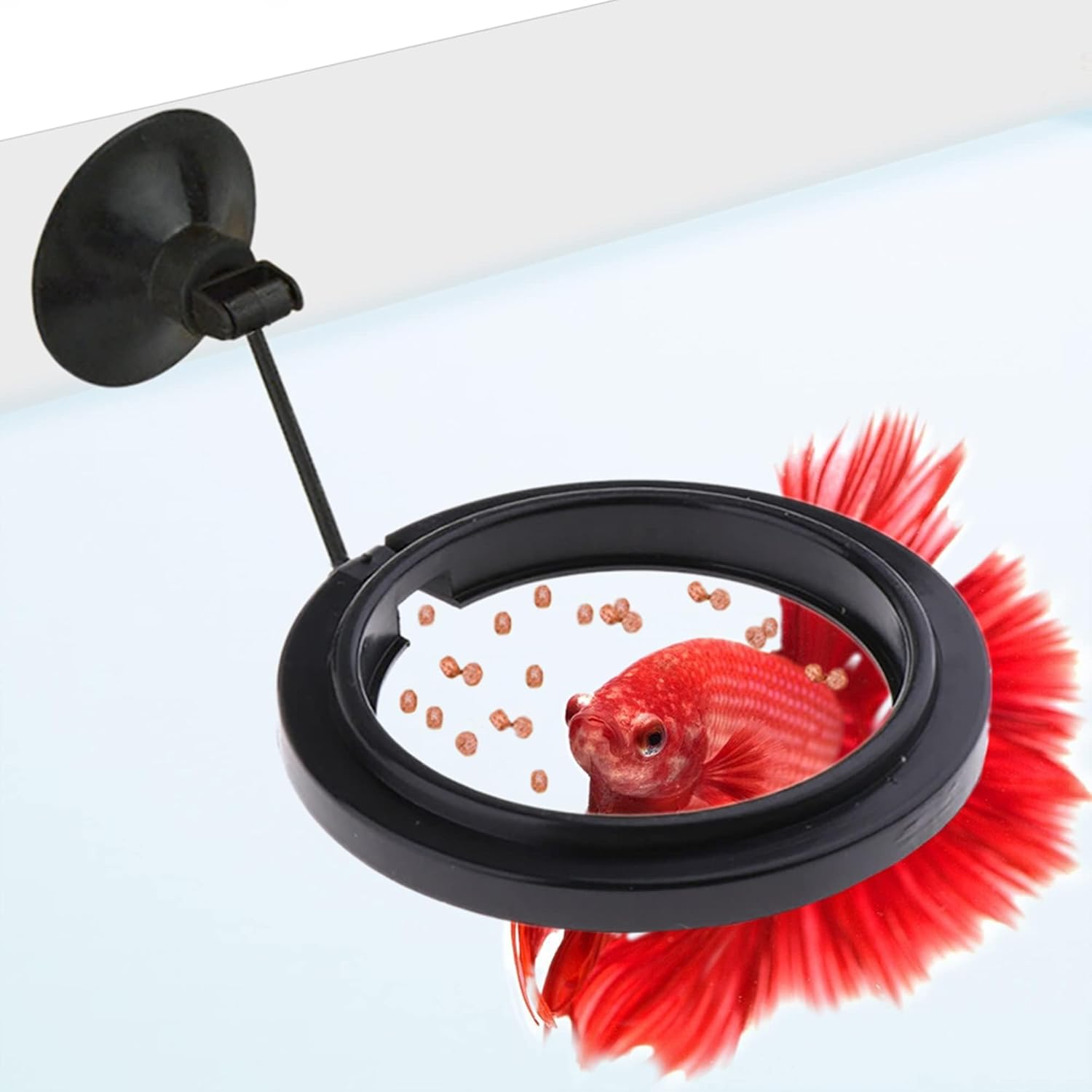
How Do You Know Your Betta Fish Is Healthy

Knowing how do you know your betta fish is healthy comes down to watching colors, behavior, appetite, and water conditions. A healthy betta displays vibrant hues, active swimming, and a strong appetite. This guide covers every sign to watch for so you can keep your betta fish thriving.
Key Takeaways
- Vibrant colors and active movement are the top signs of a healthy betta fish.
- A good appetite and regular feeding habits signal that your betta is in great shape.
- Fin rot, lethargy, and clamped fins are common warning signs of an unhealthy betta.
- Clean water and a proper tank setup are essential for long-term betta fish health.
- Regular observation and early intervention help prevent serious disease symptoms.
- Bubble nests and territorial behavior show your betta is content and happy.
📑 Table of Contents
- How Do You Know Your Betta Fish Is Healthy? A Complete Guide
- What Does a Healthy Betta Fish Look Like?
- Behavioral Signs Your Betta Fish Is Healthy and Happy
- Common Warning Signs of an Unhealthy Betta
- How to Keep Your Betta Fish Healthy: Care Tips That Work
- Quick Comparison: Healthy vs. Unhealthy Betta Fish
- Expert Tips for Long-Term Betta Health
- Conclusion
How Do You Know Your Betta Fish Is Healthy? A Complete Guide
So you want to learn how do you know your betta fish is healthy? Great question. Betta fish are stunning, personality-packed pets. But they can’t tell you when something feels off. That means you need to watch closely and learn the signs of a healthy betta.
A thriving betta fish shows health through bright colors, active swimming, and a strong appetite. On the flip side, a sick betta often hides, loses color, or stops eating. In this guide, we break down every sign that tells you your betta is happy and healthy. We also cover warning signs to watch for and practical care tips you can use today.
Whether you are a new betta owner or have had these beautiful fish for years, this article will help you spot problems early. Let us dive right in.
What Does a Healthy Betta Fish Look Like?
The first step in understanding betta fish health is knowing what a healthy betta looks like. You should check three main areas: body and color, fins and tail, and eyes and gills.
Body and Color
A healthy betta fish has a smooth, unmarked body. Their colors should be vivid and rich. Think deep blues, fiery reds, or bright purples. If your betta is a male, the colors are usually even more intense because of their natural breeding display.
Watch for these signs of good health in the body:
- Smooth scales with no lifting or flaking.
- Full, rounded body that does not look sunken or bloated.
- Bright, consistent coloring across the entire body.
- No white spots, red streaks, or unusual patches.
If your betta fish suddenly loses color, that is often a stress sign. Poor water quality, illness, or fear can all cause a betta to fade. Bette fish that feel safe and comfortable in their environment naturally show off their best colors.
Fins and Tail
Betta fish are famous for their flowing fins and majestic tails. A healthy betta has fins that are fully spread and flowing. The tail should fan out wide and move gracefully when the fish swims.
Here is what healthy fins look like:
- No tearing or fraying along the edges.
- Full spread when the fish is resting or displaying.
- No darkening or blackening at the fin edges.
- Fins held open, not clamped close to the body.
Clamped fins are one of the earliest signs something is wrong. When a betta holds its fins tightly against its body, it usually means pain, stress, or the beginning of a disease. If you notice this, check your water quality right away.
Eyes and Gills
Healthy betta eyes are clear and bright. They should look alert and responsive. Cloudy eyes or swollen eyes often point to infection or poor water conditions. Gills should move in a smooth, rhythmic pattern. Rapid gill movement can signal low oxygen or ammonia burn.
Behavioral Signs Your Betta Fish Is Healthy and Happy
Looks matter, but behavior tells you even more. Knowing how do you know if your betta fish is healthy through behavior helps you catch problems before they become serious.
Active Swimming
A healthy betta is an active swimmer. They patrol their territory, explore the tank, and investigate everything that happens around them. Bettas are curious fish. A happy betta will swim to the front of the tank when you walk by, flaring its fins to show off.
Watch for these positive behavior markers:
- Regular exploration of all areas of the tank.
- Playful chasing of food or reflection (without excessive stress).
- Smooth, balanced swimming with no floating or sinking.
- Interest in what is happening outside the tank.
If your betta just sits at the bottom all day, that is a red flag. Lethargy often means illness, poor water, or improper temperature. To learn more about recognizing when things go wrong, check out our guide on how do you know if your betta fish is sick.
Eating Habits and Appetite
A healthy betta fish has a strong appetite. They should eat eagerly when you drop food in. Most bettas do well with feeding twice a day, with small portions each time. A betta that ignores food or spits it out is telling you something is off.
Here is a quick feeding guide for healthy bettas:
- Morning feed: Offer 2-3 pellets or frozen bloodworms.
- Evening feed: Offer the same amount.
- Skip one day per week: This helps prevent overfeeding.
Overfeeding is one of the most common mistakes new betta owners make. It leads to bloating, poor water quality, and obesity. If you are unsure about portions, learn more about how often do you feed a betta fish to get it right.
Bubble Nests and Breeding Behavior
Male bettas build bubble nests at the water surface when they feel secure. This is a huge sign of a healthy, happy male betta. Even if you have no female nearby, a male betta may still build these nests. It shows they feel safe and ready to breed.
Other positive breeding behaviors include:
- Flaring at their own reflection (in short bursts).
- Building or maintaining a bubble nest.
- Territorial displays like spreading fins and chasing away perceived threats.
These behaviors show your betta is comfortable in its betta fish habitat. Do not be alarmed by flaring. It is natural. Just make sure it does not happen constantly, as that can cause stress.
Common Warning Signs of an Unhealthy Betta
Now you know what to look for when things are going well. But how do you know when things go wrong? Early detection saves lives. Here are the most common disease symptoms in betta fish.
Fin Rot and Body Lesions
Fin rot is one of the most common betta fish diseases. It happens when bacteria attack the fin tissue. At first, the fin edges look ragged or transparent. Over time, the fins shrink back toward the body.
Body lesions are equally serious. Look for:
- White or red patches on the body.
- Open sores or ulcers.
- Black spots that grow larger over time.
Both conditions usually come from poor water quality. If you notice these signs, test your water immediately and consider treatment options. Our article on how do you cure a sick betta fish walks you through proven treatments.
Lethargy and Loss of Appetite
A betta that stops moving much and ignores food is not just being lazy. This combination almost always means something is wrong. Common causes include:
- Ammonia or nitrite spike in the water.
- Temperature shock from a broken heater.
- Internal infection or parasites.
- Stress from a tank mate or loud environment.
If your betta becomes sluggish, start by testing the water. Most problems trace back to water conditions. Acting fast gives your betta the best chance of recovery.
Stress Indicators
Bettas show stress in clear ways. Learning to spot stress signs helps you fix problems quickly. Common stress indicators include:
- Rapid breathing or gill movement.
- Hiding behind decorations constantly.
- Darting around the tank suddenly.
- Color fading shortly after a change in environment.
Some stress is normal, like when you first introduce a betta to a new tank. But if the stress lasts more than a few days, you need to make changes. Improve hiding spots, check temperature, and make sure the tank is large enough. For more tips on keeping your betta in top shape, read our guide on how to make your betta fish healthy again.
How to Keep Your Betta Fish Healthy: Care Tips That Work
Knowing how do you know your betta fish is healthy is only half the battle. You also need to create the right conditions for long-term health. Here are the most important betta fish care practices.
Water Quality and Tank Setup
Water is everything for a betta fish. They may survive in small bowls, but they truly thrive in proper setups. A 5-gallon tank or larger is ideal. It gives your betta room to swim and explore while making water maintenance easier.
Key water parameters for a healthy betta:
- Temperature: 76-82°F (24-28°C).
- pH: 6.5-7.5 (slightly acidic to neutral).
- Ammonia: 0 ppm.
- Nitrite: 0 ppm.
- Nitrate: Below 20 ppm.
Use a gentle filter that does not create strong currents. Bettas are not strong swimmers and struggle in fast-moving water. A heater is also important unless you live in a consistently warm climate.
Proper Feeding and Diet
A varied diet keeps your betta healthy. In the wild, bettas eat insects, larvae, and small invertebrates. In captivity, they enjoy:
- High-quality pellets made specifically for bettas.
- Frozen or live bloodworms as a treat.
- Daphnia for digestive health.
- Brine shrimp for variety.
Avoid feeding betta fish flakes made for tropical community fish. These lack the protein content bettas need. For detailed feeding schedules, check out our article on how often do you need to feed a betta fish.
Regular Tank Maintenance
Keeping a clean tank prevents most betta fish diseases. Follow this simple maintenance schedule:
- Weekly: Change 25-30% of the water. Vacuum the gravel.
- Bi-weekly: Clean filter media in removed tank water (never tap water).
- Monthly: Full water test for ammonia, nitrite, nitrate, and pH.
- As needed: Remove dead plant leaves and uneaten food.
If you are unsure how often to clean, our guide on how often should you clean your betta fish bowl covers everything you need to know.
Quick Comparison: Healthy vs. Unhealthy Betta Fish
Here is a handy side-by-side comparison to help you quickly assess your betta fish health:
| Feature | Healthy Betta | Unhealthy Betta |
|---|---|---|
| Color | Vivid, bright, consistent | Faded, dull, patchy |
| Fins | Fully spread, flowing | Clamped, torn, rotting |
| Swimming | Active, exploring | Lethargic, floating, sinking |
| Appetite | Eager, eats quickly | Ignoring food, spitting out |
| Body | Smooth, rounded, no spots | Bloated, sunken, lesions |
| Eyes | Clear, bright | Cloudy, swollen |
| Gills | Steady, rhythmic movement | Rapid, labored breathing |
Use this table whenever you do a routine health check. It takes just a minute and helps you catch problems early.
Expert Tips for Long-Term Betta Health
Here are some bonus tips that experienced betta keepers swear by:
Know Your Betta’s Lifespan
The average betta fish lifespan is 2-5 years in captivity. Some live longer with excellent care. Understanding this helps you set realistic expectations and appreciate every moment with your fish.
Can You Train Your Betta Fish?
Yes! Bettas are intelligent and can learn simple tricks. Teaching your betta to follow a finger or eat from your hand strengthens your bond. Learn more in our guide on can you train your betta fish.
Watch for Signs of Aging
As bettas age, they naturally slow down. Older bettas may develop faded colors and shorter fins. This is normal. If your older betta is still eating well and moving around, there is no cause for alarm.
Quick Tips for a Healthy Betta
- Always quarantine new fish before adding them to your tank.
- Never use untreated tap water. Use a water conditioner every time.
- Keep the tank away from direct sunlight to prevent algae blooms.
- Do not overfeed. A full stomach is not a healthy stomach.
- Observe your betta daily. The more you watch, the faster you spot changes.
Common Mistakes to Avoid
- Using a tiny bowl: Bettas need space. A 5-gallon tank minimum is best.
- Ignoring temperature: Cold water weakens the immune system.
- Keeping two male bettas together: They are territorial and will fight.
- Skipping water changes: Dirty water is the number one killer of pet bettas.
- Using harsh chemicals: Never clean tank equipment with soap or household cleaners.
Conclusion
So, how do you know your betta fish is healthy? You now have the full picture. A healthy betta shows bright colors, active swimming, a strong appetite, and good fin condition. Unhealthy signs include fading color, clamped fins, lethargy, and loss of appetite. The best way to protect your betta is through proper betta fish care, clean water, and daily observation.
Take what you have learned here and apply it every day. Watch your betta closely. Feed correctly. Keep the water clean. Your betta fish depends on you for everything. Give them the care they deserve, and they will reward you with years of beauty and personality.
Frequently Asked Questions
How do you know if your betta fish is healthy just by looking?
Look for bright, vivid colors, smooth scales, fully spread fins, and clear eyes. A healthy betta also has a rounded body and swims actively. If all these signs are present, your betta is likely in great shape.
What should I do if my betta fish stops eating?
First, test your water for ammonia, nitrite, and temperature. A betta that refuses food usually has a water problem or is feeling ill. If water conditions are fine, try offering different foods like frozen bloodworms. If the appetite does not return within 24 hours, consider treatment for disease.
How can I tell if my betta fish is stressed or just resting?
A resting betta still breathes normally and may hover in one spot briefly. A stressed betta hides constantly, darts around, breathes rapidly, or fades in color. Watch for patterns. Short rest periods are fine, but long hiding sessions usually signal stress.
What is the best tank size for keeping a betta fish healthy?
A 5-gallon tank is the recommended minimum for a single betta fish. It gives enough room for swimming, heating, and filtering without creating strong currents. Smaller bowls work but make it much harder to keep water stable and healthy.
How often should I check my betta fish for signs of illness?
Check your betta daily during feeding time. Watch for changes in color, swimming behavior, and eating habits. Do a full health inspection at least once a week. Early detection of disease symptoms makes treatment much more successful.
Can betta fish get sick from other fish in the same tank?
Yes. Betta fish can catch diseases from tank mates, especially in community setups. Avoid housing bettas with aggressive or disease-prone species. Always quarantine new fish before adding them to your betta fish tank to prevent the spread of illness.