How Do You Know When Betta Fish Are Mating
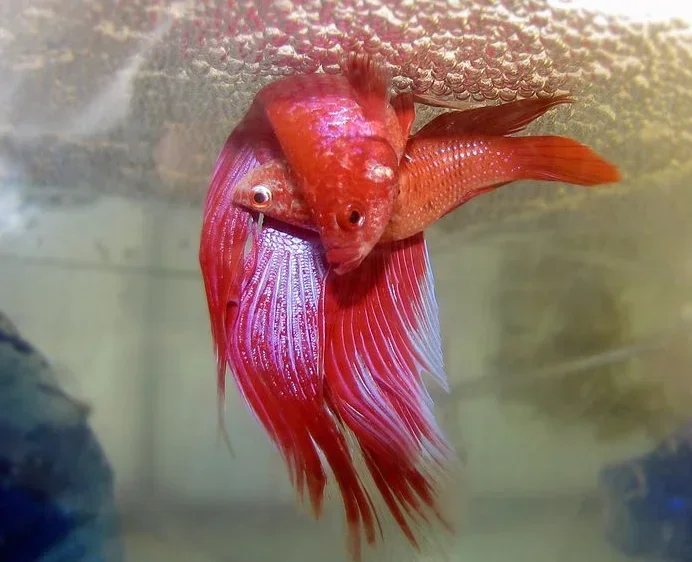
Knowing how do you know when betta fish are mating helps you support successful breeding and keep your fish healthy. Key mating signs include courtship displays, bubble nest building, color changes, and chasing behavior. This guide covers everything from mating rituals to setting up the perfect breeding tank.
Key Takeaways
- Courtship displays are the #1 sign: Male bettas flare, build bubble nests, and display bright colors to attract females.
- Color changes signal readiness: Both male and female bettas develop darker or more vibrant hues when they are ready to mate.
- Chasing is normal but has limits: Moderate chasing is part of courtship, but relentless aggression can harm the female.
- Bubble nests indicate breeding intent: A male building a bubble nest is preparing for reproduction and showing he is ready to mate.
- Setting up a breeding tank is critical: A separate tank with warm water and hiding spots improves mating success and fry survival.
- Know when to separate them: If aggression becomes too intense, remove the female to prevent injury or death.
- Expert insight matters: Understanding betta fish mating behavior helps you avoid common breeding mistakes and raises healthier fry.
📑 Table of Contents
- How Do You Know When Betta Fish Are Mating
- What Does Betta Fish Mating Look Like
- Signs Your Betta Fish Are Mating
- The Betta Fish Mating Process Step by Step
- Setting Up a Breeding Tank for Mating Betta Fish
- Common Mistakes During Betta Fish Mating
- How to Tell If Your Betta Fish Are Not Mating
- Expert Tips for Successful Betta Fish Mating
- Conclusion
How Do You Know When Betta Fish Are Mating
Watching your betta fish interact can be exciting. But how do you know when betta fish are mating? If you see your male betta flaring his fins, building a bubble nest, or chasing a female around the tank, these are strong signs of betta fish mating behavior.
Betta fish have a unique courtship ritual that involves several steps. The male shows off his bright colors and creates a bubble nest near the water surface. The female responds by developing an egg spot on her underside. Together, they perform a fascinating mating dance that leads to betta fish spawning.
Understanding these signs helps you support the breeding process. It also helps you avoid mistakes that can hurt your fish. In this guide, we will walk you through every detail of betta fish breeding so you can confidently recognize mating behavior and give your fish the best care.
What Does Betta Fish Mating Look Like
Betta fish mating is not like other fish species. It involves a structured sequence of behaviors. The process starts with courtship and ends with egg release and fertilization. Here is what to look for.
The Courtship Display
The male betta begins by showing off. He flares his gills and spreads his fins wide. This display makes him look bigger and more impressive. The male also changes color, becoming deeper red, blue, or turquoise. This betta fish courtship display is the first clear signal that mating is about to happen.
During this phase, the male builds a bubble nest at the surface of the water. He blows bubbles and collects them into a floating cluster. The nest is not just a hobby project. It serves as a safe space for the eggs after fertilization. If you see a bubble nest, it is a strong clue that your male is ready to mate.
You can learn more about bubble nest behavior and what it means by reading Do Betta Fish Bubble Nest Mean They Are Happy.
The Mating Dance
After the courtship display, the male and female begin a betta fish mating dance. The male positions himself sideways near the female. Both fish curve their bodies into a “U” shape. The male then releases sperm, and the female releases eggs. This happens several times until the female has released all her eggs.
The dance can last anywhere from a few hours to an entire day. It looks intense, but it is a natural and necessary part of betta fish reproduction.
Signs Your Betta Fish Are Mating
Not everyone is experienced with betta fish breeding. That is why recognizing the early signs matters. Here are the most reliable signals that your betta fish are mating.
1. Bright Color Changes
One of the first signs of betta fish mating is a change in color. Males become more vibrant. Their fins darken and their bodies glow with intense hues. Females also change, though more subtly. Their bodies take on a slightly bronze or darker tone, especially near the belly area.
These color changes in betta fish happen because of hormonal shifts. They signal that both fish are biologically ready for reproduction.
2. Bubble Nest Building
A male betta constructing a bubble nest is one of the strongest mating indicators. He will blow bubbles at the water surface and gather them together. The nest grows larger over several days. This behavior shows the male is preparing a safe environment for the upcoming eggs.
Not all males build perfect nests. Some create small clusters. Others make large floating platforms. Either way, the effort is a clear sign of betta fish courtship and breeding intent.
3. Flaring and Fin Spreading
Male bettas flare their gills and spread their fins when they are ready to mate. This behavior makes the male look much larger. He is trying to impress the female and warn off rivals. If you see your betta doing this near a female, mating behavior is very likely underway.
4. Chasing Behavior
Once the female is introduced, the male will chase her around the tank. This betta fish chasing during mating is a normal part of the process. The male is guiding the female toward the bubble nest. He also tests her readiness. Some chasing is healthy, but it should not be constant.
It is important to watch the female during this phase. If she hides constantly or shows signs of stress, the aggression may be too much. Learn more about recognizing betta fish aggression by visiting Do Betta Fish Get Mad At You.
5. Egg Spot on the Female
A ready female develops a small white spot on her underside. This is called an egg spot or ovipositor. It is a tiny dot near the ventral fin. The presence of this spot means the female is carrying eggs and is ready for betta fish spawning.
The Betta Fish Mating Process Step by Step
Understanding the full betta fish mating process helps you support it better. Here is a step-by-step breakdown.
Step 1: Preparation
Set up a separate breeding tank. Keep the water warm, around 78 to 80 degrees Fahrenheit. Add plants or floating decor for cover. The male will start building a bubble nest during this phase.
Step 2: Introduction
Introduce the female into the breeding tank. The male will immediately begin courting. He will flare, chase, and display his colors. This phase can last several hours. For more tips on introducing bettas safely, check out Are You Supposed To Put Betta Fish With Other Fish.
Step 3: The Mating Dance
The male wraps his body around the female. Both fish release eggs and sperm simultaneously. This happens multiple times. The male collects the eggs and places them in the bubble nest. The female temporarily retreats between rounds.
Step 4: Egg Care
After mating, the male takes over. He guards the eggs and maintains the bubble nest. He picks up any eggs that fall and places them back. This is a critical phase. The male needs peace and quiet to protect the eggs.
Step 5: Fry Hatching
The eggs hatch within 24 to 48 hours. The male continues to watch over the betta fish fry. He keeps them safe and ensures they receive oxygen. Once the fry start swimming freely, you should remove the male to prevent him from seeing them as food.
Setting Up a Breeding Tank for Mating Betta Fish
A proper betta fish breeding tank makes a huge difference. Here is what you need.
Tank Size and Setup
- Use a tank of at least 5 gallons.
- Keep the water temperature between 78 and 80 degrees Fahrenheit.
- Add gentle filtration. Avoid strong currents.
- Include floating plants for cover and bubble nest support.
Water Conditions
Clean, warm water is essential for betta fish breeding. Perform regular water changes. Use a heater to maintain stable temperature. Sudden temperature drops can stop the mating process or harm the eggs.
Hiding Spots and Safety
Female bettas need places to hide during the betta fish courtship ritual. Plants, caves, or even small decorations give her breaks from the male’s chasing. This reduces stress and improves mating success.
Common Mistakes During Betta Fish Mating
Even experienced fish keepers make mistakes. Here are the most common ones to avoid during betta fish mating.
Skipping the Breeding Tank
Some people try to breed bettas in a community tank. This is risky. Other fish may eat the eggs. The male may become overly stressed. Always use a dedicated breeding setup for betta fish spawning.
Leaving the Female Too Long
The female should be removed after the eggs are laid. If she stays, the male may become aggressive. He can attack and even kill her. This is why understanding do betta fish kill eachother when they mate is so important. You can read more about this at Do Betta Fish Kill Eachother When They Mate.
Ignoring Water Quality
Poor water conditions kill eggs and fry quickly. Ammonia spikes are dangerous. Always test your water. Keep ammonia and nitrite at zero. Clean the tank regularly without disturbing the bubble nest.
Disturbing the Male During Egg Care
The male betta is a dedicated father. He needs calm surroundings. Avoid tapping the glass or making loud noises. Stress can cause the male to eat the eggs. Give him privacy and peace.
How to Tell If Your Betta Fish Are Not Mating
Sometimes things do not go as planned. Here are signs that your betta fish are not mating successfully.
- No bubble nest: The male shows no interest in building one.
- Constant fighting: The male attacks the female immediately and relentlessly.
- Color fading: Both fish become pale instead of brighter. This signals stress rather than readiness.
- Hiding behavior: The female hides constantly and refuses to come out. She may not be ready or may be too stressed.
- No mating dance: The male ignores the female or chases her without any courtship display.
If you see these signs, do not force the process. Improve water conditions first. Let both fish adjust. You can also try introducing them again after a few days. For general betta fish care tips, visit How Do You Care For A Betta Fish.
Expert Tips for Successful Betta Fish Mating
Here are some Quick Tips from experienced breeders to help you get the best results.
- Patience is key. Do not rush the introduction. Let the male set up his bubble nest first.
- Watch the female closely. She should be healthy and full of eggs before introduction.
- Keep lighting soft. Bright lights stress bettas during mating. Use dim or natural light.
- Feed lightly during mating. Overfeeding can dirty the water quickly. Small, frequent meals work best.
- Remove the female after eggs are laid. This protects her and reduces stress on the male.
- Do not touch the eggs. Your hands can damage them. Let the male handle all egg care.
- Learn the breeding cycle. Understanding betta fish mating season and timing helps you plan better. You can read about this at Do Betta Fish Have Mating Seasons.
Conclusion
Knowing how do you know when betta fish are mating is a valuable skill for any betta owner. From the first courtship display to the final bubble nest construction, each sign tells you something important. Watch for color changes, chasing, flaring, and the mating dance. Set up a proper breeding tank and avoid common mistakes. Remove the female after spawning and give the male space to care for the eggs.
Betta fish mating is a beautiful and rewarding process when done right. Follow these guidelines, stay patient, and enjoy watching your fish reproduce. With the right knowledge and care, you can raise healthy betta fish fry and experience the full wonder of betta fish breeding.
Frequently Asked Questions
How long does the betta fish mating process take?
The entire betta fish mating process, from courtship to egg laying, can take anywhere from a few hours to a full day. The mating dance itself usually lasts one to three hours. After that, the male spends several days caring for the eggs until they hatch into fry.
Can female betta fish build bubble nests?
Female bettas rarely build bubble nests. This behavior is almost always done by males. A bubble nest signals that the male is ready for betta fish spawning and is preparing a safe space for the eggs. If a female builds one, it is uncommon and usually not related to breeding.
Why is my male betta attacking the female during mating?
Some chasing is a normal part of the betta fish courtship ritual. However, if the male attacks the female too aggressively, she may need to be removed. This can happen if the female is not ready, the tank is too small, or the male is overly territorial. Always provide hiding spots to reduce conflict.
How can I tell if my betta fish are ready to mate?
Look for key signs of betta fish mating. Males will build bubble nests, flare their fins, and show bright colors. Females will develop a visible egg spot on their underside. Both fish should be healthy and active. A proper breeding tank setup also encourages readiness.
Do betta fish mate year-round?
Betta fish can breed year-round in captivity. However, they are more likely to show betta fish mating behavior during warmer months when water temperatures naturally rise. Maintaining a stable warm temperature in your tank encourages breeding throughout the year. For more details, check out Do Betta Fish Have A Mating Season.
What should I do after betta fish finish mating?
After betta fish spawning is complete, remove the female from the breeding tank. The male will guard the eggs and maintain the bubble nest. Keep the tank calm and quiet. Do not feed heavily, and perform gentle water changes. Once the fry are free-swimming, remove the male to protect them from being eaten.