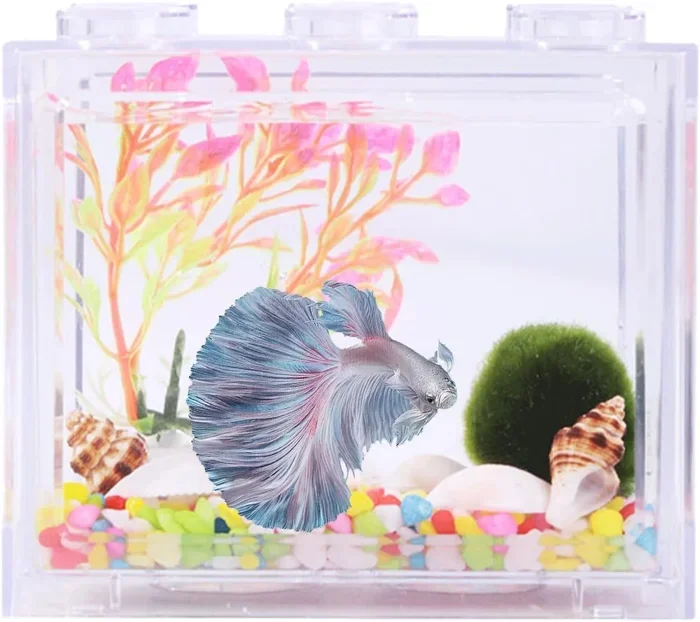
Do Betta Fish Dig Insights into Their Natural Instincts

Do betta fish dig? Yes, they do, and it’s completely natural. Digging is a normal behavior that stems from their wild instincts to forage, nest, and explore. Understanding why your betta digs helps you create a better tank environment and keep your fish healthy and stress-free.
Key Takeaways
- Natural Instinct: Digging comes from wild betta fish who search for food and build nests in muddy waters.
- Tank Setup Matters: The right substrate and decorations reduce stress and encourage natural behavior.
- Health Signal: Excessive digging can mean stress, poor water quality, or illness.
- Foraging Behavior: Bettas dig to find tiny organisms and leftover food in the gravel.
- Bubble Nests: Male bettas may dig and rearrange substrate when building bubble nests.
- Space Needs: A tank that’s too small can cause frustration and unusual digging patterns.
📑 Table of Contents
Why Do Betta Fish Dig? Understanding Their Natural Instincts
Have you ever watched your betta fish swim down to the bottom and start digging? It might look strange at first, but this behavior is completely normal. Wild betta fish live in shallow waters like rice paddies, marshes, and slow-moving streams across Southeast Asia. In these environments, the bottom is often soft mud and decaying leaves. Digging is second nature to them.
When you ask yourself do betta fish dig, the answer is yes, and they do it for several important reasons. Understanding these reasons helps you become a better fish owner and creates a stronger bond with your pet. Let’s explore the natural instincts behind this common behavior.
Wild Betta Fish Behavior
In the wild, betta fish, also known as Siamese fighting fish, spend a lot of time near the bottom of their habitat. They don’t just float around waiting for food to fall from above. These active fish search for tiny insects, larvae, and plant matter in the soft sediment. Digging helps them uncover hidden food sources that other fish might miss.
Betta fish also use digging to create comfortable resting spots. They might burrow into soft substrate to feel safe and secure from predators. This behavior comes from their ancestors who needed to hide in muddy waters. Even though your pet betta lives in a safe tank with no threats, those deep instincts remain strong and active every day.
The betta fish behavior you see in your aquarium mirrors what happens in nature. When a betta dives to the bottom and starts moving gravel or sand, it’s following ancient patterns passed down through generations. This digging instinct keeps them physically active and mentally engaged. Without opportunities to dig, bettas can become lethargic and depressed.
Foraging and Hunting
Betta fish are natural hunters with a strong need to search for food. They have a special labyrinth organ that lets them breathe air, but they still need to find nutrition in the water. When they dig, they’re actively searching for:
- Tiny crustaceans living in the substrate
- Worm larvae hidden in the mud
- Insect eggs deposited on the bottom
- Decaying plant matter and microorganisms
- Uneaten food particles that sink down
This foraging behavior keeps their minds sharp and bodies healthy. Without something to dig and explore, bettas can get bored very quickly. Boredom leads to stress, and stress leads to health problems like fin rot and swim bladder issues. So digging isn’t just about finding food; it’s about keeping their minds active and their instincts sharp.
In a natural habitat, bettas spend hours each day searching for small meals. Your tank should replicate this experience as closely as possible. Providing a substrate they can dig in gives them a job to do. It mimics the wild environment where food is scattered and hidden beneath the surface.
The Role of Substrate in Your Betta Tank
The bottom of your tank plays a big role in your betta’s daily life. If you’ve ever wondered why your fish digs more in one tank than another, the substrate might be the answer. Choosing the right material matters for both physical health and mental wellbeing.
Choosing the Right Gravel or Sand
Not all substrates are created equal for betta fish. Sharp gravel can hurt your betta’s delicate fins and cause infections. Soft sand is often a better choice because it feels natural and safe for digging. Many experienced owners choose fine gravel that mimics the betta’s natural habitat without the sharp edges.
When selecting substrate for your betta fish tank, consider these popular options:
- Fine sand: Easy to dig, gentle on fins, looks natural
- Smooth gravel: Looks natural, safe if edges are rounded
- Specialized planted substrate: Supports live plants and good bacteria
- Bare bottom tanks: Easy to clean but less natural for digging
Each option has pros and cons. Sand is easiest for digging but can trap waste underneath. Gravel is harder for burrowing but drains better. Choose based on your maintenance routine and your fish’s personality.
Substrate Depth and Texture
How deep should your substrate be? For a betta tank, 1 to 2 inches is usually enough to allow digging. Too deep, and waste gets trapped underneath where you can’t reach it. Too shallow, and your fish can’t dig properly or build nests.
Texture matters just as much as depth. Rough edges on gravel can damage fins and cause infections over time. Always rinse new substrate thoroughly before adding it to the tank. This removes dust and debris that cloud the water and irritate your fish’s gills.
Some owners add leaf litter to the substrate. This releases beneficial tannins that mimic the betta’s natural blackwater environment. The leaves also harbor tiny organisms that bettas love to hunt. This creates a living substrate that supports natural foraging behavior.
Digging and Bubble Nest Building
One of the most interesting reasons bettas dig relates directly to reproduction. Male bettas build bubble nests to attract females and protect eggs. This process involves significant digging and rearranging of the bottom substrate.
Male Betta Nesting Behavior
When a male betta feels ready to breed, he creates a bubble nest at the water’s surface using saliva and air bubbles. But he also works hard on the bottom. He might dig pits, move gravel around, and create a safe area near the nest. This digging is part of his serious preparation routine.
If you see your male betta digging aggressively at the bottom, he might be getting ready to breed. Look for these other signs that nesting is coming:
- Building bubbles at the surface consistently
- Flaring fins at reflections or other fish
- Chasing other fish around the tank
- Creating tunnels and pits in the substrate
- Building a dense cluster of bubbles
This behavior shows that digging isn’t random or meaningless. It’s purposeful and tied directly to survival and reproduction instincts. Even in captivity, bettas retain these strong drives that helped their ancestors survive in the wild.
How Digging Relates to Reproduction
Digging during breeding season serves multiple important purposes. The male creates a safe zone on the bottom where the female can rest after releasing eggs. He also prepares the area around the bubble nest to protect the fertilized eggs from drifting. After fertilization, he guards the nest and the babies diligently.
This behavior shows that digging is essential to the betta life cycle. Without the ability to dig and rearrange their environment, male bettas might fail to breed successfully. This is why substrate choice matters so much for breeding tanks. Soft substrate allows them to create the perfect nesting environment.
When Digging Becomes a Problem
While digging is normal and healthy, too much of it can signal serious trouble. You need to learn the difference between healthy digging and stress-related behavior. Excessive digging often points to problems in the tank environment that need immediate attention.
Stress and Anxiety Signals
Betta fish are sensitive creatures that react strongly to their environment. When something feels wrong, they often show it through changed behavior. Stress digging looks very different from natural foraging. Watch for these warning signs:
- Digging constantly without stopping for rest
- Darting around the tank frantically
- Hiding under decorations immediately after digging
- Refusing to eat or spitting food out
- Clamped fins held close to the body
- Rapid breathing at the surface
If you notice these behaviors together, check your water parameters immediately. Poor water quality is the most common cause of stress in bettas. Ammonia and nitrite are especially dangerous even at low levels.
Health Issues Behind Excessive Digging
Sometimes digging indicates illness rather than instinct. Fish with swim bladder disease may dig strangely or lose balance. Those with external parasites might scratch against the substrate repeatedly. Ich and other common diseases can cause erratic digging behavior that seems obsessive.
Look for additional symptoms that suggest illness:
- White spots on fins or body
- Loss of vibrant color or fading
- Bloated abdomen or stretched scales
- Rapid breathing at the surface
- Lethargy and hiding for long periods
- Clamped fins and loss of appetite
If you suspect illness, quarantine the fish and treat accordingly. Early detection saves lives and prevents spread to other fish. Always check water quality first before assuming disease.
Creating the Perfect Tank Environment
Your goal as an owner is to create a tank that meets all your betta’s needs. This means considering space, decorations, and water conditions carefully. A well-designed tank reduces stress and encourages natural behaviors like digging and exploring.
Tank Size and Layout
Many beginners make the mistake of keeping bettas in bowls or tiny tanks. This is harmful to their wellbeing. Bettas need room to swim and explore their territory. If you’re wondering do betta fish like a lot of space, the answer is definitely yes. A 5-gallon tank is the absolute minimum, but 10 gallons is much better for active fish.
Layout matters greatly for mental health. Include these elements in every betta tank:
- Open swimming areas for exercise
- Hiding spots with caves or dense plants
- Flat surfaces for resting near the bottom
- Substrate deep enough for digging
- Gentle filtration that doesn’t create strong currents
Avoid sharp decorations that can tear delicate fins. Soft silk plants work better than plastic ones with rough edges. Arrange things so your fish can claim territory and feel secure.
Water Parameters and Filtration
Clean water keeps your betta healthy and happy. Digging behavior changes noticeably when water quality drops. Test your water regularly for these critical parameters:
- Ammonia: Must be 0 ppm
- Nitrite: Must be 0 ppm
- Nitrate: Should stay below 20 ppm
- pH: Between 6.5 and 7.5
- Temperature: 78-80°F with a reliable heater
If you’re curious about water preferences, you might wonder do betta fish like acidic water. Bettas prefer slightly acidic to neutral pH. Extreme values cause stress and unusual behaviors including excessive digging.
Filtration is essential but choose a gentle filter. Bettas hate strong currents that push them around. A sponge filter works well for most setups. It keeps water clean without stressing your fish or disrupting their digging areas.
Tips to Support Natural Digging Behavior
You can encourage healthy digging while keeping your fish safe. Small changes make a big difference in your betta’s quality of life and overall health.
Enrichment Ideas
Bettas need mental stimulation just like any pet. Add enrichment items that encourage natural foraging and digging:
- Live plants they can explore and hide in
- Driftwood for hiding and resting
- Leaf litter that releases beneficial tannins
- Floating logs for resting near the surface
- Mirror sessions for short periods to encourage natural displays
You should also consider what’s already in the tank. If you have too many decorations, your fish might feel crowded and stressed. Make sure there’s enough room to move freely and dig comfortably. Check if you have do betta fish have things inside their tank that might block digging areas or create obstacles.
Monitoring Your Fish
Watch your betta daily for changes in digging patterns. A sudden increase or decrease in digging can signal problems that need attention. Keep a simple log if you’re worried about behavior changes. Note the time of day, duration, and intensity of digging.
Feeding also affects digging significantly. If you overfeed, your fish might dig less because food is always available. If you underfeed, they’ll dig more searching for scraps. Feed small amounts twice daily and remove uneaten food after 5 minutes to keep water clean.
Social Considerations
Betta fish are territorial by nature. Many people ask do betta fish have to be kept alone, and the answer depends heavily on the tank setup. In small tanks under 5 gallons, yes, they need to be alone to avoid stress. In larger tanks with many hiding spots, some bettas tolerate tank mates peacefully.
But even in community tanks, digging behavior continues. Bettas maintain their territory by rearranging substrate and defending their space from others. This is normal hierarchy behavior that helps them feel secure. Watch for aggression if adding tank mates, and be ready to separate if fighting occurs.
Conclusion
Do betta fish dig? Absolutely, and it’s a sign of a healthy, active fish living in a good environment. Digging connects your pet to its wild ancestors and provides essential mental stimulation that captive fish need. By understanding why your betta digs, you can create a better home for your colorful companion and enjoy watching its natural behaviors.
Remember to check your substrate choice, water quality, and tank size regularly. Watch for signs of stress or illness that might change digging patterns. With the right setup and proper care, your betta will dig happily for years to come. A happy betta is a healthy betta, and that’s what every fish owner wants for their underwater friend.
Frequently Asked Questions
Why is my betta fish digging constantly?
Constant digging usually signals stress or poor water quality. Check your ammonia and nitrite levels immediately. Also consider if the tank is too small or if there are aggressive tank mates. Bettas dig when they feel unsafe or bored.
What substrate is best for betta fish that dig?
Soft sand or fine smooth gravel works best. Avoid sharp gravel that can damage delicate fins. The substrate should be 1-2 inches deep to allow natural burrowing behavior without trapping too much waste underneath.
Do betta fish dig when they are sick?
Yes, excessive digging can indicate illness. Look for other symptoms like white spots, loss of color, or lethargy. Swim bladder disease and parasites often cause erratic digging. Quarantine and treat if you suspect disease.
How can I tell if my betta is digging for food?
Foraging digging is slow and methodical. The fish pecks at the substrate and searches carefully. This differs from stress digging, which is frantic and continuous. Make sure you’re feeding enough to satisfy their hunting instincts.
Should I remove substrate if my betta digs too much?
No, removing substrate removes their natural behavior. Instead, check water parameters and tank size. Ensure the substrate is safe and clean. Sometimes adding more hiding spots reduces excessive digging caused by stress.
Can betta fish dig in a bowl?
Bowls are too small and lack proper filtration. Bettas need at least 5 gallons to exhibit natural digging behavior. A small bowl causes stress and prevents healthy substrate exploration. Upgrade to a proper tank with heater and filter.