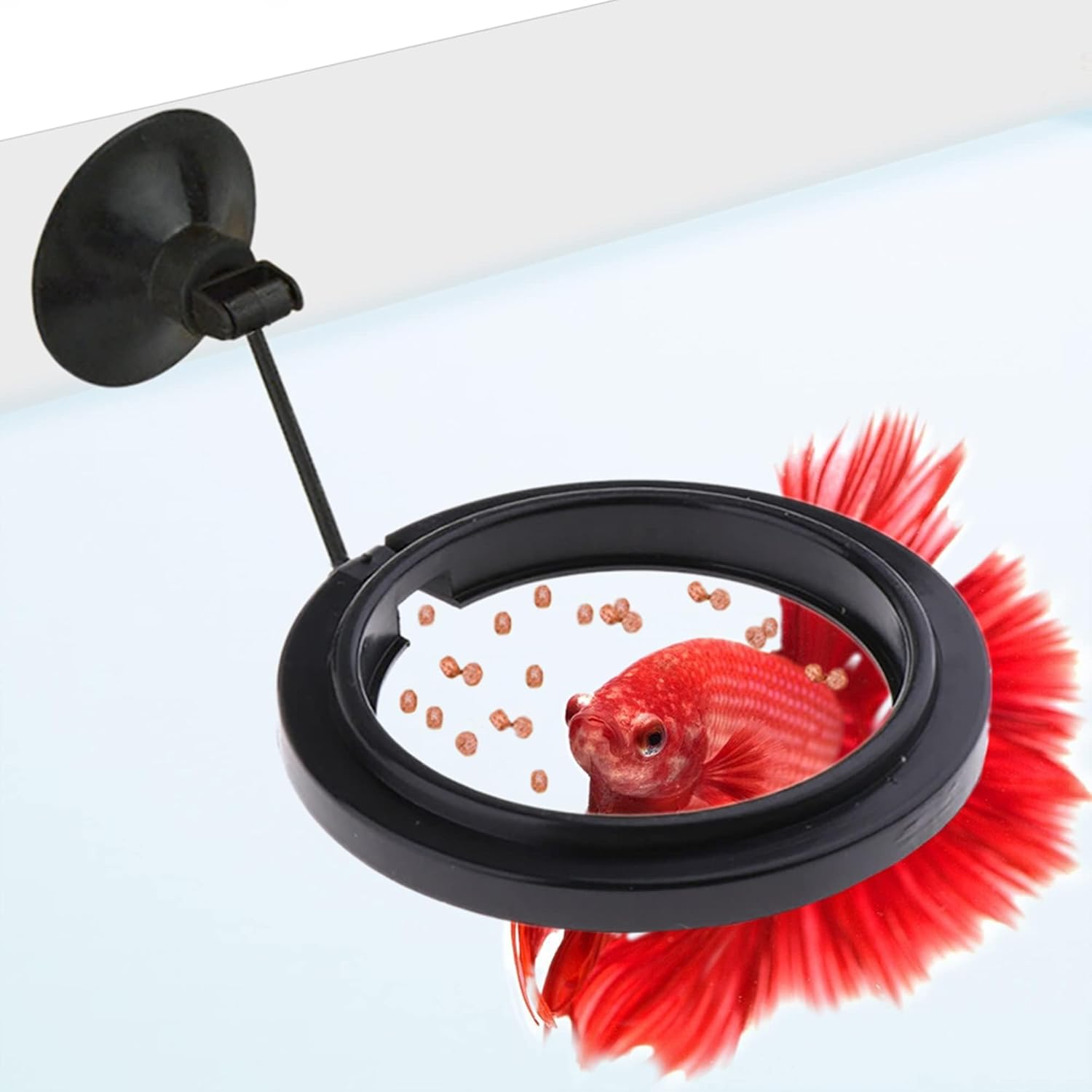
How Do Male Betta Fish Sleep

How do male betta fish sleep is a question many fish owners overlook, yet understanding their sleep habits is essential for keeping your betta healthy and happy. Male bettas typically rest at the bottom of the tank, float near the surface, or even rest on plant leaves, entering a state of reduced activity that can look surprisingly like they are dead or unwell. Recognizing these normal sleep behaviors helps you distinguish rest from potential health issues and ensures your fish gets the quality betta fish sleep it needs to thrive.
Key Takeaways
- Male bettas sleep at the bottom or near plants and decorations in their tank.
- Bettas often rest vertically with their head pointing down, which looks like sleeping.
- Dim lighting helps your male betta feel safe enough to sleep peacefully.
- Male bettas need 12 to 14 hours of darkness daily for healthy rest.
- A tired or stressed betta may sleep more than usual, signaling a problem.
- Keep water temperature stable between 78 and 80°F to support your betta’s sleep cycle.
- Never disturb a sleeping betta, as it causes stress and disrupts their rest.
📑 Table of Contents
- Understanding How Male Betta Fish Sleep
- Common Sleep Positions of Male Betta Fish
- How to Tell If Your Male Betta Fish Is Sleeping
- Factors That Affect How Male Betta Fish Sleep
- Creating the Perfect Sleep Environment for Your Male Betta
- Common Sleep Problems in Male Betta Fish
- Key Takeaways on How Male Betta Fish Sleep
Understanding How Male Betta Fish Sleep
If you have a male betta fish swimming around your tank, you may have noticed some strange behaviors at different times of the day. Maybe your betta just floats still near a plant or rests on the gravel with his fins spread out. So, how do male betta fish sleep? The answer might surprise you.
Male betta fish do sleep, but not the same way we do. They don’t have eyelids that close all the way, and they don’t lie down for hours at a time. Instead, they take short rest periods throughout the day and night. Understanding these rest periods is key to keeping your betta healthy and happy. In this guide, we will walk you through everything about male betta fish sleeping habits, from their favorite sleep positions to the signs that something is wrong.
Whether you are a new betta owner or have had these beautiful fish for years, knowing how your male betta rests will help you provide better betta fish care. Let us dive in and explore the fascinating world of betta sleep.
Do Male Betta Fish Actually Sleep?
Yes, they absolutely do. Many people wonder if their betta is just lazy or if there is something wrong. Rest assured, do male bettas sleep is a completely normal behavior. Betta fish are not nocturnal creatures. They are actually more active during the day and rest more at night, much like humans. However, they also take short naps during the day, especially after a busy period of swimming and exploring.
Male bettas are known for their vibrant colors and flowing fins. They spend a lot of energy showing off and defending territory. All that activity takes a toll. Sleep helps them recharge. Without proper rest, a male betta can become stressed, which leads to health problems. So, recognizing when your betta is sleeping is the first step toward making sure he gets the rest he needs.
If you want to learn more about how bettas rest in general, check out our detailed article on how do betta fish sleep. It covers the basics of betta sleep that apply to all bettas, not just males.
Common Sleep Positions of Male Betta Fish
One of the most interesting things about watching your male betta sleep is seeing the different positions he takes. Bettas are flexible fish, and they can rest in some pretty unusual ways. Each position can tell you something about how comfortable your betta is. Let us look at the most common betta fish sleep positions you might see.
Floating Near the Surface
This is probably the most common sleep position. Your male betta may float near the top of the tank, slightly tilted to one side. He is not struggling. He is simply resting. Some bettas hover just below the water line with their fins slightly spread out. This position allows them to stay close to the surface where oxygen levels are a bit higher. It is a very relaxed and natural sleeping spot.
Resting on the Gravel or Bottom
Some male bettas like to rest on the bottom of the tank. They may lie on their side or even upside down for a short while. This can look alarming at first, but it is usually perfectly normal. Bettas have a special organ called a swim bladder that helps them control their buoyancy. Sometimes, they just let gravity do the work and rest on the substrate. Just make sure the bottom of your tank is clean and free of sharp objects that could harm your fish.
Tucked Behind Plants or Decorations
Male bettas love to find cozy hiding spots. A plant leaf, a cave decoration, or even a corner of the tank can become a favorite sleeping spot. This behavior ties into their natural instincts. In the wild, male bettas protect territories and seek shelter when resting. If your betta disappears behind a plant and stays still for a while, he is probably just taking a nap in his favorite spot.
For more on how bettas behave during sleep, including whether they keep their eyes open, take a look at our article on do betta fish leave their eyes open when they sleep. It is a common question among betta owners.
How to Tell If Your Male Betta Fish Is Sleeping
Since bettas do not close their eyes like we do, it can be tricky to figure out if they are sleeping or just hanging out. Here are some reliable signs that your male betta is in rest mode.
- Stillness: A sleeping betta will be very still. He may drift slowly with the water current but will not actively swim.
- Slow Breathing: Watch the gill plates. A resting betta breathes more slowly than when he is active. The movements will be gentle and rhythmic.
- Fins Relaxed: During sleep, the fins will drape down naturally. They will not be flared or stiff. A flared betta is an alert betta.
- Reduced Response: Your betta may not react to food or movement near the tank right away. He might take a few extra seconds to notice before slowly swimming over.
Daytime Naps vs Nighttime Rest
Male bettas have an interesting fish sleep pattern. They tend to take short naps during the day, often after periods of high activity. These naps may last anywhere from a few minutes to an hour. At night, they enter a deeper rest period. This nighttime rest can last several hours, especially if the tank is dark and quiet.
Aquarium lighting plays a big role here. If you keep the lights on 24/7, your betta will struggle to get proper rest. It is important to give your betta a day-night routine that mimics natural conditions. A good rule of thumb is to keep the lights on for 8 to 12 hours and let the tank go dark for the rest of the time.
You can also learn more about nighttime betta behavior by reading our guide on how do betta fish sleep at night. It dives deeper into what happens after the lights go out.
Factors That Affect How Male Betta Fish Sleep
Not all male bettas sleep the same way. Several factors can influence how much and how well your betta rests. Let us break down the most important ones so you can make sure your fish stays well-rested.
Tank Size and Setup
A bigger tank gives your betta more room to explore, which means he will be more active during waking hours and sleepier during rest times. A cramped tank can cause stress, and a stressed betta will not sleep properly. Ideally, a male betta should live in at least a 5-gallon tank with plenty of space to swim. You can learn more about ideal tank conditions in our article on how long do betta fish live in a 5 gallon tank.
Water Temperature and Quality
Bettas are tropical fish. They need warm water between 76°F and 82°F. If the water is too cold, your betta will become sluggish and may sleep more than usual. If the water is too warm, he may become agitated and sleep less. Clean water is equally important. Ammonia and nitrite spikes can make your betta very sick, which disrupts his natural rest cycles. Test your water regularly and keep those parameters in check.
Health and Age
A healthy young betta will have more energy and take more active naps throughout the day. Older bettas tend to sleep more and swim less. If your betta suddenly starts sleeping much more than usual, it could be a sign of illness. Look out for other symptoms like clamped fins, loss of color, or loss of appetite. These could point to a health issue that needs attention. You can find helpful information on identifying sick bettas in our guide on how do you know a betta fish is dying.
Lighting and Environment
As we mentioned, light exposure directly affects your betta’s sleep. Bright lights during rest times can prevent deep sleep. Also, a noisy environment or frequent tapping on the glass can stress your fish. Keep the area around the tank calm and quiet, especially during your betta’s nighttime rest hours. A consistent betta fish environment helps them feel safe enough to rest deeply.
| Factor | Ideal Condition | Effect on Sleep |
|---|---|---|
| Tank Size | 5 gallons or larger | More space leads to better rest |
| Water Temperature | 76°F to 82°F | Prevents sluggishness or agitation |
| Lighting Schedule | 8-12 hours on, 12-16 hours off | Supports natural sleep-wake cycle |
| Water Quality | 0 ammonia, 0 nitrite | Prevents stress and illness |
| Age | Juvenile vs. adult | Older bettas sleep more |
Creating the Perfect Sleep Environment for Your Male Betta
Now that you know the factors that affect sleep, let us talk about how to create the ideal rest environment. A well-designed tank makes a huge difference in how well your male betta sleeps.
Add Soft Plants and Hiding Spots
Live or silk plants give your betta places to rest and hide. Avoid plastic plants with rough edges that could tear his delicate fins. Some great options include java fern, anubias, and water wisteria. These plants also help clean the water, which adds to your betta’s overall comfort. A comfortable betta fish is a well-rested betta.
Use a Gentle Filter and Heater
Strong filters can create too much current for bettas. They are not the strongest swimmers. A sponge filter or a filter with adjustable flow works best. A heater is also essential to keep the water at a stable temperature. Fluctuating temperatures can disrupt your betta’s rest and cause health problems.
Maintain a Consistent Schedule
Bettas thrive on routine. Feed them at the same times each day. Keep the lights on a consistent schedule. This predictability helps your betta feel secure. When he feels safe, he is more likely to settle into deep, restful sleep. Think of it like how you sleep better when you go to bed at the same time every night.
Quick Tips for Better Betta Sleep
- Turn off tank lights at night or use a timer.
- Keep the room quiet during your betta’s rest hours.
- Avoid tapping on the glass or sudden movements near the tank.
- Do not introduce new tank mates without proper acclimation. If you are unsure about compatibility, check out our article on do betta fish go to sleep for insights on betta behavior.
- Do partial water changes weekly to keep water fresh and clean.
Common Sleep Problems in Male Betta Fish
Sometimes, male bettas have trouble sleeping. This can be a sign that something is off. Let us look at the most common sleep problems and what you can do about them.
Sleeping Too Much
If your betta seems to sleep almost all the time and is not interested in food or play, something is likely wrong. Oversleeping can indicate illness, poor water conditions, or stress. Check your water parameters first. If the readings look fine, watch for other symptoms. Clamped fins, faded colors, and rapid breathing are all red flags. Take action quickly. The sooner you address the problem, the better the outcome.
Not Sleeping at All
On the flip side, some bettas seem to never rest. They swim nonstop and stay hyperactive. This is often a sign of stress. Common causes include an undersized tank, aggressive tank mates, or too much light. Make sure your betta has places to retreat and that the lighting schedule is appropriate. Reducing external noise and movement near the tank can also help calm an anxious betta.
Sleeping in Unusual Positions
We mentioned that bettas can sleep on their sides or even upside down. While this is often normal, there are times when it signals a problem. If your betta is lying on his side and also showing loss of appetite or clamped fins, he may have a swim bladder issue. This is a common condition that can be treated with a brief fast and some dietary adjustments. If your betta appears to be struggling or gasping at the surface, seek help immediately.
Expert Insight: Trust Your Instincts
Experienced betta owners often say that knowing your fish is the best tool you have. Every betta has a unique personality. If your male betta suddenly changes his sleeping behavior, trust your gut. Even small changes can be early warning signs. The betta fish lifespan can be long and rewarding when you catch problems early. Regular observation is your best defense against trouble.
Key Takeaways on How Male Betta Fish Sleep
Understanding how do male betta fish sleep is an important part of being a responsible owner. Here is a quick summary of everything we covered:
- Male bettas do sleep, but they do not close their eyes. Look for stillness, slow breathing, and relaxed fins to identify sleep.
- They take short naps during the day and have a longer rest period at night. A consistent light schedule supports this natural rhythm.
- Sleep positions vary. Floating near the surface, resting on the bottom, and hiding behind plants are all normal behaviors.
- Tank conditions heavily influence sleep quality. Water temperature, cleanliness, and tank size all play a role.
- Watch for changes in sleep patterns. Too much sleep or no sleep at all can signal health or stress issues.
- Creating a comfortable environment with plants, proper filtration, and a consistent routine will help your betta rest well.
Your male betta depends on you to provide the right conditions for rest. By paying attention to his sleeping habits and making small adjustments, you can help him live a longer, healthier, and happier life. A well-rested betta is a happy betta, and a happy betta makes for an incredible pet. Start implementing these tips today and watch your betta thrive.
Frequently Asked Questions
How Do Male Betta Fish Sleep?
Male betta fish sleep by resting at the bottom of the tank or floating near the surface, often tucked against a leaf or decoration. Their colors may appear faded, and their fins will hang loosely while they rest. This is completely normal and essential for their health and energy recovery.
Why Does My Male Betta Fish Sleep So Much?
Male bettas typically sleep around 12 to 14 hours a day, which includes nighttime rest and short daytime naps. If your fish seems overly lethargic, it could be due to low water temperature, poor water quality, or illness. Maintaining a consistent tank environment helps regulate their sleep patterns naturally.
Where Do Male Betta Fish Like to Sleep?
Male bettas prefer to sleep in cozy, sheltered spots such as behind aquarium plants, inside caves, or resting on broad leaves. Some will even float near the water’s surface while sleeping, using a leaf as a hammock. Providing hiding spots and live plants in the tank encourages natural, stress-free resting behavior.
Is It Normal for a Male Betta Fish to Sleep at the Bottom of the Tank?
Yes, sleeping at the bottom of the tank is a normal and common behavior for male bettas. They often find a comfortable surface like gravel, a plant leaf, or a flat rock to rest on. However, if they stay at the bottom for extended periods without moving or eating, it may signal a health issue worth investigating.
How Can You Tell if a Male Betta Fish Is Sleeping?
A sleeping male betta fish will appear still, with fins relaxed and slightly drooped. Their body color may look lighter or paler than usual, which is a natural defense mechanism to blend in while resting. They will also be unresponsive to movement or food near them during their rest period.
Do Male Betta Fish Have a Regular Sleep Schedule?
Yes, male bettas tend to follow a light-based sleep schedule, resting when the lights are off and napping during dim or dark periods. Keeping a consistent day-night cycle with 8 to 12 hours of light helps them maintain healthy sleep habits. Avoid leaving tank lights on all night, as this can disrupt their rest and cause stress.