How Do Female Betta Fish Have Babies
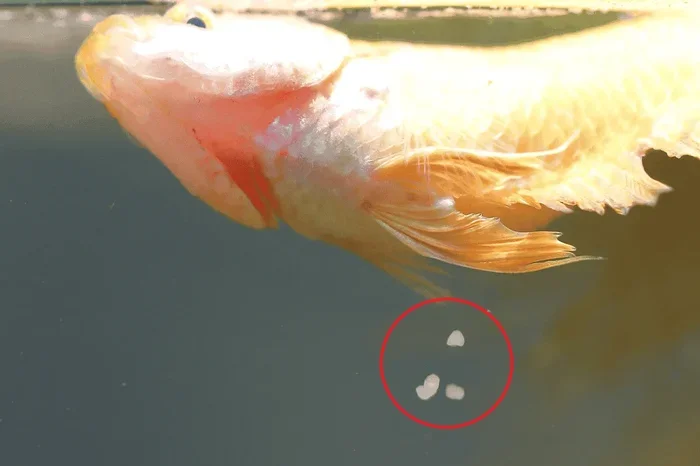
How do female betta fish have babies? Female bettas don’t give live birth—they lay eggs that the male fertilizes and guards in a bubble nest. The entire process involves mating, egg-laying, fertilization, and careful fry care. Understanding this lifecycle helps fish keepers support their bettas through every stage successfully.
Have you ever wondered how do female betta fish have babies? It’s a fascinating process that’s very different from what most people expect. Many fish keepers assume bettas give live birth like some other species. But that’s not the case at all. Female bettas are egg-layers, and their breeding journey is full of interesting behaviors and careful steps.
Whether you’re a new betta owner or a seasoned hobbyist, understanding the betta fish reproduction process is incredibly rewarding. You’ll learn about egg production, bubble nests, and the delicate first weeks of fry life. This guide covers everything you need to know about how female bettas bring new life into the world.
The process starts with understanding that female betta fish don’t carry babies inside their bodies. Instead, they release eggs that must be fertilized by a male. From there, the male takes over most of the parenting duties. Let’s dive into each stage of this remarkable journey.
Key Takeaways
- Betta fish are egg-layers: Female bettas release eggs that the male fertilizes externally, they do not give live birth.
- The male builds a bubble nest: This nest holds the fertilized eggs safely until they hatch into fry.
- Females can produce 10-50 eggs per cycle: The number depends on her age, health, and tank conditions.
- Separation after mating is critical: The male may become aggressive toward the female once eggs are laid.
- Fry care requires special attention: Tiny betta fry need infusoria or specially formulated food in their first days.
- Not all females can reproduce without a male: Can female betta fish have babies without a male? Generally no, eggs need fertilization.
📑 Table of Contents
The Betta Fish Breeding Process
Betta fish breeding is a carefully orchestrated dance between male and female. Each step plays a vital role in producing healthy offspring. Understanding this process helps you create the right environment for successful reproduction.
How Betta Fish Mate
Before any eggs appear, the male and female need to bond. This courtship phase is essential. The male displays vibrant colors and builds a bubble nest at the water’s surface. The female responds by darkening in color and developing vertical stripes, known as breeding bars.
During mating, the male wraps his body around the female. This triggers her to release eggs. The male then fertilizes them externally. This whole process happens quickly, often lasting just a few minutes. After mating, the female releases her eggs and the male collects them in his mouth to place them in the bubble nest.
Betta fish mating can be stressful for both fish. That’s why many experienced keepers monitor the process closely. Removing the female after egg release is often recommended to prevent aggression from the male.
Do Betta Fish Lay Eggs or Have Live Birth?
This is one of the most common questions among new betta owners. The answer is clear: betta fish lay eggs. They do not give live birth. A female betta releases eggs into the water, and the male fertilizes them outside her body.
Some people confuse this with livebearers like guppies. But bettas are far from livebearers. They share more in common with egg-laying fish like goldfish and angelfish. If you want to explore this topic further, check out our article on do betta fish lay eggs or have live birth for more details.
The eggs are tiny, white, and translucent. They look nothing like the eggs of chickens or other common animals. Each egg is barely visible to the naked eye. A healthy female can produce dozens of eggs in a single spawning session.
The Role of the Male Betta Fish
While the female provides the eggs, the male does the heavy lifting when it comes to parenting. He builds the bubble nest, fertilizes the eggs, and guards them until they hatch. This is a critical role that requires a calm and stable environment.
The bubble nest is made of air bubbles coated with saliva. It floats at the surface of the water and provides a safe space for the eggs. The male constantly tends to the nest, repairing any broken bubbles and retrieving any eggs that fall.
If the male is removed too early or stressed, he may abandon or even eat the eggs. This is why tank conditions and careful observation matter so much during the breeding phase.
Signs That a Female Betta Fish Is Ready to Breed
Not every female betta is ready to reproduce at all times. There are specific signs that indicate she is in breeding condition. Recognizing these signs helps you time the breeding process correctly.
- Vertical stripes on the body: These are called breeding bars and signal that the female is ready to mate.
- Swollen abdomen: A noticeably rounder belly means she is carrying eggs inside her.
- White spot on the ovipositor: This small tube-like structure near the ventral area releases the eggs during spawning.
- Increased appetite: A breeding-ready female often eats more than usual.
- Active behavior: She may become more energetic and responsive to the male’s displays.
If you notice these signs, your female betta is likely ready to participate in the breeding process. However, not every female will show all of these signs. Each fish has her own personality and timeline.
How Many Eggs Does a Female Betta Fish Produce?
The number of eggs a female betta produces can vary widely. On average, a healthy female lays between 10 and 50 eggs per spawning cycle. Some experienced breeders have reported even higher numbers under ideal conditions.
Factors that influence egg count include the female’s age, size, and overall health. A well-fed, mature female in optimal tank conditions will produce more eggs than a younger or stressed fish. Water temperature, diet, and tank cleanliness all play a role too.
It’s important to note that not all eggs will be fertilized. The male may not successfully fertilize every single one. And even fertilized eggs may not hatch due to genetic issues or environmental factors. For more information on fry numbers, you can read our guide on how many fry do betta fish have.
| Factor | Effect on Egg Production |
|---|---|
| Age of Female | Mature females (6+ months) produce more eggs |
| Tank Temperature | Warm water (80-82°F) encourages spawning |
| Diet Quality | Protein-rich food increases egg count |
| Stress Levels | High stress reduces or stops egg production |
| Water Quality | Clean water supports healthy egg development |
Caring for Betta Fish Eggs and Fry
Once the eggs are in the bubble nest, the male takes over care duties. But as a fish keeper, you still play an important role. Proper care during this stage determines whether the eggs hatch and the fry survive.
Egg Development and Hatching
Betta fish eggs typically hatch within 24 to 48 hours. During this time, the male guards the nest fiercely. He will pick up any fallen eggs and return them to the nest. The eggs are very fragile and sensitive to water conditions.
You should avoid disturbing the tank during this period. Sudden movements or changes in water parameters can harm the developing embryos. Keep the water temperature stable and maintain gentle filtration to avoid disrupting the nest.
After hatching, the fry are incredibly tiny and look like translucent threads. They still have a yolk sac attached to their bodies, which provides nutrients for the first day or two. During this time, they don’t need external food yet.
Feeding Betta Fry
Once the yolk sac is absorbed, the fry need to start eating on their own. This is where things get tricky. Betta fry are too small to eat regular fish food. You need to provide specially sized nutrition.
- Infusoria: These microscopic organisms are the perfect first food for newborn fry.
- Baby brine shrimp: A popular and nutritious option for fry that are a few days old.
- Commercial fry food: Specialty liquid foods designed for tiny fish work well too.
- Boiled egg yolk: A small amount dissolved in water can serve as a temporary food source.
Feed the fry several times a day in tiny amounts. Overfeeding can quickly foul the water and harm the delicate fry. Clean, warm water is essential for their survival during these early weeks.
When to Separate the Fry
As the fry grow, they start to show their own personalities and behaviors. After about 3 to 4 weeks, you may notice fin development and color beginning to appear. At this stage, it’s important to separate them into individual containers or a grow-out tank.
Male fry can become territorial surprisingly early. Even at a few weeks old, they may start flaring and chasing each other. Separating them prevents injuries and ensures each fish has enough space to grow properly.
Common Mistakes in Betta Breeding
Breeding betta fish can be rewarding, but it also comes with pitfalls. Many beginners make mistakes that reduce their chances of success. Here are some common errors to avoid.
- Skipping the conditioning phase: Both male and female need to be well-fed and healthy before breeding. Rushing into the process leads to poor results.
- Keeping the female with the male too long: The male can become aggressive after spawning. Leaving the female in the tank risks injury.
- Using the wrong tank size: A breeding tank should be at least 10 gallons with a gentle filter and stable heater.
- Ignoring water parameters: pH should be between 6.5 and 7.0, and temperature should be around 80-82°F.
- Overfeeding the fry: Excess food decays quickly and poisons the water. Small, frequent feedings are much safer.
Avoiding these mistakes gives you a much better chance of raising healthy betta fry from eggs to adults. Patience and careful observation are your best tools throughout the process.
Can a Female Betta Fish Have Babies Without a Male?
This is a question that comes up often in betta forums. The short answer is no. Female bettas cannot produce viable offspring without a male to fertilize the eggs. While a female may still release eggs, those eggs will not develop into fry without fertilization.
Some people confuse egg-laying with actual reproduction. A female betta can produce eggs even without a male present. But these unfertilized eggs will not hatch. They are essentially waste products that the female’s body releases.
If you’re curious about this topic in more detail, our article on can female betta fish have babies without male explores this subject thoroughly. Understanding the difference between egg production and actual reproduction is key to being a knowledgeable fish keeper.
Betta fish reproduction requires both a male and a female working together. The male’s role in building the bubble nest and fertilizing the eggs is absolutely essential. Without him, the breeding cycle cannot be completed successfully.
Key Takeaways
- Betta fish are egg-layers: Female bettas release eggs that the male fertilizes externally, they do not give live birth.
- The male builds a bubble nest: This nest holds the fertilized eggs safely until they hatch into fry.
- Females can produce 10-50 eggs per cycle: The number depends on her age, health, and tank conditions.
- Separation after mating is critical: The male may become aggressive toward the female once eggs are laid.
- Fry care requires special attention: Tiny betta fry need infusoria or specially formulated food in their first days.
- Not all females can reproduce without a male: Female bettas need a male to fertilize eggs for viable offspring.
- Patience is essential: From egg to fully grown betta, the process takes several weeks of dedicated care.
Conclusion
How do female betta fish have babies? The answer lies in a beautiful, natural process that involves both parents in different but equally important ways. The female releases eggs, the male fertilizes them, and together they create the next generation of betta fish. Understanding each stage of this journey helps you provide better care and potentially raise healthy fry of your own.
Betta fish breeding is not something to rush into. It requires preparation, patience, and a commitment to proper care. But for those willing to put in the effort, watching eggs turn into tiny fry and eventually into vibrant adult fish is one of the most rewarding experiences in the hobby.
Whether you’re a curious beginner or a dedicated breeder, knowing the ins and outs of how female betta fish reproduce gives you an edge. You’ll be better equipped to create the right conditions, recognize breeding signs, and raise healthy offspring. Start with a healthy male and female, maintain pristine water conditions, and let nature take its course.
The world of betta fish reproduction is truly fascinating. Each spawning cycle brings new life and new opportunities to learn. Embrace the process, enjoy the journey, and remember that every successful batch of fry is a testament to your care and dedication as a fish keeper.
Frequently Asked Questions
Do female betta fish lay eggs or give live birth?
Female betta fish lay eggs. They do not give live birth. The female releases eggs into the water, and the male fertilizes them externally. The male then places the fertilized eggs into a bubble nest he built at the water’s surface.
How long does it take for betta fish eggs to hatch?
Betta fish eggs typically hatch within 24 to 48 hours after being placed in the bubble nest. The male guards the nest during this time and carefully tends to the eggs. After hatching, the fry absorb their yolk sacs for nutrition for the first day or two.
Can a female betta fish get pregnant without a male?
No, a female betta cannot produce fertilized eggs or offspring without a male. She may still release unfertilized eggs, but these will not develop into fry. For more details on this topic, visit our article on can female betta fish have babies.
How many fry can a female betta fish produce at once?
A healthy female betta can produce between 10 and 50 eggs per spawning cycle. Not all of these will be fertilized or hatch successfully. Factors like the female’s age, health, and tank conditions affect the final number of fry. Learn more in our guide on how many fry do betta fish have.
What should I feed betta fry when they first hatch?
Newly hatched betta fry survive on their yolk sac for the first day or two. After that, they need extremely small food like infusoria or commercially available liquid fry food. As they grow, you can gradually introduce baby brine shrimp and finely crushed flakes.
Should I separate the female betta from the male after breeding?
Yes, you should remove the female after spawning is complete. The male becomes very protective and may chase or even harm the female. Leaving the male alone with the eggs in the bubble nest is the safest approach for both fish.