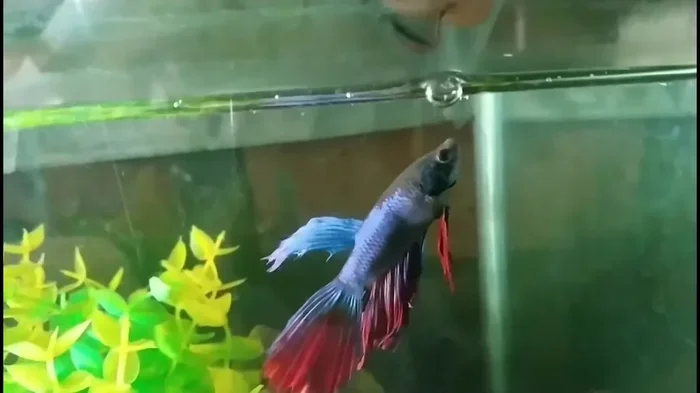
can you use filter water for betta fish tank setups safely

Filter water for betta fish is safe and effective when prepared properly. This guide explains how to use filtered water correctly, including choosing the right filter type, dechlorinating water, and avoiding common mistakes. By following simple steps, you can create a perfect environment for your betta fish tank without risking health issues.
What Is Filter Water for Betta Fish?
When we talk about using filter water for betta fish, we usually mean water that has been passed through a dedicated filtration system to remove impurities before entering the tank. This could be activated charcoal, a sponge filter cartridge, or even a whole aquarium filter designed specifically for small tropical setups. The core idea is straightforward: clean the water, make it safe, and give your betta a comfortable home.
Why does this matter? Many betta fish originate from different natural habitats. Some came from slow-moving streams filled with organic material, while others were taken from urban aquariums where chlorine and other chemicals are abundant. Their starting water can hold hidden dangers. Unfiltered creek water might bring too many bacteria or parasites, while tap water carries chlorine that can irritate delicate gills. Filtrated water offers a balanced solution—cleaner, more stable, and less stressful for your new pet.
Think of it like preparing food for a guest. You wouldn’t serve someone raw vegetables mixed with dirt; you’d wash, peel, and season them first. The same principle applies to fish. Before adding any water containing filter media to your betta’s enclosure, you must treat it properly. Otherwise, you risk shocking your fish or introducing unwanted chemicals that could harm their health long-term.
Types of Filters Suitable for Betta Tanks
Choosing the right filter matters as much as choosing the right water. There are three main approaches you can take, depending on your setup:
Plastic Bag Filters
These are the simplest and most affordable option. You place a sealed plastic bag inside the tank where the filter media sits. As water flows past the bag, it becomes cleaner. These work wonders in tiny bowls or very small tanks. However, they don’t change the overall chemical composition of the water—they mainly capture physical debris. For a single betta in a small dish, this is often enough.
Sponge Filters
Sponge filters attach to the sides of larger display tanks. They act like gentle water movers, circulating water through a washable sponge that traps waste and bacteria. Because the flow is soft, they’re excellent for peaceful betta behavior. They also host beneficial bacteria that help process waste naturally. Whether you prefer a quiet bubble zone or active swimming, sponge filters offer versatility.
Full-Size Aquarium Filters
These are the robust units with skimmers, pump intakes, and multi-stage media. They handle bigger volumes and give you precise control over water movement. Ideal for enthusiasts running medium or large tanks. They can incorporate carbon blocks, ceramic rings, and even powerheads for extra oxygenation. For a single betta, however, they might be overkill unless you also plan to add more fish later.
Each option has strengths. The budget beginner needs a plastic bag filter. The decorative fanatic will love the sponge variety. The future owner planning a big display should invest in a full-flow system. Regardless of choice, remember that the filter itself isn’t a magic wand—it works hand-in-hand with daily care routines.
How to Prepare Filter Water Safely
Getting the right water is half the battle. Even perfectly filtered water can become dangerous if you skip crucial steps. Here’s a step-by-step process to guarantee safety:
Dechlorinate the water
Tap water often contains chlorine and chloramines—chemicals that evaporate slowly but are toxic to aquatic life. Most filter systems have built-in dechlorinator pouches, but you might need additional tablets if your water comes from a heavily treated source. Test your water first if you can, then treat according to manufacturer guidelines. Never assume your local water is safe just because you’ve used it before.
Match the temperature
Betta fish thrive at temperatures between 72°F and 80°F (22°C to 27°C). If your filtered water is cold or hot compared to the tank, sudden changes can stress the fish and disrupt their metabolism. Allow the water to warm or cool gradually. A few minutes in a heated container or a cool room before adding it to the tank makes the difference between calm adaptation and panic.
Oxygenate the water
Filtering removes dissolved gases along with impurities. After running your filter for two minutes, you’ll notice the water feels flat. This is normal—you need to restore oxygen. Plug an air stone into the filter outlet or float a lid with small holes outside the tank. Alternatively, raise the water level slightly until the top line breaks. Fresh oxygen supports the betta’s respiratory system and keeps it lively.
Check for hidden contaminants
Some filter cartridges trap heavy metals or pesticides that aren’t obvious at first glance. If you suspect your water source is compromised, consider premium options like bottled spring water. Look for labels that promise purity and fish safety. Nature provides alternatives too—rainwater collected in clean containers can be a natural choice for some regions.
Common Mistakes When Using Filter Water
Even with careful planning, new fish keepers fall into traps. Recognizing these pitfalls saves you from costly errors:
The Big Jump
Moving your betta from treated water to the tank all at once is risky. A sudden influx of uncycled water can cause ammonia spikes, leading to illness. Instead, perform a gradual acclimation. Let the filtered water sit with the tank’s water for twenty-four hours before introducing your new fish. This lets the temperature and chemistry stabilize together.
Skipping Pre-Oxygenation
Bettas are bottom dwellers who often rest near low-oxygen pockets. If you dump cold, dechlorinated water into a stagnant tank without extra aeration, your fish may struggle to breathe. They’ll tend to surface and open their mouths wide—a sign of distress. Running an air pump for ten minutes beforehand solves this problem completely.
Neglecting Initial Tests
It’s tempting to think filtered water is identical to tap water—that’s false. The physical clarity exists, but invisible toxins remain. Before adding any new water, test for ammonia, nitrite, and nitrate. Sticky notes in your tank folder remind you to check weekly. Small imbalances compound over time and lead to cloudy water or sick fish.
Overfilling the New Environment
Pouring gallons of filtered water into an established tank too quickly dilutes the beneficial bacteria you’ve worked to build. Your cycle needs time to adapt. Stir gently when changing water and monitor the ammonia levels closely during those adjustment weeks.
Comparison: Filtered vs Untreated Water for Bettas
Many owners wonder whether untreated tap water is ever acceptable for bettas. The answer is generally no for new setups. Here’s how they stack up across key categories:
| Factor | Filtered Water | Untreated Tap Water |
|——–|—————|———————-|
| Chemical Safety | Chlorine removed; pathogens controlled | Chlorine present; potential toxicity |
| Biological Load | Lower initial bacterial count | Higher bacterial load |
| Tank Acclimation Time | Reduced to days | Extended to weeks |
| Long-Term Cost | Medium (replacement parts) | Lowest (no filtration needed) |
| Health Risk | Minimal | Significant if not managed |
Filtered water gives you control. Untreated water relies on luck and patience. For a happy, disease-free betta, investment in proper filtration pays dividends every day.
Best Practices Checklist
To master filtered water usage, follow this essential checklist:
Test everything before adding. Always check pH, ammonia, nitrite, and nitrate. Keep records and review them monthly.
Gradually introduce new water. Mix filtered water with tank water for at least twenty-four hours. Watch how your fish react before committing.
Perform regular maintenance. Change filter cartridges monthly. Clean sponge filters weekly. This prevents clogs and maintains water quality.
Monitor temperature vigilantly. Keep a thermometer handy. Fluctuations below sixty-eight degrees Fahrenheit threaten your betta’s immune system.
Provide ample hiding spaces. Even with perfect water, stress kills. A hidden castle or plant shield reduces anxiety and promotes healing.
Avoid overloading filters. One stage at a time ensures efficiency. Too many cartridges clog faster and reduce effectiveness.
Real-World Example: Troubleshooting a Betta Setup
Suppose you bought a beautiful new betta named Bubba. His previous home was a backyard pond with creek water. You decided to move him to a glass tank using filtered tap water. What happened?
Initially, Bubba looked fine. He swam happily for a week. Then his color faded, and he stopped eating. Water tests revealed rising ammonia and a slight blue-green film on the surface. Oh no! The culprit wasn’t the filter—it was poor acclimation. You added the water too fast, causing a shock. Next, we switched to a slower method: letting the filtered water mix with tank water for four days. After that, the ammonia dropped. Now Bubba is healthy again.
This story shows how technique beats equipment. The right filter is great, but skipping the preparation steps causes problems. Always prepare that water properly, regardless of the filter brand.
Conclusion
Using filter water for betta fish is not only safe—it’s recommended for maintaining crystal-clear, thriving tanks. The journey starts with understanding what filter water actually is, choosing the appropriate filter for your tank size, and executing careful preparation steps. By dechlorinating, matching temperature, and oxygenating thoroughly, you protect your betta from hidden threats. Remember, consistency matters more than perfection. Small adjustments each day build a stable environment. Invest in quality filtration, stay attentive to parameter changes, and watch your betta flourish. With these simple practices, you can confidently use filtered water for your betta fish tank and enjoy years of healthy, vibrant companionship.
Key Takeaways
- Use pre-filtered water only after thorough dechlorination and oxygenation.
- Not all filters are equal – choose based on tank size and biofiltration needs.
- Always match water temperature to your betta’s habitat.
- Test your water regularly even with filtered water.
- Avoid direct mixing of chlorinated tap water with live fish.
- Combine multiple filter stages for optimal water quality.
Frequently Asked Questions
Question?
Is it safe to use filter water for my betta fish?
Question?
What types of filters work best for betta fish tanks?
Question?
Do I need to condition tap water before using a filter?
Question?
Will filtered water change my betta’s natural habitat preferences?
Question?
How long should I acclimate a new betta to filtered water?
Question?
Can I use distilled water instead of filtered water for my betta?