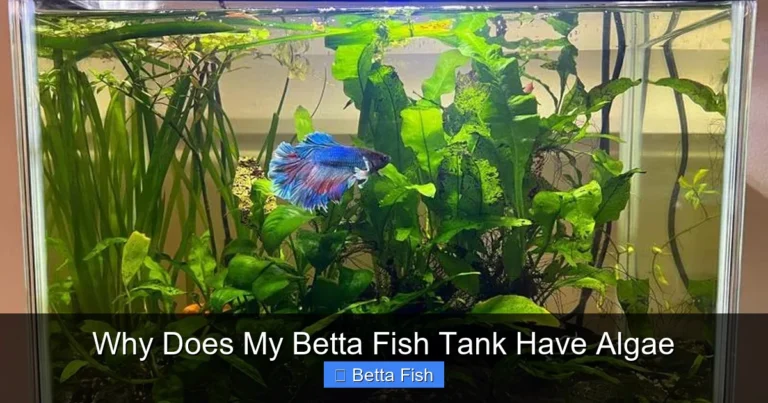
How Do Betta Fish Act
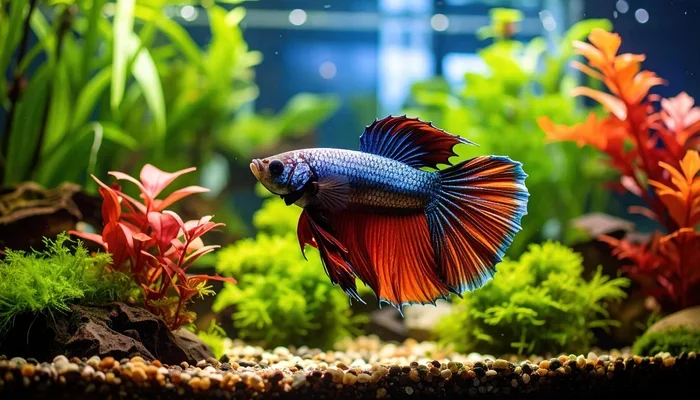
Understanding how do betta fish act is the key to keeping them healthy and happy. Betta fish show their feelings through swimming patterns, color changes, and eating habits. This guide covers everything from normal betta behavior to warning signs that something is wrong, so you can respond fast and keep your fish thriving.
Have you ever watched your betta fish and wondered, “What on earth is it doing now?” Betta fish are fascinating creatures. They flash colors, build nests, and sometimes just stare at you from the corner of the tank. How do betta fish act in different situations? The answer tells you a lot about their health, mood, and comfort level.
Knowing your betta’s normal behavior is one of the most important skills you can build as a fish owner. When you understand betta fish behavior, you can spot problems early. You can catch stress signs before they turn into serious illness. And you can celebrate the happy moments that make keeping bettas so rewarding.
This guide breaks down everything you need to know. From normal betta activity to warning signs that something is wrong, we cover it all. Whether you are a new betta parent or have had fish for years, you will find practical tips and insights here.
Key Takeaways
- Normal betta behavior includes active swimming, flaring, and building bubble nests.
- Changes in appetite are one of the earliest signs that your betta is stressed or sick.
- Lethargy and hiding often point to poor water conditions or illness.
- Flaring and chasing are natural behaviors but can signal aggression or stress in small tanks.
- Color fading and clamped fins are clear distress signals every betta owner should know.
- Sleeping patterns in bettas are normal and should not be mistaken for illness.
- Quick action when you notice unusual behavior can save your betta’s life.
📑 Table of Contents
- What Is Normal Betta Fish Behavior?
- How Do Betta Fish Act When They Are Happy?
- Warning Signs: When Betta Fish Act Differently
- How Do Betta Fish Act When They Are Sick?
- How Do Betta Fish Act When They Are Dying?
- Betta Fish Behavior by Time of Day
- Common Mistakes That Affect Betta Behavior
- When to Call a Vet or Seek Expert Help
- Conclusion
What Is Normal Betta Fish Behavior?
Before you can spot something wrong, you need to know what right looks like. Normal betta fish behavior covers a wide range of actions. Every betta has its own personality. But most bettas share common patterns that signal they are healthy and happy.
Active Swimming Patterns
A healthy betta swims with purpose. It moves around the tank exploring corners, plants, and decorations. Your fish should glide smoothly through the water without jerking or struggling. Strong swimming is a great sign that your betta is feeling good.
Some bettas like to hover near the surface. Others dart to the bottom and back up again. Both are perfectly normal. What matters is that the movement looks smooth and natural.
Flaring and Displaying Fins
Flaring is when a betta spreads its gills and fins wide. You might see this when your fish sees its reflection in the glass. It can also happen when you walk past the tank. Betta fish flaring is a natural behavior. It is how they show dominance or curiosity.
Occasional flaring is fine. But if your betta flares constantly, it may be stressed. A tank placed in a high-traffic area can cause this. Try moving the tank to a quieter spot if flaring seems nonstop.
Building Bubble Nests
Male bettas build bubble nests at the surface of the water. This is a sign of a happy, healthy fish. Even in a single-species tank, a male betta may build nests just because it feels safe. The nest looks like a cluster of tiny bubbles stuck together.
Not all bettas build nests. And female bettas rarely do. So if you do not see one, do not panic. But if you do, consider it a compliment. Your fish feels comfortable in its home.
How Do Betta Fish Act When They Are Happy?
A happy betta is easy to spot once you know the signs. Happy betta behavior shows up in several clear ways. Your fish will be alert, curious, and full of energy.
- Bright, vivid colors. A content betta displays rich reds, blues, and greens. Colors fade when a fish is stressed or unwell.
- Eager feeding response. A happy betta gets excited at mealtime. It swims to the top quickly and eats with enthusiasm.
- Exploration. Your fish should check out every corner of the tank. This shows it feels safe enough to wander.
- Bubble nest building. As mentioned above, this is a strong indicator of comfort and well-being.
- Relaxed fins. When fins are open and flowing (not clamped), your betta is at ease.
Keep in mind that bettas have unique personalities. Some are bold and flashy. Others are shy and subtle. Neither type is wrong. The key is knowing what is normal for your fish so you can notice changes over time.
Warning Signs: When Betta Fish Act Differently
This is where things get serious. Unusual betta behavior is often the first clue that something is off. Fish cannot talk, so they communicate through actions. Learning to read these signals can make all the difference.
Lethargy and Lack of Movement
If your betta barely moves, something is wrong. A healthy betta should be active during the day. Some laziness is normal in the evening, but constant lethargy is not. A fish that sits at the bottom or floats listlessly needs attention.
Common causes include poor water quality, low temperatures, and disease. Test your water parameters. Check the heater. And consider whether your betta might be fighting an infection. Betta fish lethargy is one of the most common complaints among owners, and it is also one of the most fixable.
Loss of Appetite
Betta fish love food. So when your fish refuses to eat, it is a red flag. A missed meal now and then is not a big deal. But if your betta skips two or more feedings, pay attention.
Stress, illness, and bad water conditions can all kill appetite. Try offering different foods like frozen brine shrimp or bloodworms. If your fish still will not eat, it is time to investigate further. Appetite changes are often the earliest betta fish signs of trouble.
Color Fading and Fin Rot
A vibrant betta is a healthy betta. When colors start to dull, it usually means stress or illness. Fins that look ragged, shredded, or discolored may be suffering from fin rot. This is a common bacterial or fungal infection.
Fin rot spreads fast if ignored. But caught early, it is very treatable. Do a water change, check your parameters, and consider a mild treatment. You can also learn more about caring for a sick betta in our guide on how to cure a sick betta fish.
Clamped Fins
Clamped fins mean your betta holds its fins tight against its body instead of spreading them. This is a classic stress signal. It can be caused by poor water quality, temperature swings, or illness.
If you notice clamped fins, test your water immediately. Ammonia and nitrite levels should both be at zero. Nitrate should stay below 20 ppm. A quick water change often helps, but persistent clamping needs closer investigation.
How Do Betta Fish Act When They Are Sick?
Sick bettas show clear behavioral changes. The earlier you catch these signs, the better the chances of recovery. Here are the most common symptoms of ailing betta fish health.
Swimming Erratically
Is your betta swimming in circles? Scraping against rocks? Swimming sideways or upside down? These are all abnormal betta fish swimming patterns. They can point to swim bladder disease, parasites, or water quality issues.
Swim bladder disease is especially common. It affects a fish’s buoyancy. Your betta may struggle to stay upright. Feeding a blanched pea can sometimes help. But if the problem persists, you may need to adjust the diet or treat the water.
Hiding and Avoiding Interaction
Bettas are curious fish. They should not spend all day hiding behind plants or in corners. If your normally outgoing betta suddenly becomes a recluse, something is stressing it out.
Common stressors include bright lights, aggressive tankmates, and loud noises near the tank. Try dimming the lights and reducing activity around the aquarium. If the hiding continues, check for physical signs of illness like spots, bloating, or redness.
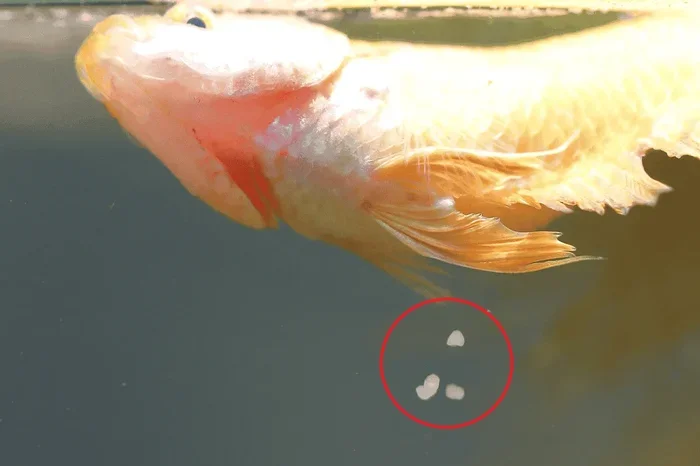
Gasping at the Surface
A betta that gulps air at the surface is not just being quirky. Gasping usually means the water has low oxygen or high ammonia. This is a dangerous situation that needs fast action.
Do an immediate water change. Check your filter to make sure it is working properly. Add an air stone if needed. If your betta keeps gasping, test the water for ammonia and nitrite right away. Gasping behavior should never be ignored.
How Do Betta Fish Act When They Are Dying?
This is the hardest topic for any fish owner. But knowing the signs a betta fish is dying helps you make informed decisions. It also helps you provide comfort in the final stages.
A dying betta often becomes very still. It may stop eating entirely. Colors fade dramatically, and the body may look pale or gray. Fins may clench tightly. Some fish sink to the bottom and barely move. Others float listlessly at the top.
If you notice these signs, check your water parameters immediately. Sometimes a sudden water change and temperature adjustment can help. But if the decline is due to old age or a terminal illness, focus on keeping your fish comfortable. You can find more guidance on recognizing these signs in our article about how do you know a betta fish is dying.
It is also worth noting that sometimes bettas act dead before they actually pass. A fish may lie still on the bottom and appear lifeless. But with gentle stimulation, it may revive temporarily. This is a heartbreaking but real phenomenon. If you are unsure, you can read more about this in our guide on how do betta fish act dead.
Betta Fish Behavior by Time of Day
Betta fish have clear daily routines. Understanding these patterns helps you interpret their actions correctly. Not every odd behavior is a cause for concern.
Morning Behavior
Most bettas are most active in the morning. They swim to the surface to breathe and explore the tank. This is a great time to feed your fish and observe its overall condition. A hungry, eager morning response is a strong sign of good health.
Afternoon Rest Periods
Bettas often rest during the afternoon. They may hover in one spot or lie on a leaf. This is normal. Bettas are not constantly active like some other fish species. They need downtime just like we do.
However, if your betta sleeps for long stretches during the day and shows no interest in food or exploration, that could signal a problem. Sleep patterns are a useful health indicator when you know what is typical for your fish.
Nighttime and Sleep
Bettas need darkness to rest properly. They will dim their colors and settle into sleep at night. Some bettas even burrow into the substrate or tuck behind decorations. This is perfectly normal.
If you want to learn more about betta sleep habits, check out our article on how do betta fish sleep at night. Understanding their sleep cycle helps you avoid mistaking rest for illness.
Nighttime Restlessness
A betta that darts around the tank at night may be stressed. This can happen if the tank light is too bright or if there are shadows passing by. Cover the tank with a dark cloth at night if needed. A calm, dark environment promotes healthy rest.
Common Mistakes That Affect Betta Behavior
Many behavior problems in bettas come from mistakes owners make. Fixing these issues often fixes the behavior too.
- Too small a tank. Bettas need at least a 5-gallon tank. Tiny bowls cause stress and shorten lifespan. Learn more about tank size requirements in our guide on how big of a tank do betta fish need.
- No heater. Bettas are tropical fish. Cold water makes them sluggish and sick. Keep the temperature between 78 and 80 degrees Fahrenheit.
- Overfeeding. This causes bloating and swim bladder problems. Feed small amounts twice a day. Remove uneaten food after five minutes.
- Wrong tankmates. Aggressive fish stress bettas. Even colorful fish with long fins can trigger constant flaring and exhaustion.
- Skipping water changes. Dirty water leads to ammonia buildup. This causes stress, disease, and strange behavior.
Avoiding these common pitfalls goes a long way toward keeping your betta happy and well-behaved. A clean, warm, properly sized tank with good food sets the foundation for healthy betta behavior.
When to Call a Vet or Seek Expert Help
Not every behavior problem has a simple fix. If you have checked the water, adjusted the diet, and improved the tank setup but your betta still acts strangely, it may be time to seek help.
Fish veterinarians and experienced aquarists can diagnose conditions that are hard to spot at home. Look for online forums, local fish clubs, or exotic vet clinics in your area. Early professional intervention can save a fish that might otherwise be lost.
Also, our guide on how do you play with your betta fish offers great tips for bonding with your fish and encouraging natural, active behavior through enrichment and interaction.
Conclusion
Understanding how do betta fish act is one of the most rewarding parts of fish ownership. Your betta communicates through movement, color, appetite, and energy level. When you learn to read these signals, you become a better caretaker. You catch problems early. You celebrate the good days. And you build a stronger bond with your fish.
Remember that every betta is different. What is normal for one fish may not be normal for another. The key is observation and consistency. Watch your fish daily. Keep the water clean and warm. Feed a balanced diet. And respond quickly when something seems off.
Betta fish behavior tells a story. Learn to read it, and you will give your fish the best life possible. Start today. Watch closely. And enjoy the journey of understanding your beautiful betta.
Frequently Asked Questions
Why is my betta fish acting weird all of a sudden?
Sudden behavior changes usually point to stress or illness. Check your water parameters first. Ammonia and nitrite spikes are common culprits. Also consider recent changes like new tankmates, temperature swings, or changes in feeding routine.
How do I know if my betta fish is stressed?
Stressed bettas show clamped fins, faded colors, hiding, and loss of appetite. They may also gasp at the surface or swim erratically. Fixing the underlying cause, such as poor water quality or aggressive tankmates, usually resolves these signs.
Is it normal for betta fish to lie at the bottom of the tank?
Occasional resting on the bottom is normal. But if your betta stays there constantly and refuses food, it could signal illness or poor water conditions. Pay attention to other symptoms like color fading or clamped fins.
Can betta fish recognize their owner?
Yes, bettas can learn to recognize their owner over time. They often swim to the front of the tank when you approach. Many bettas also get excited at feeding time and may even learn simple tricks with patience and practice.
What should I do if my betta fish stops eating?
First, test your water quality. Then try offering a different food like frozen brine shrimp or bloodworms. If your betta still refuses food after two days, look for other symptoms of illness and consider consulting a fish vet.
How can I make my betta fish more active?
Keep the water temperature between 78 and 80 degrees Fahrenheit. Provide enrichment like plants and decorations to explore. Feed a varied diet in small amounts. And make sure the tank is large enough, at least 5 gallons, for your betta to swim comfortably.