How Can You Tell If Betta Fish Wants to Connect
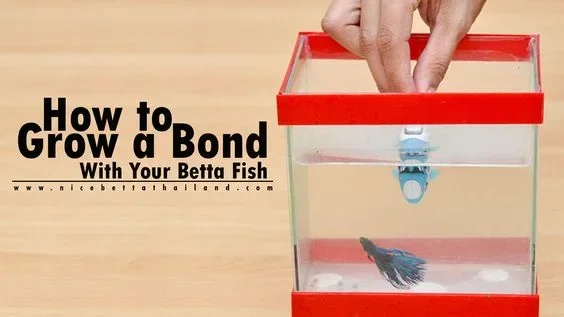
Figuring out how can you tell if betta fish wants to connect is easier than most fish owners think. Bettas display clear behavioral signals like following your hand, flaring at you playfully, and swimming to the glass when you approach. Understanding these signs helps you build a trusting, interactive relationship with your colorful companion.
Have you ever stood in front of your aquarium and wondered if your betta fish actually notices you? Maybe your betta swims to the front of the tank every time you walk by, or maybe it flares its fins in a dramatic display. These moments make you think, how can you tell if betta fish wants to connect with you or with other fish in the tank?
The truth is, betta fish are far more aware of their surroundings than most people give them credit for. They are intelligent, curious creatures with distinct personalities. Many owners don’t realize that their betta is actively trying to communicate. Betta fish bonding is real, and once you learn to read the signals, everything changes.
This guide walks you through every sign that your betta wants to connect. You will learn about betta fish behavior, body language cues, and simple ways to encourage interaction. Whether you are a new betta owner or have had your fish for years, these insights will deepen your understanding of your aquatic friend.
Key Takeaways
- Bettas show connection-seeking behavior through swimming patterns, flaring, and following movements outside the tank.
- Recognizing betta fish body language is the first step toward meaningful interaction and bonding.
- Signs like hunger responses and greeting behaviors indicate your betta wants attention and companionship.
- Understanding betta fish social behavior helps you avoid common mistakes that push your fish away.
- Building a bond takes patience but the rewards of a responsive, engaged betta are well worth the effort.
- Know the difference between connection signals and stress signs to respond appropriately and keep your fish healthy.
📑 Table of Contents
Understanding Betta Fish Social Behavior
Before diving into specific signs, it helps to understand what drives a betta’s need to connect. Bettas are not the lonely, aggressive fish many stereotypes suggest. In reality, they are curious and observant. They watch their environment closely and respond to what happens around them.
In the wild, bettas live in shallow rice paddies and slow-moving streams. They encounter other creatures regularly. This means they are naturally wired to notice and react to activity nearby. Betta fish social behavior is rooted in this environment. Your fish is not ignoring you. It is watching, processing, and responding in its own way.
Why Bettas Crave Interaction
Bettas have excellent vision. They can see movement and shapes outside the tank very clearly. This is why many bettas swim to the front of the tank when their owner walks into the room. They are not just floating aimlessly. They are paying attention and looking for engagement.
Some bettas even learn their owner’s routine. They may get excited at feeding time or swim to a specific spot when you approach. This kind of betta fish interaction shows that your fish has formed a connection. It recognizes you as a source of food, comfort, and stimulation.
How Can You Tell If Betta Fish Wants to Connect
Now let’s get to the heart of the matter. How can you tell if betta fish wants to connect with you? There are several clear signs that your betta is reaching out for social engagement. Here are the most reliable indicators.
Swimming to the Glass When You Approach
This is probably the most common and easiest-to-spot sign. When you walk up to the tank and your betta immediately swims toward the glass, it wants your attention. Some bettas will hover at the surface right at eye level. Others will follow your movements from side to side.
If your betta does this consistently, it has associated you with positive experiences. Maybe you feed it, maybe you talk to it, or maybe you just sit near the tank and it enjoys the company. Either way, this behavior is a clear betta fish happiness sign.
Flaring Fins in a Playful Way
Flaring gets a bad reputation. People think it always means aggression. But flaring can also be a sign of excitement and curiosity. When your betta flares at you without showing other signs of stress, it is engaging with you.
Think of it like a dog wagging its tail. The flaring is a form of betta fish communication. It says, “I see you, and I am alert.” If the flaring is brief and followed by swimming or exploring, your fish is simply saying hello.
Following Your Hand or Movements
Some bettas are incredibly dedicated followers. They will track your hand as you move along the outside of the tank. They may follow your finger if you draw shapes in the water (gently, of course). This behavior shows genuine betta fish engagement and curiosity.
Not all bettas do this, but those that do are often the most interactive and personality-rich fish you will own. It is one of the strongest indicators that your betta wants to connect on a regular basis.
Responding to Your Voice
Bettas may not understand words, but they respond to vibrations and sound patterns. Many owners report that their bettas swim up when they talk to the tank. Some bettas even seem to recognize their owner’s voice specifically.
Try talking softly near the tank for a few days and watch the response. If your betta swims closer or flares gently, it is connecting with you through sound. This is a simple but powerful form of betta fish bonding.
Showing Excitement at Feeding Time
A betta that races to the surface when it sees you preparing food is telling you something. It has learned that you mean mealtime. More than that, it has built a positive association with your presence. This kind of betta fish attention seeking is healthy and normal.
However, be careful not to overfeed. If you want to learn more about proper feeding schedules, check out how often you need to feed a betta fish to keep your fish healthy and happy.
Creating Bubble Nests Near the Surface
Bubble nests are often associated with breeding, but they also signal a happy, comfortable betta. A betta that builds bubble nests regularly feels secure in its environment. This comfort often translates into more outgoing, interactive behavior. A happy betta is a betta that wants to connect.
Signs Your Betta Is Not Interested in Connecting
Just as important as knowing the positive signs is understanding when your betta is not in the mood. Betta fish body language can tell you a lot about its current state. Here are signs that your fish may be stressed or disengaged.
- Hiding in corners or behind decorations for extended periods.
- Clamped fins pressed close to the body, which signals discomfort.
- Refusing food even at regular feeding times.
- Lethargy or staying at the bottom of the tank without moving.
- Loss of color fading significantly over a few days.
If you notice these signs, your betta may be unwell or stressed. It is worth learning more about how do you know if your betta fish is sick so you can act quickly. Sometimes a fish that seems uninterested in connecting is simply not feeling well.
How to Encourage Your Betta to Connect
Once you understand the signs, the next step is actively encouraging betta fish interaction. Here are practical ways to build a stronger connection with your fish.
Spend Time Near the Tank
Simply being present helps. Sit near the tank for a few minutes each day. Talk softly, move your hand gently, or just let your betta observe you. Over time, your fish will grow more comfortable and curious. This is the foundation of betta fish bonding.
Use Finger Training
Some owners train their bettas to follow a finger or eat from their hand. Start by placing your clean finger near the tank wall. Wait for your betta to notice. Reward any interest with a small food treat. Repeat daily. Within a week or two, many bettas will follow the finger reliably.
This kind of training builds trust and provides mental stimulation. It is one of the best ways to turn a passive fish into an active, engaged companion.
Add Visual Stimuli to the Tank
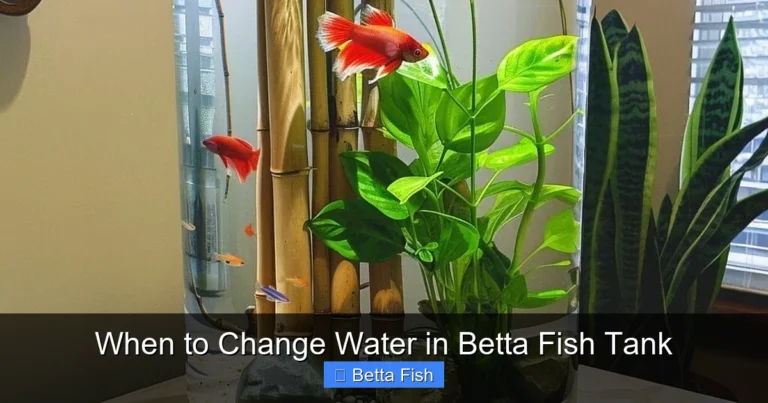
A stimulating environment encourages a betta to be more active and outgoing. Consider adding plants, caves, and open swimming areas. A well-designed tank gives your betta confidence to explore and interact. You can also place the tank in a busy room where your betta can watch household activity.
Just make sure the tank is not too close to loud speakers or direct sunlight. A calm, comfortable environment supports healthy betta fish social behavior.
Consider a Tank Mate (With Caution)
If you want your betta to connect with another living creature, a compatible tank mate might work. However, this requires careful planning. Bettas can be territorial, especially males. Not every fish species is a good match.
If you are curious about whether your betta can share its space, learn more about whether betta food works for other freshwater fish and compatibility tips. A good tank mate relationship enriches both fish lives.
Common Mistakes That Stop Connection
Many well-meaning owners accidentally discourage their betta from wanting to connect. Here are the most common mistakes to avoid.
Tap the Glass Repeatedly
It might seem harmless, but tapping the glass startles bettas. It creates vibrations that feel threatening. Over time, your betta will associate your presence with stress instead of positive interaction. Avoid tapping altogether.
Overcrowd the Tank
A cramped tank makes any fish anxious. Bettas need at least 5 gallons of space, and more is always better. When a tank is too small, your betta becomes territorial and withdrawn. This kills any chance of betta fish engagement.
Ignore the Water Quality
A fish in dirty water is a stressed fish. Poor water conditions lead to illness, lethargy, and disinterest in everything around it. Regular water changes and proper filtration are non-negotiable for a happy, interactive betta.
Force Interaction
Not every betta is outgoing right away. Some need weeks of quiet observation before they warm up. Forcing interaction by reaching into the tank too soon can set back your progress. Let your betta set the pace.
Expert Insights on Betta Fish Connection
Experienced betta keepers agree that the bond between owner and fish is real and rewarding. Many report that their bettas recognize them after just a few weeks of daily interaction. The key is consistency and patience.
Betta fish personality varies from fish to fish. Some are naturally bold and social. Others are shy and prefer to observe from a distance. Neither type is wrong. Your job is to respect your fish’s individual temperament while gently encouraging positive interaction.
If you ever worry that your betta is not behaving normally, it is worth checking for health issues. A quick guide on how to tell if your betta fish is sick can help you catch problems early and keep your fish on the path to a happy, connected life.
Understanding how can you tell if betta fish wants to connect transforms the owner-fish relationship from passive care to active companionship. You stop just feeding and cleaning. You start communicating, bonding, and enjoying the unique personality of your betta every single day.
Key Takeaways
- Betta fish show connection-seeking behavior through swimming to the glass, flaring playfully, and following movements outside the tank.
- Recognizing betta fish body language helps you distinguish between bonding signals and signs of stress or illness.
- Signs like following your finger, responding to your voice, and excitement at feeding time all indicate your betta wants attention and companionship.
- Understanding betta fish social behavior helps you avoid common mistakes like tapping glass or overcrowding the tank.
- Building a bond takes patience and consistency but the rewards of a responsive, engaged betta are well worth the effort.
- Know the difference between connection signals and stress signs to respond appropriately and keep your fish healthy and happy.
- A stimulating tank environment and gentle training encourage your betta to become more interactive and trusting over time.
Conclusion
How can you tell if betta fish wants to connect? The answer is all around you if you know what to look for. From swimming patterns to fin flaring to following your hand, your betta communicates constantly. The key is paying attention and responding with patience and care.
Building a connection with your betta fish is one of the most rewarding parts of fish keeping. It turns a simple aquarium into a living relationship. Your fish becomes more than a pet. It becomes a companion with a distinct personality and clear preferences.
Start today. Spend a few quiet minutes by the tank. Watch your betta closely. You will be amazed at how much it is trying to tell you. And once you understand, the bond between you and your betta will grow in ways you never expected.
For more tips on keeping your betta healthy and happy, explore our full range of betta care guides at bettafishinfo.com. Every article is designed to help you become the best owner your betta fish can have.
Frequently Asked Questions
How can you tell if a betta fish wants attention?
Your betta wants attention if it swims to the glass when you approach, follows your hand, flares its fins playfully, or gets excited at feeding time. These behaviors show that your fish recognizes you and wants interaction. Consistent engagement is the clearest sign of an attention-seeking betta.
What are the signs of a happy betta fish?
A happy betta swims actively, builds bubble nests, shows bright colors, and responds to your presence. It will flare gently without stress and may follow movements outside the tank. If your betta eats eagerly and explores its environment, it is likely content and comfortable.
Can betta fish recognize their owners?
Yes, bettas can recognize their owners over time. They associate you with feeding, care, and positive experiences. Many owners report their bettas swimming to the front of the tank specifically when they approach. This recognition develops through consistent daily interaction and routine.
How do you build a bond with your betta fish?
Spend time near the tank daily, talk softly, and offer gentle finger training. Feed your betta on a consistent schedule and maintain excellent water quality. Avoid tapping the glass or making sudden loud noises. Patience and repetition are the keys to building trust and a lasting bond.
Is it normal for betta fish to be lonely?
Bettas are solitary by nature but still benefit from interaction with their owners. They do not need another fish for companionship, but they do need stimulation and engagement from you. A well-decorated tank and regular interaction prevent loneliness and encourage healthy behavior.
What should you do if your betta fish stops interacting?
First, check water parameters and temperature to rule out environmental stress. Look for signs of illness like clamped fins, loss of color, or lethargy. If the tank conditions are good, give your betta some quiet time and try gentle interaction again. If behavior does not improve, consult a fish health guide or veterinarian.