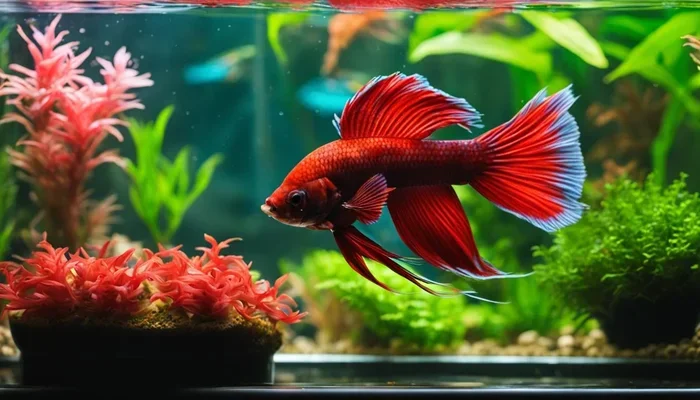
How Can I Wake Betta Fish
Waking your betta fish is usually simple and harmless. Bettas sleep a lot, and their rest patterns can surprise new fish owners. This guide covers safe ways to wake your betta, reasons they might be extra sleepy, and how to keep them active and healthy.
Have you ever walked up to your betta fish tank and wondered if your fish was dead or just sleeping? You are not alone. Many betta owners panic when they see their fish sitting still at the bottom of the tank or floating motionless. The truth is, betta fish sleep a lot, and their resting habits can look a lot like something is wrong.
Knowing how to wake your betta fish gently and understanding why they sleep so much is a key part of betta fish care. In this article, we will walk you through everything you need to know. You will learn safe waking methods, what normal sleep looks like, and when you should actually be concerned. Let us get started.
Key Takeaways
- Bettas sleep a lot: They rest 12 to 14 hours a day, just like humans.
- Gentle methods work best: Tap the glass slowly or adjust the light to wake your betta naturally.
- Sleep patterns are normal: Bettas often sleep on the bottom, on leaves, or even float vertically.
- Environment matters: Tank temperature, lighting, and stimulation affect how active your betta stays.
- Know when to worry: If your betta is unresponsive or showing other signs of illness, check for sickness right away.
- Daily routines help: Feeding schedules and tank maintenance keep your betta on a healthy cycle.
📑 Table of Contents
- Why Does My Betta Fish Sleep So Much?
- How To Safely Wake Your Betta Fish
- How To Tell If Your Betta Is Sleeping or Sick
- Creating a Better Environment for Your Betta Fish
- Daily Habits That Keep Your Betta Fish Active
- Common Mistakes That Make Betta Fish Lethargic
- When To Seek Help for a Lethargic Betta Fish
- Final Thoughts on Waking Your Betta Fish
Why Does My Betta Fish Sleep So Much?
Betta fish are not nocturnal, but they are not super active all day either. They follow a daily sleep routine that is similar to ours. Understanding this routine helps you know what is normal and what is not.
Normal Sleep Patterns for Bettas
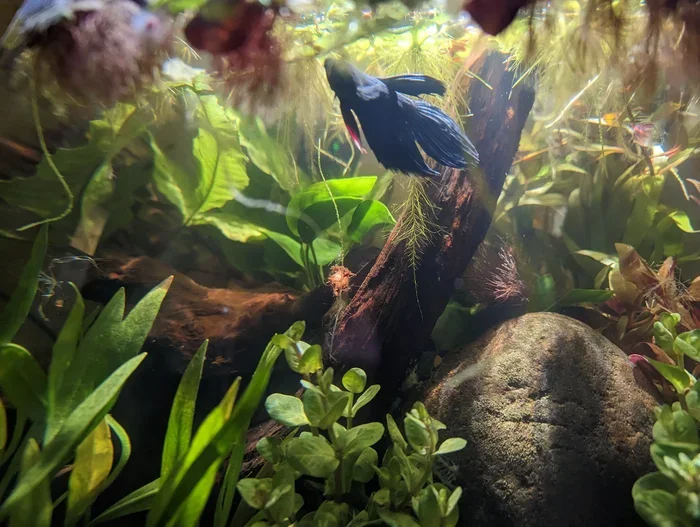
On average, a healthy betta sleeps between 12 and 14 hours every day. They usually rest at night and take short naps during the day. You might find your betta sleeping on a leaf, resting on the gravel, or even floating near the surface.
Some bettas like to curl up in corners. Others spread out on flat surfaces. These behaviors are all normal. As long as your fish wakes up easily and eats well, there is usually nothing to worry about.
Factors That Increase Sleep
Several things can make your betta sleep more than usual:
- Low water temperature: Cold water slows down a betta’s metabolism, making them drowsy.
- Lack of light: Bettas rely on light cycles to regulate their sleep.
- Boredom: A dull tank with nothing to explore can make a betta lethargic.
- Illness: Some diseases cause extreme tiredness and inactivity.
- Old age: Older bettas naturally sleep more than younger ones.
If your betta seems extra sleepy, check the tank temperature first. Bettas thrive in water between 76 and 82 degrees Fahrenheit. Anything below that can make them sluggish.
How To Safely Wake Your Betta Fish
Waking your betta fish is usually straightforward. The key is to be gentle and patient. Sudden movements or loud noises can stress your fish out, which is the last thing you want.
Method 1: Adjust the Tank Lighting
The easiest and most natural way to wake your betta is by adjusting the tank lights. If your betta is napping during the day, simply turn on the room light or the aquarium light. Bettas respond to light changes and will naturally start swimming around once the lights come on.
Set your lights on a timer so your betta gets a consistent schedule. This helps them stay active during the day and sleep soundly at night. A regular light cycle also supports healthy betta fish behavior.
Method 2: Tap the Glass Gently
Another simple method is to tap the glass slowly. Not too hard. Just a light tap or two. Your betta will sense the vibration and may swim over to check what is going on.
Do this only occasionally. Tapping too often can stress your fish and make them anxious. Think of it as a gentle hello, not an alarm clock.
Method 3: Feed Them
Bettas are food-motivated. The smell of food can quickly wake them up and get them swimming. Drop a few pellets near them and wait. Most bettas will not resist the chance to eat.
Just be careful not to overfeed. Feed only what your betta can eat in two to three minutes. Extra food can pollute the water and harm your fish.
Method 4: Use a Light Flash
Some owners use a small flashlight to shine light into the tank. This can gently rouse a sleeping betta. Hold the flashlight near the tank for a few seconds and move it around slowly.
Avoid shining the light directly into the fish’s eyes for too long. A brief flash is enough to get their attention without causing stress.
How To Tell If Your Betta Is Sleeping or Sick
This is one of the most common concerns among betta owners. A sleeping betta and a sick betta can look very similar at first glance. Knowing the difference can save your fish’s life.
Signs Your Betta Is Just Sleeping
- The fish is still and resting on a surface.
- The gills are still slowly moving, showing normal breathing.
- The eyes are not sunken or cloudy.
- The body color looks normal, not pale or faded.
- The fish responds to light or food after a short while.
A sleeping betta will eventually wake up and resume normal activity. They will swim to the surface to breathe and show interest in food. This is a good sign that everything is fine.
Signs Your Betta May Be Sick
- The fish does not respond to food or light at all.
- The gills are breathing rapidly or not at all.
- The body is covered in white spots, clamped fins, or unusual patches.
- The fish floats sideways or struggles to stay upright.
- The water in the tank looks dirty or has a bad smell.
If you notice these signs, do not wait. Check your betta fish health right away. You might want to look at resources on how to tell if your betta fish is sick for more detailed guidance. Early detection makes a big difference in treatment success.
Creating a Better Environment for Your Betta Fish
A good tank setup does more than just look nice. It directly affects how active and healthy your betta feels. A stressed or bored betta will sleep more and show less energy.
Tank Size and Setup
Many people keep bettas in tiny bowls, but this is not ideal. A tank of at least 5 gallons gives your betta room to swim and explore. Add some live plants, caves, and open swimming areas. This kind of betta fish habitat keeps your fish mentally stimulated and physically active.
Water Quality Matters
Clean water is essential for a healthy betta. Dirty water can make your fish tired and prone to illness. Regular water changes and proper filtration go a long way.
If you use a filter, make sure the current is not too strong. Bettas prefer gentle water flow. You can also check if you can use a vacuum for your betta fish tank to keep the substrate clean without disturbing your fish too much.
Temperature and Lighting
Keep the water temperature stable between 76 and 82 degrees Fahrenheit. Use a heater with a thermostat to maintain consistent warmth. As for lighting, provide 8 to 10 hours of light per day. This mimics a natural day cycle and keeps your betta on a healthy rhythm.
Avoid placing the tank near windows where direct sunlight can cause temperature swings. A stable environment reduces stress and keeps your betta active.
Daily Habits That Keep Your Betta Fish Active
Consistency is key when it comes to betta care. A predictable routine helps your fish feel secure and stay active throughout the day.
Stick to a Feeding Schedule
Feed your betta at the same times each day. Morning and evening feedings work well. This gives your fish something to look forward to and encourages natural activity around meal times.
Variety is also important. Rotate between high-quality pellets, frozen foods, and occasional treats like bloodworms. This keeps mealtime exciting and supports good nutrition.
Add Tank Enrichment
Enrichment items like floating logs, betta hammocks, and live plants give your fish things to do. Some bettas enjoy exploring new decorations. You can even rearrange the tank occasionally to give them a fresh environment.
Just be careful not to overdo it. Too many changes at once can stress your fish. Make small adjustments over time.
Talk to Your Betta
This might sound funny, but many betta owners notice their fish respond to their voice. Talking gently near the tank can get your betta to swim over and check you out. It is a simple way to bond with your fish and encourage activity.
Common Mistakes That Make Betta Fish Lethargic
Sometimes the reason your betta seems sleepy has nothing to do with sleep. Common care mistakes can cause lethargy and low energy. Here are a few to avoid.
Overfeeding
Overfeeding is one of the most common mistakes new betta owners make. Excess food rots in the tank and pollutes the water. This leads to poor water quality, which makes your fish tired and sick.
Stick to small portions and remove any uneaten food after a few minutes. Your betta will be healthier and more active as a result.
Wrong Water Temperature
Water that is too cold or too hot can make your betta sluggish. Cold water slows their metabolism, while hot water reduces oxygen levels. Both conditions lead to low energy and increased sleep.
Invest in a reliable aquarium thermometer and check the temperature daily. Small adjustments can make a huge difference in your betta’s energy levels.
Ignoring Water Changes
Even with a filter, water changes are essential. Waste products build up over time and can harm your fish. Aim for a 25 percent water change every week to keep the tank clean and fresh.
If you are ever unsure about water quality, you can test it with a simple aquarium test kit. This helps you catch problems before they affect your betta’s health.
When To Seek Help for a Lethargic Betta Fish
Most of the time, a sleepy betta just needs a gentle wake-up or a better routine. But sometimes, lethargy is a sign of something more serious. Knowing when to take action is important.
If your betta does not respond to any of the waking methods, does not eat for more than two days, or shows visible signs of illness, it is time to take a closer look. You might want to read about signs that your betta fish may be dying so you know what to watch for.
Some conditions like fin rot, ich, and swim bladder disease can cause extreme tiredness. These are treatable if caught early. The sooner you act, the better the chances of recovery.
You can also consider taking your betta to a vet. Some pet stores like Petco offer fish health consultations. Check out whether you can take your betta fish to the vet at Petco for more information on this option.
Final Thoughts on Waking Your Betta Fish
Waking your betta fish does not have to be stressful. Most of the time, a gentle tap on the glass, a light adjustment, or the smell of food is all it takes. The real goal is not just to wake them up but to create an environment where they stay active and healthy throughout the day.
Pay attention to your betta’s sleep patterns, water conditions, and overall behavior. Small changes in their routine or habitat can lead to big improvements in energy and happiness. Remember, a well-rested betta is a healthy betta, but an overly sleepy betta might need your help.
Use the tips in this guide to build a better daily routine for your fish. Keep the tank clean, the temperature stable, and the environment enriching. Your betta will thank you with vibrant colors and lively swimming. Understanding how to wake betta fish is just the first step toward being a great betta owner. Keep learning, keep caring, and enjoy every moment with your colorful companion.
Frequently Asked Questions
Why does my betta fish sleep so much during the day?
Bettas naturally sleep 12 to 14 hours a day, and they often take naps during daylight. If your tank lighting is dim or inconsistent, your betta may sleep even more. Try adjusting the light schedule to encourage more daytime activity.
Is it okay to tap on the tank to wake my betta?
Yes, a gentle tap on the glass is fine occasionally. It creates a vibration that gets your betta’s attention without causing stress. Just do not tap too hard or too frequently, as this can make your fish anxious over time.
Can I use a flashlight to wake my betta fish?
You can, but keep it brief. Shine the light near the tank for a few seconds and avoid pointing it directly into the fish’s eyes. A short flash is enough to wake your betta without bothering them.
What if my betta fish does not wake up at all?
If your betta does not respond to light, food, or gentle tapping, check for signs of illness. Look at the gills, body color, and fin condition. You may want to review how to tell if your betta fish is sick for more guidance on identifying health problems.
How can I make my betta fish more active?
Keep the water temperature between 76 and 82 degrees, maintain a consistent light cycle, feed a varied diet, and add tank enrichment like plants and decorations. A stimulating environment naturally encourages your betta to swim and explore more.
Should I worry if my betta sleeps on the bottom of the tank?
Not always. Bettas often rest on the bottom, especially at night. However, if your betta stays on the bottom for long periods and does not respond to food or light, it could be a sign of illness or poor water conditions. Monitor their behavior closely and test the water quality.