Can You Put Tap Water In A Betta Fish Tank Without Harm

Can you put tap water in a betta fish tank without harm? Yes, but you must treat it properly to remove chlorine, chloramine, and heavy metals, and adjust pH to suit your betta’s needs. Follow the steps below to condition tap water safely and create a thriving habitat for your fish.
Betta fish are one of the most popular freshwater pets because of their vibrant colors and flowing fins. Many new owners wonder if they can simply fill the tank with tap water and add their betta right away. The answer is not a simple yes or no. Tap water varies by location and often contains substances that are safe for humans but dangerous for delicate fish.
In this guide we will explain exactly what is in tap water, why it can harm bettas, and how to make it safe. You will learn step‑by‑step how to treat tap water, what water parameters to aim for, and how to set up a tank that keeps your betta thriving. By the end you will feel confident using tap water without risking your fish’s health.
Key Takeaways
- Point 1: Tap water contains chlorine, chloramine, and sometimes heavy metals that can harm betta fish if not treated.
- Point 2: A reliable water conditioner (dechlorinator) neutralizes harmful chemicals and makes tap water safe for bettas.
- Point 3: Ideal betta water parameters are pH 6.5‑7.5, temperature 76‑80°F, and low ammonia/nitrite levels.
- Point 4: Always test water after treatment and before adding your betta to ensure safety.
- Point 5: Avoid common mistakes like skipping conditioner, using hot tap water directly, or ignoring pH shock.
- Point 6: Regular partial water changes with treated tap water keep the tank stable and your betta happy.
📑 Table of Contents
Understanding Tap Water and Its Risks for Betta Fish
Before you pour tap water into a betta tank, it helps to know what you are dealing with. Municipal water is treated to make it safe for people to drink, but those same treatments can be problematic for fish.
What’s in Tap Water?
Tap water typically contains:
- Chlorine – added to kill bacteria.
- Chloramine – a more stable chlorine‑ammonia compound used in many cities.
- Heavy metals such as copper, lead, or zinc from pipes.
- Minerals that affect hardness and pH.
- Sometimes fluoride or other additives.
While these substances are harmless to humans at low levels, they can damage a betta’s gills, stress the fish, or even cause death.
Why Untreated Tap Water Can Be Dangerous
If you add untreated tap water directly to a betta tank, the chlorine and chloramine will burn the fish’s sensitive gill tissue. Heavy metals can accumulate in the fish’s body over time. Sudden changes in pH or hardness can cause shock, leading to lethargy, loss of color, or clamped fins. In short, putting betta fish in untreated tap water is risky and often harmful.
If you want a quick answer on whether tap water can be used, see our article Can You Use Tap Water In A Betta Fish Tank for the basics.
How to Make Tap Water Safe for Betta Fish
The good news is that tap water can be made perfectly safe with a few simple steps. The most important step is using a water conditioner, also called a dechlorinator.
Using a Water Conditioner (Dechlorinator)
A quality water conditioner neutralizes chlorine, chloramine, and binds heavy metals. Choose a product that specifically mentions betta fish or is labeled safe for all freshwater fish.
- Fill a clean container with the amount of tap water you need for the tank.
- Add the recommended dose of conditioner (usually a few drops per gallon).
- Stir gently and let it sit for the time indicated on the label (often 5‑15 minutes).
- Test the water if you have a test kit to confirm chlorine is gone.
After conditioning, the water is safe to add to your betta tank.
Letting Water Sit (Aging) – Pros and Cons
Some hobbyists let tap water sit for 24‑48 hours to allow chlorine to evaporate. This method works for chlorine but does not remove chloramine or heavy metals. Because many water supplies now use chloramine, aging alone is not reliable. If you choose to age water, still use a conditioner to be safe.
Testing Water Parameters
Even after conditioning, you should check the water’s pH, hardness, and temperature. Use a liquid test kit or reliable test strips. Adjust pH only if it is far outside the betta’s preferred range (6.5‑7.5). Use a heater to bring the temperature to 76‑80°F before adding the fish.
Ideal Water Parameters for Betta Fish
Bettas thrive in water that mimics their natural shallow, warm habitats. Keeping parameters stable is key to long‑term health.
pH, Temperature, and Hardness
- pH: 6.5‑7.5 is ideal. Sudden shifts can cause stress.
- Temperature: 76‑80°F (24‑27°C). Use an adjustable heater.
- Hardness: Soft to moderately soft water (3‑8 dGH) works well.
If your tap water is very hard or very soft, you can mix it with reverse osmosis (RO) water or use a peat bag to soften it slightly.
Ammonia, Nitrite, and Nitrate Levels
In a cycled tank, ammonia and nitrite should always be at 0 ppm. Nitrate should stay below 20‑30 ppm. Regular partial water changes with treated tap water keep these levels low.
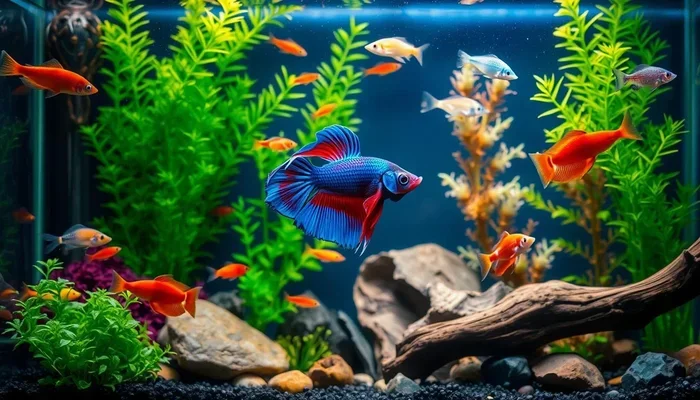
Setting Up a Betta Tank with Treated Tap Water
Now that you know how to make tap water safe, let’s walk through setting up a tank that uses treated tap water from the start.
Tank Size and Equipment
Bettas need at least a 5‑gallon tank, though larger is better. Essential equipment includes:
- A gentle filter (low flow to avoid strong currents).
- A heater with a thermostat.
- A light (optional but helps with plant growth).
- A thermometer.
- A water test kit.
Rinse all equipment with tap water (no soap) before use.
Cycling the Tank
Before adding your betta, the tank must go through the nitrogen cycle to establish beneficial bacteria that convert ammonia to nitrite and then to nitrate. You can cycle with fishless methods using ammonia drops or with hardy starter fish (though fishless is safer for the betta). The process takes 2‑4 weeks. Test water regularly; when ammonia and nitrite are zero and nitrate appears, the tank is ready.
Adding Plants and Decor
Live or silk plants provide hiding spots and reduce stress. Avoid sharp plastic decorations that can tear fins. Rinse decor in treated tap water before placing it in the tank.
Common Mistakes When Using Tap Water
Even experienced aquarists can slip up. Knowing the pitfalls helps you avoid them.
Skipping Conditioner
The most frequent error is forgetting to add a water conditioner. Never assume tap water is safe just because it looks clear. Always treat it.
Overlooking pH Shock
If your treated tap water has a pH far different from the tank’s current pH, the betta can experience shock. Test both and adjust slowly using a pH buffer if needed, aiming for a change of no more than 0.2 per day.
Using Hot Tap Water Directly
Hot water from the tap can contain higher levels of dissolved metals from the water heater. Always draw cold water and then heat it separately with the tank’s heater.
Not Testing After Treatment
Conditioners work quickly, but it’s wise to test for chlorine after treatment, especially if you are unsure of the dosage.
Expert Insights and Quick Tips
Quick Tips
- Keep a spare bottle of conditioner on hand for emergency water changes.
- Label your water containers so you don’t mix treated and untreated water.
- Use a dedicated cup or jug for adding water to the tank to avoid contamination.
- If you notice your betta gasping at the surface, test water immediately – it could be chlorine or low oxygen.
- Perform a 25% water change weekly with treated tap water to keep nitrate low.
Expert Insights
“The key to a healthy betta is stability. Treat your tap water the same way every time, and your fish will reward you with vibrant color and active behavior.” – Experienced betta keeper, 10+ years.
“Never skip the conditioner, even if you think your water tastes fine. What’s safe for humans isn’t always safe for fish.” – Aquatic veterinarian.
Conclusion
You can put tap water in a betta fish tank without harm as long as you treat it properly. Use a reliable water conditioner, test the water, maintain ideal temperature and pH, and avoid common mistakes like skipping treatment or using hot tap water directly. By following the steps outlined in this guide, you’ll create a safe, stable environment where your betta can thrive, showing off its brilliant colors and playful personality.
Remember, consistency is key. Treat every batch of tap water the same way, keep up with regular water changes, and watch your betta’s behavior for early signs of stress. With a little care, tap water becomes a perfect, affordable foundation for a happy betta home.
Frequently Asked Questions
Do I need to let tap water sit before adding conditioner?
No, you can add conditioner directly to fresh tap water. Letting water sit only helps chlorine evaporate, but it does not remove chloramine or heavy metals, so conditioner is still required.
How often should I change the water in my betta tank?
A 25% water change once a week is ideal for most betta tanks. Use treated tap water each time and match the temperature to avoid shocking your fish.
Can I use a water softener pillow instead of a conditioner?
Water softener pillows reduce hardness but do not neutralize chlorine or chloramine. You still need a conditioner to make tap water safe for bettas.
What if my tap water has a high pH?
If the pH is above 7.8, you can lower it gradually with driftwood, almond leaves, or a commercial pH reducer. Always test after each adjustment and avoid sudden swings.
Is bottled water a better option than treated tap water?
Bottled water can be used, but it is expensive and may lack essential minerals. Treated tap water is more cost‑effective and, when conditioned, provides a stable environment for bettas.