How Big Does the Betta Fish Get
The betta fish typically grows to about 2.25 to 3 inches in length, with males growing slightly larger than females. Proper care, diet, and tank conditions play a huge role in how big your betta fish gets. Understanding the betta fish growth stages helps you provide the best environment for your colorful companion.
If you are thinking about getting a betta fish, one of the first questions that comes to mind is simple: how big does the betta fish get? This is a great question, and the answer might surprise you. These small but stunning creatures pack a lot of personality into a tiny body.
Betta fish, also known as Siamese fighting fish, are among the most popular pets in the world. Their flowing fins and bright colors make them stand out in any room. But size is an important factor for any pet owner. Knowing how big your fish will get helps you plan the right tank, the right diet, and the right care routine.
In this guide, we will walk you through everything you need to know about betta fish size. We will cover growth stages, male vs female differences, tank requirements, diet tips, and much more. By the end, you will have a clear picture of what to expect and how to help your betta thrive.
Key Takeaways
- Average Size: Most betta fish reach 2.25 to 3 inches long, with males slightly larger than females.
- Growth Timeline: Bettas reach full size within 7 to 12 months under proper care.
- Tank Size Matters: A tank of at least 5 gallons supports healthy betta fish growth.
- Diet Affects Growth: A varied, high-quality diet directly impacts how big your betta fish gets.
- Health Signs: Monitoring growth rate helps catch health problems early.
- Male vs Female: Male bettas tend to be larger and more colorful than females.
📑 Table of Contents
How Big Does the Betta Fish Get?
The average betta fish grows to about 2.25 to 3 inches in length from nose to tail. That is roughly the size of your thumb. Some well-cared-for bettas can stretch just a bit beyond that, but 3 inches is the general benchmark for a healthy adult.
Keep in mind that betta fish growth depends on several factors. Genetics, diet, water quality, and tank size all play a role. A betta kept in a small bowl with poor food will likely stay smaller than one raised in a proper aquarium with a balanced diet.
Male vs Female Betta Size
When people ask about how big does a betta fish get, they are usually picturing the males. Male bettas are the ones with the long, flowing fins and vibrant colors. They tend to grow slightly larger than females, often reaching the full 3-inch range.
Female bettas are generally a bit smaller, usually around 2 to 2.5 inches. They also have shorter fins and less intense coloring. Both sexes make wonderful pets, but males are the ones most commonly sold in pet stores because of their showy appearance.
| Trait | Male Betta | Female Betta |
|---|---|---|
| Average Length | 2.5 to 3 inches | 2 to 2.5 inches |
| Fin Length | Long and flowing | Shorter and simpler |
| Color Intensity | Bright and vivid | Moderate |
| Growth Timeline | 7 to 12 months | 6 to 10 months |
| Typical Adult Weight | 2 to 3 grams | 1.5 to 2.5 grams |
Betta Fish Growth Stages
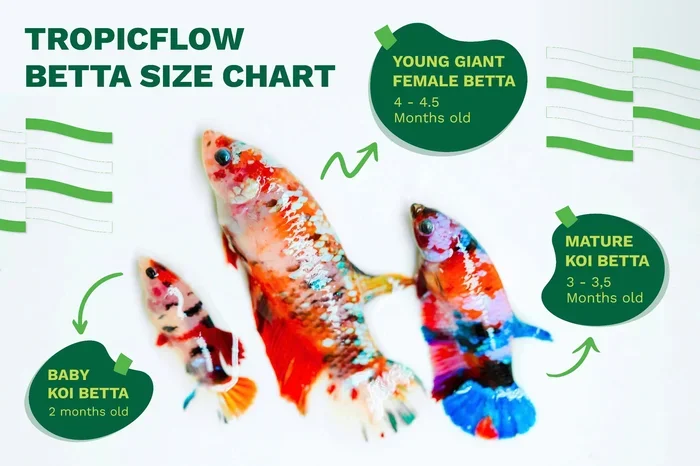
Understanding the betta fish growth stages helps you track your fish’s development. Each stage has different needs, and meeting those needs ensures your fish reaches its full potential size.
Stage 1: The Egg (0 to 2 Days)
Betta fish start as tiny eggs. The male betta fertilizes the eggs and collects them in a bubble nest. During this stage, the eggs are extremely small, often less than 1 millimeter. They are fragile and need a calm, clean environment.
Stage 2: The Fry (2 Days to 4 Weeks)
Once the eggs hatch, you have fry. These baby bettas are incredibly tiny, barely visible to the naked eye. They feed on their yolk sacs for the first few days. After that, you can offer them infusoria or very fine fry food. During this stage, betta fish growth is rapid but fragile.
Stage 3: The Juvenile (4 Weeks to 3 Months)
By around 4 weeks, your betta starts to look more like a tiny adult. The fins begin to grow, and colors start to show. This is a critical period for nutrition. Feeding high-quality food helps the fish build a strong body. You can start transitioning to small pellets or brine shrimp during this phase.
Stage 4: The Adult (3 to 12 Months)
Your betta reaches full adult size between 7 and 12 months. The fins reach their full length, and colors deepen. This is when your fish looks its absolute best. A well-fed adult betta with good genetics and proper care will hit that sweet spot of 2.5 to 3 inches.
If you want to learn more about how big does a betta fish get at each stage, check out our detailed growth guide for additional insights.
Factors That Affect Betta Fish Size
Not all bettas end up the same size. Several factors influence how big your fish will get. Let us break them down so you know exactly what to focus on.
Genetics
Just like people, betta fish inherit traits from their parents. Some lines of bettas are bred to be larger and more robust. Others may stay on the smaller side. If you buy from a reputable breeder, you have a better chance of getting a fish with strong growth genetics.
Tank Size and Environment
This is one of the most overlooked factors. Many people keep bettas in tiny cups or bowls. While a betta can survive in a small container, it will not thrive or reach its full size. A proper tank gives your fish room to swim, explore, and grow. If you want to know more about the right setup, read our article on how big does a betta fish tank need to be for expert guidance.
A tank of at least 5 gallons is recommended. Larger tanks, like 10 gallons, are even better. They provide stable water conditions and plenty of swimming space. Stable water conditions directly support healthy betta fish growth.
Diet and Nutrition
What you feed your betta has a direct impact on its size. A varied diet rich in protein supports muscle development and overall growth. Here are some good food options:
- High-quality betta pellets — these should be the staple of their diet.
- Bloodworms — a great treat packed with protein.
- Brine shrimp — excellent for growth and color.
- Daphnia — a natural food that aids digestion.
- Freeze-dried foods — convenient and nutrient-rich.
Feeding a mix of these foods ensures your betta gets all the nutrients it needs. Overfeeding, however, can lead to health issues and water quality problems. Stick to small portions twice a day.
Water Quality and Temperature
Clean, warm water is essential for betta health and growth. Bettas thrive in water temperatures between 76 and 82 degrees Fahrenheit. Poor water quality stresses the fish, which slows growth and can lead to disease. Regular water changes and proper filtration make a big difference.
How to Help Your Betta Fish Grow to Its Full Size
Now that you know the factors involved, here is how you can actively support your betta’s growth. These tips are simple but effective.
- Provide a tank of at least 5 gallons. This gives your fish room to move and grow. Learn more about space requirements in our guide on how much space does a betta fish really need.
- Feed a varied, high-protein diet. Rotate between pellets, frozen, and live foods for the best nutrition.
- Keep the water clean. Perform partial water changes weekly and test parameters regularly.
- Maintain the right temperature. Use a reliable heater to keep the water steady between 76 and 82 degrees.
- Reduce stress. Avoid aggressive tankmates and provide hiding spots with plants and decorations.
- Monitor growth regularly. Track your fish’s size every few weeks to catch any issues early.
Following these steps gives your betta the best chance of reaching its full size. A well-cared-for betta is a happy betta, and happiness shows in its color, energy, and growth.
Common Mistakes That Stunt Betta Growth
Many betta owners unintentionally hold their fish back. Here are the most common mistakes to avoid:
- Keeping the betta in a tiny bowl. A bowl under 1 gallon limits growth and causes stress.
- Feeding only flakes. Betta fish need protein-rich food, not generic flake food designed for other species.
- Skipping water changes. Dirty water leads to illness, which slows or stops growth.
- Overcrowding the tank. Even though bettas look peaceful, they do not do well with aggressive tankmates.
- Ignoring water temperature. Cold water slows the metabolism and affects growth rate.
- Not quarantining new fish. Diseases from other fish can spread and harm your betta’s development.
Avoiding these mistakes sets your betta up for a long, healthy life. Most bettas live 3 to 5 years, and proper care can help them reach their full size potential during that time.
When to Be Concerned About Betta Fish Size
Sometimes a betta fish does not grow as expected. If your fish seems smaller than it should be, there may be an underlying cause. Here are signs that something is off:
- Stunted growth after 6 months. If your fish has not grown in weeks, check water parameters and diet.
- Loss of appetite. A betta that stops eating may be sick or stressed.
- Clamped fins. This often indicates stress or poor water quality.
- Visible bones or a thin body. This suggests malnutrition or internal health issues.
- Lethargy. A healthy betta is curious and active. Lethargy is a red flag.
If you notice any of these signs, test your water, review your feeding routine, and consider consulting a fish veterinarian. Early intervention can make a big difference in your betta’s health and growth.
Final Thoughts
So, how big does the betta fish get? The answer is clear: most bettas reach 2.25 to 3 inches when properly cared for. Male bettas tend to be on the larger side, while females stay a bit smaller. Growth happens mainly in the first year of life, and the right environment makes all the difference.
Give your betta a spacious tank, a nutritious diet, and clean water, and you will be rewarded with a vibrant, healthy fish that brings joy to your home. The effort you put into care directly shapes how big and how healthy your betta becomes. Start with the basics, stay consistent, and enjoy watching your betta grow.
For more tips on keeping your betta in top shape, explore our resources on how to enhance the color of betta fish and learn how proper care brings out the best in your fish.
Frequently Asked Questions
How big do betta fish get in the wild?
Wild betta fish typically grow to about 2.5 inches in length. They live in rice paddies, streams, and shallow waters in Southeast Asia. Their size can vary depending on the specific species and available food sources.
Can a betta fish grow bigger than 3 inches?
It is rare, but some well-cared-for bettas can slightly exceed 3 inches. This usually happens when the fish has excellent genetics, a large tank, and a high-quality diet. Most bettas, however, stay within the 2.25 to 3 inch range.
How long does it take for a betta fish to reach full size?
Most betta fish reach their full adult size within 7 to 12 months. Growth is fastest during the first few months of life and slows down as the fish approaches adulthood. A healthy diet and proper tank conditions help speed up the process.
Does tank size really affect how big a betta fish gets?
Yes, tank size plays a significant role. A larger tank provides better water quality, more swimming space, and less stress, all of which support healthy growth. Keeping a betta in a bowl under 1 gallon can stunt its growth over time.
Are male or female betta fish bigger?
Male betta fish are generally bigger than females. Males typically reach 2.5 to 3 inches, while females stay around 2 to 2.5 inches. Males also have longer fins and more vivid coloring.
What is the best food for betta fish growth?
High-protein foods like betta pellets, bloodworms, brine shrimp, and daphnia are excellent for growth. A varied diet ensures your betta gets all the nutrients it needs. Feed small amounts twice a day and avoid overfeeding to keep your fish healthy and growing steadily.