Can a Sucker Fish Live with a Betta
Thinking about adding a sucker fish to your betta’s tank? While bettas are territorial, certain sucker species can coexist peacefully with the right tank conditions and careful introductions. Read on for practical tips, warning signs, and a step‑by‑step guide to a harmonious community.
Key Takeaways
- Temperament matters: Choose a peaceful, mid‑water sucker that won’t trigger a betta’s aggression.
- Tank size is critical: Provide at least a 20‑gallon tank to give each fish enough space.
- Proper hiding spots: Lots of plants and décor reduce stress for both species.
- Gradual introduction: Use a quarantine or divider method to let them get used to each other.
- Monitor behavior daily: Look for fin nipping, chasing, or loss of appetite as warning signs.
- Water parameters: Keep temperature, pH, and hardness in the overlapping range of both species.
- Alternative companions: If a sucker proves too risky, consider snails, shrimp, or small peaceful fish instead.
📑 Table of Contents
Introduction: Why the Question Comes Up
Betta fish, also called Siamese fighting fish, are famous for their flamboyant fins and feisty personalities. Many hobbyists love the idea of a community tank but wonder if a sucker fish—a bottom‑dwelling, algae‑eating species—could share the space. The answer isn’t a simple “yes” or “no.” It depends on temperament, tank size, water conditions, and how you introduce the newcomers.
In this guide we’ll break down everything you need to know: the biology of both fish, the best tank setup, step‑by‑step introductions, and what to watch for after they’re together. By the end you’ll be able to decide if a sucker fish is a good match for your betta and how to make the partnership thrive.
Understanding the Two Species
Betta Fish Basics
Betta splendens are native to shallow, slow‑moving waters of Thailand, Malaysia, and Cambodia. They thrive in warm water (76‑82°F / 24‑28°C), slightly acidic to neutral pH (6.5‑7.5), and like to claim a small territory. Males are especially aggressive toward other males and any fish that display bright, flowing fins.

Visual guide about Can a Sucker Fish Live with a Betta
Image source: japanesefightingfish.org
What Is a Sucker Fish?
The term “sucker fish” usually refers to members of the family Catostomidae (e.g., the White‑Sucker) or the small “Sucker” catfish sold in the aquarium trade, such as the Hillstream Loach or Otocinclus (often called “Otto suckers”). These fish are bottom‑dwelling, gentle grazers that feed on algae, bio‑film, and detritus. They prefer cooler water (68‑78°F / 20‑26°C) but many adapt to the betta’s temperature range.
Key Compatibility Factors
- Size: Most aquarium “suckers” stay under 2‑3 inches, while bettas are 2‑3 inches long. Size similarity helps prevent predation.
- Activity level: Suckers are slow, peaceful grazers; bettas are active swimmers that patrol the mid‑water column.
- Fin display: Suckers lack long, flowing fins, reducing the chance of triggering a betta’s territorial flare.
Setting Up the Perfect Tank
Tank Size and Shape
A minimum of 20 gallons is recommended for a betta‑sucker combo. Larger tanks dilute aggression and give each fish a defined zone. A long, rectangular tank works better than a tall one because it creates a clear horizontal layout—betta in the upper third, sucker on the bottom.
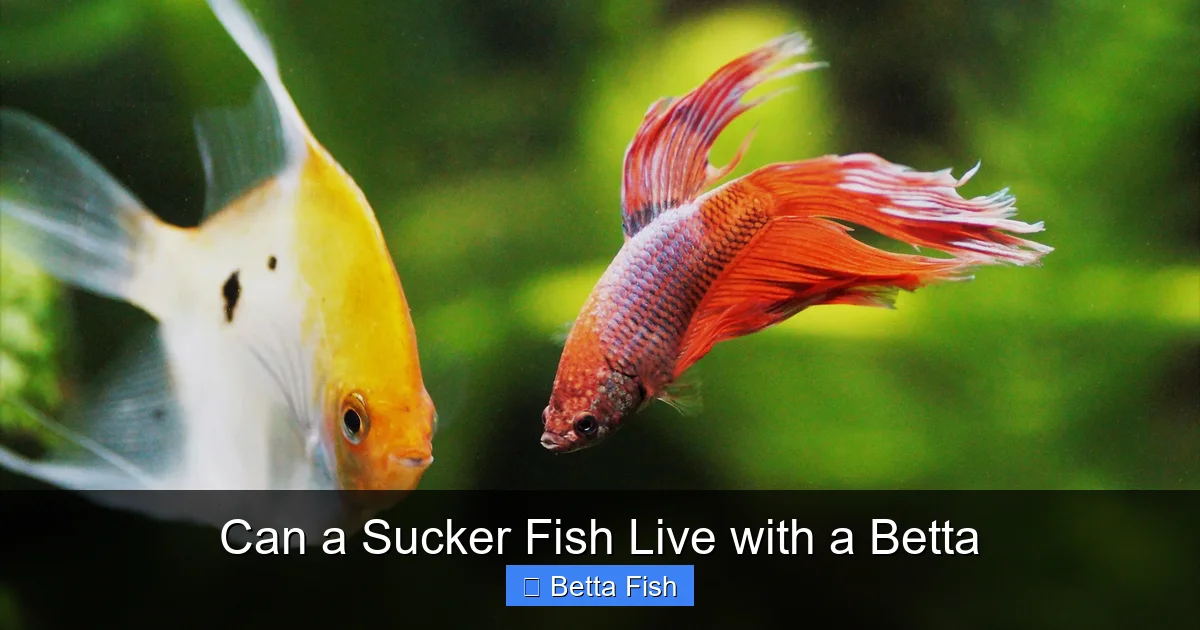
Visual guide about Can a Sucker Fish Live with a Betta
Image source: yoyipet.com
Water Parameters
Both fish can thrive in the following range:
- Temperature: 76‑80°F (24‑27°C)
- pH: 6.8‑7.4
- Hardness: 4‑12 dGH
Use a reliable heater and a test kit to keep values stable. If you keep a cooler‑loving sucker, aim for the lower end of the temperature range.
Substrate, Plants, and Décor
Soft sand or fine gravel mimics natural riverbeds for suckers. Add live plants like Java fern, Anubias, or Cryptocoryne to provide hiding spots. Driftwood and smooth rocks create caves where the betta can retreat if feeling threatened.
Provide a gentle water flow with a low‑speed sponge filter. Too strong a current will stress the sucker, while a stagnant tank can lead to poor water quality.
Lighting
Moderate lighting (8‑10 hours a day) supports plant growth and keeps algae at manageable levels for the sucker to graze. Avoid overly bright lights that may stress the betta.
Feeding Strategies
Feed the betta high‑quality pellets or frozen foods once or twice daily. Feed the sucker algae wafers, blanched vegetables, and occasional protein treats like microworms. Feed on opposite sides of the tank to reduce competition.
Choosing the Right Sucker Fish
Best Candidates
- Otocinclus catfish (Otto) – Tiny, peaceful, excellent algae eaters.
- Hillstream loaches – Small, love fast water flow, very shy.
- White‑Sucker fry (very young) – Only if you have a large, well‑filtered tank.
What to Avoid
Large, active suckers like the common “Sucker” catfish that can grow 4‑6 inches may outgrow the tank and become territorial themselves. Also steer clear of aggressive bottom dwellers such as certain corydoras that like to nip at fins.
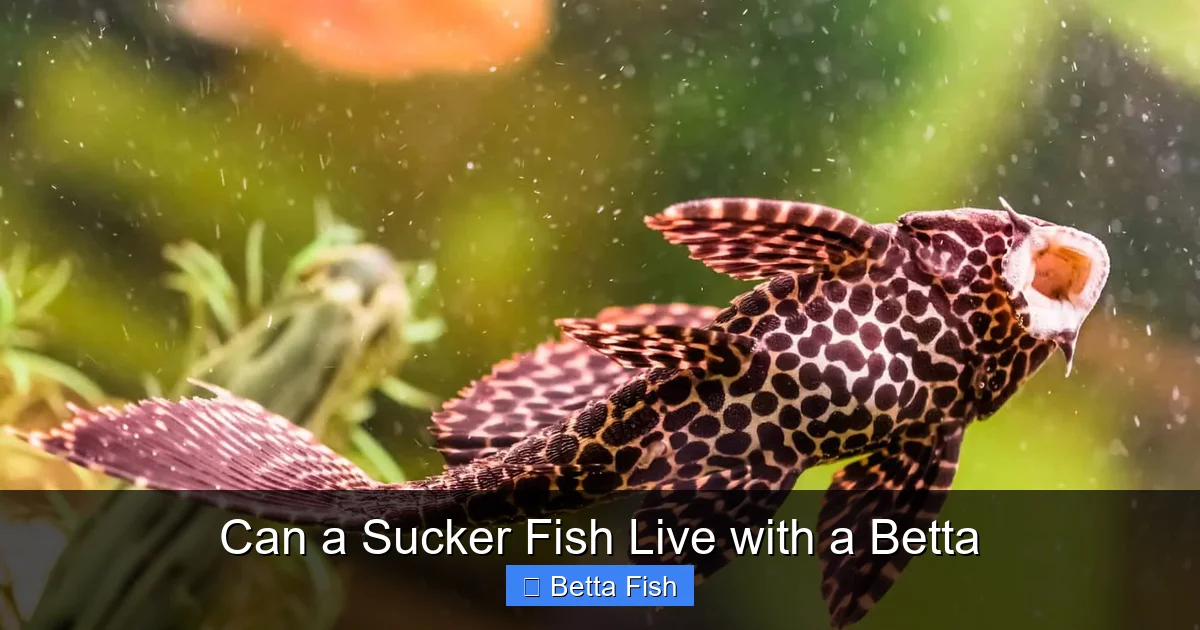
Visual guide about Can a Sucker Fish Live with a Betta
Image source: aquariadise.com
Internal Link Example
For a broader view of compatible tank mates, see our guide on What Fish Can Live With A Betta. It outlines other peaceful species that coexist well with bettas.
Introducing the Sucker to Your Betta
Step‑by‑Step Introduction Process
- Quarantine: Keep the sucker in a separate hospital tank for 2‑4 weeks to ensure it’s disease‑free.
- Acclimation: Float the sucker’s bag in the betta’s tank for 30 minutes, then slowly add tank water to the bag over another 30 minutes.
- Use a divider: Place a clear acrylic barrier in the tank for the first 24‑48 hours so both fish can see each other without contact.
- Observe behavior: Look for signs of stress—flared fins, rapid breathing, or hiding.
- Remove the divider: If both fish remain calm, gently lift the divider and watch closely for the first hour.
Signs of Compatibility
- Betta swims past the sucker without chasing.
- Sucker continues grazing on the bottom.
- Both fish eat their allotted food without aggression.
Red Flags
If you notice the betta flaring, chasing, or the sucker hiding constantly, separate them immediately. A short‑term “tanking out” can be done using a temporary container placed in the same water to avoid stress.
Maintaining Harmony Over Time
Daily Checks
Spend a few minutes each day watching interactions. Early detection of aggression prevents injury.
Weekly Maintenance
- Partial water changes (25 % weekly) to keep parameters stable.
- Trim plants and clean algae to prevent overgrowth that could hide disease.
- Check the filter flow; ensure it’s not too strong for the sucker.
When Things Go Wrong
If aggression escalates, consider moving the sucker to a separate community tank with other peaceful bottom dwellers. Alternatively, replace the betta with a more tolerant female, as females are generally less aggressive toward tank mates.
Alternative Community Options
For hobbyists who find suckers unsuitable, other low‑impact companions include:
- Snails (e.g., Nerite or Mystery snails)
- Freshwater shrimp (e.g., Cherry shrimp)
- Small, peaceful fish like guppies or algae eaters.
Conclusion: Is a Sucker Fish Right for Your Betta?
In short, a sucker fish can live with a betta if you choose the right species, provide ample space, and follow a careful introduction process. The key is matching temperaments, maintaining stable water conditions, and giving each fish plenty of hiding places. With patience and observation, many hobbyists enjoy the visual contrast of a graceful betta above and a diligent sucker cleaning the bottom below.
Remember, every fish is an individual. Even within the same species, personalities differ. Start small, stay vigilant, and enjoy the rewarding experience of building a peaceful community aquarium.
Frequently Asked Questions
Can a betta and an otocinclus live together?
Yes, otocinclus catfish are tiny, peaceful algae eaters that rarely trigger a betta’s aggression. Provide plenty of plants and a gentle flow for the best results.
What temperature should I keep for both fish?
Maintain the tank at 76‑80°F (24‑27°C). This range satisfies the betta’s warmth needs while staying comfortable for most small sucker species.
How long should I keep a divider in the tank?
Usually 24‑48 hours is enough for visual acclimation. If either fish shows stress, extend the period until both are calm.
Will the suckers eat my betta’s food?
Occasionally they may nibble at floating pellets, but feeding them on opposite sides of the tank reduces competition.
What signs indicate my betta is stressed?
Look for flared gill covers, rapid fin movement, loss of color, or constant hiding. These are cues to intervene quickly.
Can I keep a sucker fish with a female betta?
Female bettas are generally less territorial than males, making them a better match for peaceful bottom dwellers like suckers.