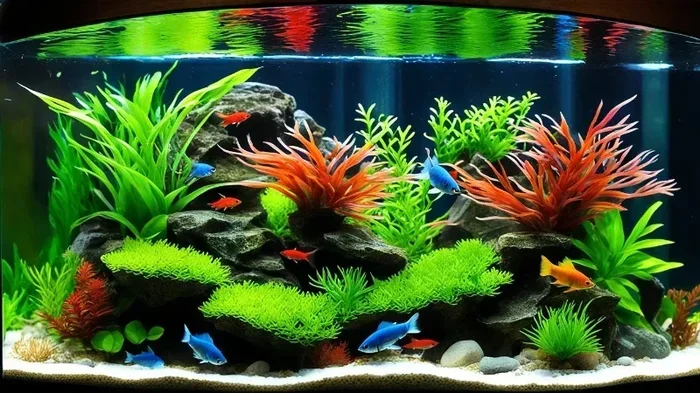
Can You Put Other Fish in With Betta Fish Expert Advice
Understanding whether Can You Put Other Fish in With Betta Fish is key to a thriving aquarium. This guide reveals which species coexist peacefully, which to avoid, and how tank size and water conditions affect compatibility. Follow our expert tips for a harmonious community tank that keeps your betta stress‑free and vibrant.
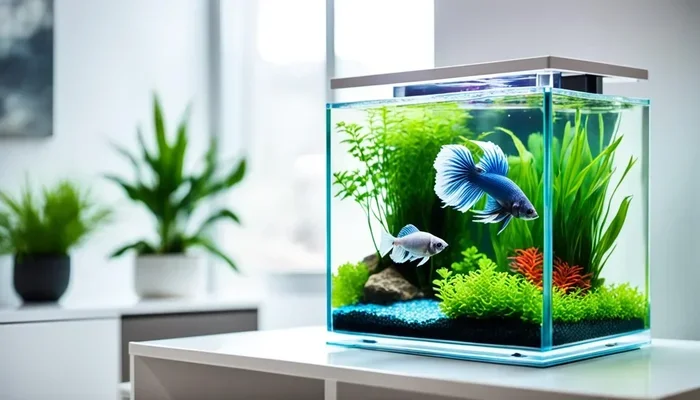
Welcome to the ultimate guide on Can You Put Other Fish in With Betta Fish. If you’ve ever stared at a vibrant betta gliding through its tank and thought, “What if I add a friend?” you’re not alone. Many betta owners wonder how to create a lively community without causing stress or conflict. In this article, we’ll explore the science behind betta behavior, share safe tank‑mate options, and give you practical steps to set up a harmonious aquarium.
By the end of this piece, you’ll know exactly which fish, invertebrates, and plants can safely share a betta’s space, which species to avoid, and how to monitor interactions. We’ll also walk you through common mistakes, quick‑fix solutions, and even a comparison table to help you decide at a glance. Whether you’re a beginner or a seasoned betta enthusiast, this guide is packed with actionable advice you can start using today.
Key Takeaways
- Know Your Betta’s Nature: Bettas are territorial and can be aggressive, especially toward similar long‑fin or bright‑colored fish.
- Peaceful Small Fish Work Well: Guppies, neon tetras, and harlequin rasboras are popular, low‑stress tank mates.
- Invertebrates Are Safe Choices: Cherry shrimp and mystery snails add life without provoking your betta.
- Avoid Fin‑Nippers and Large Predators: Cichlids, barbs, and goldfish can stress or eat a betta.
- Tank Size Matters: A 10‑gal tank minimum allows enough space for one betta and a few compatible companions.
- Water Parameters Must Match: Keep temperature 78‑80°F, pH 6.5‑7.5, and perform regular water changes.
- Observe and Adjust: Even compatible fish may need to be separated if aggression appears.
📑 Table of Contents
- Understanding Betta Behavior and Compatibility
- Safe Tank Mates: Peaceful Small Fish
- Plants, Snails, and Invertebrates: Adding Life Without Trouble
- Fish to Avoid: Aggressive and Fin‑Nipping Species
- Tank Size, Water Parameters, and Setup for Mixed Species
- Common Mistakes and How to Fix Them
- Expert Insights: When to Separate Your Betta
- Conclusion
- Key Takeaways Recap
Understanding Betta Behavior and Compatibility
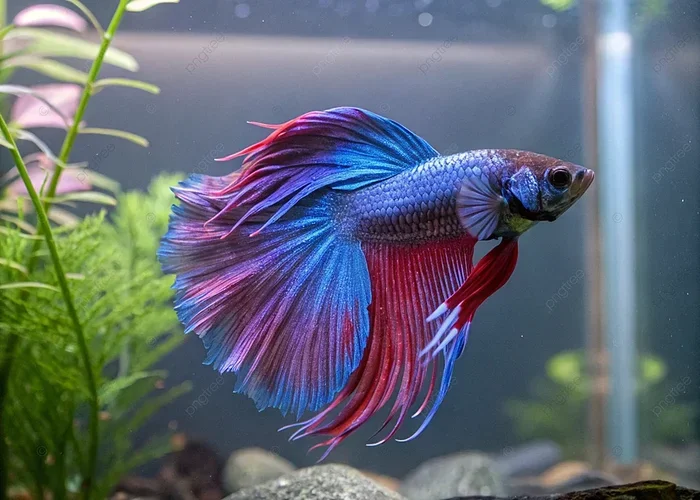
Bettas (Betta splendens) are famous for their striking colors and elegant fins. Yet, their beauty comes with a strong personality. In the wild, male bettas guard small, territory‑rich puddles, aggressively defending any intruder. This territorial instinct carries over into home aquariums.
When asking Can You Put Other Fish in With Betta Fish, the first factor to consider is the betta’s temperament. Male bettas are especially aggressive toward other males and any fish that resemble them in size or color. Females can coexist in a proper sorority tank, but only with careful planning.
Why Behavior Matters
- Stress Reduction: Peaceful tank mates lower cortisol levels in bettas, keeping them healthier.
- Fin Nipping Prevention: Fast, non‑aggressive fish rarely harass a betta’s flowing fins.
- Territory Respect: Larger tanks give each fish room to claim its own space.
For a deeper dive into betta temperament and how it influences tank choices, check out this detailed article: Can You Put Other Fish In With Betta.
Safe Tank Mates: Peaceful Small Fish
If you want to answer Can You Put Other Fish in With Betta Fish with confidence, start with species known for their calm nature. Small, non‑territorial fish are less likely to trigger a betta’s defensive instincts.
Guppies
Guppies are colorful, active, and generally peaceful. Choose female guppies (which are less bright) to reduce rivalry. Keep the water temperature stable, and provide plenty of live plants for hiding spots.
Neon Tetras
These tiny, schooling fish stay in the mid‑water column, leaving the surface to the betta. A group of six or more helps them feel secure and reduces individual attention on any one fish.
Harlequin Rasboras
Similar in size to neon tetras, harlequins add a shimmering effect without aggressive behavior. They prefer the middle of the tank, which matches the betta’s typical swimming zone.
White Cloud Mountain Minnows
These cool‑water fish can coexist with bettas if you maintain a slightly cooler temperature range (72‑78°F). They are gentle and rarely bother other inhabitants.
Quick Tips for Introducing Small Fish
- Add fish in groups of at least 3–6 to promote schooling behavior.
- Use a net or a separate quarantine container to acclimate new fish before release.
- Observe for the first 24‑48 hours; remove any fish showing excessive fin‑nipping.
More guidance on pairing bettas with small fish can be found here: Can You Put Other Fish In With A Betta Fish.
Plants, Snails, and Invertebrates: Adding Life Without Trouble
Not all companions are fish. Live plants, snails, and certain invertebrates create a balanced ecosystem and give your betta visual interest without the risk of aggression.
Java Fern and Anubias
These hardy plants attach to rocks or driftwood, providing shade and hiding spots. They thrive in the same temperature and lighting conditions as bettas.
Java Moss
A flexible, soft moss that can be arranged on décor. It offers shelter for fry and even small shrimp, encouraging natural behavior.
Cherry Shrimp
Cherry shrimp are small, fast, and typically ignored by bettas. They help clean the tank by eating leftover food and algae. Keep the tank well‑planted for shedding sites.
Mystery Snails
Large enough to avoid being eaten, mystery snails add movement and clean debris. They prefer cooler water layers, rarely interacting with the betta’s surface region.
Common Invertebrate Mistakes to Avoid
- Never house bettas with large crayfish; they are predators.
- Avoid keeping crabs that may nip at betta fins.
Fish to Avoid: Aggressive and Fin‑Nipping Species
Even when you’re eager to answer Can You Put Other Fish in With Betta Fish, some fish simply don’t belong in the same tank. Aggressive or fin‑nipping species can cause chronic stress, injuries, or even death for your betta.
Cichlids
Most cichlids are territorial and will view a betta as a threat. Even dwarf cichlids can be too aggressive for a community setup.
Barbs
Fish like tiger barbs or rosy barbs tend to nip at fins, which can quickly deteriorate a betta’s elegant appearance.
Goldfish
Goldfish require cooler water and grow much larger than bettas. Their waste can also alter water parameters, stressing a betta.
Betta‑Sized Cichlids
Even small cichlids like the African dwarf cichlid can display aggressive behaviors that are incompatible with a betta’s calm nature.
Comparison Table: Compatible vs. Incompatible Tank Mates
| Species | Compatibility with Betta | Why It Works / Why It Fails |
|---|---|---|
| Guppies (female) | ✅ Safe | Peaceful, small, non‑territorial |
| Neon Tetras | ✅ Safe | Schooling, mid‑water, low aggression |
| Cherry Shrimp | ✅ Safe | Fast, ignored by betta, cleans tank |
| Harlequin Rasboras | ✅ Safe | Calm, similar size, non‑territorial |
| White Cloud Minnows | ✅ Safe (if temp matched) | Gentle, prefers cooler water |
| Female Guppies | ✅ Safe | Less colorful, reduces rivalry |
| African Dwarf Cichlids | ❌ Not Safe | Highly territorial, may attack betta |
| Tiger Barbs | ❌ Not Safe | Fin nippers, aggressive schooling |
| Goldfish | ❌ Not Safe | Different temperature needs, large waste |
| Crayfish | ❌ Not Safe | Predatory, may eat betta |
Tank Size, Water Parameters, and Setup for Mixed Species
Even the most compatible fish can become stressed if the environment is suboptimal. Proper tank size and water conditions are the foundation of any successful mixed‑species aquarium.
Minimum Tank Size
- 10‑gal (38‑L) tank: One betta plus a few small fish or invertebrates.
- 20‑gal (75‑L) or larger: Allows more swimming space and reduces territorial disputes.
- Remember: The rule is “1 gallon per inch of fish” for small community species, plus extra volume for stability.
Temperature and pH
Bettas thrive at 78‑80°F (25‑27°C). Most peaceful community fish enjoy the same range. Aim for a pH of 6.5‑7.5 to keep water stable for both bettas and plants.
Filtration and Aeration
A gentle filter prevents strong currents that can stress bettas. Ensure the filter’s flow is adjustable and place it at one end of the tank to create a calm swimming zone for the betta.
Lighting
Provide 8‑10 hours of moderate lighting daily. Live plants need enough light to grow, but avoid intense spotlights that could irritate the betta.
Quick Setup Checklist
- Choose a tank of at least 10 gallons.
- Install a filter with adjustable flow.
- Add live plants (Java fern, anubias, Java moss) for hiding spots.
- Cycle the tank for 4‑6 weeks before adding any fish.
- Acclimate new fish using the drip method.
- Monitor behavior for 48‑72 hours; be ready to isolate any aggressor.
Common Mistakes and How to Fix Them
Even experienced hobbyists can slip up when trying to answer Can You Put Other Fish in With Betta Fish. Recognizing these pitfalls early can save your betta’s health and keep the tank harmonious.
Mistake #1: Overcrowding
Adding too many fish at once overwhelms the tank’s biological balance and triggers aggression. Solution: Introduce fish gradually, one species at a time, and never exceed the recommended stocking density.
Mistake #2: Ignoring Water Parameters
Neglecting temperature or pH fluctuations leads to stress. Solution: Use a reliable heater and test water weekly. Invest in a good water test kit.
Mistake #3: Using Bright, Aggressive Fish
Choosing colorful, fin‑nipping fish can quickly lead to fights. Solution: Stick to the safe list and observe interactions daily.
Mistake #4: Skipping Quarantine
New fish may carry parasites that can infect your betta. Solution: Always quarantine newcomers for 2‑4 weeks in a separate tank before introduction.
Mistake #5: Inadequate Hiding Places
Without shelters, bettas feel exposed and may become aggressive. Solution: Add plants, driftwood, and caves to create multiple territories.
Expert Insights: When to Separate Your Betta
Even the best‑planned community can need adjustments. Watch for these signs that indicate it’s time to separate your betta:
- Persistent chasing or fin‑nipping.
- Visible injuries or torn fins.
- Excessive hiding or loss of color.
- Aggressive displays from other tank mates toward the betta.
If any of these occur, isolate the betta promptly, treat injuries with appropriate medication, and reconsider tank mate choices. For more guidance on handling betta conflicts, see this resource: Can You Put Other Fish In With A Betta Fish.
Conclusion
Deciding Can You Put Other Fish in With Betta Fish doesn’t have to be a guessing game. By understanding betta behavior, selecting compatible species, and maintaining optimal tank conditions, you can create a vibrant, stress‑free community that benefits both your betta and its new friends. Remember to introduce fish slowly, monitor interactions daily, and be ready to make adjustments.
With the right knowledge and a bit of patience, your betta can enjoy the company of peaceful guppies, neon tetras, charming shrimp, and even curious snails. The key is to respect each species’ needs and to watch for any signs of conflict. Your betta will thank you with brilliant colors and graceful displays, while your tank will flourish with life.
Start small, stay observant, and enjoy the journey of building a balanced aquarium. Your betta’s happiness—and the beauty of its new community—depends on the choices you make today.
Key Takeaways Recap
- Know your betta’s territorial instincts before adding companions.
- Choose peaceful small fish like guppies, neon tetras, and rasboras.
- Incorporate live plants and safe invertebrates such as cherry shrimp.
- Avoid aggressive species like cichlids, barbs, and goldfish.
- Maintain proper tank size, temperature, pH, and filtration.
- Observe behavior closely and be ready to separate if needed.
- Always quarantine new arrivals to protect your existing fish.
Frequently Asked Questions
Can betta fish live with guppies?
Yes, especially female guppies. They are peaceful and stay out of the betta’s territory. Provide plenty of plants and monitor for any fin‑nipping, which is rare with guppies.
What fish are safest to add with a betta?
Neon tetras, harlequin rasboras, white cloud minnows, and female guppies are among the safest. They share similar water needs and rarely provoke betta aggression.
Do betta fish get along with shrimp?
Cherry shrimp and Amano shrimp are generally safe. Bettas often ignore them, and the shrimp help clean the tank. Ensure the tank has hiding spots for the shrimp.
Can I keep a betta in a community tank with other males?
No. Male bettas are extremely territorial toward other males and will fight, causing severe injuries. Keep only one male betta per tank unless you have a very large, well‑structured environment.
What tank size is recommended for a betta with tank mates?
A minimum of 10 gallons is ideal. Larger tanks (20 gallons or more) provide more swimming space and reduce stress among all inhabitants.
How do I know if my betta is stressed after adding new fish?
Watch for clamped fins, loss of color, excessive hiding, or aggressive behavior toward tank mates. Quick action, such as removing the stressor, can restore calm.