Can You Put Betta Fish with Other Fishes Complete Guide
Can you put betta fish with other fishes? This guide breaks down behavior, compatible species, and step‑by‑step tips for a thriving community tank. Learn what works, what to avoid, and how to keep your betta happy and healthy.
Key Takeaways
- Point 1: Betta fish are territorial and may attack smaller or colorful fish.
- Point 2: Ideal tank mates are peaceful, non‑fin‑nipping species like guppies, tetras, and snails.
- Point 3: Water parameters must match: 78‑80°F, pH 6.5‑7.5.
- Point 4: Provide hiding spots and vertical space to reduce stress.
- Point 5: Introduce fish slowly and monitor for aggression.
- Point 6: Avoid aggressive or large species that compete for food.
- Point 7: Research each potential mate and consult resources like Can You Put Other Types Of Fish With A Betta for detailed guidance.
📑 Table of Contents
Understanding Betta Fish Behavior
Why Betta Fish Act the Way They Do
Betta fish are famous for their striking colors and bold personalities. In the wild, they patrol small pools and rice paddies. This natural habitat makes them territorial by nature. A betta sees its bubble nest as a prized possession and will defend it aggressively. Understanding this instinct is the first step to deciding if you can put betta fish with other fishes.
Betta aggression shows up in several ways:
They flare their gills when they feel threatened.
They chase smaller fish, especially those with bright colors.
They may jump out of the water if they feel cornered.
These behaviors are not random; they are survival tools. When you consider adding other fish to a betta’s tank, you must respect these instincts. The goal is to create a balanced environment where the betta feels secure and other species are not seen as intruders.
For a deeper look at how betta temperament interacts with different species, check out our comprehensive guide on betta compatibility. It explains why some fish trigger a response and others do not.
Key Behavioral Traits to Watch
Territoriality – Betta fish claim a specific area, often near the surface.
Color Attraction – Brightly colored fish can trigger chase responses.
Size Difference – Larger fish may be seen as threats; very small fish may be viewed as food.
Fin‑Nipping – Some species, like certain tetras, may nibble at long fins, causing stress.
Knowing these traits helps you choose the right companions and set up the tank correctly.
Choosing Safe Tank Mates
Peaceful Species That Usually Coexist
If you ask “can you put betta fish with other fishes,” the answer often depends on the species you select. The safest tank mates are those that are calm, stay away from the betta’s territory, and do not compete for the same food.
Common peaceful options include:
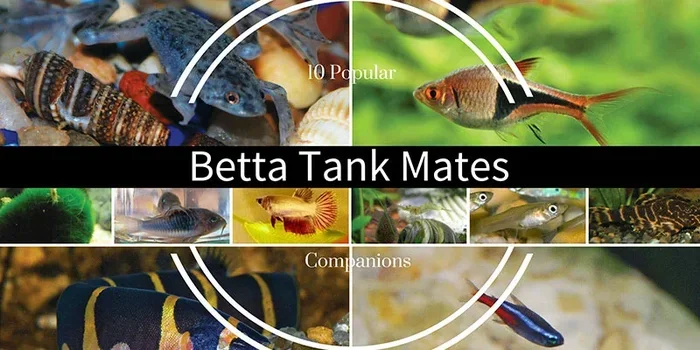
Guppies – Small, colorful, and generally non‑aggressive. They swim in the middle column, leaving the surface for the betta. Many hobbyists ask “can you put guppies with betta fish” and find success when they provide plenty of live plants.
Neon Tetras – Tiny and schooling, they stay in the lower to mid‑water zones. Their dim lighting needs match betta requirements.
Corydoras Catfish – Bottom dwellers that clean up leftover food and never bother the betta.
Mystery Snails – They graze on algae and debris, adding natural behavior without interaction.
Harlequin Rasboras – Small, peaceful, and prefer the middle of the tank.
These species are often recommended because they share similar water parameters and have a calm demeanor. When you mix betta fish with other fishes that are too active or aggressive, stress levels rise for everyone.
Fish to Avoid in a Betta Tank
Not all fish are a good fit. Some common mistakes include:
Aggressive cichlids – They will constantly challenge the betta.
Large barracudas or tiger fish – Their size and speed can scare the betta.
Brightly colored bettas – Another male betta will see itself as a rival.
Fast swimmers – They may constantly chase the betta’s fins, causing fatigue.
Avoiding these species reduces the chance of fights and keeps the tank harmonious.
Setting Up a Compatible Community Tank
Creating the Right Environment
Even if you pick compatible fish, the tank setup is crucial. A well‑planned environment reduces stress and encourages natural behavior.
Key steps:
1. Tank Size – A 10‑gallon tank is the minimum for a betta and a few peaceful companions. Larger tanks (20‑30 gallons) give more swimming space and dilute waste.
2. Water Parameters – Keep temperature between 78‑80°F and pH around 6.5‑7.5. Consistency is vital for betta health.
3. Filtration – Use a gentle filter that creates a calm flow. Strong currents can exhaust a betta.
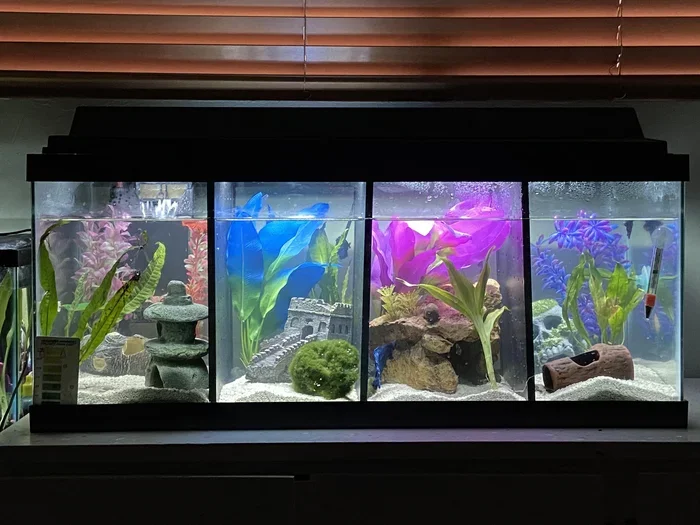
4. Décor and Hiding Spots – Live plants like Java Fern, Anubias, and Java Moss provide cover. Driftwood and rock formations create vertical layers, allowing the betta to claim its spot while other fish have their own zones.
5. Lighting – Moderate lighting mimics natural conditions and helps reduce aggressive behavior triggered by sudden shadows.
For tropical fish compatibility, our article Can You Put Betta Fish With Other Tropical Fish offers tips on matching temperature and lighting needs.
Planting for Peace
Plants do more than beautify; they act as natural barriers. Tall plants like Vallisneria create a visual buffer, while low‑growing moss offers shelter for fry and small fish. Adding environmental enrichment such as driftwood or caves encourages exploration and reduces boredom, which can lead to aggression.
Common Pitfalls When Mixing Fish
Even experienced keepers make mistakes when trying to combine betta fish with other fishes. Being aware of these errors can save you time and heartache.
Pitfall 1: Overcrowding the Tank
Too many fish increase competition for food and space. A betta may feel threatened even by a few extra inhabitants if there are no clear territories.
Pitfall 2: Ignoring Water Quality
Neglecting regular water changes leads to ammonia spikes. Stress from poor water quality makes betta aggression more likely.
Pitfall 3: Adding Fish Simultaneously
Dumping all new fish at once creates chaos. The betta sees a sudden influx of “intruders” and reacts defensively.
Pitfall 4: Choosing Incompatible Colors
Bright colors on other fish can trigger a betta’s chase instinct. Subtle coloration helps reduce this trigger.
Pitfall 5: Not Monitoring Interactions
Even compatible species can become hostile under stress. Daily observation lets you intervene before a fight escalates.
Quick Tips to Avoid Common Mistakes
Perform a 25% water change weekly.
Use a quarantine tank for new fish for 2‑4 weeks.
Add fish one at a time, spacing introductions by 5‑7 days.
Choose tank mates with similar size and temperament.
Keep a close eye on fin damage or hiding behavior.
Introducing New Fish Safely
If you decide to add a new companion, follow these steps:
1. Acclimate Properly – Float the new fish in its bag for 15‑20 minutes, then gradually add tank water every 5 minutes. This prevents temperature shock.
2. Separate Initially – Place the new fish in a small net or container inside the tank. This lets them see each other without direct contact.
3. Monitor Behavior – Watch for aggressive flares or chase attempts. If the betta shows persistent hostility, remove the newcomer.
4. Gradual Release – After 15‑30 minutes of calm observation, gently release the new fish. Provide plenty of hiding spots for both species.
Patience is key. Rushing introductions often end in stress or injury.
Long‑Term Care and Monitoring
Once your betta fish with other fishes community stabilizes, maintain it with consistent care:
Feeding – Offer high‑quality betta pellets and occasional live or frozen treats. Ensure all tank inhabitants get enough food; bottom feeders may need sinking pellets.
Health Checks – Look for signs of disease such as frayed fins, lethargy, or discoloration. Early detection helps prevent outbreaks.
Behavioral Observation – Regular watches for changes in activity levels or aggression can signal environmental issues.
* Tank Maintenance – Keep substrate clean, prune overgrown plants, and replace filter media as needed.
A healthy environment reduces the likelihood of territorial disputes and promotes a harmonious tank.
Conclusion
Deciding if you can put betta fish with other fishes is not a simple yes or no. It requires understanding betta behavior, selecting compatible species, and creating a well‑structured habitat. By following the guidelines above, you can build a thriving community tank where your betta thrives alongside peaceful companions. Remember to research each potential mate, maintain stable water conditions, and always observe interactions closely. With patience and proper planning, your betta can enjoy a vibrant, stress‑free life with the right tank mates.
Frequently Asked Questions
Can betta fish live with guppies?
Yes, many betta keepers successfully combine betta fish with guppies. Guppies are small, peaceful, and stay in the middle water column, which reduces direct competition. Provide plenty of plants and hiding spots, and monitor for any fin‑nipping. If aggression appears, consider removing the guppies or adding more cover.
What fish are the safest tank mates for a male betta?
Safe tank mates include neon tetras, corydoras catfish, mystery snails, and harlequin rasboras. These species are calm, stay out of the betta’s surface territory, and share similar water parameters. Avoid other male bettas, aggressive cichlids, or very fast swimmers that may trigger chase responses.
How do I know if my betta is stressed after adding new fish?
Stress signs include clamped fins, excessive hiding, loss of color, or frequent bubble‑nest building changes. Watch for aggressive flares toward the new fish or unusual lethargy. If you see these symptoms, consider removing the new fish or adding more hiding places.
Do betta fish need special water conditions when mixed with other fish?
Yes. Betta fish prefer warm water (78‑80°F) and slightly acidic to neutral pH (6.5‑7.5). Choose tank mates that thrive in the same range, such as tropical tetras or rasboras. Consistent temperature and pH stability are crucial for all inhabitants.
Can I keep a betta with other betta fish?
Generally, it is not recommended to house two male bettas together because they are highly territorial and will fight, causing injury. A single female betta can sometimes coexist with males in a large, well‑planted tank, but close monitoring is essential. Always provide ample space and hiding spots if you attempt such a setup.