How Much Do I Feed Betta Fish The Complete Feeding Guide
Knowing how much do i feed betta fish is one of the most important skills for any aquarium owner. Overfeeding causes health issues while underfeeding leads to weak fish. This guide covers exact portion sizes, daily schedules, and safe food choices. You will learn simple rules to keep your betta healthy and happy.
Key Takeaways
- Portion size matters: Feed only what your betta can eat in two minutes to prevent waste and health problems.
- Daily schedule works best: Most adult bettas thrive on one or two small feedings per day.
- Watch for overfeeding signs: Bloating, uneaten food, and cloudy water mean you need to reduce portions immediately.
- Vary the diet: Rotate between high-quality pellets, frozen treats, and occasional live foods for balanced nutrition.
- Skip days safely: Healthy adult bettas can handle one fasting day per week to aid digestion.
- Adjust for age and size: Fry and growing juveniles need more frequent meals than fully grown adults.
- Remove leftovers: Always siphon out uneaten food to maintain clean water and prevent ammonia spikes.
📑 Table of Contents
- How Much Do I Feed Betta Fish The Complete Feeding Guide
- Understanding the Right Portion Size
- How Much Do I Feed Betta Fish Each Day
- How Often Should I Feed My Betta Fish
- Choosing Safe and Nutritious Betta Food
- Common Overfeeding Mistakes to Avoid
- Maintaining Clean Water During Feeding
- Expert Insights for Healthy Feeding Habits
- Final Thoughts on Feeding Your Betta
How Much Do I Feed Betta Fish The Complete Feeding Guide
Starting a new aquarium brings so much joy. You watch your bright little swimmer glide through the water. You want to give the best care possible. Food is a huge part of that care. Many new owners ask how much do i feed betta fish each day. The answer is simpler than you think. Small portions work best. Your fish has a tiny stomach. It fills up fast. Too much food causes real problems. Too little food makes your fish weak. Balance is the key.
This guide breaks everything down. You will learn exact portion sizes. You will see safe feeding times. You will discover how to spot trouble early. We will cover pellets, frozen treats, and live snacks. You will also learn about water care and digestion. Read on to build a routine that keeps your betta strong. You can start today with confidence.
Understanding the Right Portion Size
Your betta fish has a very small body. Its stomach is roughly the size of its eye. This fact changes everything. You do not need a large scoop. You need a careful pinch. Most experts agree that a few high-quality pellets work well. The exact number depends on the brand. Some pellets are large. Some are tiny. Start with two to three pellets per meal. Watch how your fish reacts. If it eats fast and looks hungry, you can add one more. If it leaves food behind, reduce the amount next time.
Water temperature also plays a role. Warm water speeds up metabolism. Cold water slows it down. Keep your tank in the right range. Your fish will digest food better. You will see clearer water too. Always use a consistent brand at first. This helps you learn the right portion. You can switch later if needed. The goal is a full but not swollen fish. A happy betta swims with energy. It shows bright colors. It interacts with you at the glass.
Quick Tips for Measuring Portions
- Start small: Use two to three pellets for most adults.
- Watch the belly: A slightly rounded belly is normal. A bulging belly means too much food.
- Adjust for size: Smaller fish need fewer pellets. Larger fish may need one extra.
- Soak dry food: Briefly soak pellets in tank water. This helps them sink and aids digestion.
- Track responses: Note how your fish behaves after each meal. Adjust as needed.
How Much Do I Feed Betta Fish Each Day
Many owners want a clear daily rule. The best routine is simple. Feed your adult betta once or twice a day. Keep each meal small. Your fish does not need a huge feast. It needs steady, light nutrition. A single morning feeding works well for busy owners. A morning and evening split works for those who want closer bonding. Both methods succeed when portions stay small.
Consistency matters more than exact timing. Fish thrive on routine. They learn when food arrives. They become active and eager. You can pick a time that fits your schedule. Just stick with it. Avoid random large feedings. Sudden big meals stress the digestive system. They also foul the water faster. Clean water supports healthy gills. Healthy gills support active swimming.
Signs You Are Feeding the Right Amount
- Steady energy: Your betta swims normally throughout the day.
- Clear water: The tank stays clean between water changes.
- Healthy color: Scales and fins look vibrant and strong.
- Good appetite: Your fish eats promptly without leaving leftovers.
- Normal shape: The body looks firm, not puffy or sunken.
How Often Should I Feed My Betta Fish
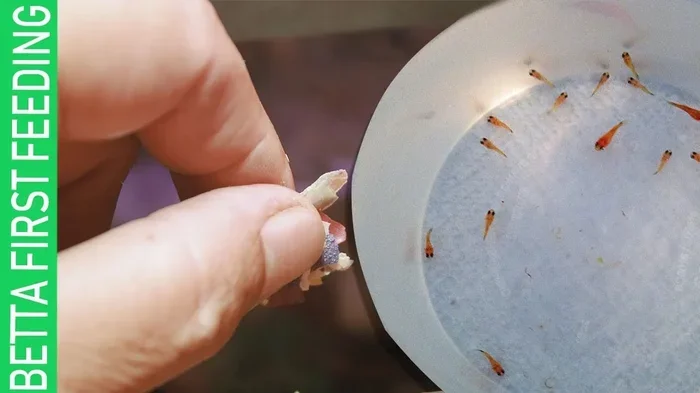
Frequency depends on age and health. Adult bettas do well with one or two meals daily. Young fish need more frequent meals. Fry and juveniles grow fast. They need small feedings three to four times a day. Their bodies burn energy quickly. Regular meals support steady growth. Older fish may slow down. Some owners choose one feeding per day for seniors. Others keep two light meals. Watch your fish and adjust.
You can also use a weekly fasting day. Many keepers skip one day each week. This gives the digestive tract a rest. It helps prevent constipation. It also reduces waste buildup. A healthy adult handles this easily. Do not fast sick fish. Do not fast very young fish. Use judgment and care. The goal is balance. Your fish should stay active and alert.
Feeding Frequency by Life Stage
- Fry: Feed tiny foods three to four times daily.
- Juveniles: Offer small meals two to three times daily.
- Adults: Provide one or two small meals daily.
- Seniors: Use one light meal or two very small meals.
- Recovering fish: Follow vet or expert advice for special needs.
Choosing Safe and Nutritious Betta Food
Food quality changes everything. Cheap fillers offer little nutrition. High-quality betta food supports strong fins and bright color. Look for clear ingredient lists. Protein should come from fish or aquatic sources. Avoid heavy grains and mystery fillers. Pellets made for bettas work well. They float or sink slowly. This matches natural feeding behavior. You can also add variety. Frozen treats bring great benefits. Live foods spark hunting instincts. Variety keeps meals interesting.
Some owners ask can i feed my betta fish shrimp as a treat. Small shrimp pieces can work well. They offer protein and enrichment. Just keep portions tiny. Some owners also wonder can i feed my betta fish earthworms safely. Small chopped pieces can be offered occasionally. Always use clean, disease-free sources. Wash your hands and tools. Never use wild-caught worms from polluted areas. Safety comes first.
Safe Food Options to Rotate
- Betta pellets: Convenient and balanced for daily meals.
- Frozen bloodworms: Great occasional treat for variety.
- Frozen brine shrimp: Soft and easy to digest in small amounts.
- Live foods: Use only from trusted, clean sources.
- Vegetable treats: Offer only in tiny amounts if your fish shows interest.
Common Overfeeding Mistakes to Avoid
Overfeeding is the most common mistake. New owners often worry their fish is hungry. They add extra pellets. They top off the bowl after a few minutes. This habit causes serious issues. Uneaten food breaks down fast. It releases ammonia into the water. Ammonia harms gills and stress fish. It also clouds the tank. Cloudy water looks bad and smells worse. Overfed fish often look bloated. They may swim slowly. They may stop eating entirely. Constipation becomes a real risk.
Another mistake is using the wrong food. Some owners grab generic tropical flakes. These often contain too much filler. They break apart quickly. They cloud the water. They do not match betta needs. Some owners try human foods. Bread crumbs and rice sound harmless. They offer little value. They can swell in the stomach. They may cause digestive trouble. Stick to foods made for fish. Keep treats rare and small.
Common Mistakes Checklist
- Adding extra food too soon: Wait and watch before adding more.
- Ignoring leftovers: Remove uneaten food after a few minutes.
- Using low-quality flakes: Choose betta-specific pellets instead.
- Feeding human snacks: Avoid bread, rice, and processed foods.
- Skipping water checks: Test water after diet changes or treats.
Maintaining Clean Water During Feeding
Food and water quality connect closely. Every meal affects the tank. Small portions create less waste. That means cleaner water. Clean water supports strong immunity. It also reduces algae growth. You will spend less time scrubbing the glass. Good habits make care easier. Start with a simple routine. Feed in the same spot. This makes cleanup faster. Use a small net or siphon. Remove leftovers right away. Do not let food sink into the gravel. Trapped food decays slowly. It creates hidden ammonia pockets.
Filters help a lot. They move water and trap particles. Some bettas prefer calm flow. Gentle circulation keeps oxygen high. It also spreads heat evenly. You can learn more about flow preferences in our guide on whether bettas like air pump circulation. Filters do not replace water changes. Regular partial changes remove dissolved waste. They refresh minerals too. Keep a simple schedule. Your fish will thank you with clear eyes and active fins.
Water Care Habits That Help
- Remove leftovers: Clear uneaten food within minutes.
- Vacuum lightly: Clean the substrate during water changes.
- Test regularly: Check ammonia, nitrite, and nitrate levels.
- Change water steadily: Replace a portion each week.
- Match temperature: Use dechlorinated water at the right warmth.
Expert Insights for Healthy Feeding Habits
Experienced keepers focus on observation. They watch body shape. They watch energy levels. They watch waste production. These signs tell the real story. A healthy betta has a firm but not swollen belly. It explores the tank. It reacts to movement near the glass. It rests without lying flat on the bottom. If you notice changes, adjust food first. Often the fix is simple. Reduce portions. Skip one meal. Add a short fast. Watch for improvement over a few days.
Experts also recommend slow changes. Do not switch foods overnight. Mix old and new food over several days. This protects the stomach. It also reduces waste from picky eating. Keep a small log if you can. Note portion sizes. Note water changes. Note behavior shifts. Patterns appear quickly. You will learn what works best for your fish. Every betta has a unique personality. Some are bold eaters. Some are shy. Tailor your routine to your fish.
Key Takeaways for Long-Term Success
- Observe daily: Small changes in shape or energy matter.
- Adjust slowly: Change portions and foods gradually.
- Keep it clean: Clean water prevents many feeding issues.
- Use variety wisely: Rotate treats without overdoing it.
- Stay consistent: Routine builds trust and better digestion.
Final Thoughts on Feeding Your Betta
Feeding does not need to be complicated. Start with small portions. Keep a steady schedule. Choose quality food. Watch your fish closely. Remove leftovers. Clean the tank on a regular rhythm. These steps create a healthy home. Your betta will show its best colors. It will swim with confidence. It will stay active and bright. When you ask how much do i feed betta fish, remember the simple rule. Feed little. Watch often. Adjust with care. Your friend in the tank will thrive.
Frequently Asked Questions
How many pellets should I feed my betta fish per meal?
Most adult bettas do well with two to three pellets per meal. The exact number depends on pellet size and your fish body shape. Start small and adjust based on how much your betta eats in two minutes.
Can I feed my betta fish every other day?
Healthy adult bettas can handle a fasting day each week, but full every-other-day feeding is not ideal for most. Regular small meals support better energy and color. Use a consistent daily or twice-daily routine for best results.
What happens if I overfeed my betta fish?
Overfeeding can cause bloating, constipation, and cloudy water from decaying leftovers. It also raises ammonia levels, which stresses your fish. Reduce portions quickly and remove uneaten food to protect water quality.
Can I give my betta fish treats like shrimp or worms?
Yes, small treats work well when offered occasionally. You can learn more about safe options in our guide on feeding shrimp to bettas and our article on offering earthworms safely. Keep portions tiny and use clean, trusted sources.
How do I know if my betta fish is hungry or underfed?
A hungry betta may swim eagerly to the surface and search for food. An underfed fish may look thin, show sunken sides, or lose color over time. Adjust portions slowly and watch for a firm, healthy body shape.
Should I soak betta pellets before feeding?
Soaking pellets briefly can help them sink and may aid digestion. It also reduces air intake from floating food. Use a few drops of tank water, soak for a moment, and feed right away for best results.