How Much Does a Betta Fish Cost at Petsmart Today

How much does a betta fish cost at Petsmart depends on the type and color you choose. Most betta fish start around five dollars, but rare colors cost more. You also need to budget for a tank, food, and water care. This guide breaks down every expense so you can plan your budget. You will learn about hidden costs and how to keep your fish healthy.
Buying a new pet is exciting. You want to know the costs before you walk into the store. How much does a betta fish cost at Petsmart is a common question for new fish owners. The price tag on the fish is only the beginning. You need to think about the home they will live in. You also need to think about their food and health. This article will help you understand the full picture. We will look at the fish price and the setup costs. You will learn how to save money while giving your fish a great life.
Many people think betta fish are cheap pets. They see the low price tag and think that is all it costs. But a happy fish needs more than just a bowl. They need clean water and the right temperature. Ignoring these needs can lead to sick fish. Then you might spend more on vet bills or replacements. It is better to plan ahead. We will break down every cost you might face. This way you can shop with confidence.
Key Takeaways
- Base Price: Standard betta fish at Petsmart usually cost between five and ten dollars.
- Color Variations: Rare colors like Koi or Galaxy bettas can cost up to twenty dollars.
- Tank Setup: You will need a tank, filter, and heater which adds to the initial cost.
- Ongoing Care: Food, water conditioner, and replacement filters are recurring expenses.
- Tank Size: A larger tank is better for your fish health and happiness.
- Return Policy: Petsmart may have options if you need to return or exchange a fish.
- Budget Planning: Always plan for more than just the fish price to ensure proper care.
📑 Table of Contents
Understanding Betta Fish Prices at Petsmart
When you walk into Petsmart, you will see many betta fish. They come in many colors and tail shapes. The price changes based on these factors. A standard blue or red betta is usually the cheapest. These are the most common types you will find. You can often find them in the basic fish section.
How much does a betta fish cost at Petsmart for these common types? Usually, you will pay around five to seven dollars. Sometimes they are on sale for even less. If you look for special colors, the price goes up. Halfmoon or Crowntail bettas might cost more. These have unique tail shapes that people love. You might pay eight to twelve dollars for these types.
Rare colors are the most expensive. Think about Koi patterns or Galaxy bettas. These look like painted art. They are hard to find and breed. You might see prices up to twenty dollars for these. It depends on the specific store and stock. Some locations have more variety than others. It is good to call ahead if you want a specific look.
Factors That Change the Price
Several things make the price go up or down. The color intensity matters a lot. Bright, clear colors often cost more. The fin shape is another big factor. Long flowing fins are popular. They take more time to grow and care for. This adds to the cost of the fish.
The age of the fish also plays a role. Younger fish are sometimes cheaper. Adult fish with full fins might cost more. Health is another key point. A fish that looks active and bright is worth the price. You want a fish that will live a long time. Do not just buy the cheapest one if it looks sick.
Here is a quick look at price ranges you might see:
- Standard Colors: $5 – $7
- Unique Tail Shapes: $8 – $12
- Rare Patterns (Koi/Galaxy): $15 – $20
The Hidden Costs of Tank Setup
Now you know the fish price. But can you put a betta in a tiny bowl? Many people think so. But this is not the best idea for the fish. A small bowl gets dirty fast. The water temperature changes quickly. This stresses the fish. You want your pet to thrive, not just survive.
Do betta fish like a lot of space is a question many ask. The answer is yes. They need room to swim and explore. A five-gallon tank is the minimum recommended size. This gives them stable water conditions. It also gives you room for a filter and heater. These tools are essential for a healthy tank.
The tank itself costs money. A simple five-gallon kit can cost thirty to fifty dollars. This kit usually includes the glass tank and a lid. You might need to buy a filter separately. A gentle filter is best for bettas. They do not like strong currents. You can find filters made for small tanks.
Heaters and Filters
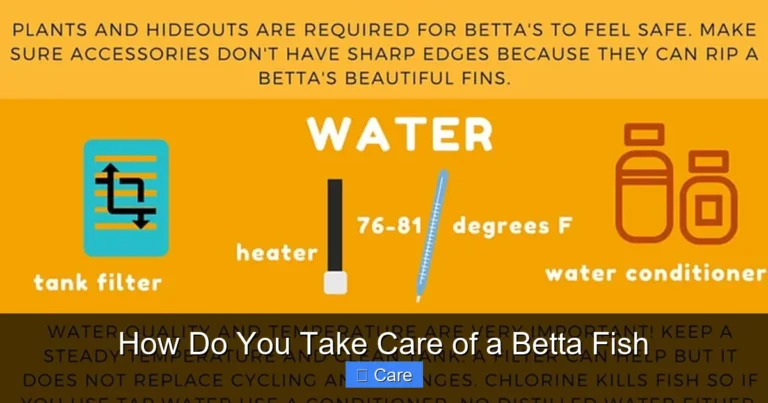
Bettas are tropical fish. They come from warm waters in Asia. Your home might be too cool for them. A heater keeps the water at the right temperature. This is usually around seventy-eight degrees. A small heater costs about fifteen to twenty dollars. This is a one-time purchase mostly.
You also need a filter. Do betta fish have to be in a filtered tank is a common doubt. While they can survive without one, a filter helps keep water clean. It removes waste and bad chemicals. This means fewer water changes for you. It also means a healthier fish. Filters can cost ten to thirty dollars depending on the type.
Combining these costs adds up. You might spend fifty to one hundred dollars on setup. This is more than the fish price. But it is a one-time cost for the most part. You will not buy a new tank every week. Think of it as an investment in your pet’s home.
Ongoing Care and Maintenance Expenses
Once your tank is set up, you have ongoing costs. You cannot just buy the fish and forget it. You need to feed them every day. You also need to clean the tank regularly. These costs are smaller but they add up over time.
Food is the most regular expense. Betta fish eat small pellets or flakes. A small container of food lasts a long time. You might spend five to ten dollars on food every few months. Do not overfeed them. Can you feed a betta fish too much is a risk many new owners take. Overfeeding makes the water dirty and sickens the fish.
Water care is also important. Tap water has chlorine that hurts fish. You need a water conditioner. This makes the water safe for them. A bottle of conditioner costs about ten dollars. It lasts for many water changes. You should also buy a test kit. This lets you check water quality. Test kits cost around twenty dollars.
Treats and Extras
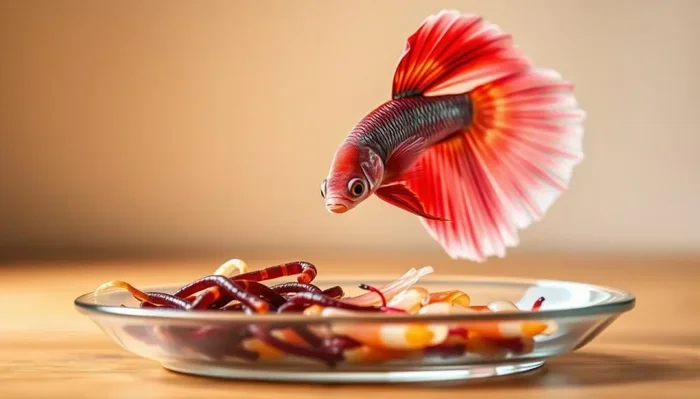
You might want to give your fish a snack sometimes. Do betta fish have treats for a snack is a fun question. Yes, they do. You can buy frozen bloodworms or brine shrimp. These are high-protein treats. They cost a bit more than dry food. A small pack might cost five dollars. Use these sparingly.
You also need to replace filter media. The filter cartridge gets dirty over time. You should change it every month or so. A pack of cartridges costs ten to fifteen dollars. This keeps your water clean and clear. It prevents bad smells and algae growth.
Here is a list of common ongoing costs:
- Fish Food: $5 – $10 every few months
- Water Conditioner: $10 per bottle
- Filter Cartridges: $10 – $15 per month
- Test Kit: $20 (one-time or refill)
Choosing the Right Tank Size and Environment
Picking the right tank is crucial. A bigger tank is easier to maintain. It sounds backwards, but it is true. Small tanks get dirty very fast. You have to change the water every day. A larger tank holds more water. The waste gets diluted. You only need to change water once a week.
Do betta fish bowls need a heater is another important point. If you use a bowl, you still need heat. But bowls are hard to fit a heater in. They also lack space for a filter. This makes them a bad choice for long-term care. A rectangular tank is better. It gives more surface area for oxygen.
You should also think about decorations. Plastic plants can hurt betta fins. Their fins are long and delicate. Rough plastic can tear them. Could plastic aquarium plants kill a betta fish is a serious concern. It is better to use silk plants. Real plants are even better. They help clean the water naturally. Java fern and Anubias are good choices.
Water Quality and Safety
Water quality is the most important part of care. Bad water kills fish faster than anything. You need to cycle your tank before adding the fish. This builds good bacteria in the filter. These bacteria eat fish waste. Without them, the water becomes toxic. This process takes a few weeks.
You also need to know about water sources. Can you use tap water in a betta fish tank is a common question. Yes, you can, but you must treat it. Tap water varies by city. Some have more chlorine than others. A conditioner neutralizes these chemicals. You should also check the temperature. Match the new water to the tank water.
Some people ask about bottled water. Can you use bottled water in a betta fish tank is another query. It is safe but expensive. It adds up quickly for water changes. Tap water with conditioner is usually best. It is cheap and easy to get. Just make sure you treat it every time.
Petsmart Policies and Fish Health
Sometimes things go wrong with new pets. You might notice your fish looks sick. Or you might change your mind about the purchase. It is good to know the store policy. Can you return a betta fish to Petsmart is a question many ask. Policies vary by location. Some stores accept returns within a few days. Others do not take fish back at all.
It is best to ask before you buy. Check the receipt for return details. Keep the receipt safe. If your fish dies quickly, you might want a refund. Some stores offer a guarantee on live pets. This usually covers the first few days. But you need to act fast. Bring the fish and the receipt back to the store.
Health is a big concern when buying. You want a strong fish. Look for bright colors and active swimming. Avoid fish that sit at the bottom all day. Do betta fish hang at top of tank can be a sign of trouble. If they gasp for air, the water might be bad. Or they might be sick. Pick a fish that looks alert and hungry.
Exchanges and Guarantees
Some people want to swap their fish. Can I exchange betta fish at Petsmart is possible in some cases. If the fish looks ill at purchase, you might swap it. But once you take it home, it is harder. Stress from moving can make them sick. Give them time to settle in. Do not rush to exchange unless they look very bad.
There is also the question of store liability. Can Petsmart sell me a dying betta fish is a worry for buyers. Stores try to keep fish healthy. But tanks can get sick sometimes. Look at the store tank conditions. If the water looks dirty, be careful. Choose a fish from a clean section. Your choice matters for the fish’s future.
Budgeting for Your New Betta Friend
Now let us look at the total budget. You need to add the fish price and the setup. Then add the ongoing costs. This gives you a true picture of ownership. It helps you avoid surprises later. You do not want to run out of money for food.
A basic setup with a standard fish is the cheapest route. You spend about fifty dollars on the tank. You spend five dollars on the fish. You spend ten dollars on food and conditioner. Your first month cost is around seventy-five dollars. After that, you spend about ten dollars a month. This is for food and filter changes.
A fancy setup costs more. A large tank with lights and plants costs more. A rare fish costs more. You might spend one hundred fifty dollars to start. This is still affordable for most people. But it is good to know beforehand. How much does a betta fish cost at Petsmart is just one part of the math.
Saving Money on Setup
You can save money in smart ways. Look for tank kits on sale. Petsmart often has deals on starter kits. These include the tank and filter. You save by buying them together. You can also buy used tanks online. Just make sure you clean them well. Never use soap to clean a tank. Can you use soap to clean a betta fish tank is a hard no. Soap leaves residue that kills fish.
Buy food in larger containers. It is often cheaper per ounce. Just make sure you use it before it goes bad. Store it in a cool dry place. You can also grow live plants. They are cheaper than fake ones over time. They also help the water quality. This saves money on water changes and filters.
Here is a comparison of budget options:
| Item | Budget Option | Premium Option |
|---|---|---|
| Fish | $5 (Standard) | $20 (Rare Koi) |
| Tank | $30 (5-Gallon Kit) | $60 (10-Gallon Kit) |
| Filter | $10 (Sponge) | $30 (Hang-on-Back) |
| Heater | $15 (Basic) | $25 (Adjustable) |
| Total Start | ~$60 | ~$130 |
Expert Insights on Betta Care
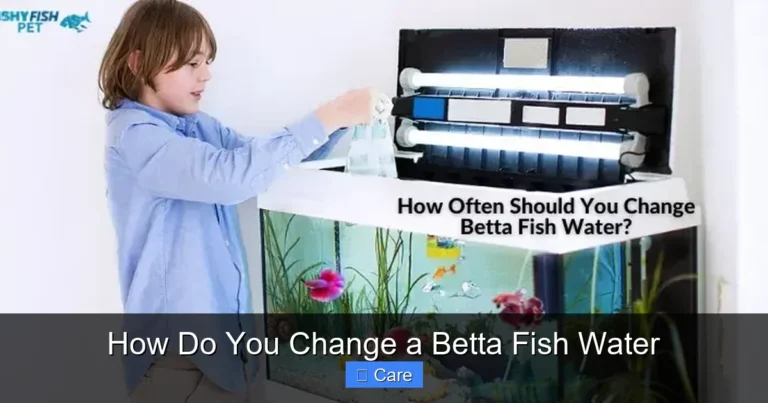
Experts agree that space matters. A bigger tank means a healthier fish. It reduces stress and disease. Stress makes fish lose color. It makes them hide more. A happy fish shows off its colors. It swims around actively. This is what you want to see.
Water temperature is also key. Cold water slows down their metabolism. They become sluggish. They eat less. This weakens their immune system. They get sick easier. A heater is not optional for most homes. Keep the temperature steady. Avoid placing the tank in direct sunlight. This causes algae and temperature swings.
Feeding habits matter too. Can you feed a betta fish too much leads to bloating. Bloating is painful for the fish. It can cause swim bladder issues. Feed them only what they can eat in two minutes. Remove any extra food. This keeps the water clean. It also keeps the fish trim and healthy.
Long-Term Commitment
Betta fish can live for several years. With good care, they live three to five years. Some even live longer. This is a commitment. You cannot just buy them for a few months. You need to plan for their whole life. Think about vacations too. Can your betta fish go a weekend without food is possible. But longer trips need a plan. You can use a feeder block. Or ask a friend to help.
You also need to think about their behavior. Do betta fish get bored in a tank is a real concern. They are smart fish. They like things to do. Add caves or hiding spots. Change decorations sometimes. This keeps them interested. A bored fish might stop eating. It might hide all the time. Keep their environment interesting.
Here are some final tips for success:
- Cycle your tank before adding the fish.
- Test your water weekly for ammonia and nitrites.
- Feed small amounts twice a day.
- Clean the tank regularly but do not overclean.
- Watch for signs of illness like spots or clamped fins.
Taking care of a betta is rewarding. They have personality. They recognize their owners. They will swim to the front when you approach. This bond is worth the effort. The cost is manageable if you plan well. Start with the basics and upgrade later. Your fish will thank you with good health.
Remember that how much does a betta fish cost at Petsmart is just the start. The real value is in the care you provide. A cheap fish in a bad tank is a sad sight. A well-cared-for fish is a beautiful pet. Take your time to set up right. Your wallet and your fish will be happier.
Frequently Asked Questions
How much does a betta fish cost at Petsmart on average?
The average price for a standard betta fish at Petsmart is between five and ten dollars. Special colors or tail shapes can cost more, sometimes up to twenty dollars.
What size tank do I need for a betta fish?
You should get at least a five-gallon tank for your betta fish. Smaller bowls are not recommended because the water quality gets bad quickly. A larger tank is easier to keep clean and stable.
Can I return a betta fish if it dies soon after purchase?
Some Petsmart locations allow returns within a few days if the fish dies. You should check the specific store policy and keep your receipt. It is best to ask the store associate before you buy.
Do betta fish need a heater and filter?
Yes, betta fish need a heater to keep the water warm around seventy-eight degrees. They also benefit from a filter to keep the water clean and safe for them to live in.
How often should I feed my betta fish?
You should feed your betta fish once or twice a day with small amounts of food. Be careful not to overfeed them as it can make them sick and dirty the water.
Can I use tap water for my betta fish tank?
You can use tap water but you must treat it with a water conditioner first. Tap water contains chlorine that is harmful to fish, so the conditioner makes it safe for them.