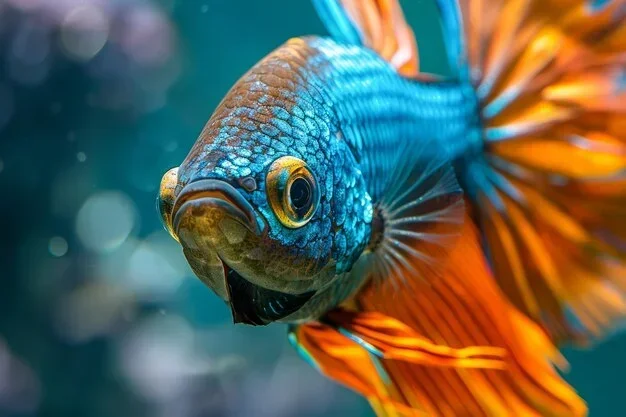
How Do Betta Fish Breathe Unique Labyrinth Organ Explained
Betta fish breathe using a special labyrinth organ that lets them gulp air from the surface. This unique adaptation means they can survive in low-oxygen water, but they still need clean, warm tanks to stay healthy. Understanding how do betta fish breathe helps you set up the right environment and avoid common mistakes.
If you have ever watched a betta fish pause at the top of the tank and take a quick gulp of air, you may have wondered what is happening. The answer is simple and fascinating. Betta fish breathing works differently from many other freshwater fish. They do not rely only on oxygen dissolved in water. They also breathe air directly from the surface.
This unique ability comes from a special organ called the labyrinth organ. It acts like a built-in breathing tool that lets them survive in shallow, warm, and low-oxygen environments. That is why bettas are often found in rice paddies, slow streams, and small ponds in the wild. In a home aquarium, this same trait means you need to understand their needs so you can care for them properly.
In this guide, we will explain how do betta fish breathe, why their respiratory system is so special, and what that means for your tank setup. You will learn practical tips for keeping the water healthy, helping your fish stay active, and avoiding common mistakes that can stress them out.
Key Takeaways
- Labyrinth Organ: Betta fish possess a special labyrinth organ that allows them to breathe atmospheric air directly.
- Surface Access: They must reach the water surface regularly to gulp air, so keep the tank uncovered or use a wide opening.
- Oxygen Needs: While they can survive low dissolved oxygen, clean water with good water circulation supports overall health.
- Temperature Matters: Warm water around 78°F to 80°F supports their metabolism and betta fish breathing efficiency.
- Tank Setup: Avoid strong filters that create heavy surface agitation, but gentle air pump circulation can be beneficial.
- Signs of Stress: Gasping at the surface, lethargy, or clamped fins may indicate poor water quality or temperature issues.
- Care Basics: Regular water changes, proper feeding, and stable conditions help maintain healthy betta fish respiration.
📑 Table of Contents
- How Do Betta Fish Breathe Using the Labyrinth Organ
- Do Betta Fish Breathe Air and Water at the Same Time
- Why Betta Fish Need Access to the Surface
- What Water Conditions Support Healthy Betta Breathing
- Common Betta Breathing Problems and How to Prevent Them
- Quick Tips for Supporting Betta Fish Breathing
- Key Takeaways for Betta Breathing Care
- Conclusion
How Do Betta Fish Breathe Using the Labyrinth Organ
The most important thing to know is that bettas have a labyrinth organ. This organ sits above the gills and works like a tiny internal lung. It is filled with folded tissue that holds moisture and allows oxygen to pass into the bloodstream. When a betta swims to the surface and takes a mouthful of air, that air reaches the labyrinth organ, where oxygen is absorbed.
This process is very different from the way many fish rely only on betta fish gills to extract oxygen from water. Gills still matter. They help the fish breathe dissolved oxygen while swimming. But the labyrinth organ gives bettas an extra advantage. It allows them to survive when oxygen levels in the water drop. It also helps them adapt to warm, stagnant, or shallow environments.
Here is what makes this system so interesting:
- Air breathing: Betta fish can breathe atmospheric air, not just water-borne oxygen.
- Backup system: The labyrinth organ acts as a backup when water oxygen is low.
- Warm water support: Warm temperatures increase their activity and oxygen needs.
- Surface reliance: They need easy access to the surface to gulp air.
If you are curious about the bigger picture of their respiratory habits, you may also want to read more about whether betta fish have to breathe air. It helps explain why surface access matters so much in a tank.
Why the Labyrinth Organ Evolved
Bettas come from environments where water can be warm, shallow, and low in oxygen. In those places, fish that could breathe air had a real advantage. Over time, the labyrinth organ became a key survival tool. It allowed them to live in places where other fish might struggle.
This evolution also explains their behavior in captivity. You may notice your betta rising to the top now and then, even when the water seems fine. That is normal. They are simply using their natural breathing pattern. As long as they are not gasping constantly, this behavior is usually healthy and expected.
How Gills and the Labyrinth Organ Work Together
Bettas do not choose one method over the other. They use both. The gills handle oxygen from the water, while the labyrinth organ handles oxygen from the air. This dual system gives them flexibility. It also means that good water quality still matters a lot. Even though they can breathe air, they are not immune to dirty or poorly maintained water.
If you want to understand more about the role of gills, you can explore how betta fish breathe through their gills. It is a helpful companion topic for anyone studying betta fish respiration.
Do Betta Fish Breathe Air and Water at the Same Time
Yes, in a way. Betta fish breathe air and water, but not in the same exact way. They use their gills to extract oxygen from water. They use the labyrinth organ to absorb oxygen from air. This means they are not limited to one source. They can switch between both as needed.
This is one reason bettas are so adaptable. They can live in tanks with less surface agitation than some other fish. They can also tolerate low-oxygen water better than many species. Still, “better” does not mean “best.” A healthy tank should still have clean water, stable temperature, and enough circulation to support the fish overall.
If you are wondering whether bettas breathe water at all, you can check whether betta fish breathe water for a more detailed look at their dual breathing style.
When Air Breathing Becomes More Important
There are times when a betta relies more on air breathing. For example:
- Warm water: Warm water holds less dissolved oxygen, so bettas may surface more often.
- Low circulation: Still water may have less oxygen mixing throughout the tank.
- Overcrowding: Too many fish can reduce available oxygen.
- Poor water quality: Dirty water can make breathing harder and stress the fish.
In those situations, the betta may spend more time near the surface. That does not automatically mean something is wrong. It may simply mean the fish is adjusting to the environment. However, if surface breathing becomes constant or frantic, it is worth checking your tank conditions.
Signs of Normal Breathing Versus Stress
Normal betta breathing usually looks calm and steady. The fish may rise, take a quick breath, and return to swimming. Stress breathing looks different. Watch for these signs:
- Frequent gasping: The fish stays at the surface and seems to struggle.
- Rapid gill movement: The gills move too fast or look labored.
- Lethargy: The fish hides, sinks, or loses energy.
- Clamped fins: Fins stay close to the body instead of flowing naturally.
These signs can point to water quality issues, temperature problems, or low oxygen. They are worth addressing quickly.
Why Betta Fish Need Access to the Surface
Because bettas breathe air, they need clear access to the surface. If the tank is covered too tightly, or if the water level is too low, they may have trouble reaching air comfortably. That can create unnecessary stress. A good setup leaves enough open space for the fish to rise and breathe easily.
Surface access also matters because bettas often use the top area as part of their natural routine. They may rest near the surface, explore there, or take quick breaths between movements. This is normal behavior and shows the fish is using its labyrinth organ as intended.
If you want to understand more about this habit, you can read whether betta fish have to come up for air. It explains why surface visits are such a regular part of their day.
Tank Covers and Surface Space
Some aquarium owners use lids to prevent jumps or reduce evaporation. That is fine, but the cover should not block the surface completely. A tight seal can make it harder for the betta to breathe comfortably. Leave some opening or use a cover that allows air exchange.
Also, keep the water level high enough for easy access. If the tank is too empty, the fish may have to work harder to reach the top. That is not ideal, especially in smaller tanks.
Resting Near the Surface
Bettas sometimes rest near the surface or among floating plants. This can be part of their normal behavior. They may also rest on leaves, decorations, or the tank bottom. If you have ever seen a betta lying sideways or on its side, you may have worried. In some cases, that is a warning sign. In other cases, it may be rest or discomfort. For more context, see whether betta fish lay on their sides.
The key is to observe the whole picture. A calm fish that moves normally and eats well is usually fine. A fish that stays still for long periods and seems weak may need help.
What Water Conditions Support Healthy Betta Breathing
Even though bettas can breathe air, water conditions still play a huge role in their health. Clean water supports their gills, reduces stress, and helps them use their labyrinth organ more efficiently. Poor water can make breathing harder, even if the fish can gulp air.
The best conditions for betta fish breathing usually include:
- Stable temperature: Keep the water warm, usually around 78°F to 80°F.
- Good filtration: Use gentle filtration that does not create strong currents.
- Regular water changes: Fresh water helps remove waste and maintain quality.
- Low ammonia and nitrite: These toxins stress fish and harm respiration.
- Proper space: A tank that is too small can limit movement and comfort.
If you are unsure about the right tank size, you may find it helpful to read whether betta fish like a lot of space. Space matters because it supports swimming, exploration, and overall comfort.
Temperature and Metabolism
Warm water supports a betta’s metabolism. When the water is too cold, the fish may become sluggish and less active. That can affect feeding, movement, and breathing patterns. On the other hand, water that is too warm can increase stress and oxygen demand. A steady, appropriate temperature is the sweet spot.
A heater and a reliable thermometer can make a big difference. Consistency matters more than sudden changes. Bettas do best when their environment stays stable day after day.
Filtration and Water Movement
Bettas generally prefer calm water. Strong currents can make swimming harder and increase stress. At the same time, some gentle movement helps keep water oxygenated and prevents stale areas. The goal is balance. You want enough circulation to support water quality without overwhelming the fish.
Some owners also wonder about whether betta fish like air pump circulation. The answer depends on the setup. A mild bubble stream may be fine in some tanks, but strong agitation can bother a betta. Watch how your fish reacts and adjust accordingly.
Common Betta Breathing Problems and How to Prevent Them
Most betta breathing issues come from environment stress, not from the labyrinth organ itself. The organ is strong and effective. The problem is usually the tank conditions around the fish. When water quality, temperature, or space is off, the fish has to work harder to stay comfortable.
Here are some common problems and what to do about them:
- Poor water quality: Test the water often and perform regular changes.
- Wrong temperature: Use a heater and check the temperature daily.
- Overcrowded tank: Give the betta enough room and avoid too many tank mates.
- Strong current: Reduce flow if the fish struggles to swim comfortably.
- Low surface access: Keep the water level adequate and the top area open.
If you want to avoid bigger issues, it helps to understand basic maintenance. For example, you can read whether betta fish have to have water changes to learn why routine care matters so much.
When to Worry About Surface Breathing
A betta that rises occasionally is usually normal. A betta that stays at the surface for long periods may be telling you something is wrong. Check the temperature first. Then check the water quality. Look for signs of stress, such as faded color, clamped fins, or weak appetite.
If the fish seems to struggle, improve the conditions step by step. Test the water, adjust the heater, reduce stress, and make sure the tank is clean. Small changes can make a big difference.
Expert Insights on Betta Respiration
Experienced betta keepers often say the same thing: do not assume air breathing means the water is fine. It means the fish can survive, but it does not replace good care. The best approach is to give the fish both comfort and quality. That means warm water, clean conditions, gentle flow, and enough room to move.
Another helpful insight is that bettas are individuals. Some are more active at the surface. Some rest more. Some tolerate minor changes better than others. Watching your own fish is one of the best tools you have. Behavior tells you a lot.
Quick Tips for Supporting Betta Fish Breathing
If you want to keep your betta comfortable and breathing easily, these simple habits help a lot:
- Keep the water warm and stable.
- Maintain a clean tank with regular water changes.
- Provide easy access to the surface.
- Use gentle filtration instead of strong currents.
- Watch for gasping, lethargy, or unusual resting behavior.
- Test the water regularly for ammonia, nitrite, and nitrate.
- Feed a balanced diet and avoid overfeeding.
These basics support not just breathing, but overall health. A comfortable betta is usually more active, more colorful, and more responsive.
Key Takeaways for Betta Breathing Care
To wrap up the main points:
- Bettas breathe air and water: Their labyrinth organ gives them a special advantage.
- Surface access matters: They need to reach the top to breathe comfortably.
- Water quality still counts: Clean, warm, stable water supports healthy respiration.
- Gentle flow is best: Strong currents can stress the fish.
- Watch behavior closely: Normal surface visits are fine; constant gasping is not.
- Routine care prevents problems: Simple maintenance keeps the tank healthy.
If you are learning how do betta fish breathe, the big idea is that their respiratory system is both simple and remarkable. They are built to adapt, but they still thrive best in a thoughtful, well-maintained home.
Conclusion
So, how do betta fish breathe? They use a powerful combination of gills and a labyrinth organ that lets them absorb oxygen from both water and air. This unique system helps them survive in challenging environments, and it also explains why they often visit the surface in a tank.
That said, their special breathing ability does not remove the need for good care. Warm water, clean conditions, gentle circulation, and easy surface access all help your betta stay healthy and relaxed. When you understand their needs, you can create a tank that supports them naturally.
The best takeaway is simple: respect their unique biology, but still give them the stable, clean, and comfortable home they deserve. A betta that can breathe easily is a betta that can show off its beauty, personality, and energy every day.
Frequently Asked Questions
How do betta fish breathe differently from other fish?
Betta fish use both gills and a special labyrinth organ to breathe. That means they can absorb oxygen from water and from the air at the surface, which gives them more flexibility than many fish that rely only on dissolved oxygen.
Do betta fish need to come to the surface for air?
Yes, bettas usually need to reach the surface to gulp air, especially when water oxygen is lower or when they are active. Occasional surface visits are normal, but constant gasping may mean the tank needs better water quality or temperature control.
Can betta fish breathe underwater without air?
They can breathe some oxygen from the water through their gills, but they are not designed to rely on water alone. Their labyrinth organ gives them the ability to breathe atmospheric air, which is a major part of their natural respiration.
What temperature helps betta fish breathe best?
A stable warm temperature, usually around 78°F to 80°F, supports their metabolism and overall comfort. Water that is too cold can make them sluggish, while water that is too warm can increase stress and oxygen demand.
Do betta fish like strong water movement for oxygen?
Not usually. Bettas generally prefer calm water with gentle circulation. Strong currents can make swimming harder and increase stress, so a balanced setup with moderate flow is usually better than heavy agitation.
When should I worry about my betta breathing?
You should worry if your betta stays at the surface for long periods, gasps repeatedly, moves weakly, or shows signs like clamped fins or poor appetite. Those behaviors can point to water quality issues, temperature problems, or other stress that needs quick attention.