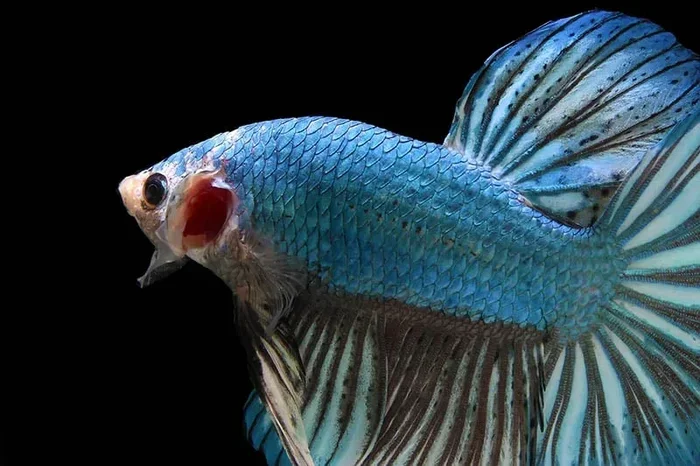
Does Male Betta Fish Lay Eggs Learn The Surprising Truth Today

Betta fish are fascinating creatures, but many owners ask does male betta fish lay eggs. The answer is no, only female betta fish produce eggs. Male bettas build bubble nests and fertilize eggs, but they never lay them themselves. Understanding this difference helps you care for your fish better and avoid confusion. We will explore how betta fish reproduce, what eggs look like, and what signs to watch for in your aquarium.
This is a comprehensive guide about does male betta fish lay eggs.
Key Takeaways
- Point 1: Male betta fish do not lay eggs, only females produce eggs.
- Point 2: Male bettas build bubble nests to protect fertilized eggs.
- Point 3: Egg laying requires a female and proper breeding conditions.
- Point 4: Unfertilized or dropped eggs can appear without a male present.
- Point 5: Healthy bettas rarely die from laying eggs, but stress matters.
- Point 6: Proper tank setup and nutrition support successful breeding.
- Point 7: Knowing reproduction signs helps you respond quickly and care well.
[FEATURED_IMAGE_PLACEHOLDER]
Introduction
Betta fish are beautiful, full of personality, and often the first fish new owners choose. They also spark a lot of questions about how they grow, breed, and behave. One common question is does male betta fish lay eggs. It sounds simple, but the answer reveals a lot about betta biology and tank care.
In this guide, we will clear up the confusion. We will look at how betta fish reproduce, what roles males and females play, and what egg related signs really mean. You will also learn how to spot healthy behavior, support breeding if you want to try it, and avoid common mistakes that stress your fish.
Do Male Betta Fish Lay Eggs
The short answer is no. Male betta fish do not lay eggs. Only female bettas develop and release eggs. Males play a very different role in the process. They help fertilize the eggs and guard them after spawning. This division of labor is common in many fish species, and bettas are no exception.
If you see small white objects in your tank, do not assume a male laid them. Sometimes owners mistake other things for eggs. A male may also look rounded or swollen for reasons that have nothing to do with egg production. We will break down what is really happening so you can respond with confidence.
Understanding Betta Fish Reproduction Basics
Betta fish reproduce through a process called spawning. The female releases eggs, and the male releases milt to fertilize them. After that, the male usually collects the eggs and places them in a bubble nest. This nest floats at the surface and helps protect the eggs from sinking and from some predators.
A few key ideas help make sense of the process:
- Female bettas produce the eggs.
- Male bettas fertilize and guard the eggs.
- Bubble nests provide a safe place for fertilized eggs.
- Water conditions strongly affect breeding success.
If you are new to betta breeding, it helps to think of the male as a protector and the female as the egg producer. Neither fish lays eggs in the way a chicken does. Instead, the female releases eggs during a spawning event, and the male responds right away.
For a deeper look at how bettas reproduce, you can read do betta fish lay eggs or have live birth to understand the difference between egg laying and live bearing fish.
Why People Ask Does Male Betta Fish Lay Eggs
This question usually comes from a few common situations. Sometimes an owner sees a bubble nest and assumes the male created eggs too. Other times, a fish looks swollen and people wonder if it is carrying eggs. In other cases, eggs or egg-like objects appear in the tank, and the owner is not sure where they came from.
Here are the most common reasons for the confusion:
- Bubble nests: Males build these, but they are not eggs.
- Swollen belly: This may be eggs, food, or a health issue.
- White grains in the tank: These may be eggs, fungus, or debris.
- Behavior changes: Males may court females, which can look dramatic.
It is easy to see why the question comes up. Betta behavior can be subtle, and beginners often want quick answers. The good news is that once you know what to look for, the signs become much clearer.
What Actually Happens When Betta Fish Breed
When breeding begins, the male usually builds a bubble nest first. He uses saliva and surface tension to create a raft of bubbles at the water line. This nest is a signal that he is ready to spawn. The female may show vertical breeding stripes and a more rounded belly when she is ready too.
During spawning, the pair may wrap around each other in a gentle embrace. The female releases eggs, and the male fertilizes them. He then catches the eggs and moves them into the bubble nest. This is a delicate process, and it can take place over a short period.
A few important points help explain what happens next:
- The male guards the nest. He watches for falling eggs and may repair the nest.
- The female should usually be removed after spawning. In some cases, she may eat the eggs or become stressed.
- Fertilized eggs change color over time. They may turn darker as embryos develop.
- Unfertilized eggs can turn white and may not survive.
If you want to understand whether eggs must be fertilized, see do betta fish eggs need to be fertilized for a clear explanation of fertilized versus unfertilized eggs.
Signs Your Betta Fish May Be Carrying Eggs
Females can carry eggs even if they have not spawned yet. This can make them look fuller around the midsection. A female with eggs may also show a more visible gravid spot, which is a small area near the abdomen. That spot can become more noticeable as eggs develop.
Signs that a female may be carrying eggs include:
- A rounder belly that does not look like simple overfeeding.
- Vertical breeding stripes on the body.
- Interest in a male’s bubble nest or courtship behavior.
- More time near the surface during breeding periods.
Males do not carry eggs in the same way. If a male looks swollen, it may be due to food, water retention, or a health concern rather than egg production. If you are unsure, it is worth checking your feeding routine and water parameters first.
For more detail on egg production without a male, you can review can female betta fish lay eggs without male to learn when eggs may appear and what that means.
Betta Fish Eggs Versus Bubble Nests
One of the easiest mistakes is confusing bubble nests with eggs. A bubble nest is a mass of air bubbles and saliva. It usually looks like a frothy patch on the surface. Eggs are much smaller and often look like tiny grains. Fertilized eggs may have a slightly yellowish or translucent look at first, depending on the stage.
Here is a simple comparison to help you tell them apart:
| Feature | Bubble Nest | Betta Eggs |
|---|---|---|
| What it is | Air bubbles and saliva | Tiny reproductive eggs |
| Where it appears | Water surface | Inside the nest or on leaves |
| Color | Clear or slightly iridescent | Often pale, later darker if fertilized |
| Purpose | Holds and protects eggs | Contains the developing embryo |
If you are wondering whether eggs can look like bubbles, check do betta fish eggs look like bubbles for a closer description of egg appearance.
Can Betta Fish Lay Eggs Without a Male
This is another common question. A female may develop eggs on her own, but those eggs usually need a male for fertilization if you want offspring. In some cases, a female may release eggs even without a male present. Those eggs are typically unfertilized and will not develop into fry.
If you want to understand egg laying without a male more clearly, see can betta fish female make eggs without a male. It explains when eggs may appear and what to expect.
A few points are worth remembering:
- Females can produce eggs without a male.
- Unfertilized eggs usually do not hatch.
- Spawning behavior is much more likely with a male present.
- Stress or poor conditions can affect egg release.
If you notice eggs in a tank with only a female, do not assume you have a breeding success. It is more likely that the eggs were released without fertilization.
Common Mistakes When People See Eggs in the Tank
New owners often jump to conclusions when they spot small white objects in the aquarium. Some assume the male laid them. Others worry immediately. Both reactions can lead to mistakes. The better approach is to observe carefully and check the context.
Common mistakes include:
- Assuming any white speck is a betta egg. It could be fungus, snail eggs, or debris.
- Disturbing the nest too much. This can stress the male and damage the eggs.
- Feeding too much before breeding. Overfeeding can cause swelling and cloud the picture.
- Ignoring water quality. Poor water can reduce spawning success and egg health.
If you are unsure whether your fish actually laid eggs, read did my betta fish lay eggs for help identifying what you are seeing.
Do Betta Fish Die After They Lay Eggs
Many people worry that spawning is dangerous for bettas. In general, healthy bettas do not die simply from laying eggs. However, breeding can be stressful. Poor water quality, rough handling, and prolonged chasing can all cause problems. That is why careful setup matters.
If you want to know more about survival after spawning, see do betta fish die after they lay eggs. It covers what usually happens and when to be cautious.
To reduce risk, keep these tips in mind:
- Maintain stable water parameters.
- Provide hiding places for the female.
- Watch for signs of exhaustion or injury.
- Separate the fish if aggression becomes too intense.
A calm, clean environment gives both fish a better chance to handle the process safely.
Quick Tips for Healthy Betta Breeding
If you decide to breed bettas, preparation makes a big difference. You do not need a complicated setup, but you do need a thoughtful one. The goal is to reduce stress and give the male a safe place to build his nest.
Quick tips:
- Use a separate tank if possible. This reduces disturbances.
- Keep the water warm and clean. Stable conditions help spawning.
- Add floating plants or a quiet surface area. This supports bubble nest building.
- Condition both fish with good food before breeding.
- Watch behavior closely and step in if aggression escalates.
A well prepared tank gives the male a better chance to focus on nesting and guarding. It also gives the female a safer experience if she is present for spawning.
Expert Insights on Male and Female Roles
Betta breeding is a team process, but the roles are very different. The male’s main job is nest building, fertilization, and protection. The female’s main job is egg production and release. When both fish are healthy and conditions are right, the process can move smoothly.
Expert keepers often pay attention to these signals:
- Nest quality: A sturdy nest suggests the male is ready.
- Female readiness: A rounded belly and breeding stripes can indicate preparation.
- Courtship pace: Gentle chasing is normal, but constant aggression is not.
- Post spawn behavior: The male may stay near the nest for days.
If you are curious about male and female interactions, you may also find do betta female and male fish fight useful. It explains how aggression and courtship can sometimes look similar.
Key Takeaways for Betta Egg Questions
When the question is does male betta fish lay eggs, the answer stays the same: males do not lay eggs. Females produce the eggs, and males help fertilize and guard them. Bubble nests are not eggs, and swollen bellies are not always a sign of eggs either. Once you know these basics, tank observations become much easier to understand.
Here is a final recap:
- Only females produce eggs.
- Males build nests and protect fertilized eggs.
- Eggs and bubble nests are different things.
- Unfertilized eggs may appear without a male.
- Good water and low stress support healthier outcomes.
If you want to explore more egg related questions, you can also read do betta fish ever lay unfertilized eggs and do all betta fish lay eggs for broader context.
Conclusion
So, does male betta fish lay eggs? No, it does not. Male bettas are important in reproduction, but their role is to fertilize and protect eggs, not to lay them. Female bettas produce the eggs, and the male’s bubble nest helps keep those eggs safe after spawning. Once you understand this division of roles, it becomes much easier to interpret what you see in your tank.
Whether you are caring for a single betta or planning to breed a pair, the best approach is simple. Keep the water clean, feed a balanced diet, and watch behavior closely. If eggs appear, look at the full picture before deciding what they mean. With a little patience, you will get better at reading your betta’s signs and giving them the care they need.
FAQs
Do male betta fish lay eggs?
No, male betta fish do not lay eggs. Only female bettas produce eggs, while males help fertilize and guard them.
What is a bubble nest made of?
A bubble nest is made of air bubbles and saliva that float at the water surface. It is built by the male to help protect fertilized eggs.
Can female bettas release eggs without a male?
Yes, a female may release eggs without a male, but those eggs are usually unfertilized. They typically will not develop into baby fish.
How do I know if my betta has laid eggs?
You may see tiny grain-like eggs in a bubble nest or on plants, often after courtship. If you are unsure, check the tank carefully and compare what you see with common egg descriptions.
Are betta eggs fertilized before they are laid?
Betta eggs are usually fertilized during spawning, when the male releases milt over the eggs the female releases. Fertilized eggs have a better chance of developing than unfertilized ones.
Should I remove the female after spawning?
Often yes, because the female may stress the male or eat the eggs after spawning. Separating her can help protect the nest and reduce aggression.
Frequently Asked Questions
What is does male betta fish lay eggs?
does male betta fish lay eggs is an important topic with many practical applications.