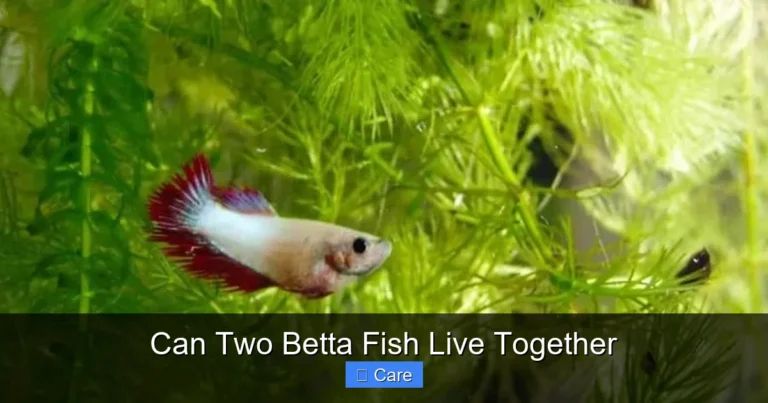
Do Betta Fish Jump Out of Tanks Why and How to Stop It

Yes, betta fish can jump out of tanks, and it happens more often than many owners realize. Stress, poor water quality, and lack of cover often trigger this behavior. By understanding the reasons and making a few simple changes, you can keep your fish secure and thriving.
Keeping a betta fish can be a joyful experience. Their bright colors and lively personalities bring life to any room. But many new owners ask the same question: do betta fish jump out of tanks? The short answer is yes. These fish have a natural ability to leap, and under certain conditions, they may try to escape their home.
This behavior can be scary for owners. A fish on the floor is in serious danger. The good news is that jumping is usually preventable. Once you understand why it happens, you can make simple changes to keep your fish safe. In this guide, we will walk through the common reasons bettas jump, the risks involved, and practical steps you can take to stop it.
You will also learn how to spot early warning signs and create a tank environment that feels calm and secure. Let us dive in and keep your finned friend where it belongs.
Key Takeaways
- Jumping is natural: Betta fish have a strong instinct to leap, especially when stressed or exploring.
- Water quality matters: Poor conditions like high ammonia or low oxygen often drive fish to jump.
- A tight lid helps: Using a secure cover or mesh prevents accidental escapes.
- Reduce stress: Add plants, hiding spots, and calm lighting to make the tank feel safe.
- Watch for signs: Gasping at the surface or frantic swimming can signal a problem before jumping occurs.
- Maintain proper space: A spacious tank with gentle flow supports healthier, calmer behavior.
- Act quickly if escaped: If your fish jumps out, return it to water immediately and check for injuries.
📑 Table of Contents
Why Do Betta Fish Jump Out of Tanks?
Betta fish do not jump just to be difficult. They usually leap because something in their environment feels wrong. Understanding these triggers is the first step toward prevention. Below are the most common reasons.
Poor Water Quality
Dirty water is a major stressor. When ammonia or nitrite levels rise, fish feel uncomfortable and may try to escape. Low oxygen levels can also push them to the surface. If the water feels heavy or stale, a betta may leap in search of better conditions.
Regular water testing helps you catch problems early. Clean water supports healthy gills and calm behavior. A well-maintained tank reduces the urge to jump.
Stress and Overcrowding
Bettas are sensitive to their surroundings. Loud noises, sudden movements, or too many tank mates can create tension. Even a busy room with constant foot traffic may stress a fish. When stress builds up, jumping can become an escape response.
Giving your betta enough space and quiet time matters. A peaceful setup helps lower anxiety. If you notice frantic swimming, it may be time to adjust the environment.
Lack of Cover or Hiding Spots
Open tanks can feel exposed. In the wild, fish use plants and rocks to hide from threats. Without cover, a betta may feel vulnerable. This sense of exposure can lead to jumping, especially if the fish feels startled.
Adding live or artificial plants gives your fish places to rest. Soft leaves and gentle structures create a safer feel. A tank with visual breaks is often calmer for bettas.
Temperature and Oxygen Issues
Water that is too warm or too cold can bother a betta. Temperature swings may cause discomfort and restless behavior. Low oxygen can also make fish gulp at the surface. In some cases, this leads to leaping.
A steady temperature and gentle surface movement support better breathing. Avoid strong currents that tire the fish out. Balanced conditions help your betta feel settled.
Natural Instincts and Exploration
Bettas are curious by nature. They may jump simply to investigate something above the water. In some cases, they react to their reflection or movement near the tank. This instinct can turn into an escape attempt if the lid is loose.
Curiosity is normal, but it should be managed safely. A secure cover allows your fish to explore the water without risk. You can still enjoy watching active behavior without worry.
The Dangers of a Jumped-Out Betta Fish
When a betta leaves the water, time matters. These fish are not built to stay out of their tank for long. Even a short fall onto a dry surface can cause serious harm. Understanding the risks helps you act fast and prevent future jumps.
How Long Can a Betta Survive Out of Water?
Bettas can survive briefly out of water, but only for a very short time. Their gills need moisture to function. Once they dry out, breathing becomes difficult. The longer they stay on a dry surface, the worse the outcome.
If your fish jumps, return it to water as soon as possible. Keep the water calm and at the right temperature. Watch for signs of stress or injury after the event.
Common Injuries and Stress After a Jump
A fall can cause more than surprise. Scales may scrape, fins may tear, and the fish may become frightened. Stress can weaken the immune system and make your betta more prone to illness. Even if the fish looks fine, careful observation is important.
Check for torn fins, unusual hiding, or loss of appetite. If you see ongoing problems, consider a gentle care routine and stable water conditions. Recovery is easier when the tank stays clean and quiet.
How to Stop Your Betta Fish From Jumping
Preventing jumps is mostly about creating a safe, comfortable home. You do not need expensive equipment to make a big difference. Small changes often solve the problem quickly.
Use a Secure Lid or Cover
A tight lid is one of the best defenses. Make sure it fits well and leaves no large gaps. Some tanks come with lightweight covers that still allow air flow. If your tank lacks a lid, a mesh cover or fitted screen can work well.
Check the edges regularly. Even a small opening can be enough for a determined jumper. A secure top gives you peace of mind.
Improve Water Conditions
Clean water supports calm behavior. Test your tank often and perform regular partial water changes. Remove leftover food and waste before it breaks down. Stable water quality reduces stress and discourages escape attempts.
Good filtration also helps, as long as the flow is gentle. Bettas prefer calm water rather than strong currents. Balanced conditions make the tank feel safer.
Add Plants and Hiding Places
Plants give your betta places to rest and feel hidden. You can use soft artificial plants or hardy live plants that suit your setup. Rock formations and simple decorations also add cover. Just keep the layout open enough for easy swimming.
A tank with hiding spots often feels less threatening. Your fish can retreat when it wants privacy. This simple addition can lower jumping triggered by stress.
Reduce Noise, Movement, and Sudden Light Changes
Bettas notice their surroundings. Place the tank in a quieter area if possible. Avoid tapping the glass or making sudden movements near the water. Soft lighting and a consistent day-night cycle also help.
If the room gets very busy, consider moving the tank to a calmer spot. A steady environment encourages relaxed behavior. Calm fish are less likely to leap.
Choose the Right Tank Size and Setup
Space matters. A tank that feels too small can increase tension and restlessness. Your betta should have enough room to swim and explore without feeling boxed in. A larger setup can also support better water stability.
If you are unsure about the best size for your fish, it helps to learn more about how much space bettas prefer. A thoughtful setup makes daily care easier and keeps your fish more comfortable.
Signs Your Betta May Try to Jump
Jumping does not always happen without warning. Many bettas show signs before they leap. Watching for these clues can help you intervene early.
Gasping at the Surface
If your betta spends a lot of time gulping near the top, oxygen or water quality may be off. This behavior can signal discomfort. Check your tank conditions and improve air exchange if needed.
Pacing or Frantic Swimming
Restless movement often points to stress. Your fish may swim back and forth or seem unable to settle. This can happen when the tank feels too bright, too loud, or too crowded.
Frequent Surface Investigation
Some bettas linger near the top and seem focused on what is above the water. This curiosity can turn into a jump if the lid is not secure. Keep an eye on fish that repeatedly approach the cover.
Hiding More Than Usual
Extra hiding can mean your betta feels unsafe. While hiding is normal sometimes, a sudden increase may show stress. Look for changes in water quality, tank mates, or noise levels.
Expert Tips for a Safe Betta Tank
A safe tank is not just about stopping jumps. It is about creating a home where your fish can thrive. These expert tips keep care simple and effective.
Keep a Consistent Routine
Feed your betta on a regular schedule. Perform water changes at predictable intervals. Consistency helps your fish feel secure. It also makes it easier for you to notice changes in behavior.
Watch the Temperature Closely
Use a reliable heater and thermometer. Stable warmth supports healthy metabolism and comfort. Sudden temperature changes can upset your fish and lead to restless behavior.
Avoid Overcrowding
Too many fish or decorations can make the tank feel chaotic. Give your betta enough open swimming space. If you keep tank mates, choose calm companions that do not chase or nip.
Maintain Gentle Water Movement
Strong currents can tire a betta out. Aim for mild circulation that keeps water fresh without pushing the fish around. If your betta struggles against the flow, adjust the output or add a baffle.
Learn Your Fish Personality
Every betta has its own habits. Some are bold and active. Others are shy and quiet. Knowing your fish helps you spot unusual behavior sooner. When something changes, you can respond faster.
Common Mistakes That Lead to Jumping
Even experienced owners can overlook small issues. These common mistakes often create the conditions that trigger jumping.
- Leaving the lid slightly open: Even a small gap can invite a leap.
- Skipping water tests: Hidden water problems can stress fish without obvious signs.
- Using strong filters: Heavy flow can make the tank uncomfortable.
- Adding too many decorations: Crowded tanks reduce swimming space and increase tension.
- Placing the tank in a high-traffic area: Constant movement can startle your fish.
- Ignoring temperature swings: Unsteady warmth can make bettas restless.
- Feeding too much: Excess food worsens water quality and increases stress.
What to Do If Your Betta Jumps
If your fish ends up outside the tank, stay calm and act quickly. Speed matters, but gentle handling matters too.
Step 1: Return the Fish to Water Immediately
Carefully pick up the fish and place it back in the tank. If the fish is wet, you may gently slide it into the water. If it has dried out, support it carefully and allow it to recover in calm water.
Step 2: Check for Injuries
Look for torn fins, scratches, or unusual posture. Some fish bounce back quickly. Others may need a few days of quiet recovery. Keep the tank clean and stable during this time.
Step 3: Reduce Stress After the Event
Lower bright lights and avoid sudden noise. Let your betta rest without disturbance. Watch its breathing, swimming, and eating habits over the next few days.
Step 4: Fix the Cause
After the jump, review what may have triggered it. Test the water, check the lid, and look for stressors. Making one or two changes now can prevent another incident later.
Building a Tank That Feels Like Home
A good betta tank is more than a container. It is a balanced little ecosystem. When the water is clean, the cover is secure, and the layout feels safe, your fish is much less likely to jump. You also create a space that is easier for you to maintain.
Think of your tank as a quiet retreat. Plants soften the view. Gentle filtration keeps the water fresh. A stable temperature helps your betta settle in. Even simple touches, like a proper lid and a calm location, make a big difference.
If you want a happier fish, focus on comfort first. Jumping is often a sign that something needs attention. Once you address the cause, the behavior usually improves. That means less worry for you and a safer life for your betta.
Conclusion
So, do betta fish jump out of tanks? Yes, they can, and they sometimes do. But jumping is usually a signal, not random mischief. Poor water, stress, exposure, and loose covers are common triggers. The good news is that most of these problems are easy to fix.
By using a secure lid, keeping water clean, and giving your betta a calm environment, you can greatly reduce the risk. Watch for warning signs like gasping, pacing, or extra hiding. If a jump does happen, respond quickly and then adjust the setup to prevent it from happening again.
With a few thoughtful changes, your tank can become a safe and comfortable home. That means more vibrant colors, more relaxed swimming, and fewer surprises on the floor. Your betta will have a better life, and you will enjoy the hobby with much more confidence.
Frequently Asked Questions
Why would a betta fish jump out of its tank?
A betta may jump because of stress, poor water quality, low oxygen, or a loose lid. It can also happen if the fish feels exposed or startled. Fixing the underlying cause usually reduces the behavior.
Can a betta fish survive after jumping out of the tank?
A betta may survive a short time out of water, but it should be returned immediately. Dry surfaces can quickly cause serious harm. After a jump, check for injuries and keep the water stable.
Do betta fish need a lid on their tank?
Yes, a secure lid or cover is highly recommended. Bettas can leap, especially when stressed or curious. A good cover helps prevent escapes while still allowing proper air exchange.
What are the signs that my betta is stressed and might jump?
Common signs include gasping near the surface, frantic swimming, extra hiding, or frequent pacing. These behaviors often point to water quality issues or environmental stress. Watching closely helps you act early.
How can I make my betta tank safer to prevent jumping?
Use a tight lid, keep the water clean, and add plants or hiding spots. Place the tank in a quieter area and avoid strong water flow. A comfortable setup lowers stress and reduces jumping.
Should I be worried if my betta swims near the top often?
Not always, but it can be a warning sign. Bettas may visit the surface for air, yet constant gasping can mean low oxygen or poor water conditions. Test the water and improve circulation if the behavior continues.