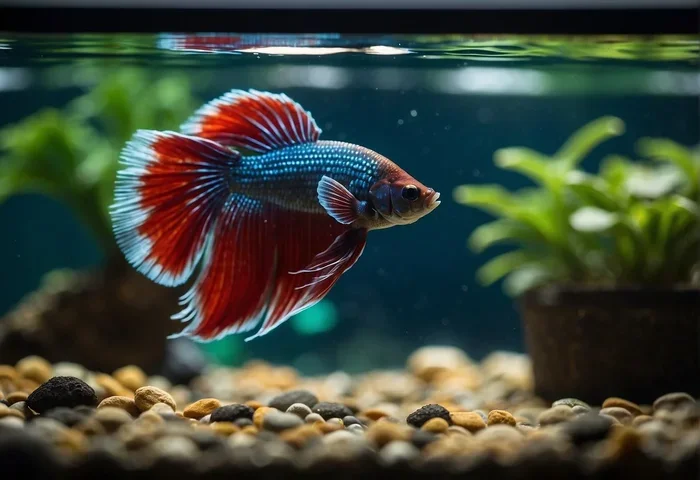
Are Betta Fish In The Wild Discover Their True Natural Habitat

Betta fish are absolutely found in the wild. They naturally inhabit shallow, warm freshwater systems across Southeast Asia. Understanding where betta fish live in nature helps you replicate their ideal environment at home. Their wild survival instincts also explain why they thrive in low-oxygen waters. Learning about their natural betta fish habitat will transform how you care for your aquarium pet.
This is a comprehensive guide about are betta fish in the wild.
Key Takeaways
- Wild Origins: Betta fish are native to rice paddies, slow-moving streams, and marshes in Thailand, Cambodia, and Vietnam.
- Natural Habitat Features: Their wild environment is warm, shallow, heavily vegetated, and naturally low in dissolved oxygen.
- Survival Adaptations: Labyrinth organs allow them to breathe atmospheric air, making them highly resilient in stagnant waters.
- Dietary Habits: In the wild, they hunt insects, larvae, and small crustaceans, which informs their high-protein captive diet needs.
- Water Parameter Mimicry: Recreating soft, slightly acidic water around 78-82F closely matches their natural conditions.
- Behavioral Triggers: Dense plants and hiding spots reduce stress by mirroring their wild shelter-seeking instincts.
- Conservation Awareness: Wild populations face habitat loss, so responsible captive breeding and proper tank care matter more than ever.
[FEATURED_IMAGE_PLACEHOLDER]
Are Betta Fish In The Wild Understanding Their True Origins
When you stare at a vibrant betta flaring its gills in a glass tank, it is easy to forget where these stunning fish actually come from. Many new owners ask the same question: are betta fish in the wild? The short answer is a clear yes. These remarkable fish did not originate in pet stores or breeding facilities. They evolved in real, living ecosystems thousands of miles away from our living rooms.
Understanding their wild roots changes everything about how we keep them. When you know what their natural environment looks like, you can build a tank that actually supports their health. You also gain a deeper appreciation for their unique survival skills. Let us dive into the real story behind these famous aquarium fish.
Where Do Betta Fish Live In Nature
If you travel to mainland Southeast Asia, you will find the original home of the betta. Thailand, Cambodia, and Vietnam hold the strongest wild populations. You will also find related species across parts of Malaysia and Indonesia. These regions share a tropical climate with heavy rainfall and warm temperatures year-round.
Wild bettas do not live in deep lakes or fast rivers. They prefer shallow, slow-moving, or completely still water. Rice paddies, flooded grasslands, marshes, and small creeks are their favorite spots. The water is usually warm, murky, and packed with plant life. This environment might look messy to us, but it is perfect for a betta.
The Rice Paddy Connection
Rice fields play a huge role in betta survival. Farmers flood these fields for months at a time. The warm, shallow water creates a safe nursery for insects, worms, and tiny aquatic creatures. Betta fish slip through the water and hunt easily in these open but sheltered spaces. They also use the dense rice stems as hiding spots from larger predators.
This connection explains why bettas handle low-oxygen water so well. Stagnant rice paddies do not circulate much. Yet bettas thrive there because they evolved special breathing tools. Their natural environment literally shaped their biology.
Vegetation and Shelter Zones
Dense plants define the wild betta landscape. You will see floating weeds, submerged grasses, and tangled root systems everywhere. These plants do more than look pretty. They break up water flow, trap warmth, and provide endless cover. A betta in the wild rarely swims in open water for long. It darts from cover to cover while hunting or avoiding threats.
This behavior matters for your home tank. A bare glass box feels exposed and stressful to a fish that expects plants and hiding spots. Adding live or silk plants, driftwood, and leaf litter mimics their natural shelter zones. Your betta will show more natural colors and calmer behavior when it feels secure.
How Betta Fish Survive In The Wild
Survival in shallow tropical waters is not easy. Predators lurk above and below the surface. Water levels rise and fall with the seasons. Temperatures shift. Food availability changes constantly. Betta fish developed clever adaptations to handle all of this.
Their most famous tool is the labyrinth organ. This specialized structure sits near the gills and allows them to gulp air from the surface. They can extract oxygen directly from the atmosphere. This ability lets them survive in water that would suffocate many other fish. It also helps them endure temporary dry spells by moving between shrinking puddles.
Temperature and Seasonal Changes
Wild bettas deal with seasonal flooding and drying. During heavy rains, their habitat expands. Insects multiply. Food becomes abundant. During drier months, water shrinks into isolated pools. Temperatures can climb higher in these concentrated pools. Betta fish adapt by slowing their activity and relying on their air-breathing skills.
This seasonal rhythm influences their metabolism. In cooler periods, they eat less and move slower. In warmer periods, they hunt aggressively and grow faster. If you notice your betta acting differently across seasons, this natural cycle might be part of the reason. You can learn more about how temperature shifts affect feeding by reading about do betta fish eat less in the winter.
Predator Avoidance and Camouflage
Bright colors might catch our eyes, but wild bettas rely on more than flashiness. Males display vivid hues during breeding, yet they also use quick reflexes and dense cover to stay alive. When threatened, they slip into vegetation or bury themselves near the bottom. Their flat body shape helps them slide into tight spaces.
Camouflage also plays a role. Many wild bettas show muted browns, greens, or dull blues when not displaying. This coloration helps them blend into leaf litter and muddy water. The famous bright colors we love often come from selective breeding, not wild survival needs.
What Do Betta Fish Eat In Their Natural Habitat
Wild bettas are carnivorous hunters. They do not graze on algae like some tropical fish. They chase moving prey and grab protein whenever they can. Their diet centers on insects, insect larvae, small crustaceans, and tiny aquatic worms.
This high-protein intake supports their active nature and vivid coloration. In the wild, they ambush prey from cover. They use quick bursts of speed rather than long chases. Their upturned mouth helps them snap at food near the surface or just above the substrate.
Foraging Behavior
You will often see bettas exploring the bottom and mid-water zones. They investigate leaf litter, rotting wood, and plant roots. These areas hide prey. A betta will pause, watch, and then strike. This hunting style means they prefer food that looks and moves like natural prey.
In captivity, this translates to a diet rich in quality pellets, frozen foods, and occasional live treats. Variety matters. Rotating foods mimics the diverse prey they would encounter in the wild. It also prevents nutritional gaps and keeps them interested in feeding.
How Wild Diet Shapes Captive Care
Many health issues in pet bettas come from poor diet choices. Pure plant-based foods or low-protein flakes do not match their natural needs. Their bodies expect animal protein. A balanced approach supports their fins, immune system, and energy levels. You can also observe how they search for meals by looking at do betta fish eat off the bottom of the tank. Understanding this habit helps you place food where they naturally forage.
Can Wild Betta Fish Adapt To Captivity
Wild bettas can adapt to home tanks, but they need careful setup. They are not fragile, yet they are sensitive to poor water quality and sudden changes. Their natural resilience helps them survive challenging conditions, but long-term health still depends on stable care.
The biggest adjustment is space and security. A wild betta expects cover, warm water, and clean but soft conditions. A cramped, bare, or filthy tank causes stress. Stress weakens immunity and dulls color. A well-planted tank with gentle filtration and consistent warmth gives them the best chance to thrive.
Water Parameter Matching
Recreating their natural water conditions does not mean using dirty water. It means matching the chemistry they evolved with. Wild bettas usually live in soft, slightly acidic water. Temperatures stay warm, often between 78 and 82 degrees Fahrenheit. pH levels tend to sit in a mild range rather than extreme highs or lows.
You do not need perfect laboratory numbers. You need stability. Sudden swings hurt fish more than mildly imperfect but steady parameters. Regular partial water changes, a good filter, and a reliable heater create the right balance. If you want to understand how filtration fits into their care, check do betta fish have to be in a filtered tank.
Stress Reduction Through Environment
A calm betta is a healthy betta. Plants, caves, and surface cover reduce aggression and hiding anxiety. Gentle water flow matters too. Strong currents tire them out because their bodies are built for still or slow water. Adjust your filter output so the tank feels calm but stays clean.
Lighting also affects their comfort. In the wild, they experience shaded conditions and natural day-night cycles. Harsh, constant brightness can make them feel exposed. A consistent light schedule with dark rest periods supports normal behavior. You can explore this further through can betta fish see their food in the dark and can betta fish be left in the dark.
Why Understanding Wild Habitats Improves Home Care
Knowing where bettas come from helps you make better choices. It guides tank size decisions, decoration choices, feeding routines, and water management. It also prevents common mistakes that come from treating bettas like generic tropical fish.
For example, many people assume bettas prefer tiny bowls because they survive in them. Survival is not the same as thriving. In the wild, they roam through expansive shallow networks, not isolated puddles forever. Giving them room to swim, explore, and establish territory supports their natural behavior.
Tank Setup Inspired By Nature
A nature-inspired setup usually includes:
- A secure heater that keeps water warm and steady
- Soft filtration that avoids strong currents
- Live or smooth artificial plants for cover
- Leaf litter or botanicals for natural enrichment
- A comfortable surface area for air breathing
- Regular maintenance to keep water clean and stable
This approach creates a balanced environment. Your betta gets security, clean water, and enough space to act like a betta. You also get a more active, colorful, and engaging pet.
Behavioral Benefits Of Natural Mimicry
Fish show their well-being through behavior. A comfortable betta explores, flares appropriately, and eats eagerly. A stressed betta hides constantly, fades in color, or snaps at everything. When your tank mirrors their wild needs, you reduce those stress signals. You also encourage natural routines like patrolling territory and investigating food.
Enrichment matters too. Changing decorations slightly, adding new plants, or rotating food types keeps their environment interesting. Wild bettas face changing conditions, so mild variety can be stimulating rather than harmful. Just keep water quality and temperature steady while you adjust the scenery.
Common Misconceptions About Wild Betta Fish
Several myths surround bettas and their wild origins. Clearing these up helps you care with confidence instead of guessing.
They Only Live In Tiny Puddles
Wild bettas do use shrinking pools during dry seasons, but that is not their only habitat. They also occupy rice fields, marshes, and slow streams. Puddles are a temporary refuge, not a permanent ideal. Survival there relies on their labyrinth organ and mobility, not a preference for cramped spaces.
They Do Not Need Warm Water
Some people believe bettas tolerate cool rooms because they survive in shallow tropical pools. Those pools still stay warm in nature. Consistent heat supports their metabolism, digestion, and immune function. Cool water slows them down and can weaken their health over time.
They Are Strictly Solitary In Every Context
Male bettas defend territory aggressively, which makes them seem purely solitary. In the wild, they still share habitats with females, juveniles, and other species at times. They avoid conflict when possible and use cover to reduce encounters. Their social behavior is more nuanced than simple isolation.
Expert Insights On Wild-Inspired Betta Care
Experienced keepers focus on stability, enrichment, and species-appropriate conditions. They treat the betta as a warm-water predator that values cover and clean water. They also respect the fish as an individual, not just a template.
One useful habit is observing daily behavior. Note appetite, swimming patterns, and color intensity. Small changes often show up before major health issues. Another good habit is keeping maintenance simple and consistent. Regular water changes, filter checks, and heater monitoring prevent most care problems.
If you ever consider adding tank mates, think carefully about space and temperament. Betta fish can share tanks with peaceful, non-threatening species in some cases, but success depends on the individual fish and the setup. You may want to review can betta fish live together in the same tank and can betta fish be in the same tank as goldfish before making any decisions.
Conclusion
So, are betta fish in the wild? Yes, they are. Their natural home stretches across warm Southeast Asian wetlands, rice fields, and slow waters. Those environments shaped their breathing, hunting, hiding, and survival habits. When you understand that background, you stop guessing and start caring with purpose.
A tank that reflects their wild needs gives your betta the best chance to live fully. Warm water, gentle flow, plenty of cover, and a protein-focused diet all support their natural design. Stable care, regular observation, and thoughtful setup turn a simple aquarium into a healthy habitat. The more your setup matches their true origins, the more your betta can behave like the remarkable fish it is.
Frequently Asked Questions
Are betta fish found in the wild today?
Yes, betta fish still exist in the wild across parts of Southeast Asia. They live in shallow wetlands, rice paddies, and slow-moving freshwater areas. Habitat loss has reduced some populations, but wild bettas remain part of their native ecosystems.
What kind of water do wild betta fish prefer?
Wild bettas usually prefer warm, shallow, soft, and slightly acidic water. They thrive in still or slow-moving environments with lots of vegetation. Clean water matters, but they are adapted to low-oxygen conditions because of their labyrinth organ.
Do wild betta fish live alone?
Wild male bettas often defend territories and avoid other males, but they do not live in total isolation. Females, juveniles, and other small species may share the same general habitat. Cover and space help reduce conflict in these environments.
Can pet bettas survive if released into the wild?
Pet bettas should never be released into local ponds, lakes, or streams. They may not survive in unsuitable climates, and they can still disrupt local ecosystems or spread disease. Responsible rehoming or proper tank care is always the safer choice.
How does a betta fish breathe in shallow wild water?
Bettas use a special labyrinth organ to breathe air from the surface. This allows them to survive in warm, stagnant, or oxygen-poor water. It also helps them endure seasonal habitat changes when water levels drop.
What should I feed my betta based on its wild diet?
A betta’s wild diet is high in protein, so they do best with quality pellets, frozen foods, and occasional live treats. Variety helps mimic the insects and small prey they naturally hunt. Avoid relying only on low-protein or plant-heavy foods.