
Why Does My Betta Fish Keep Floating to the Top and How to Help
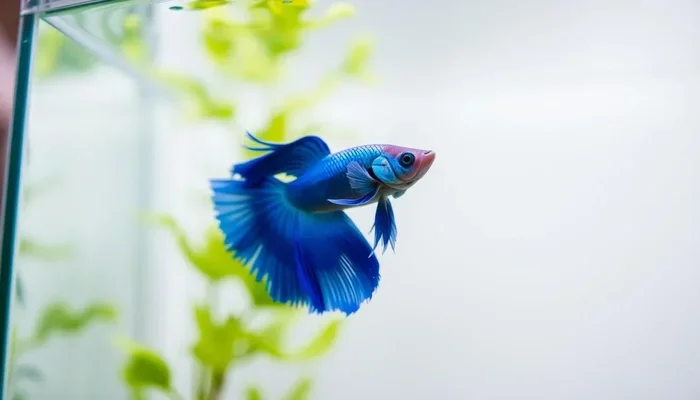
If you are asking why does my betta fish keep floating to the top, your fish likely has a swim bladder issue or needs better water conditions. This behavior is common but fixable with proper tank setup and care. We will walk you through the causes, quick fixes, and long-term prevention so your betta can swim comfortably again.
It can be worrying when your betta spends most of the day at the surface. You might ask yourself why does my betta fish keep floating to the top and whether something is seriously wrong. The good news is that this behavior often has simple explanations and practical fixes. In many cases, your fish is trying to breathe easier, manage buoyancy, or cope with water that is not quite right.
Bettas are hardy, but they still need clean water, stable temperatures, and a balanced diet. When any of these slip, your fish may change how it swims. Surface floating can happen suddenly or build up over time. By watching the tank closely and making a few adjustments, you can often help your betta return to normal swimming.
In this guide, we will break down the most common reasons for surface floating, show you what to check first, and share safe steps you can take at home. We will also cover when the issue might be more serious and how to prevent it from coming back. Let us start with the most likely cause and work through the rest.
Key Takeaways
- Swim bladder disorder is the top cause: Floating at the surface often points to buoyancy problems from overfeeding, constipation, or infection.
- Water quality matters most: Poor filtration, temperature swings, and ammonia spikes stress fish and worsen floating issues.
- Fast your betta briefly: A short fasting period and a cooked pea can relieve constipation that presses on the swim bladder.
- Check tank size and setup: Small cups or bowls limit movement and oxygen, making surface floating more likely.
- Monitor breathing and behavior: Gasping, hanging at the top, or lethargy can signal low oxygen or temperature stress.
- Adjust feeding and diet: Small, frequent meals and varied foods support digestion and healthy buoyancy.
- Know when to seek help: Persistent floating, swelling, or color loss may require specialized care or a vet visit.
📑 Table of Contents
- Why Does My Betta Fish Keep Floating to the Top: Swim Bladder Issues
- Why Does My Betta Fish Keep Floating to the Top: Water Quality and Oxygen
- Why Does My Betta Fish Keep Floating to the Top: Tank Size and Setup
- Why Does My Betta Fish Keep Floating to the Top: Feeding and Diet
- Why Does My Betta Fish Keep Floating to the Top: Temperature and Stress
- Why Does My Betta Fish Keep Floating to the Top: When to Seek Help
- Preventing Future Floating Problems
- Conclusion
Why Does My Betta Fish Keep Floating to the Top: Swim Bladder Issues
The swim bladder is a small organ that helps fish control buoyancy. When it is not working well, your betta may float at the surface, sink to the bottom, or struggle to stay level. This is one of the most common answers to why does my betta fish keep floating to the top. The problem is often called swim bladder disorder, and it can range from mild to severe.
Common Triggers for Swim Bladder Problems
Swim bladder issues usually come from a few recurring causes. The good news is that many of them are manageable once you spot them early.
- Overfeeding: Too much food can cause bloating and pressure on the swim bladder.
- Constipation: Hard stools can push against internal organs and affect buoyancy.
- Rapid temperature changes: Sudden shifts can stress your fish and disrupt normal function.
- Infection or injury: Bacterial issues or physical trauma may impair the swim bladder.
- Genetics or body shape: Some fancy bettas are more prone to buoyancy challenges.
If your betta is floating but still alert, eating a little, and breathing normally, the issue may be mild. If it is listing to one side, unable to dive, or showing signs of pain, you should act quickly. Start with gentle care before moving to stronger interventions.
Quick Tip
Try a short fast of 24 to 48 hours, then offer a small portion of cooked, peeled pea. This can help relieve constipation that may be pressing on the swim bladder. Keep the water warm and clean while you observe changes.
Why Does My Betta Fish Keep Floating to the Top: Water Quality and Oxygen
Water conditions have a huge impact on how your betta behaves. If the tank is dirty, crowded, or poorly aerated, your fish may stay near the surface where oxygen is richer. This is another common reason behind why does my betta fish keep floating to the top. Bettas have a special organ that lets them breathe air, so they may use the surface more when water quality drops.
What to Check in the Tank
A few simple checks can reveal whether the environment is pushing your betta upward. Use this list to guide your inspection.
- Ammonia and nitrite levels: Both should be at zero. Even small amounts can irritate gills and stress your fish.
- Nitrate levels: Keep nitrates low with regular water changes and good filtration.
- Temperature stability: Bettas prefer steady warmth. Avoid cold spots and sudden drops.
- Filtration and flow: Gentle filtration is ideal. Strong currents can tire your betta and change swimming patterns.
- Surface gas exchange: A calm surface helps oxygen enter the water. If the top is stagnant, oxygen may be limited.
If you are unsure about your water source, learn whether you can add tap water safely to your tank. Proper dechlorination and temperature matching matter a lot. You can read more about this in our guide on can I add tap water to my betta fish tank.
When water quality is the issue, consistent maintenance usually helps. Small, regular water changes are better than big, stressful cleanups. Keep an eye on your fish after each change to see if floating improves.
Common Mistake
Many owners change too much water at once or use water that is too cold. This can shock your betta and make floating worse. Match the temperature, dechlorinate the water, and replace only a portion at a time.
Why Does My Betta Fish Keep Floating to the Top: Tank Size and Setup
The size and shape of the tank can influence how your betta swims. In very small containers, your fish may have limited space to maneuver and may spend more time near the top. This can make it seem like why does my betta fish keep floating to the top is a constant problem, even when the fish is simply adjusting to a tight space.
Is a Small Tank Causing Stress?
Tiny bowls and cups can look cute, but they often create unstable water conditions. Temperature fluctuates faster, waste builds up quickly, and oxygen may be limited. A larger tank with gentle filtration gives your betta room to swim and helps keep water parameters steady.
If you are wondering whether a small setup is enough, check our article on can my betta fish keep in a gallon tank. It explains the trade-offs of small volumes and what to watch for. Some owners also ask about keeping a betta in a cup for short periods, which you can read about in can I keep my betta fish in a cup.
Helpful Setup Adjustments
- Add gentle filtration: A low-flow filter helps keep water clean without exhausting your betta.
- Include smooth decor: Sharp edges can injure fins and cause stress.
- Use live or soft plants: These offer shelter and can improve water quality.
- Keep the lid secure: Bettas can jump, especially when stressed or startled.
A better setup does not fix every issue, but it creates a calmer home. That alone can reduce surface floating caused by stress or poor conditions.
Why Does My Betta Fish Keep Floating to the Top: Feeding and Diet
Diet plays a bigger role than many people expect. Too much food, the wrong type, or irregular feeding can lead to bloating and buoyancy trouble. If you are trying to figure out why does my betta fish keep floating to the top, review how and what you feed your fish.
Feeding Habits That Help
Bettas do best with small portions they can finish quickly. Overfeeding leaves leftover food that decays and clouds the water. It also increases the chance of constipation. A steady, moderate feeding routine supports digestion and overall health.
- Offer small meals: Feed only what your betta can eat in a few minutes.
- Vary the diet: Rotate between quality pellets, frozen foods, and occasional treats.
- Watch for bloating: A swollen belly can signal overfeeding or constipation.
- Remove leftovers: Scoop out uneaten food to protect water quality.
Some owners also wonder about unusual foods. For example, you may ask whether bean beetles are safe, which you can explore in can I feed bean beetles to my betta fish. While treats can be fun, the main goal is a balanced diet that your betta digests easily.
Expert Insight
Consistency matters more than variety alone. A predictable feeding schedule with moderate portions helps your betta digest food efficiently. If floating starts after a big meal or a new treat, scale back and observe for a day or two.
Why Does My Betta Fish Keep Floating to the Top: Temperature and Stress
Temperature affects metabolism, immunity, and comfort. If the water is too cool, your betta may become sluggish and spend more time near the surface. If it is too warm, oxygen levels can drop and your fish may breathe harder. Both situations can contribute to why does my betta fish keep floating to the top.
Signs of Temperature Stress
Watch for subtle changes that suggest the water is not quite right. These clues can help you act before the problem grows.
- Lethargy: Your betta rests more and swims less.
- Gasping at the surface: This can mean low oxygen or warm water.
- Clamped fins: Stress often shows up as fins held close to the body.
- Reduced appetite: Temperature swings can lower interest in food.
- Hiding or hovering: Your betta may stay still in one spot for long periods.
If you suspect your tank is too cold, read more in our piece on can I keep my betta fish is cold. Stable warmth is important, but avoid overheating as well. A reliable heater and a thermometer make a big difference.
Calming a Stressed Betta
Stress can come from many sources, including bright lights, loud noises, and frequent tank disturbances. If your betta seems nervous, reduce sudden movements near the tank and keep lighting on a regular schedule. A calm environment helps your fish focus on healing and normal swimming.
Some fish also react to darkness or sudden light changes. If you notice your betta acting uneasy at night, you can learn more in can I keep my betta fish in the dark. Understanding how your betta responds to light and rest can help you create a better daily rhythm.
Why Does My Betta Fish Keep Floating to the Top: When to Seek Help
Most floating issues improve with better care, but sometimes they point to a deeper problem. If your betta is not eating, is swollen, has torn fins, or keeps floating despite clean water and proper feeding, it may need extra support. Knowing when to get help is part of answering why does my betta fish keep floating to the top responsibly.
Red Flags to Watch For
- Persistent buoyancy loss: Floating or sinking that does not improve after a few days of care.
- Swelling or lumps: These may indicate infection, fluid buildup, or internal issues.
- Breathing difficulty: Rapid gill movement or repeated surface gasping can be serious.
- Color loss or spots: Changes in appearance may signal illness.
- Complete inactivity: A betta that barely moves may be very unwell.
If you see these signs, consider reaching out for specialized advice. Some owners ask whether a pet store can help with fish health, which you can read in can I take my betta fish to the vet Petco. While not every issue needs a clinic, it helps to know your options when symptoms are severe or worsening.
Key Takeaways
- Start with water quality, temperature, and feeding before assuming the worst.
- A short fast and a gentle diet change can relieve mild buoyancy issues.
- Small tanks and poor filtration often make floating worse over time.
- Watch for breathing problems, swelling, and lethargy as warning signs.
- Consistent maintenance prevents many floating problems from returning.
Preventing Future Floating Problems
Prevention is easier than treatment. Once your betta is swimming more normally, keep up with simple habits that support long-term health. These steps reduce the chance of asking why does my betta fish keep floating to the top again.
Build a Stable Routine
- Test water regularly: Check ammonia, nitrite, nitrate, and pH on a schedule.
- Change water consistently: Replace a portion weekly or as needed based on your tank size.
- Feed carefully: Keep portions small and remove leftovers.
- Maintain temperature: Use a trusted heater and verify it with a thermometer.
- Observe daily: Look for small changes in swimming, appetite, and color.
Good maintenance also includes understanding whether your betta needs filtered water and how often you should change the water. You can read more in do betta fish have to be in a filtered tank and do betta fish have to have water changes. These habits create a healthier environment and give you early warning if something changes.
If your betta spends time at the surface for air, that can be normal because they can gulp air from above. Still, it helps to understand do betta fish have to come up for air so you can tell the difference between normal breathing and stress. A balanced tank with good oxygen exchange usually supports comfortable swimming.
A Simple Care Checklist
- Check temperature and adjust if needed.
- Test water parameters and treat issues early.
- Feed small portions and avoid overfeeding.
- Keep filtration gentle and dependable.
- Watch your betta’s swimming and breathing each day.
- Act quickly if floating becomes persistent or severe.
With steady care, many bettas recover from mild floating problems and stay active. The key is patience, observation, and consistent tank maintenance.
Conclusion
When you keep asking why does my betta fish keep floating to the top, the answer usually comes down to buoyancy, water quality, feeding, or stress. Most of these issues are manageable with simple changes at home. Start by checking the tank conditions, then adjust feeding and observe your fish closely. A calm, clean, and stable environment gives your betta the best chance to swim normally again.
Remember that surface floating is not always an emergency, but it is a signal worth listening to. Treat it as an early warning and make small improvements before problems grow. With regular care and attention, you can help your betta feel more comfortable and reduce the chances of this issue returning.
Frequently Asked Questions
Why does my betta fish keep floating to the top all day?
This often points to swim bladder trouble, constipation, or water that needs improvement. Start by checking temperature, filtration, and feeding, then try a short fast and clean water changes.
Is it normal for a betta fish to stay near the surface?
Bettas can breathe air from the surface, so some time there is normal. However, constant floating or difficulty swimming down usually means something is off with buoyancy or water conditions.
Can overfeeding cause my betta fish to float at the top?
Yes, overfeeding can lead to bloating and constipation, which may press on the swim bladder. Feeding smaller portions and removing leftovers often helps reduce this problem.
What should I do if my betta fish is floating and not eating?
Check the water quality and temperature first, then reduce feeding and observe closely. If the fish stays listless, swells, or worsens after a day or two, consider getting specialized advice.
Does poor water quality make betta fish float more?
Yes, dirty water and low oxygen can stress your betta and cause it to spend more time at the top. Regular water changes and gentle filtration usually improve comfort and swimming.
When should I worry about my betta fish floating at the top?
Be concerned if floating continues for several days, comes with swelling, breathing trouble, or color changes, or if your betta stops eating entirely. Those signs suggest the issue may need more targeted care.