What Fish Are Good With Betta Fish For A Peaceful Tank

Finding the right tank mates for your betta can be tricky, but knowing what fish are good with betta fish makes all the difference. Some species swim too fast or nip fins, while others live peacefully in the same water. This guide covers safe choices like neon tetras, cory catfish, and snails. You will learn how to set up a calm community tank that keeps your betta healthy and stress-free.
Key Takeaways
- Choose peaceful species: Look for calm fish that do not chase or nip fins.
- Avoid fin nippers: Skip fish like tiger barbs that may hurt your betta.
- Watch tank size: A larger tank gives everyone space to swim away.
- Match water needs: Pick tank mates that thrive in the same temperature and pH.
- Introduce slowly: Add new fish one at a time to reduce stress.
- Provide hiding spots: Plants and caves help shy fish feel safe.
- Monitor behavior: Watch for signs of aggression and separate if needed.
📑 Table of Contents
- Finding Compatible Tank Mates for Your Betta
- Top Peaceful Fish That Pair Well With Bettas
- Fish to Avoid When Building a Community Tank
- Tank Size and Setup for a Peaceful Betta Community
- How to Introduce New Fish Safely
- Signs Your Betta Is Stressed or Aggressive
- Common Mistakes When Pairing Bettas With Other Fish
- Expert Tips for a Long-Lasting Community Tank
- Final Thoughts on Choosing the Right Tank Mates
Finding Compatible Tank Mates for Your Betta
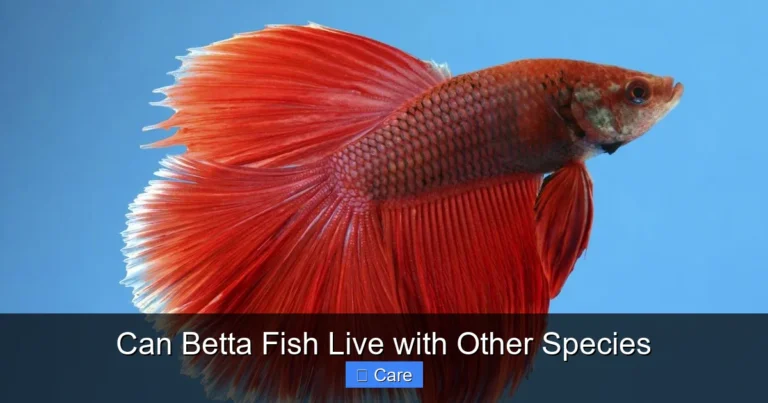
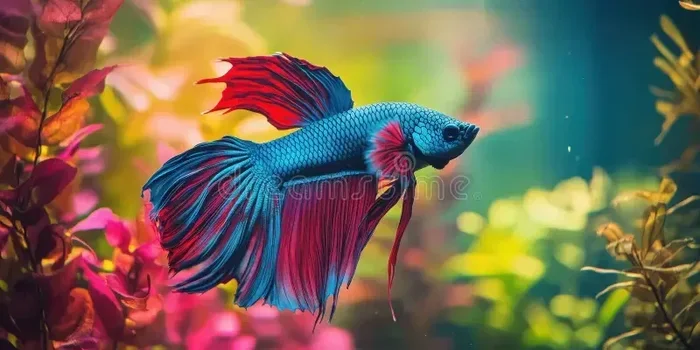
Keeping a betta fish is a rewarding hobby. These colorful swimmers bring life to any room. Many owners want to add more fish to the tank. The big question is what fish are good with betta fish. Not every species makes a safe partner. Some fish swim too fast. Others may nip at long fins. You need calm tank mates that respect your betta’s space.
A peaceful community tank takes planning. You must think about size, temperament, and water conditions. This guide walks you through safe choices. You will learn which fish work well. You will also see which ones to avoid. Let us build a happy home for your betta.
Why Tank Mate Choice Matters
Bettas are known for their bold personality. Male bettas can be territorial. They may chase fish that swim near their favorite spot. Female bettas are often calmer. Still, they need careful pairing. The right tank mate keeps the water calm. The wrong one causes stress and injury.
Stress harms your betta’s health. It weakens the immune system. It can lead to dull colors and loss of appetite. Peaceful companions reduce tension. They create a balanced ecosystem. This is why choosing wisely matters so much.
Setting the Stage for Peace
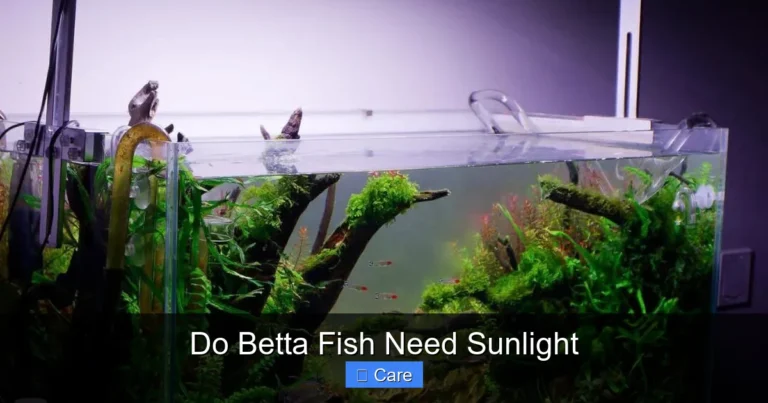
Before adding new fish, prepare the tank. Use a filter that does not create strong currents. Bettas prefer gentle water flow. Add live plants or soft decorations. These give fish places to hide. A well-planted tank lowers aggression. It also mimics a natural habitat.
Keep the water clean and stable. Test the temperature and pH regularly. Most tropical fish thrive in similar conditions. Matching these needs helps everyone stay healthy. A stable environment reduces conflict.
Top Peaceful Fish That Pair Well With Bettas
Many owners ask what fish are good with betta fish. The answer depends on your tank size and setup. Some species are naturally calm. They stay in their own groups. They do not bother other swimmers. Here are some of the safest options.
Neon Tetras and Small Schooling Fish
Neon tetras are a popular choice. They are small and peaceful. They swim in groups, which makes them feel secure. A school of six or more tetras usually ignores the betta. They stay in the middle or top of the tank. This leaves the bottom area open for your betta.
Other small schooling fish work well too. Look for species that stay under two inches. Avoid large or fast swimmers. Quick fish can trigger chasing behavior. Slow, calm schools are much safer.
Quick Tip: Always buy a full school. Single tetras may feel stressed and act unpredictably.
Cory Catfish for the Bottom
Cory catfish are gentle bottom dwellers. They spend most of their time near the substrate. They rarely swim into the betta’s space. Their calm nature makes them excellent tank mates. They also help clean up leftover food.
These fish prefer soft sand or smooth gravel. Rough substrate can hurt their sensitive barbels. Keep them in groups of four or more. They feel safer in numbers. A happy cory catfish is a quiet neighbor.
Snails and Shrimp as Quiet Cleaners
Snails are some of the best tank mates. They move slowly and do not compete for food. Nerite snails and mystery snails are great choices. They graze on algae and keep the glass clean. Your betta usually ignores them.
Shrimp can also work in some tanks. Cherry shrimp add color and help with cleanup. However, bettas may view small shrimp as snacks. If you want shrimp to survive, add plenty of plants. Dense foliage gives them hiding spots. You can also try can you put fresh water snails in with betta fish for more safe cleanup options.
Fish to Avoid When Building a Community Tank
Not every fish makes a good partner. Some species cause trouble. Knowing what to skip is just as important as knowing what to add. Here are common choices that often fail.
Fin Nippers and Aggressive Species
Fin nippers are a major risk. Fish like tiger barbs chase and bite fins. Bettas have long, flowing fins that are easy targets. A single bite can cause infection. Severe damage may lead to death. Always avoid known fin nippers.
Large cichlids are another poor choice. They are territorial and bold. They may claim the whole tank as their own. Your betta will feel crowded and stressed. Stick to small, calm species instead.
Goldfish and High-Maintenance Fish
Goldfish are often suggested for beginners. They are not suitable for betta tanks. Goldfish produce a lot of waste. They also prefer cooler water. Bettas need warm, clean water. The two species have very different needs. You can read more about why they clash in our guide on could betta fish live with goldfish.
Other high-waste fish also cause problems. Overloading the tank with messy fish strains the filter. Poor water quality harms your betta. Keep the bioload light and manageable.
Fast or Large Tank Mates
Speed matters more than size in some cases. Fast fish dart around and trigger chasing. Your betta may see them as rivals. Large fish can also intimidate a betta. Even peaceful large fish take up too much space. A crowded tank leads to tension.
Choose fish that match your betta’s pace. Slow to medium swimmers work best. They share the tank without causing drama.
Tank Size and Setup for a Peaceful Betta Community
The right setup makes a huge difference. A small bowl is never enough for a community. You need space for everyone to swim. A larger tank also holds stable water better. This reduces stress for all fish.
Minimum Tank Size Guidelines
A 10-gallon tank is the starting point for a community. It gives your betta room to claim territory. It also leaves space for tank mates. Larger tanks, like 20 gallons, offer even more freedom. They make it easier to maintain water quality.
Use this simple rule: more fish means more space. Do not overcrowd the tank. Overcrowding raises ammonia and stress. It also increases the chance of conflict. Plan your stock carefully.
Plants, Decor, and Hiding Spots
Live plants do more than look nice. They provide cover and reduce aggression. Java fern, anubias, and moss are great choices. They do not need strong light. They also tolerate a range of water conditions.
Add driftwood or smooth rocks for structure. Create visual barriers in the tank. These break the line of sight. When fish cannot see each other constantly, they stay calmer. A well-decorated tank feels like a natural home.
You can also explore safe plant choices in our article on can you put plants in with betta fish.
How to Introduce New Fish Safely
Adding new fish takes patience. Rushing the process causes problems. A slow introduction helps everyone adjust. Follow a few simple steps for success.
Quarantine Before Adding
Always quarantine new fish first. Keep them in a separate tank for two weeks. Watch for signs of illness. This protects your main tank from disease. It also lets you observe behavior before the move.
If you notice spots, clamped fins, or lethargy, treat the issue early. You can learn more about safe treatments in our post on can you use ich treatment with betta fish.
Adding Fish One at a Time
Do not dump a whole group into the tank at once. Add one or two fish first. Watch how your betta reacts. If the betta stays calm, you can add more later. This gradual approach lowers stress.
Feed the tank before adding new fish. A full betta is less likely to chase. Turn off the lights during the introduction. Dim conditions help fish settle in quietly.
Monitoring Behavior After Introduction
Watch the tank closely for the first few days. Look for chasing, flaring, or hiding. Some mild curiosity is normal. Constant aggression is not. If your betta attacks new fish, be ready to separate them.
Use a tank divider if needed. This gives you time to rethink the setup. Sometimes a different species works better. Flexibility is key to a peaceful tank.
Signs Your Betta Is Stressed or Aggressive
Even with good choices, problems can happen. You need to recognize warning signs early. A stressed betta shows clear changes. Catching these signs helps you act fast.
Physical Signs of Stress
Look for faded colors. A healthy betta shows bright, vivid hues. Stress makes colors dull. You may also see clamped fins. This means the fins stay close to the body. Loss of appetite is another red flag. A stressed fish often skips meals.
Check for spots or frayed fins. These can signal injury or disease. Sometimes aggression from tank mates causes damage. If you notice torn fins, review your tank mate choices. You can read about fin changes in our guide on do betta fish fins fray with age.
Behavioral Warning Signs
Watch how your betta swims. A calm betta explores the tank. A stressed one may hide constantly. It may also stay near the surface or bottom. Excessive flaring at other fish shows tension. Occasional flaring is normal. Constant flaring means trouble.
Also watch the tank mates. If they hide all day, they feel unsafe. Peaceful fish should come out and swim normally. If everyone hides, the tank setup may need changes. Add more cover or reduce the stock.
Common Mistakes When Pairing Bettas With Other Fish
Many new owners make the same errors. Avoiding these mistakes saves time and stress. Here are the most common pitfalls.
Overcrowding the Tank
More fish does not always mean a better tank. Overcrowding creates waste and competition. It also removes personal space. Your betta needs room to patrol its territory. Too many fish make the water unstable. Keep the population low and balanced.
Ignoring Water Parameter Needs
Different fish need different conditions. Some prefer hard water. Others need soft water. Some like cooler temperatures. Bettas thrive in warm, stable water. Choose tank mates with similar needs. Mismatched requirements cause health issues for everyone.
Skipping the Acclimation Process
Temperature shock is real. Sudden changes stress fish badly. Always acclimate new fish slowly. Float the bag first. Then mix tank water into the bag over time. This gentle process helps fish adjust. Rushing this step leads to illness.
Choosing Fish Based on Color Alone
Bright fish look tempting. Color should not drive your choice. Behavior matters more. A colorful fish that nips fins is a bad match. Focus on temperament and size. A plain, calm fish is a better partner.
Expert Tips for a Long-Lasting Community Tank
A successful community tank takes ongoing care. Follow these expert tips to keep things smooth.
Maintain a Consistent Routine
Feed your fish on a regular schedule. Clean the tank on a predictable cycle. Consistency reduces stress. Fish thrive when they know what to expect. A steady routine also keeps water quality high.
Test Water Regularly
Use a simple test kit each week. Check ammonia, nitrite, nitrate, pH, and temperature. Early detection prevents big problems. Small adjustments are easier than emergency fixes. Stable water keeps your betta and tank mates healthy.
Keep a Backup Plan
Sometimes a tank mate does not work out. Have a plan for separation. Keep a spare tank or large container ready. This lets you move a fish quickly if needed. Being prepared protects everyone in the tank.
Learn From Trusted Resources
Stay informed with reliable guides. Fish care changes as new information appears. Read up on species behavior before buying. If you want to explore more pairing questions, check out can you put other fish in with betta for broader compatibility ideas.
Final Thoughts on Choosing the Right Tank Mates
Finding what fish are good with betta fish is about balance. You want calm companions that share the same water needs. You also want a tank that gives everyone space. Peaceful schooling fish, bottom dwellers, and slow cleaners work best. Avoid fin nippers, large cichlids, and mismatched species.
A well-planned community tank is rewarding. It brings movement, color, and life. Your betta can thrive alongside the right friends. Take your time with setup and introduction. Watch behavior closely. Make changes when needed. With care and patience, you can build a calm, beautiful aquarium.
Frequently Asked Questions
Can I keep male bettas with other fish?
Yes, but you must choose calm tank mates carefully. Male bettas can be territorial, so avoid fin nippers and aggressive species. A larger tank with hiding spots helps reduce conflict.
What fish are good with betta fish in a 10-gallon tank?
Small, peaceful fish work best in a 10-gallon setup. Neon tetras, cory catfish, and snails are safe choices. Keep the stock light to maintain clean water and reduce stress.
Do betta fish get along with tetras?
They often do, especially with small, calm tetras. A school of six or more tetras usually stays busy and ignores the betta. Avoid large or fast tetras that may trigger chasing.
Can I put snails in with my betta fish?
Yes, snails are generally safe and helpful. They graze on algae and move slowly, so bettas usually ignore them. Make sure the tank is not too small for extra waste.
How do I know if my betta is stressed by tank mates?
Look for faded colors, clamped fins, hiding, or loss of appetite. Constant flaring and chasing are also warning signs. If stress continues, separate the fish and reassess the setup.
Should I add new fish all at once?
No, add them slowly one or two at a time. This helps your betta adjust without feeling overwhelmed. Watch behavior closely before adding more fish to the tank.