How Do Betta Fish Live In The Wild And Survive

Betta fish are famous for their bright colors and big fins. But how do betta fish live in the wild? They survive in shallow, warm waters across Southeast Asia. These fish hide in plants and fight to protect their space. We will explore their natural world and survival secrets.
Key Takeaways
- Natural Habitat: Wild betta fish live in rice fields, ponds, and slow-moving streams in Southeast Asia.
- Survival Skills: They use their labyrinth organ to breathe air when water oxygen is low.
- Aggressive Nature: Male bettas fight to protect their territory from other males in the wild.
- Diet Basics: They eat insects, larvae, and small crustaceans found near the water surface.
- Temperature Needs: Warm water between 75°F and 80°F is crucial for their survival in nature.
- Human Impact: Habitat loss and pollution threaten wild betta populations today.
- Captivity vs. Wild: Understanding their wild life helps owners provide better care in tanks.
📑 Table of Contents
Understanding the Wild Origins of Betta Fish
Betta fish are popular pets all over the world. People love their bright colors and flowing fins. But many owners do not know where these fish come from. Knowing how do betta fish live in the wild helps us understand their needs. These fish are not just decorations. They are living creatures with strong instincts.
Most betta fish sold in stores are bred in captivity. However, their ancestors lived in nature for centuries. They come from regions like Thailand, Cambodia, and Vietnam. In these places, the climate is hot and humid. The water is often warm and shallow. This environment shapes how the fish behave today.
It is important to respect their natural history. When we know their background, we can care for them better. We can mimic their natural home in our aquariums. This reduces stress and keeps them healthy. Let us dive deeper into their natural world.
Where Do They Come From?
The scientific name for the betta fish is Betta splendens. They are native to Southeast Asia. Thailand is perhaps the most famous home for these fish. In fact, the betta is the national aquatic animal of Thailand.
In the wild, they do not live in clear, clean rivers. They prefer water that is quiet and still. You will often find them in rice paddies. These are fields where rice grows in flooded water. The water there is rich with plant life. It provides plenty of hiding spots for the fish.
They also live in marshes and swamps. Sometimes they are found in slow-moving streams. The key feature is shallow water. The depth does not need to be large. Even a few inches of water can be enough for them. This is why people think they can live in small bowls. But we will discuss why that is not ideal later.
Why Is This Important?
Understanding their origin helps us answer how do betta fish live in the wild. It explains their behavior. For example, they are aggressive. In the wild, they must fight for space. Resources are limited in shallow ponds. Males defend their territory fiercely.
They also need warm water. The tropical climate keeps the water hot. If the water gets too cold, they become sluggish. They might even get sick. This is why heaters are important in home tanks.
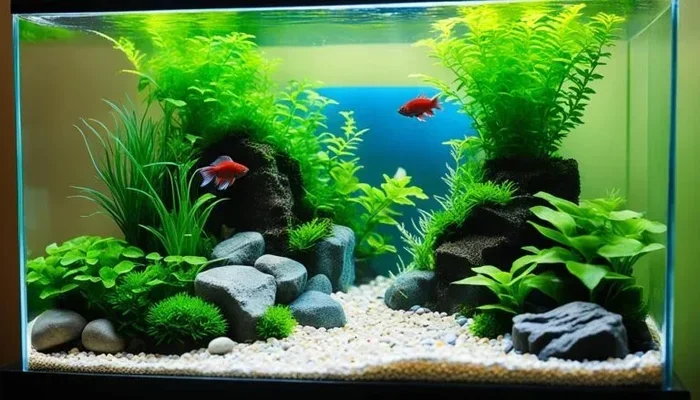
Their natural home is full of plants. These plants offer shelter. They also offer hunting grounds. The fish wait among the leaves for prey. This behavior is hardwired into their brains. Even in a tank, they like to hide among decorations.
Natural Habitats and Environments
The environment plays a huge role in their survival. How do betta fish live in the wild successfully? They adapt to specific conditions. These conditions are different from a standard aquarium.
Rice Fields and Shallow Ponds
Rice fields are the most common habitat. These fields flood during the rainy season. The water stays warm because it is shallow. The sun heats the surface quickly. The mud at the bottom provides nutrients for plants.
These fields are full of life. Insects land on the water. Larvae swim beneath the surface. This provides a steady food source for the betta. The dense vegetation protects them from predators. Birds and larger fish might try to eat them. But the thick plants offer safety.
Slow-Moving Streams and Marshes
While rice fields are common, they also live in streams. However, these streams are not fast. Fast water would tire the betta out. They are not strong swimmers. Their large fins create drag in the water.
Marshes are another favorite spot. These areas are wet and boggy. The water is often stained with tannins from leaves. This makes the water slightly acidic. Betta fish tolerate this well. In fact, they prefer slightly acidic water over alkaline water.
Climate Conditions
The climate in Southeast Asia is tropical. It is hot year-round. Temperatures rarely drop below 75°F. This is perfect for betta fish. They are tropical creatures. They cannot handle cold weather.
Humidity is also very high. This means less water evaporation. The water levels stay stable for long periods. However, during the dry season, water levels can drop. This forces the fish to crowd into smaller pools. This increases competition for food and space. It also increases aggression among males.
Survival Instincts and Adaptations
Survival in the wild is not easy. There are many dangers. So, how do betta fish live in the wild without dying quickly? They have special adaptations. These traits help them breathe, hide, and fight.
The Labyrinth Organ
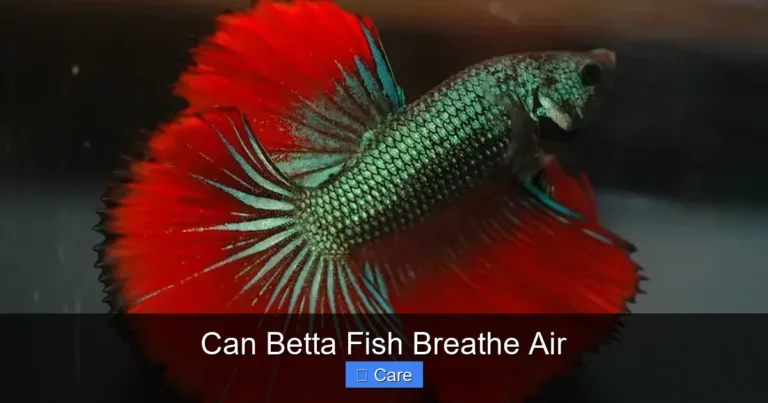
One of the most amazing features is the labyrinth organ. This is a special part of their body. It works like a lung. Most fish use gills to get oxygen from water. Betta fish can do this too. But they can also breathe air from the surface.
This is crucial in shallow water. Stagnant water often has low oxygen. The fish might suffocate if they only used gills. The labyrinth organ allows them to gulp air. They swim to the top and take a breath. This adaptation lets them survive in places other fish cannot.
It also helps them survive in small puddles during dry seasons. They can jump from one pool to another. They can even survive for a short time out of water if they stay moist. This is a key reason for their success in the wild.
Color and Camouflage
Wild betta fish look different from pet bettas. Store bettas are bright blue, red, or purple. Wild bettas are usually duller. They are often brown or green. This helps them blend in.
Camouflage is vital for survival. Bright colors attract predators. In the wild, being seen means danger. A dull color helps them hide among leaves and mud. They only show bright colors when they are fighting or mating. This surprise tactic helps them defend themselves.
Aggression and Territory
Male betta fish are very territorial. They do not like other males near them. In the wild, space is limited. If another male enters their area, a fight starts. They flare their gills and spread their fins. This makes them look bigger.
If the intruder does not leave, they will attack. They bite and chase the other fish. This behavior is natural. It ensures they have enough resources. It also protects their nesting area. Female bettas are less aggressive. But they still need space to avoid conflict.
If you want to know more about their social behavior, you can read about can two male betta fish live in the same tank. This explains why keeping males together is a bad idea in captivity.
Diet and Feeding Habits in Nature
Food is essential for life. How do betta fish live in the wild without prepared pellets? They hunt for their meals. They are carnivores. This means they eat meat, not plants.
What Do They Eat?
In their natural habitat, they eat insects. Mosquito larvae are a favorite food. They also eat small crustaceans. Worms are another good source of protein. They might eat small fish if they can catch them. But mostly, they stick to insects.
They are surface feeders. They wait near the top of the water. When an insect lands on the surface, they strike. They have sharp teeth to grab their prey. They swallow the food whole. They do not chew much.
Hunting Strategies
Betta fish are ambush predators. They do not chase prey for long distances. They hide in the plants. They wait for the perfect moment. Then they lunge quickly. This saves energy. It also increases their chance of success.
They also scavenge. If food sinks to the bottom, they will eat it. They are not picky eaters in the wild. They eat what they can find. This flexibility helps them survive when food is scarce.
If you are curious about their feeding habits in tanks, check out do betta fish get food off the bottom. This shows how their natural instincts translate to home care.
Nutritional Needs
Protein is the most important nutrient. In the wild, they get high protein from insects. In captivity, we must mimic this diet. Flakes and pellets should be high in protein. Live food is also a great treat. It stimulates their hunting instinct.
A poor diet leads to health problems. Their colors might fade. Their fins might rot. They might become lazy. Feeding them well is key to a long life.
Threats and Challenges in the Wild
Even with their adaptations, life is hard. How do betta fish live in the wild when there are so many dangers? They face many threats. Some are natural, and some are caused by humans.
Predators
Many animals eat betta fish. Birds are a major threat. Herons and kingfishers hunt near the water. They dive down to catch the fish. Larger fish also eat bettas. Snakes might swim in the shallow water to catch them.
To survive, bettas must be alert. They hide often. They only come out to feed or fight. Their dull color helps them avoid being seen. But sometimes, they are caught anyway.
Environmental Changes
Weather changes can be dangerous. A sudden cold snap can kill them. They are not built for cold water. Droughts are also a risk. If the water dries up, they must move. If they cannot find new water, they die.
Pollution is a growing problem. Farmers use chemicals in rice fields. These chemicals can poison the water. Plastic waste also ends up in their habitat. Dirty water makes them sick. It damages their gills and labyrinth organ.
Human Impact
Humans affect their habitat greatly. Land development destroys wetlands. Rice fields are drained for construction. This leaves the fish with nowhere to live. Overcollection for the pet trade is another issue. Too many fish taken from the wild can hurt populations.
You might wonder can betta fish survive in the wild if released from tanks. It is a complex issue. Domesticated fish often lack the skills to survive. They might not find food or avoid predators. Releasing them is also dangerous for local ecosystems.
Conservation Status
Wild betta populations are declining. Some species are endangered. Protecting their habitat is crucial. Conservation groups work to save wetlands. They teach farmers about safe chemical use. This helps the fish survive for future generations.
Comparing Wild Life to Captivity
Life in a tank is very different. How do betta fish live in the wild compared to a home aquarium? The differences are huge. Understanding this helps owners provide better care.
Space and Movement
In the wild, they have more space to explore. Even in a rice field, they can swim around. In a small bowl, they are confined. This causes stress. Stress weakens their immune system. They get sick more easily.
A larger tank is better. It allows them to swim and explore. They need room to establish their territory. A cramped space makes them aggressive. It also stunts their growth.
Water Quality
Wild water is not always clean. But it is balanced. In a tank, waste builds up quickly. Ammonia and nitrites can become toxic. Filters help remove this waste. Without a filter, the water becomes dirty fast.
You should check if do betta fish have to be in a filtered tank. While they can survive without one briefly, a filter is best for long-term health. It mimics the flow of natural water better than a stagnant bowl.
Social Interaction
In the wild, they interact with other species. They might see snails or shrimp. In a tank, they are often alone. This can lead to boredom. They need enrichment. Plants and toys help keep them busy.
Some owners try to add tank mates. But you must be careful. You can learn about can guppies and betta fish live in the same tank before adding any friends. Compatibility is key to avoiding fights.
Temperature and Stability
Wild water temperature changes slowly. In a small tank, it changes fast. A heater keeps the temperature stable. This is vital for their metabolism. Cold water slows them down. It makes them prone to illness.
Frequently Asked Questions
What kind of water do betta fish live in naturally?
Wild betta fish live in warm, shallow, and slightly acidic water. They are often found in rice paddies, marshes, and slow-moving streams in Southeast Asia.
How do betta fish breathe in the wild?
They use their gills like other fish, but they also have a labyrinth organ. This organ allows them to breathe air directly from the surface when oxygen levels in the water are low.
Do betta fish survive better alone or in groups in the wild?
Male betta fish survive better alone because they are highly territorial and aggressive. Females can sometimes live in small groups, but males will fight if they meet in the wild.
What do wild betta fish eat for survival?
They primarily eat insects, larvae, worms, and small crustaceans. They are carnivorous hunters that ambush their prey near the water surface or among plants.
Can betta fish live in cold water in the wild?
No, betta fish cannot live in cold water. They are tropical fish that require warm temperatures between 75°F and 80°F to survive and stay healthy.
Why are wild betta fish duller than pet betta fish?
Wild betta fish have duller colors like brown or green to camouflage themselves. This helps them hide from predators and ambush prey without being seen easily.
=== CONCLUSION ===
How do betta fish live in the wild is a fascinating question. These fish are tough and adaptable. They thrive in warm, shallow waters filled with plants. They breathe air and hunt for insects. Their survival depends on their instincts and adaptations.
However, their natural home is under threat. Pollution and habitat loss put them at risk. As pet owners, we can help by learning about their needs. We should provide warm, clean, and spacious tanks. We should respect their aggressive nature and dietary needs.
By understanding their wild origins, we become better caretakers. We give them a life that is close to nature. This ensures they stay healthy and happy. Let us protect these beautiful creatures both in the wild and in our homes.