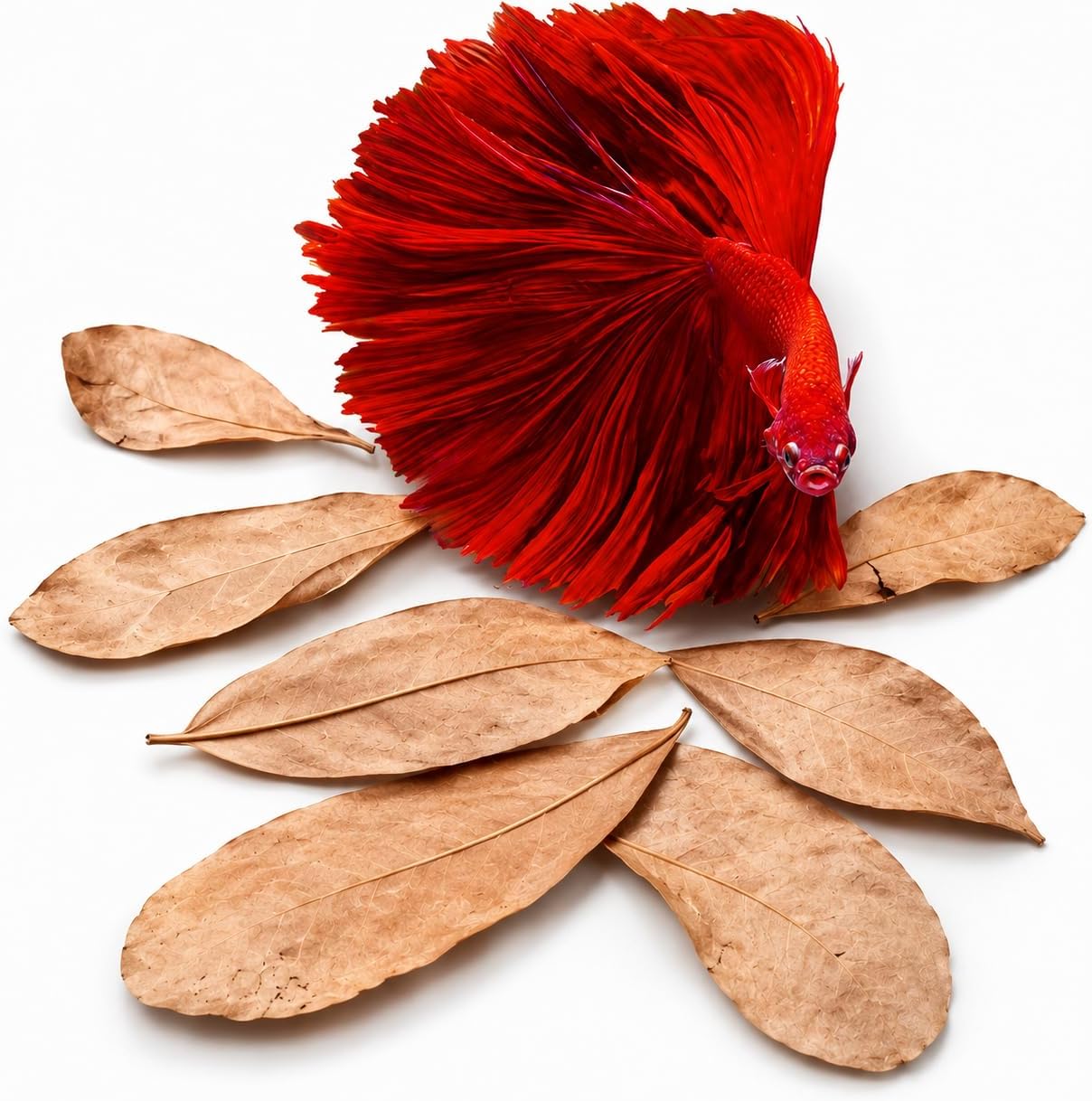
What Do Betta Fish Get Along With Best Tank Mates
Betta fish can live peacefully with the right tank mates if you choose calm, non-aggressive species. The best companions are small, fast-swimming fish that stay out of the betta’s territory. Always watch water quality, tank size, and behavior closely to avoid stress or fights.
Betta fish are beautiful, bold, and full of personality. They also have a reputation for being a bit feisty. Many new fish keepers wonder what do betta fish get along with when they want a lively community tank. The good news is that bettas can share a tank with the right companions. The key is choosing calm, compatible species and setting up the tank the right way.
In this guide, we will walk through the best tank mates for bettas, what to avoid, and how to keep everyone safe and happy. You will learn simple tips for introductions, tank setup, and daily care. By the end, you will feel confident about building a peaceful aquarium that looks great and stays balanced.
Key Takeaways
- Choose peaceful species: Small tetras, corydoras, and rasboras usually get along well with bettas.
- Avoid fin-nippers: Fish that chase or bite fins can stress your betta and cause injury.
- Match water needs: Pick tank mates that thrive in the same warm, clean water your betta prefers.
- Provide hiding spots: Plants, caves, and driftwood give fish places to escape and reduce conflict.
- Watch tank size: A larger tank with good filtration gives everyone enough space to swim comfortably.
- Introduce slowly: Add new fish gradually and watch behavior closely during the first few weeks.
- Be ready to separate: If aggression starts, move the betta or the tank mate to a safe setup right away.
📑 Table of Contents
What Do Betta Fish Get Along With Best Tank Mates
Bettas are often kept alone because they can be territorial. Males, in particular, may flare at other fish that swim too close or show bright colors. That does not mean every tank mate is off-limits. Many peaceful fish can live alongside a betta if the tank is large enough and the setup is thoughtful.
When people ask what do betta fish get along with, the answer usually depends on three things: temperament, size, and water conditions. A good tank mate should be calm, not too small, and comfortable in warm water. It also helps if the fish occupies a different area of the tank. For example, bottom dwellers often work well because they stay near the substrate while the betta claims the upper levels.
Why Temperament Matters Most
Bettas can be curious and sometimes aggressive. They may chase fish that move slowly or display long fins. A peaceful tank mate should not provoke that reaction. Fast, calm fish usually do better because they can keep their distance. Quiet species that do not nip fins are also a safer choice.
If you want a community tank, start with a betta that has a relaxed personality. Some bettas are more tolerant than others. Watch how your betta behaves during feeding and tank maintenance. A calm betta is more likely to accept new neighbors.
Size and Space Considerations
Tank size plays a big role in success. A small bowl or tiny tank makes it hard to add any companion. In a cramped space, even peaceful fish can feel stressed. A larger tank gives each fish room to establish its own zone. It also makes water quality easier to manage.
As a general rule, bigger is better when you mix species. A spacious tank reduces competition and gives fish more places to explore. It also helps if you include plants and decorations. These create visual barriers and give smaller fish a place to hide when needed.
Water Conditions and Compatibility
Bettas prefer warm, clean water with gentle flow. Any tank mate should enjoy the same conditions. Fish that need cold water or very different pH levels are not a good match. Keeping everyone in the same comfortable range makes care much easier.
Stable water also matters because stress can weaken a betta’s immune system. If the tank gets too crowded or the water quality drops, problems can build quickly. Regular testing, partial water changes, and good filtration help keep the whole community healthy.
Best Peaceful Fish for Betta Tanks
Some fish are known for their calm behavior and simple care needs. These species are often recommended when you want to know what do betta fish get along with in a shared tank. They tend to stay out of the betta’s way and adapt well to community life.
Small Tetras and Rasboras
Small schooling fish can work well if the group is large enough. Tetras and rasboras usually swim in the middle of the tank and keep moving. Their activity can distract a betta without triggering aggression. A school of six or more often feels more secure and behaves more naturally.
These fish are also a good choice because they are not overly aggressive. They generally mind their own business and do not bother other tank mates. Still, you should watch the first few days closely. If the betta keeps chasing them, you may need to rearrange the tank or choose a different species.
Corydoras and Other Bottom Dwellers
Bottom dwellers are popular betta companions because they stay near the substrate. Corydoras catfish are a common example. They are peaceful, social, and spend much of their time searching the bottom for food. Since they rarely compete with a betta for space, they can be a great fit.
These fish also help make the tank feel more active without creating conflict. They are usually easy to feed and do well in groups. Just be sure the tank has a soft substrate and enough hiding spots. Smooth gravel or sand is often better than sharp rocks.
Other Calm Community Fish
Some hobbyists also keep bettas with other gentle species that share similar water needs. The best options are fish that are not too flashy, not too slow, and not prone to fin-nipping. A simple rule is to avoid fish that are much smaller than the betta or much more aggressive.
If you are exploring what do betta fish get along with, it helps to think about the whole tank, not just one species. A balanced community usually includes fish that occupy different levels and have similar activity levels. That way, no one fish dominates the space.
Tank Mates to Avoid
Not every fish is a good neighbor. Some species create too much stress, compete for food, or trigger aggression. Knowing what to avoid is just as important as knowing what do betta fish get along with.
Fin-Nippers and Aggressive Species
Fin-nipping fish can cause serious problems. They may chase other fish and bite their fins, which can lead to injury and infection. Even if the betta is not the target, constant chasing creates stress for everyone in the tank. Aggressive species can also fight over territory and food.
It is usually best to skip fish that are known for bold, bullying behavior. A peaceful tank should feel calm, not chaotic. If a species tends to chase others or dominate the tank, it is not a good match for a betta.
Fish That Are Too Small or Too Slow
Very small fish can sometimes be seen as food. Slow-moving fish with long fins may also become targets. A betta may mistake a tiny fish for a snack, especially if it stays still for long periods. For that reason, extremely small or fragile tank mates can be risky.
Slow fish can also struggle to escape if the betta becomes curious or territorial. A better choice is a fish that can move away easily and hold its own without being aggressive. Balanced movement and moderate size usually work best.
Species With Very Different Needs
Some fish simply do not share the same environment requirements. If one species needs cooler water, stronger flow, or different water chemistry, it will not thrive in a betta tank. Mixing mismatched species can lead to poor health and constant stress.
It is smarter to choose companions that already fit the betta’s setup. That makes feeding, cleaning, and monitoring much easier. You will also spend less time correcting problems caused by incompatible conditions.
How to Set Up a Safe Community Tank
A good setup can make all the difference. Even compatible fish need the right environment to stay peaceful. If you want to know what do betta fish get along with and keep them together successfully, focus on the tank layout first.
Tank Size and Filtration
Start with a tank that gives every fish enough room. A larger aquarium is easier to stabilize and less likely to turn into a battleground. Good filtration keeps the water clean and helps maintain steady conditions. Just make sure the flow is not too strong, since bettas prefer calmer water.
Heating is also important. Bettas are tropical fish, so the water should stay warm and consistent. A reliable heater and thermometer help you avoid sudden temperature swings. Stable conditions support better behavior and healthier fish.
Plants, Decor, and Hiding Places
A well-decorated tank gives fish more control over their space. Live or artificial plants can break up sightlines and reduce tension. Caves, wood, and other structures create hiding spots where smaller fish can retreat. This is especially helpful during the first days after introducing new tank mates.
Arrange the tank so there are clear pathways and separate zones. A betta may claim one area, while other fish use another. When the tank feels spacious and interesting, fish are less likely to focus on each other.
Feeding and Routine Care
Feeding time can reveal a lot about tank dynamics. Make sure every fish gets enough food without too much competition. Spread food around the tank if needed so slower fish are not left out. Watch for signs of bullying during meals.
Routine care matters too. Clean water, regular water changes, and careful monitoring help prevent stress. If the tank is healthy, the fish are more likely to stay calm. If you notice hiding, loss of color, or constant chasing, check the environment and make adjustments.
Introducing New Fish the Right Way
Adding new fish is a big moment. A careful introduction can prevent problems later. If you are wondering what do betta fish get along with and how to bring them together safely, patience is key.
Acclimate Slowly
Give new fish time to adjust before they meet the betta. Float the bag or container to match temperature, then slowly mix in tank water. This helps reduce shock and makes the transition smoother. Once the new fish are in the tank, keep an eye on them.
Do not rush the process. Some fish need a few days to settle in. Others may hide at first, which is normal. Give them time to feel secure before judging whether the pairing works.
Watch Behavior Closely
The first week is the most important. Look for chasing, flaring, hiding, or signs of stress. A little curiosity is normal, but constant aggression is not. If the betta keeps attacking the new fish, the pairing may not be right.
It also helps to watch the new fish’s behavior. Are they eating normally? Are they able to swim without being pursued? If one fish is always stressed, the tank setup may need changes.
Be Ready to Separate If Needed
Sometimes a combination simply does not work. That is okay. It is better to separate fish early than to wait until someone gets hurt. Keep a backup plan, such as a separate tank or a safe rehoming option.
If you need to remove a tank mate, do it calmly and quickly. Then reassess what went wrong. Maybe the tank was too small, the fish were too similar in behavior, or the betta was simply too territorial. Use that information to make a better choice next time.
Signs Your Betta Is Stressed or Aggressive
Even with good planning, problems can happen. Watching your betta’s behavior helps you catch issues early. If you want to understand what do betta fish get along with, you also need to recognize when the arrangement is not working.
Common Warning Signs
Stress can show up in many ways. A betta may hide more than usual, lose appetite, or become dull in color. It may also flare often, chase other fish, or guard one part of the tank aggressively. These signs do not always mean the tank mate is the problem, but they do mean something needs attention.
Water quality issues can cause similar behavior. That is why it is smart to check the tank regularly. If the water is clean and the temperature is stable, then the issue may be social rather than environmental.
Quick Fixes to Try
If tension rises, try small changes first. Add more plants or hiding spots. Reduce crowding if the tank feels too busy. Make sure feeding is balanced and that no fish is being bullied away from food. Sometimes a simple rearrangement lowers stress right away.
If the behavior does not improve, be honest about the match. Not every betta wants company, and not every species fits every tank. A peaceful solo setup can still be beautiful and enriching.
Final Thoughts on Choosing Betta Tank Mates
Bettas can live with other fish when the conditions are right. The best answer to what do betta fish get along with is usually a calm, compatible species that shares the same water needs and does not challenge the betta’s space. Small schooling fish, gentle bottom dwellers, and carefully chosen community fish can all work in the right setup.
Success comes down to planning. Give the tank enough size, keep the water clean, and provide plenty of cover. Introduce new fish slowly and watch behavior every day. If you stay observant and flexible, you can build a tank that is both attractive and peaceful.
Remember that every betta has its own personality. Some are laid-back, while others are more protective of their space. Respect that personality and choose companions with care. With the right approach, your betta can thrive in a community tank or enjoy a quiet solo home, depending on what works best for your setup.
Frequently Asked Questions
Can betta fish live with other fish in the same tank?
Yes, betta fish can live with other fish if you choose calm, compatible species and give them enough space. The tank should be large enough, clean, and set up with hiding spots so everyone feels secure.
What do betta fish get along with best?
Bettas usually do best with peaceful fish that are not fin-nippers and do not compete aggressively for space. Small schooling fish and gentle bottom dwellers are often good choices when the water conditions match.
Can I keep two betta fish together?
Male bettas should not be kept together because they often fight. Female bettas can sometimes live in groups, but only with careful monitoring and plenty of space. It is usually safer to keep one male betta with compatible tank mates.
What fish should I avoid with a betta?
Avoid aggressive fish, fin-nippers, and species that need very different water conditions. You should also be careful with very small fish that could be seen as food or slow fish that may struggle to escape chasing.
How big should a betta community tank be?
A larger tank is always better for a community setup because it gives each fish more room and makes water quality easier to maintain. A cramped tank can increase stress and make conflicts more likely.
How do I know if my betta is stressed by tank mates?
Signs of stress can include hiding, loss of appetite, dull color, constant flaring, or repeated chasing. If you notice these behaviors, check the water quality first, then watch the tank dynamics closely and make changes if needed.