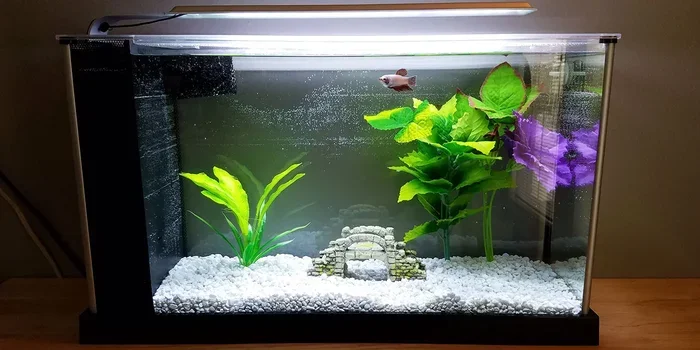
Do Betta Fish Need a Filter for Their Tanks
Do betta fish need a filter for their tanks? Yes, they absolutely do. A filter keeps the water clean and safe for your fish. It removes harmful toxins that build up over time. Without a filter, your betta faces health risks. This guide explains why filtration matters for happy fish.
Keeping a betta fish is a wonderful hobby. These colorful fish bring joy to any room. But many new owners ask an important question. Do betta fish need a filter for their tanks? The answer is yes. A filter plays a big role in keeping your fish healthy and happy.
Fish produce waste every day. This waste builds up in the water. Without a filter, harmful toxins grow quickly. These toxins can make your fish sick. A good filter removes waste and keeps the water clean. It also helps good bacteria grow. These bacteria break down dangerous chemicals.
Many people think bettas live well in small bowls. This is not true. Bettas need clean, warm water to thrive. A filter helps maintain these conditions. In this article, we will explore why filters matter. We will also share tips on choosing the right one.
Key Takeaways
- Filtration is essential: Filters remove waste and keep water safe for betta fish.
- Choose gentle flow: Bettas prefer calm water, so pick a low-flow filter.
- Regular maintenance: Clean your filter regularly to keep it working well.
- Tank size matters: Bigger tanks need stronger filtration than small bowls.
- Biological filtration: Good bacteria in filters help break down harmful ammonia.
- Avoid strong currents: Strong water flow stresses betta fish and harms their fins.
- Test your water: Regular water testing ensures your filter is doing its job.
📑 Table of Contents
- Why Do Betta Fish Need a Filter for Their Tanks?
- Do Betta Fish Need a Filter for Their Tanks to Survive?
- Choosing the Right Filter for Your Betta Tank
- Maintaining Your Betta Fish Filter
- Common Mistakes When Using Filters for Betta Tanks
- Expert Insights: Making the Most of Your Betta Filter
- Frequently Asked Questions
Why Do Betta Fish Need a Filter for Their Tanks?
A filter is one of the most important tools for any fish tank. It keeps the water clean and safe. But why is this so important for bettas? Let us look at the main reasons.
Removing Harmful Waste
Fish produce waste through their gills and poop. This waste contains ammonia. Ammonia is very toxic to fish. Even small amounts can hurt your betta. A filter helps remove this waste from the water. It traps solid waste and breaks down harmful chemicals.
Without a filter, ammonia levels rise fast. This can cause stress and illness. Your fish may lose color or stop eating. In severe cases, it can even lead to death. A filter prevents these problems by keeping the water fresh.
Supporting Good Bacteria
Filters do more than just trap dirt. They also provide a home for good bacteria. These bacteria are tiny helpers. They break down ammonia into less harmful substances. This process is called the nitrogen cycle.
The nitrogen cycle is vital for fish health. It turns toxic ammonia into nitrite, then into nitrate. Nitrate is much safer for fish. A filter gives these bacteria a place to live. The filter media provides surface area for them to grow. Without a filter, this cycle is hard to maintain.
Keeping Water Clear
Nobody likes cloudy water. A filter keeps the water clear and clean. It removes particles that make water look dirty. Clear water also lets you see your fish better. You can spot health issues early when the water is clean.
Clear water is also better for plants. If you have live plants in your tank, they need clean water too. A filter helps create a balanced ecosystem. This benefits both your fish and your plants.
Do Betta Fish Need a Filter for Their Tanks to Survive?
Some people believe bettas can live without filters. They point to bettas in small cups at stores. But these are temporary conditions. Bettas in cups are not meant to live there long term. For a healthy, long life, your betta needs a filter.
The Truth About Bowls
Many pet stores sell bettas in small bowls. These bowls often have no filter. While a betta might survive in a bowl for a short time, it will not thrive. Small bowls have poor water quality. Waste builds up quickly in small spaces.
Without a filter, you would need to change the water very often. This is stressful for the fish. It is also hard to maintain the right temperature. A filtered tank is much easier to manage. It provides a stable environment for your betta.
Long-Term Health Benefits
A filter supports long-term health. It reduces stress on your fish. Stress weakens the immune system. A weak immune system makes fish prone to disease. With a filter, your betta stays healthier for longer.
Filtered tanks also allow for more fish friends. You can add compatible tank mates in a larger, filtered tank. This creates a more interesting environment. Your betta will have more space to explore and swim.
Choosing the Right Filter for Your Betta Tank
Not all filters are the same. Some are too strong for bettas. Others are too weak to do a good job. You need to find the right balance. Here are some things to consider.
Flow Rate Matters
Bettas come from slow-moving waters in the wild. They do not like strong currents. A filter with a high flow rate can stress your fish. It can push them around the tank. This is exhausting for them.
Look for a filter with an adjustable flow rate. This lets you control how strong the water moves. You can turn it down to a gentle flow. Your betta will appreciate the calm water. If your filter is too strong, you can baffle it. A baffle slows down the water output.
Types of Filters
There are several types of filters to choose from. Each has its pros and cons. Here is a quick comparison.
| Filter Type | Pros | Cons | Best For |
|---|---|---|---|
| Sponge Filter | Gentle flow, affordable, good for bacteria | Less mechanical filtration, needs air pump | Small tanks, breeding tanks |
| Hang-On-Back Filter | Easy to use, good filtration, widely available | Can create strong flow, takes up space | Medium-sized tanks |
| Canister Filter | Powerful, hidden from view, great for large tanks | Expensive, harder to maintain | Large tanks, advanced owners |
| Internal Filter | Compact, submersible, good for small tanks | Takes up space inside tank, limited power | Small to medium tanks |
For most betta tanks, a sponge filter or hang-on-back filter works well. Sponge filters are very gentle. They are also cheap and easy to find. Hang-on-back filters are convenient and effective. Just make sure to adjust the flow.
Filter Size and Tank Size
The size of your tank matters too. A small filter will not work well in a large tank. A big filter may be too powerful for a small tank. Match the filter to your tank size.
A good rule is to choose a filter rated for your tank size. If you have a 5-gallon tank, pick a filter rated for 5 gallons or more. It is better to have a slightly stronger filter than a weak one. You can always reduce the flow. But a weak filter will not clean the water well.
Maintaining Your Betta Fish Filter
A filter needs regular care to work well. If you neglect it, it will not clean the water properly. Here are some tips for keeping your filter in good shape.
Cleaning the Filter Media
You should clean your filter media regularly. But do not use tap water. Tap water contains chlorine. Chlorine kills the good bacteria in the filter. Instead, use water from your tank.
Take some tank water in a bucket. Rinse the filter media in this water. This removes dirt without harming the bacteria. Do this every few weeks or when the flow slows down.
Replacing Filter Media
Over time, filter media wears out. You will need to replace it eventually. Follow the manufacturer’s guidelines for replacement. Do not replace all the media at once. This can crash your nitrogen cycle. Replace one part at a time.
Checking for Clogs
Sometimes filters get clogged with debris. This reduces water flow. Check your filter regularly for clogs. Remove any large debris from the intake tube. A clogged filter can stop working or become too noisy.
Common Mistakes When Using Filters for Betta Tanks
Even with a filter, things can go wrong. Here are some common mistakes to avoid.
Using a Filter That Is Too Strong
As mentioned before, bettas dislike strong currents. A filter that is too powerful can cause stress. Your fish may hide all the time. It may also have trouble swimming. Always check the flow rate. Adjust it to be gentle.
Not Cycling the Tank
Before adding your fish, you need to cycle the tank. Cycling means building up good bacteria in the filter. This takes time. You can cycle with fish food or pure ammonia. Do not add your betta until the cycle is complete. Testing kits help you know when the tank is ready.
Overcleaning the Filter
Some owners clean their filters too often. This removes the good bacteria. Without these bacteria, ammonia builds up fast. Clean the filter only when needed. Use tank water for cleaning. Never use soap or chemicals.
Ignoring Water Changes
A filter does not replace water changes. You still need to change the water regularly. Filters remove waste, but they do not remove all nitrates. Water changes dilute nitrates and refresh the water. Change about 25 percent of the water every week.
Expert Insights: Making the Most of Your Betta Filter
Here are some expert tips to help you get the best results from your filter.
Add Live Plants
Live plants work well with filters. They help absorb nitrates from the water. This reduces the workload on your filter. Plants also provide hiding spots for your betta. Your fish will feel more secure with plants around.
Use a Pre-Filter Sponge
A pre-filter sponge fits over the filter intake. It catches large debris before it enters the filter. This keeps the filter running smoothly. It also prevents small fish or shrimp from getting sucked in. Pre-filter sponges are cheap and easy to use.
Monitor Water Parameters
Regular testing is key to success. Use a water test kit to check ammonia, nitrite, and nitrate levels. This tells you if your filter is working well. If ammonia or nitrite shows up, something is wrong. You may need to clean the filter or do a water change.
Consider a Heater
Bettas are tropical fish. They need warm water to stay healthy. A filter does not heat the water. You will need a heater too. For more information on heating, check out Do Betta Fish Bowls Need A Heater. Keeping the water at the right temperature is just as important as filtration.
Frequently Asked Questions
Do betta fish need a filter for their tanks?
Yes, betta fish need a filter for their tanks. A filter keeps the water clean and removes harmful toxins. It also supports good bacteria that break down waste. Without a filter, your betta faces health risks and a shorter life.
Can a betta fish live without a filter?
A betta fish can survive for a short time without a filter. But it will not thrive. Waste builds up quickly in unfiltered water. This causes stress and illness. For a healthy, long life, a filter is essential.
What type of filter is best for a betta fish?
A sponge filter or a hang-on-back filter with adjustable flow is best. Bettas prefer calm water. Strong currents stress them out. Choose a filter that matches your tank size and has a gentle flow rate.
How often should I clean my betta fish filter?
Clean your filter media every two to four weeks. Use water from the tank, not tap water. Tap water contains chlorine that kills good bacteria. Clean the filter when the flow slows down or looks dirty.
Do I still need to change the water if I have a filter?
Yes, you still need to change the water regularly. A filter removes waste but does not remove all nitrates. Change about 25 percent of the water every week. This keeps the water fresh and healthy for your fish.
Can a filter be too strong for a betta fish?
Yes, a filter can be too strong for a betta fish. Bettas come from slow-moving waters. Strong currents push them around and cause stress. Use a filter with adjustable flow or add a baffle to slow the water down.