Do Betta Fish Need a Filter in the Tank Tips
Many new owners ask do betta fish need a filter in the tank before setting up their first aquarium. The short answer is yes, a filter helps keep water clean, stable, and safe for your fish. However, you can still succeed without one if you commit to frequent water changes and careful feeding. Understanding your options will help you build a healthy home for your betta.
If you are setting up your first aquarium, you probably wonder do betta fish need a filter in the tank before you buy anything. This is a smart question because filtration changes everything about water quality, maintenance, and fish health. Bettas are popular pets because they look stunning and do not need a massive pond to thrive. Still, they need clean water to stay active and colorful. A good filter makes that job much easier.
Many beginners hear mixed advice from friends, pet stores, and online forums. Some people say bettas live happily in small bowls without any equipment. Others insist that every tank needs a filter and a heater. The truth sits somewhere in the middle. Bettas can survive in simple setups, but survival is not the same as thriving. In this guide, I will walk you through why filters help, when you might skip one, and how to choose the right setup for your home.
You will also learn how filtration affects ammonia, nitrite, and nitrate levels. These are the main water parameters that decide whether your fish stays healthy or gets sick. I will keep the language simple and practical so you can make a confident choice. By the end, you will know exactly what your betta needs and why.
Key Takeaways
- Filters improve water quality: They remove waste, reduce toxins, and support beneficial bacteria.
- Bettas can survive without filters: But you must perform regular water changes and monitor conditions closely.
- Gentle flow matters: Strong currents stress bettas, so choose low-flow or adjustable filters.
- Tank size affects filtration needs: Smaller tanks need more frequent maintenance, while larger tanks stabilize easier.
- Beneficial bacteria need surfaces: Filters provide space for bacteria that break down harmful ammonia and nitrite.
- Partial water changes remain essential: Even with a filter, you should swap out some water weekly.
- Choose equipment based on your routine: Pick a setup that matches your time, budget, and experience level.
📑 Table of Contents
Do Betta Fish Need a Filter in the Tank for Healthy Water
The most direct answer to do betta fish need a filter in the tank is that a filter makes healthy water much easier to maintain. Fish waste, uneaten food, and decaying plant matter all create toxins in the water. The two most dangerous compounds are ammonia and nitrite. Both can burn gills, stress the fish, and eventually cause serious illness. A filter helps by moving water through a medium where helpful bacteria can live. These bacteria convert harmful waste into less dangerous nitrate.
Without a filter, those toxins build up much faster. That means you must rely on frequent water changes to keep the environment safe. If you forget a change or overfeed, the water can turn dangerous quickly. A filter acts like a safety net. It does not replace water changes, but it gives you more margin for error. For most new owners, that extra support is worth it.
Bettas also appreciate stable conditions. Temperature swings, dirty water, and sudden chemical changes can weaken their immune systems. A filter helps keep the water mixed and balanced. It also supports oxygen exchange at the surface. Even though bettas can breathe air from above the water, they still benefit from good circulation. Clean, well-oxygenated water keeps them more active and alert.
What a Filter Actually Does for Your Betta
A filter does three main jobs. First, it traps solid waste like leftover food and fish debris. Second, it hosts beneficial bacteria that process dissolved toxins. Third, it moves water around so the temperature and chemistry stay more even. These jobs matter because stagnant water allows waste to concentrate in one spot. That creates hot spots of pollution that can harm your fish.
Think of a filter as a small cleanup crew that works all day. The bacteria living inside the filter media are especially important. They form what many people call the nitrogen cycle. This cycle is the backbone of a healthy aquarium. Once it is established, the water stays safer between cleanings. If you want to understand this cycle better, you may find it helpful to read about filtered tank setups and how they support long-term water quality.
When a Filter Is Highly Recommended
A filter is especially useful when your tank is larger than a few gallons, when you plan to keep live plants, or when you want a lower-maintenance routine. It also helps if you are still learning how to test water and respond to problems. In these cases, the filter gives you more stability while you build confidence. If you are wondering do betta fish need a filter in the tank for a beginner setup, the answer is usually yes.
Filters are also helpful if you ever want to add safe tank mates or cleanup helpers. More fish means more waste, which means water quality matters even more. A filter gives you a better chance of keeping everyone healthy. Of course, any tank mate choice should be made carefully, and you can learn more about compatible options in guides like tank cleaning fish with betta before making changes.
Can Betta Fish Live in a Tank Without a Filter
Many people ask do betta fish need a filter in the tank because they want a simpler setup. The good news is that bettas can live in unfiltered tanks if you are careful. The key is consistency. You will need to change water often, feed lightly, and test the water regularly. If you are willing to do that, an unfiltered tank can work.
However, unfiltered setups demand more attention, not less. Without filtration, waste stays in the water until you remove it. That means even small mistakes can add up fast. Overfeeding is a common problem because extra food breaks down into ammonia. If you choose this route, keep portions small and remove uneaten food quickly. You should also avoid overcrowding, since more waste will overwhelm a small unfiltered environment.
How to Maintain an Unfiltered Tank Safely
If you decide to skip a filter, start with a tank size that gives you some buffer. Very small containers become dirty fast. A larger water volume dilutes waste better and gives you more time between changes. Daily or near-daily partial water changes are often necessary in small unfiltered tanks. Use a gentle siphon to remove debris from the bottom and replace it with fresh, treated water.
Temperature stability matters too. If your room gets chilly at night, your betta may become sluggish. In that case, you may want to learn more about heating for betta bowls so you can keep conditions steady. An unfiltered tank still needs a stable environment, even if it does not have a filter.
Signs Your Unfiltered Setup Is Struggling
Watch for cloudy water, a foul smell, lethargic behavior, clamped fins, or a betta that hides all day. These can be signs that waste is building up. Loss of appetite is another warning sign. If you see these issues, perform a careful water change right away and reduce feeding. If problems keep returning, it may be time to add filtration or increase your maintenance schedule.
Best Filter Types for Betta Fish Tanks
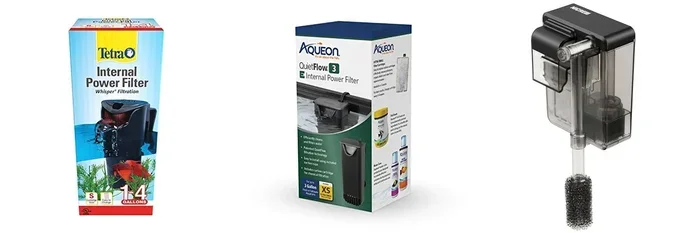
If you decide to use a filter, the next question is which kind works best. Bettas prefer calm water, so strong flow can stress them. The best filter for a betta is one that moves water gently without creating a current that pushes the fish around. Many owners like sponge filters, low-flow hang-on-back filters, or adjustable internal filters. Each has pros and cons, so choose based on your tank size and budget.
Sponge filters are popular because they provide gentle movement and plenty of surface area for beneficial bacteria. They are also inexpensive and easy to maintain. Hang-on-back filters can be convenient and simple to install, especially if you want mechanical filtration for debris. Internal filters work well in smaller tanks when they have adjustable flow. The main goal is to keep the water clean without making your betta fight the current.
Gentle Flow and Betta Comfort
Bettas are not built for rushing water. In the wild, they often live in slow-moving streams, ponds, and rice fields. Strong filter output can tire them out and make swimming stressful. If your filter feels too powerful, you can baffle the output with a small piece of sponge or adjust the flow setting if available. You want enough movement to keep water mixed, but not so much that your fish struggles to rest.
A comfortable betta will explore the tank, rest on leaves or the substrate, and swim smoothly. If you see it constantly battling the flow, reduce the current. Comfort matters because stress can weaken immunity over time. A calm environment supports better color, better appetite, and more natural behavior.
Choosing the Right Filter for Your Setup
When comparing filters, think about three things: tank size, filter media, and maintenance. Make sure the filter suits the volume of water you have. Check whether it can house biological media, not just a sponge or cartridge. Also consider how easy it is to clean without destroying the beneficial bacteria. If you want a deeper look at filter use in betta setups, you may enjoy reading using a filter in a betta tank for practical setup tips.
Water Changes Still Matter With a Filter
Some beginners think a filter means they can stop doing water changes. That is not true. A filter helps, but it does not remove everything. Nitrate still builds up over time, and solid waste can collect in the substrate. Water changes refresh the tank, remove nitrate, and restore important minerals. Even with a good filter, regular partial changes are part of responsible care.
The frequency depends on your tank size, feeding habits, and how many fish you keep. Many owners do a partial change every week or every other week. Smaller tanks usually need more frequent changes than larger ones. The key is consistency. A steady routine keeps water parameters more predictable and your betta more comfortable.
How to Change Water Without Stressing Your Betta
Use a gentle siphon and avoid chasing the fish around the tank. Remove only a portion of the water at a time, then replace it with water that matches the temperature closely. Sudden temperature shocks are harmful. Also make sure any new water is treated to remove chlorine or chloramine if your tap water needs it. If you are unsure about water sources, you can review guidance on using tap water in a betta tank before your first change.
Feeding Habits That Reduce Filter Load
Good feeding habits make filtration easier. Feed only what your betta can finish in a short time. Remove leftovers if they sink and sit uneaten. This simple habit reduces waste and helps keep ammonia lower. It also prevents excess debris from clogging the filter media. A well-fed betta is healthy, but a greedy feeding routine can create avoidable mess.
Tank Size, Filtration, and Betta Health
Tank size changes everything. Small containers foul quickly because there is less water to dilute waste. Larger tanks are more stable because toxins spread through a bigger volume. That does not mean you need a giant aquarium, but it does mean that very tight spaces are harder to manage. When people ask do betta fish need a filter in the tank, the tank size often decides how urgent filtration becomes.
A larger tank also gives your betta more room to swim and explore. Enrichment matters because bettas can become bored in bare, cramped spaces. If you want to learn more about whether bettas need stimulation, you can check out betta fish getting bored in a tank for ideas on keeping them engaged. A bigger, filtered tank often makes it easier to create a more interesting environment.
Small Tanks vs Larger Tanks
Small tanks are easier to fit in a room, but they demand more careful maintenance. Larger tanks are more forgiving, but they cost more and may need stronger equipment. Here is a simple comparison to help you think through the choice.
Small tank: Less water volume, faster waste buildup, more frequent changes, easier to place, easier to overstock by mistake.
Larger tank: More water volume, better stability, slower waste buildup, more room for enrichment, higher startup cost, may need a stronger filter.
If you are considering a larger aquarium, you might also want to read putting a betta in a big tank to see how extra space can affect care and behavior.
Enrichment and Environment Beyond Filtration
A healthy tank is not only about clean water. Bettas also benefit from places to rest, hide, and explore. Smooth decorations, live or silk plants, and a comfortable resting spot near the surface can improve their quality of life. Some owners even add safe plants for extra shelter. If you are curious about plant choices, you can explore topics like lucky bamboo in a betta tank before decorating.
Common Betta Filter Mistakes to Avoid
One common mistake is choosing a filter that is too strong. If your betta is constantly pushed around, the current is too intense. Another mistake is cleaning the filter too aggressively. If you rinse all the media in fresh tap water, you can kill the beneficial bacteria that keep the tank safe. Instead, clean filter parts gently using water removed from the tank during a water change.
A third mistake is assuming the filter removes the need for testing. You still need to watch ammonia, nitrite, nitrate, and pH over time. A filter can fail, clog, or stop working if the power goes out. Regular observation keeps small problems from becoming big ones. Another issue is overfeeding, which puts extra pressure on the filter and the water quality.
Quick Tips for Better Filtration
- Choose a gentle filter that matches your tank size.
- Keep beneficial bacteria alive by cleaning media carefully.
- Test water regularly, especially in new tanks.
- Feed small portions and remove leftovers.
- Perform consistent partial water changes.
- Watch your betta for signs of stress or discomfort.
Expert Insights on Betta Filtration
Experienced keepers usually say the best setup is the one you can maintain reliably. A simple filtered tank with steady care often beats a fancy setup that gets neglected. Consistency matters more than perfection. If you are new, start with a manageable tank size and a gentle filter. Build a routine around testing, feeding, and water changes. Once that feels easy, you can adjust your setup with more confidence.
It also helps to remember that filtration is part of a larger system. Water source, temperature, feeding, decoration choices, and maintenance all work together. When one part improves, the whole tank usually benefits. That is why thoughtful planning at the beginning saves a lot of trouble later.
Conclusion
So, do betta fish need a filter in the tank? A filter is not absolutely mandatory, but it is strongly recommended for most owners because it makes water quality easier to manage. It supports beneficial bacteria, reduces toxin buildup, and helps keep conditions stable. If you choose to keep a betta without a filter, you can still succeed, but you must stay disciplined with water changes, feeding, and monitoring.
The best choice depends on your tank size, your routine, and how much maintenance you want to do. A gentle filter in a well-sized tank usually gives beginners the best balance of health and convenience. Whatever you choose, focus on clean water, calm flow, and consistent care. That combination gives your betta the best chance to live a bright, active, and healthy life.
Frequently Asked Questions
Do betta fish need a filter in the tank to survive?
They can survive without one, but a filter makes survival much easier by keeping water cleaner and more stable. Without a filter, you must do frequent water changes and watch water quality closely.
Can I keep a betta in a bowl without a filter?
Yes, but only if you maintain the water very carefully and keep the bowl appropriately sized. Small unfiltered bowls get dirty quickly, so regular cleaning and light feeding are essential.
What kind of filter is best for a betta fish tank?
A gentle filter is usually best because bettas prefer calm water. Sponge filters, low-flow hang-on-back filters, and adjustable internal filters are common choices for betta setups.
How often should I change water in a filtered betta tank?
Many owners do partial water changes every week or every other week, depending on tank size and feeding. Even with a filter, regular changes help remove nitrate and refresh the water.
Will a strong filter hurt my betta fish?
A strong current can stress a betta because it makes swimming harder and tires the fish. If the flow feels too powerful, reduce it or add a baffle to soften the current.
Do I still need a heater if I use a filter?
Often yes, because bettas prefer warm, stable water and filters do not heat the tank. If your room temperature drops at night, a heater can help keep your betta comfortable and active.