Do Betta Fish Live A Long Time A Complete Care Guide

Do betta fish live a long time? Many owners ask this question when they first bring home their vibrant new pet. The truth is, these beautiful creatures can live for several years if you provide the right environment and attention. In this guide, we will explore everything you need to know about betta fish lifespan and how to help them thrive. You will discover practical tips for tank setup, feeding, and water quality that directly impact their longevity.
Many people fall in love with betta fish because of their stunning colors and flowing fins. These small aquatic pets bring life and beauty to any room. However, potential owners often wonder about how long they can expect their new companion to stick around. Understanding the lifespan of these fish helps you prepare for the commitment ahead.
Do betta fish live a long time? The answer depends heavily on how well you care for them. In the wild, these fish face many challenges that shorten their lives. But in a home aquarium, they can reach their full potential with the right support. This article will walk you through the factors that influence their longevity and what you can do to help them thrive.
Key Takeaways
- Average Lifespan: Betta fish typically live 3-5 years with proper care and a suitable environment.
- Tank Size Matters: A minimum of 5 gallons is recommended to support healthy growth and reduce stress.
- Water Quality: Clean, filtered water with proper temperature prevents disease and extends life expectancy.
- Diet Impact: A balanced diet including high-quality pellets and occasional treats supports overall health.
- Stress Reduction: Avoiding aggressive tank mates and providing hiding spots helps lower stress levels.
- Health Monitoring: Regular observation of behavior and appearance can catch issues early before they become serious.
- Consistent Care: Routine maintenance and stable water parameters are key to maximizing lifespan potential.
📑 Table of Contents
Understanding Betta Fish Lifespan
When you bring a betta fish home, you want to know what to expect. The average lifespan of a healthy betta fish ranges from three to five years. Some well-cared-for individuals may even reach six years or more. This range might surprise you if you have heard shorter estimates before.
Several factors play a role in how long these fish live. Genetics set the baseline for their potential age. However, environmental conditions and care quality often make the biggest difference. A fish born with strong genes can still suffer if kept in poor conditions.
Wild vs. Captive Lifespan
In their natural habitat, betta fish face many threats. Predators, pollution, and changing water conditions all take a toll. Wild bettas often live shorter lives due to these constant pressures. They must constantly search for food and avoid danger.
Captive bettas enjoy a much more stable environment. You control the water quality, temperature, and food supply. This protection allows them to focus their energy on growth and health. With proper care, captive bettas significantly outlive their wild counterparts.
Factors That Influence Longevity
Many elements work together to determine how long your fish will live. Water quality stands out as one of the most critical factors. Poor water leads to stress and disease, which shorten life expectancy. Clean water supports a strong immune system.
Diet also plays a major role in overall health. Feeding the right foods in the right amounts keeps your fish strong. Overfeeding causes obesity and pollutes the water. Underfeeding leads to malnutrition and weakness.
Stress reduction is another key piece of the puzzle. Fish that feel safe and secure live longer, healthier lives. Crowded tanks, aggressive neighbors, and sudden changes all create stress. A calm environment helps your betta thrive.
Tank Setup for Maximum Longevity
Creating the right home is the first step toward helping your betta live a long and happy life. The physical space you provide sets the foundation for their well-being. A proper setup reduces stress and supports natural behaviors.
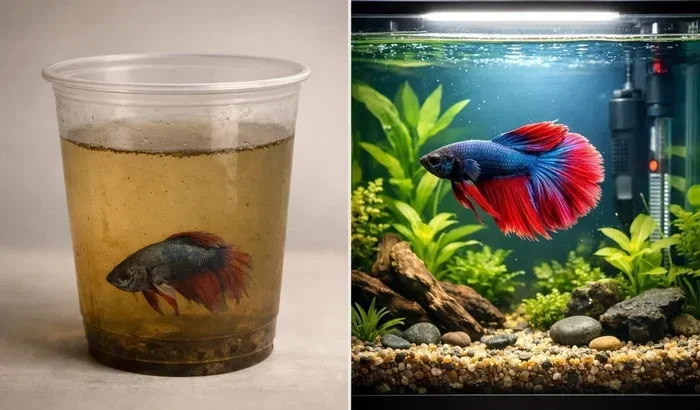
Many beginners make the mistake of keeping bettas in tiny bowls. These small containers cannot support stable water conditions. They also limit swimming space and hide spots. Your fish needs room to move and explore.
Ideal Tank Size and Space
A minimum of five gallons is the recommended starting point for a single betta. This size provides enough water volume to maintain stable parameters. It also gives your fish adequate space to swim comfortably. Larger tanks offer even more stability and room.
You might wonder about space requirements for these active fish. Do betta fish like a lot of space? The answer is yes, they benefit from having room to explore. More space means less crowding and better water quality. It also allows for proper filtration and heating equipment.
Here is a quick comparison of tank sizes and their impact:
| Tank Size | Water Stability | Swimming Room | Stress Level |
|---|---|---|---|
| 1-2 Gallons | Poor | Very Limited | High |
| 5 Gallons | Good | Adequate | Low |
| 10+ Gallons | Excellent | Spacious | Very Low |
Filtration and Water Quality
Clean water is essential for any fish to live a long life. A good filter removes waste and keeps the water clear. It also helps maintain beneficial bacteria that break down harmful compounds. Without filtration, toxins build up quickly and harm your fish.
You may ask yourself about filtration needs for bettas. Do betta fish have to be in a filtered tank? While they can survive briefly without one, a filtered tank is strongly recommended for long-term health. Filters provide the consistent water quality that supports a long lifespan. They also reduce the need for frequent water changes.
Regular water testing helps you catch problems early. Test kits measure ammonia, nitrite, and nitrate levels. These parameters tell you if your water is safe. Maintaining proper pH and hardness also contributes to overall health.
Temperature and Heating Needs
Bettas come from warm tropical waters in Southeast Asia. They need consistent temperatures between 78 and 82 degrees Fahrenheit. Cold water slows their metabolism and weakens their immune system. A reliable heater keeps the temperature steady around the clock.
Temperature fluctuations cause stress and make fish more prone to illness. Small tanks lose heat quickly, making a heater even more important. Always use a thermometer to monitor the water temperature. This simple tool helps you catch heating issues before they become serious.
You might wonder about heating requirements for smaller setups. Do betta fish bowls need a heater? Yes, even bowls benefit from stable warmth if the room temperature drops. However, bowls are not ideal for long-term care. A proper tank with a heater offers the best conditions for longevity.
Diet and Nutrition for a Long Life
What you feed your betta directly affects how long and how well they live. A nutritious diet supports strong bones, vibrant colors, and a healthy immune system. Poor nutrition leads to weakness and disease over time.
Bettas are carnivorous by nature. They need protein-rich foods to thrive. Commercial pellets made specifically for bettas provide a solid foundation. These foods contain the right balance of nutrients for their needs.
Best Foods for Betta Health
High-quality pellets should make up the bulk of your fish’s diet. Look for foods with real fish or shrimp as the first ingredient. Avoid fillers like corn or wheat that offer little nutritional value. Small pellets are easier for bettas to swallow and digest.
Frozen and live foods add variety and extra nutrition. Do betta fish eat live bloodworms? Yes, bloodworms are a favorite treat that provides excellent protein. Brine shrimp and daphnia also make great additions to their diet. These foods stimulate natural hunting behaviors and keep them active.
Here are some top food choices for bettas:
- Premium Betta Pellets: Formulated for balanced nutrition and easy digestion.
- Frozen Bloodworms: Rich in protein and enjoyed as an occasional treat.
- Frozen Brine Shrimp: Great for variety and essential nutrients.
- Live Foods: Stimulate natural behaviors and provide fresh nutrition.
- Vegetable Supplements: Small amounts of blanched peas aid digestion.
Feeding Schedule and Portion Control
Overfeeding is one of the most common mistakes new owners make. Too much food pollutes the water and causes health problems. A good rule is to feed only what your fish can eat in two minutes. Remove any uneaten food after that time.
Most adult bettas do well with one or two feedings per day. Younger fish may need more frequent meals for growth. Fasting one day per week can help prevent digestive issues. This practice mimics natural feeding patterns in the wild.
You may wonder about treat options for your fish. Do betta fish have treats for a snack? Yes, occasional treats like bloodworms or brine shrimp make a great snack. These should complement their regular diet, not replace it. Moderation keeps treats healthy and enjoyable.
Water Quality and Maintenance
Clean water is the single most important factor in helping your betta live a long time. Poor water quality causes stress, disease, and shortened lifespans. A consistent maintenance routine keeps your fish healthy and happy.
Many diseases stem from dirty water. Fin rot, velvet, and ich all thrive in polluted conditions. These illnesses weaken your fish and can become fatal if left untreated. Prevention through good water management is far easier than treatment.
Routine Water Changes
Regular water changes remove accumulated waste and refresh essential minerals. A partial change of 25 to 50 percent each week works well for most tanks. This schedule balances cleanliness with stability. Sudden large changes can shock your fish.
Always use a water conditioner to remove chlorine and chloramines from tap water. These chemicals harm fish and beneficial bacteria. Conditioned water is safe and comfortable for your betta. Testing the water before each change helps you stay on track.
Filtering Options and Benefits
A good filter makes maintenance much easier. It continuously cleans the water and hosts beneficial bacteria. Hang-on-back filters work well for smaller tanks. Sponge filters provide gentle flow that bettas appreciate.
You might consider whether filtration is optional. Can betta fish live in a tank without a filter? They can survive for a short time, but a filter greatly improves their chances of a long life. Without filtration, you must perform very frequent water changes to keep toxins low. A filter provides consistent protection with less effort.
Some owners prefer tanks with gentle filtration. Could betta fish live in a filtered tank? Absolutely, and it is highly recommended. Filtered tanks maintain cleaner water and support healthier fish. The steady environment reduces stress and disease risk significantly.
Stress Reduction and Tank Mates
Stress is a silent killer that shortens the lives of many bettas. These fish are sensitive to their surroundings and social environment. Creating a calm, safe space helps them live longer and show their true colors.
Signs of stress include faded colors, clamped fins, and hiding behavior. A stressed fish may also refuse food or breathe heavily. Identifying and removing stressors quickly prevents long-term damage. Your observation skills play a big role in their health.
Choosing Compatible Tank Mates
Bettas are known for their territorial nature, especially males. Adding the wrong tank mate can lead to fighting and injury. Peaceful, non-aggressive species work best in community setups. Always research compatibility before adding new fish.
You may want to know about pairing bettas with other species. Can betta fish live with a bottom feeder? Some bottom dwellers like corydoras can coexist peacefully if the tank is large enough. Avoid fin-nippers and aggressive fish that trigger stress. A well-chosen community tank can be a happy home.
Snails also make interesting tank companions. Can freshwater snail live with a betta fish? Yes, many snails are peaceful and help clean the tank. They do not compete for food and stay out of the way. Just ensure the tank has enough space for everyone.
Plants and Decorations for Comfort
Live plants add beauty and improve water quality naturally. They absorb waste and provide hiding spots for your fish. Can you put a live plant with betta fish? Yes, many plants thrive alongside bettas and create a natural environment. Soft-leaved plants work best to avoid fin damage.
Decorations should have smooth edges to protect delicate fins. Sharp objects can tear fins and cause injury. Caves and tunnels give your fish places to rest and hide. A well-decorated tank feels more like a natural habitat.
Health Monitoring and Common Issues
Watching your betta closely helps you catch problems before they become serious. Early detection makes treatment much more successful. Healthy fish show bright colors, active swimming, and good appetite. Changes in behavior often signal an underlying issue.
Common health problems include fin rot, swim bladder issues, and fungal infections. Most of these stem from poor water quality or stress. Addressing the root cause prevents recurrence. Regular care reduces the chance of illness significantly.
Signs of a Healthy Betta
A thriving betta displays vibrant colors and flowing fins. They swim with confidence and explore their tank regularly. Eating eagerly at feeding time is a good sign. Clear eyes and smooth skin indicate good health.
Sleep patterns also matter for overall well-being. Do baby betta fish sleep a lot? Younger bettas may rest more as they grow. Adult bettas also rest periodically throughout the day. Providing a quiet, dark period at night supports healthy rest cycles.
When to Seek Help
Some issues require professional guidance or medication. Persistent lethargy, loss of appetite, or visible sores need attention. Quarantine new fish before adding them to your tank. This practice prevents spreading disease to your existing pets.
Keeping a basic first aid kit for fish helps you respond quickly. Common medications treat fungal and bacterial infections. Always follow dosage instructions carefully. Overmedicating can harm your fish and beneficial bacteria.
Expert Tips for Extending Betta Lifespan
Experienced keepers know that small details make a big difference. These practical tips come from years of successful betta care. Applying them consistently helps your fish reach their full potential.
Patience and observation are your best tools. Every fish is unique and may respond differently to changes. Watching how your betta reacts helps you adjust care as needed. This personalized approach leads to the best outcomes.
Quick Tips for Longevity
- Start with a healthy fish: Choose active fish with bright colors and intact fins from reputable sources.
- Cycle your tank first: Establish beneficial bacteria before adding your betta to ensure safe water.
- Maintain consistent routines: Feed and change water at similar times to reduce stress.
- Avoid sudden changes: Adjust temperature and parameters gradually to prevent shock.
- Provide enrichment: Add plants, caves, and gentle current for mental stimulation.
- Quarantine new additions: Keep new fish or plants separate for a few weeks before introducing them.
- Keep a care journal: Track water parameters, feeding, and health changes to spot patterns.
Common Mistakes to Avoid
- Using tiny bowls: Small containers cannot maintain stable water quality for long-term health.
- Overfeeding: Excess food pollutes water and causes digestive and health problems.
- Skipping water changes: Infrequent maintenance allows toxins to build up and harm your fish.
- Adding aggressive tank mates: Fighting and harassment create chronic stress that shortens life.
- Ignoring temperature: Cold or fluctuating water weakens the immune system and slows metabolism.
- Using untreated tap water: Chlorine and chloramines damage fish and beneficial bacteria.
- Neglecting signs of illness: Early symptoms are easier to treat than advanced diseases.
Taking a proactive approach to care pays off in the long run. Your betta will reward your efforts with vibrant colors and engaging behavior. The bond you build through attentive care makes the journey worthwhile.
Frequently Asked Questions
How long do betta fish typically live?
Betta fish usually live between 3 and 5 years with proper care. Some well-maintained individuals may reach 6 years or more. Genetics and environment both play important roles in their lifespan.
What tank size helps betta fish live longer?
A minimum of 5 gallons is recommended for a single betta fish. Larger tanks provide better water stability and more swimming space. Small bowls often lead to poor water quality and shorter lifespans.
Does water quality affect how long bettas live?
Yes, clean water is essential for a long and healthy life. Poor water causes stress and disease that shorten lifespans. Regular water changes and proper filtration keep conditions safe.
Can betta fish live with other fish?
Some peaceful species can coexist with bettas in larger tanks. Avoid aggressive fish and fin-nippers that cause stress. Always research compatibility before adding new tank mates.
What should I feed my betta for a long life?
High-quality betta pellets should form the main part of their diet. Occasional frozen or live treats like bloodworms add variety and nutrition. Feed small portions and avoid overfeeding to prevent health issues.
Do betta fish need a heater to live longer?
Yes, bettas need warm water between 78 and 82 degrees Fahrenheit. A reliable heater keeps the temperature stable and supports their immune system. Cold water weakens them and makes them prone to illness.
=== CONCLUSION ===
Do betta fish live a long time? They certainly can when you give them the care they deserve. A proper tank, clean water, good food, and a stress-free environment all work together to extend their lives. Your attention to detail makes all the difference in helping them reach their full potential.
Remember that every betta is an individual with unique needs. Watching your fish closely and adjusting care as needed builds a strong foundation for longevity. The effort you put into their well-being pays off with years of colorful companionship. Start with the basics, stay consistent, and enjoy the journey with your beautiful betta friend.