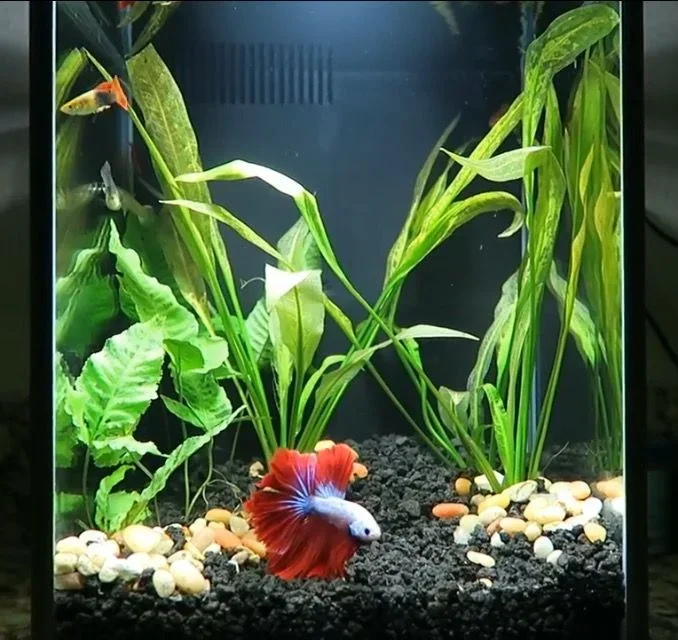
How to Put a Betta Fish into a New Tank
Introducing your betta to a new tank is a multi-step process that begins long before the fish arrives. The single most critical step is fully cycling the tank to establish beneficial bacteria, which can take 4-6 weeks. Never dump your betta directly into the new water; instead, use a careful acclimation method like the floating bag or drip technique to equalize temperature and water chemistry. After transfer, monitor your betta closely for signs of stress, feed sparingly for the first 24 hours, and maintain pristine water quality to ensure a thriving new life in its home.
Key Takeaways
- Tank Cycling is Non-Negotiable: A new tank must be fully cycled (4-6 weeks) to establish a biological filter that processes toxic ammonia and nitrite. Adding a betta to an uncycled tank is the fastest way to cause fatal poisoning.
- Acclimation is a Must: Never simply pour your betta from its store bag into your tank. Use the floating bag method or drip acclimation over 30-60 minutes to slowly introduce it to your tank’s temperature and water parameters.
- Water Parameters are Paramount: Bettas require warm (78-80°F/25.5-26.5°C), clean water with zero ammonia and nitrite, and low nitrates (<20 ppm). A reliable test kit and heater are essential investments.
- First 24 Hours are Critical: Do not feed your betta for the first 24 hours after transfer. Keep lights dim, avoid disturbances, and observe for clamped fins, lethargy, or frantic swimming, which indicate stress or poor water conditions.
- Tank Setup Matters: Provide a minimum 5-gallon tank with a gentle filter (or adjustable flow), a secure lid (bettas jump!), smooth substrate, and floating plants or broad leaves for resting near the surface.
- Patience Prevents Problems: Rushing any step—cycling, acclimation, or feeding—is the primary cause of new betta fatalities. A slow, methodical approach gives your fish the best chance for a long, healthy life.
📑 Table of Contents
- How to Put a Betta Fish into a New Tank: The Complete, No-Stress Guide
- The Foundation: Why Tank Cycling is the First and Most Important Step
- Setting Up the Perfect Betta Home: Tank, Heater, Filter, and Décor
- The Main Event: Step-by-Step Acclimation Methods
- The First 24 Hours: What to Do (and NOT Do) After Transfer
- Common Mistakes That Sabotage a New Betta’s Start (And How to Avoid Them)
- Long-Term Care: Building on a Successful Start
- Conclusion: Patience is the Ultimate Betta-Keeping Tool
How to Put a Betta Fish into a New Tank: The Complete, No-Stress Guide
You’ve done the research. You’ve picked out the perfect, vibrant betta with flowing fins that capture your heart. You’ve set up a beautiful new aquarium, filled with plants and decorations. The moment is here. But knowing how to put a betta fish into a new tank correctly is the single most important skill you can learn to ensure this beautiful fish doesn’t just survive, but thrives. A wrong move in these first few hours can lead to catastrophic stress, disease, or even death. This guide will walk you through every single step, from the essential preparation that starts weeks in advance to the quiet moments of observation on day one. We’ll demystify cycling, master acclimation, and set you up for long-term success. Let’s dive in.
The Foundation: Why Tank Cycling is the First and Most Important Step
Before we even discuss the physical act of moving your betta, we must talk about the invisible ecosystem you are creating. A new aquarium is not just a glass box with water; it’s a delicate biological system. The process of “cycling” a tank refers to establishing a colony of beneficial bacteria that will live in your filter media and on surfaces. These bacteria are your tank’s janitorial staff. Their sole job is to eat the toxic waste your fish produces.
Visual guide about How to Put a Betta Fish into a New Tank
Image source: sharksinfo.com
Understanding the Nitrogen Cycle in Simple Terms
Your betta, like all fish, breathes oxygen and excretes ammonia (NH3/NH4+) through its gills and waste. Ammonia is lethally toxic, even in small amounts. The first type of good bacteria (Nitrosomonas) converts ammonia into nitrite (NO2-). Nitrite is also highly toxic. A second type of bacteria (Nitrospira) then converts nitrite into nitrate (NO3-). Nitrate is much less toxic and is removed from the system through regular water changes. This is the nitrogen cycle. A cycled tank has a robust population of both bacterial types, so ammonia and nitrite never spike to dangerous levels.
How to Cycle a Tank for Your Betta (The 4-6 Week Process)
There are two primary methods. The “fishless cycle” is highly recommended for a betta’s first tank, as it introduces zero stress to the animal.
- Fishless Cycle with Ammonia: Add pure, unscented ammonia (from a hardware store) to the tank to raise ammonia to 2-4 ppm. Add a bacterial starter supplement (like FritzZyme or Seachem Stability) to jumpstart growth. Test daily. When ammonia drops, add more to maintain the level. Once the tank processes 2-4 ppm of ammonia to 0 ppm ammonia and 0 ppm nitrite within 24 hours, and you see a nitrate reading, the cycle is complete. Perform a large water change to lower nitrates before adding your betta.
- Using a “Hardy” Fish (Not Recommended for Solo Bettas): Some cycle with a few inexpensive, hardy fish like zebra danios, generating ammonia from their waste. This subjects those fish to very poor, toxic water conditions during the cycle. It’s an outdated and cruel method when a fishless cycle is so easy and humane.
Pro Tip: Use your filter’s media (sponges, ceramic rings) as the primary home for bacteria. Never rinse this media in tap water (chlorine kills bacteria); only rinse it in old tank water during a water change. When your tank is cycled, you can transport some of this seeded media to a new filter instantly, cutting the cycle time down to days.
Setting Up the Perfect Betta Home: Tank, Heater, Filter, and Décor
With your cycled water ready, let’s ensure the physical environment is ideal. Bettas are often sold in tiny cups, but they deserve much more space.
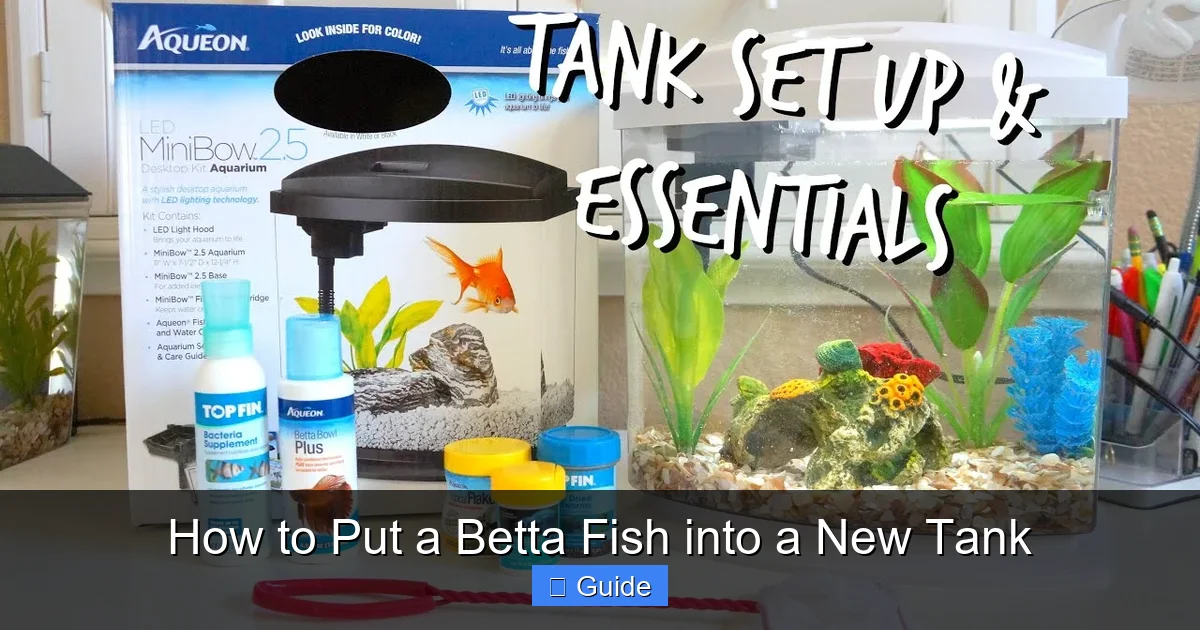
Visual guide about How to Put a Betta Fish into a New Tank
Image source: i.ytimg.com
Tank Size: Bigger is Better (For Real)
The absolute minimum for a healthy, active betta is 5 gallons. A 10-gallon tank is even better and provides a much more stable environment. Larger volumes of water dilute toxins and temperature fluctuations, making management easier for you and life more comfortable for your betta. A 2.5-gallon tank is the absolute bare, stressful minimum and should be avoided if at all possible.
Heater: A Non-Negotiable Luxury
Bettas are tropical fish from the warm, shallow waters of Thailand. They require a consistent water temperature between 78-80°F (25.5-26.5°C). A small, adjustable aquarium heater (25-50 watts depending on tank size) is essential. Use a separate, accurate aquarium thermometer to verify the heater’s setting. Cold water slows their metabolism, suppresses their immune system, and can lead to deadly diseases like dropsy.
Filter: Gentle Flow is Key
All tanks need filtration. Bettas, with their long, flowing fins, are not strong swimmers and originate from still waters. A filter with a strong current will stress them, exhaust them, and can even damage their fins. Look for:
- Sponge filters (air-powered, very gentle, excellent biological filtration).
- Internal power filters with adjustable flow settings you can turn down very low.
- Hang-on-back (HOB) filters with a spray bar or baffle to diffuse the flow.
The goal is a slight ripple on the water’s surface, not a visible current pushing the fish around.
Décor: Safety and Rest Spots
Bettas need places to hide and, crucially, spots to rest near the water’s surface where they can gulp air (they have a labyrinth organ). Avoid any decorations with sharp edges or rough textures that can tear their delicate fins. Silk or live plants are perfect. Floating plants like Lemnoideae (duckweed) or Salvinia are betta favorites. A smooth-leafed plant like a Anubias or Java Fern attached to a decoration near the top provides a perfect resting perch. A betta log or leaf hammock is a great commercial option. Provide open swimming space as well as hiding caves.
The Main Event: Step-by-Step Acclimation Methods
Your tank is cycled,heated, and beautifully decorated. The water parameters are perfect. Your betta is in its transport bag from the store, floating in the car. Now, we bridge the gap between its old water and your new, perfect water. This is not a quick process. Rushing this is a cardinal sin of fishkeeping.
Visual guide about How to Put a Betta Fish into a New Tank
Image source: i.ytimg.com
Why You CANNOT Just Pour the Fish In
The water parameters (temperature, pH, hardness, mineral content) in the store’s bag are almost certainly different from your tank’s. A sudden change in temperature causes thermal shock. A sudden change in pH or mineral content causes osmotic shock, where the fish’s internal fluids and cells are violently stressed as water rushes in or out of its body. This damages gills, kidneys, and slime coat, leading to rapid deterioration. The floating bag method and drip acclimation method exist to prevent this shock.
Method 1: The Floating Bag Acclimation (The Standard)
This is the most common and reliable method for a single betta from a store.
- Turn Off Lights: Dim or turn off the aquarium lights to reduce stress.
- Float the Unopened Bag: Place the sealed bag (with the fish inside its original store water) directly on the surface of your tank. Let it float for 15-20 minutes. This equalizes the temperature between the bag water and the tank water.
- Open the Bag and Roll: Carefully open the bag and roll the top down a few times to create a floating ring/airlock that will keep it from sinking. This keeps the tank water from immediately mixing in a torrent.
- Begin Tank Water Addition: Using a clean cup or pitcher, slowly add small amounts (about 1/4 cup) of your tank water into the bag every 10-15 minutes. Do this for 30-45 minutes. This slowly dilutes the store water with your tank water, allowing the betta to physiologically adjust to the new pH and mineral content.
- Net and Transfer: After the acclimation period, use a soft, wet net to gently scoop the betta out of the bag. Do not pour the store water from the bag into your pristine tank, as it may contain disease or waste.
- Dispose of Bag Water: Pour the old store water from the bag down the sink (not into your tank!).
- Gently Place in Tank: Lower the net into the tank and let the betta swim out on its own. You can gently pour a little tank water over it in the net to encourage it.
Method 2: Drip Acclimation (The Ultra-Cautious Method)
Use this method if the store water parameters are extremely different from yours (e.g., very high pH), if your betta was shipped, or if it’s a particularly sensitive or expensive specimen.
- Follow steps 1-3 from the Floating Bag method to equalize temperature in a clean bucket or large container (not your tank).
- Set up a simple siphon drip using airline tubing. Start a siphon from your tank to the container, and use a knot or a drip regulator to control the flow to about 1-2 drops per second.
- Allow the drip to continue for 1-2 hours, doubling or tripling the water volume in the container. The slow drip is the gentlest possible way to change water chemistry.
- Net the betta from the container and transfer it to the tank. Discard the acclimation container water.
Important Note: If your betta was shipped in a small, sealed bag with minimal water, the floating bag method is perfect. The drip method is for when you have the fish in a separate container with enough room to add water.
The First 24 Hours: What to Do (and NOT Do) After Transfer
The betta is now in its new home. The acclimation dance is over, but the critical period continues. Your actions now will determine its immediate stress levels.
Immediate Post-Transfer Do’s and Don’ts
DO:
- Turn the tank lights off for at least 4-6 hours, preferably the rest of the day.
- Observe quietly from a distance. Is it swimming normally? Flaring gently? Exploring?
- Check the filter flow. Is it too strong? Adjust it down if your betta is struggling.
- Ensure the heater is maintaining a steady 78-80°F.
DO NOT:
- DO NOT FEED. This is the most common mistake. Your betta’s digestive system is shut down from stress. Forcing food can cause constipation and bloating, or the food will just decay and pollute the water. Wait a full 24 hours before offering a tiny pinch of food.
- DO NOT tap on the glass, point fingers, or make sudden movements near the tank.
- DO NOT perform any water changes for at least 24-48 hours unless water parameters crash (which they shouldn’t in a cycled tank). The water is stable; let your betta adjust.
- DO NOT add any “stress coat” or medication additives unless a specific problem is diagnosed. Clean, properly cycled water is the best medicine.
Reading Your Betta’s Behavior: Stress Signals vs. Normal Exploration
In the first few hours, some hiding is normal. However, watch for persistent signs of severe stress or poor water quality:
- Severe Stress/Shock: Lying motionless on the bottom (not resting on a leaf), frantic swimming and crashing into walls/glass (known as “flashing”), gasping wildly at the surface (could indicate low oxygen or poor water), clamped fins (fin rays held tightly to the body), loss of vibrant color (fading to pale or striped “stress bars”).
- Normal Behavior: Gentle exploration of the tank, occasional flaring at its reflection (if it sees one) or at decorations, resting on a plant leaf or the tank wall near the surface, slow, graceful swimming.
If you see severe stress signals within the first few hours, immediately re-test your water parameters. Is the heater working? Is the ammonia or nitrite spiking? In a fully cycled tank with stable parameters, these signals should subside within 12-24 hours as the betta recovers from the move.
Common Mistakes That Sabotage a New Betta’s Start (And How to Avoid Them)
Even with the best intentions, easy errors can derail your success. Let’s troubleshoot the pitfalls.
Mistake 1: “Cycling” the Tank with the Betta Inside
This is the #1 killer of new bettas. The “cycle” produces toxic ammonia and nitrite spikes. Subjecting your betta to this is like slowly poisoning it. The fishless cycle is the only ethical way. If you already have a betta in an uncycled tank, you must perform massive, frequent water changes (25-50% daily) to keep toxins at zero until the cycle completes, which is an immense amount of work and stress for both you and the fish.
Mistake 2: Using Untreated Tap Water or the Wrong Dechlorinator
Tap water contains chlorine and chloramines, which are lethal to fish and will kill your beneficial bacteria. You must use a reliable water conditioner/dechlorinator (like Seachem Prime, API Stress Coat+, or any reputable brand) on every single drop of tap water that goes into the tank, including during water changes. Follow the dosage instructions precisely. Prime has the added benefit of detoxifying small amounts of ammonia and nitrite for 24-48 hours, which can be a lifesaver during a minor cycle bump.
Mistake 3: Overfeeding on Day One
See the previous section. A betta’s stomach is roughly the size of its eye. Overfeeding leads to constipation, swim bladder issues, and fouled water. Until your betta is actively eating and begging (usually 2-3 days post-transfer), feed a tiny amount—a single pellet or 2-3 bloodworms—once a day. Once established, feed 2-3 pellets (soaked first if they expand) or a small pinch of frozen food once or twice daily, removing any uneaten food after 2-3 minutes.
Mistake 4: Ignoring Water Temperature and Flow
A cold betta is a sick betta. An exhausted betta is a stressed betta. Invest in a good heater and thermometer. For the filter, if the current is too strong, you can:
- Add a pre-filter sponge over the intake to soften flow.
- Use filter floss or a sponge inside the filter to block some outflow.
- Direct the outflow against the tank glass or a decoration to diffuse it.
- If your filter is simply too powerful for the tank, consider switching to a sponge filter, which is the gold standard for betta tanks.
Long-Term Care: Building on a Successful Start
The first week is the most fragile, but your commitment to a healthy betta is lifelong. Here’s how to maintain the paradise you’ve built.
The Gold Standard: Weekly Water Changes
Even with a filter, you must perform regular water changes. This removes the nitrate that the bacteria convert waste into, and it replenishes trace minerals. In a properly cycled 5+ gallon tank, a 25% water change once a week is the minimum. Use a gravel vacuum to siphon debris from the substrate during the change. Always treat the new water with conditioner and match the temperature as closely as possible to the tank water before adding it.
Feeding for Vitality: A Varied, Moderate Diet
High-quality betta pellets or granules should be the staple. Supplement 2-3 times a week with treats: frozen or live daphnia (great for digestion), brine shrimp, or bloodworms. Avoid over-reliance on dried foods. Fast your betta one day a week to give its digestive system a rest—this is a natural behavior and very beneficial.
Monitoring and Maintenance
Keep your test kit handy. Test weekly after water changes to ensure your cycle remains stable (ammonia & nitrite = 0, nitrate < 20 ppm). Check your heater and filter monthly. Clean the filter media by squeezing it in old tank water during a water change, never under tap water. Prune live plants as needed. Watch your betta daily for any changes in behavior, appetite, or appearance—early intervention is key to treating most issues.
Conclusion: Patience is the Ultimate Betta-Keeping Tool
Learning how to put a betta fish into a new tank is a lesson in patience and respect for biological processes. It teaches us that the most beautiful outcomes in nature—whether a thriving ecosystem or a healthy, happy fish—cannot be rushed. You have now moved from a casual observer to a responsible caretaker. You’ve built a home, not just a container. By committing to the slow cycle, the gentle acclimation, and the attentive care, you are giving your betta the gift of a stress-free, enriched life. The reward is watching a creature of stunning beauty and personality flourish, greeting you at the glass, building bubble nests, and displaying its vibrant colors for years to come. Your journey together has just begun. Enjoy every moment of it.
Frequently Asked Questions
Can I put my betta in the tank right away if I use a water conditioner?
No. Water conditioner only removes chlorine and chloramines from tap water. It does not establish the beneficial bacteria needed to process your betta’s waste (the cycling process). Adding a betta to an uncycled tank, even with conditioned water, will expose it to rapidly rising toxic ammonia and nitrite levels, which is fatal.
What if my betta is hiding and not moving much after I put it in the tank?
Some hiding for the first 12-24 hours is normal as it adjusts to a new, large space. However, if it is lying motionless on the bottom, clamped, or gasping at the surface after 6-8 hours, this indicates severe stress or poor water quality. Immediately re-test your water for ammonia, nitrite, and temperature. Ensure the filter flow isn’t too strong. Keep lights off and give it absolute peace.
How long should I float the bag before adding my betta to the tank?
You should float the unopened bag on the tank’s surface for 15-20 minutes to equalize temperature. After opening the bag and rolling the top down, you then begin the slow water addition process (floating bag method) for another 30-45 minutes. The total time from bag to tank should be 45-60 minutes minimum.
My betta’s fins look ripped or torn after being put in the tank. What happened?
This is almost always caused by one of two things: 1) The filter flow is too strong, and the current is physically damaging the fins. Turn the flow down dramatically or use a sponge filter. 2) There is a sharp decoration or rough surface in the tank that the betta is brushing against. Remove any ornaments with jagged edges or replace the substrate with smooth gravel or sand.
When is it safe to feed my betta for the first time in its new tank?
Wait a full 24 hours after the final transfer before offering any food. Its digestive system is stressed and inactive. On day two, offer a single, tiny pellet or 1-2 frozen foods. If it eats, great. If it ignores it, remove the food and try again later that day or the next. Resume normal, moderate feeding once you see consistent appetite (usually 2-3 days post-transfer).
Can I add tank mates to my betta’s new tank right away?
Absolutely not. Your betta’s new tank is its sanctuary during a highly stressful period. Introducing tank mates (even supposedly peaceful ones like snails or certain shrimp) on day one adds immense territorial stress. Wait at least 2-4 weeks after your betta has fully settled, is eating well, and is displaying normal, confident behavior before even considering any additions. Always research tank mates for bettas thoroughly, as they are famously territorial.