Can I Put a Betta Fish and Goldfish Together

Can you put a betta fish and goldfish together? The short answer is no. Betta fish and goldfish have completely different care requirements, including water temperature, diet, and temperament, making them highly incompatible tank mates. Attempting to house them together puts both fish at serious risk of stress, illness, and even death.
Key Takeaways
- Temperature mismatch: Bettas need warm water (76–82°F) while goldfish thrive in cooler water (65–72°F), making it impossible to create a comfortable environment for both.
- Dietary differences: Bettas are carnivores requiring high-protein food, while goldfish are omnivores with very different nutritional needs.
- Temperament conflicts: Bettas are territorial and aggressive, while goldfish are slow and peaceful, creating a dangerous dynamic in a shared tank.
- Water quality issues: Goldfish produce far more waste than bettas, leading to rapid ammonia spikes that can poison both fish.
- Fin-nipping risk: Goldfish may nip at a betta’s long, flowing fins, causing injury, infection, and severe stress.
- Better alternatives exist: There are many safer tank mate options for bettas that share similar water parameters and temperaments.
- Separate tanks are essential: If you want both species, each needs its own properly sized, species-appropriate aquarium.
📑 Table of Contents
- Can I Put a Betta Fish and Goldfish Together? The Honest Answer
- Understanding the Betta Fish: A Warm-Water Warrior
- Understanding the Goldfish: A Cold-Water Mess Maker
- Why Betta Fish and Goldfish Are Incompatible Tank Mates
- What Happens If You Put Them Together Anyway?
- Better Alternatives: What Can Live With a Betta Fish?
- Setting Up Separate Tanks: The Best Solution
- Frequently Asked Questions About Bettas and Goldfish
- Final Thoughts: Keep Them Separate, Keep Them Happy
Can I Put a Betta Fish and Goldfish Together? The Honest Answer
If you’ve ever stood in a pet store staring at a gorgeous betta fish with its flowing fins and then glanced over at a tank of adorable goldfish, you’ve probably wondered: can I put a betta fish and goldfish together? It’s one of the most common questions new fish keepers ask, and it’s a great question to ask before making a decision that could harm your pets.
The truth is, while both bettas and goldfish are among the most popular pet fish in the world, they are about as compatible as a cat and a dog living in the same shoebox. Their needs are fundamentally different in almost every way that matters — from water temperature and diet to temperament and tank size. Putting them together isn’t just a bad idea; it’s a recipe for disaster that can lead to stress, disease, and death for one or both fish.
In this article, we’re going to break down exactly why these two species don’t belong in the same tank. We’ll cover everything from water parameters and dietary needs to behavioral compatibility and health risks. By the end, you’ll have a clear understanding of why keeping them apart is the best choice for both your betta and your goldfish — and what you can do instead to create a happy, healthy aquarium.
Understanding the Betta Fish: A Warm-Water Warrior
Natural Habitat and Origins
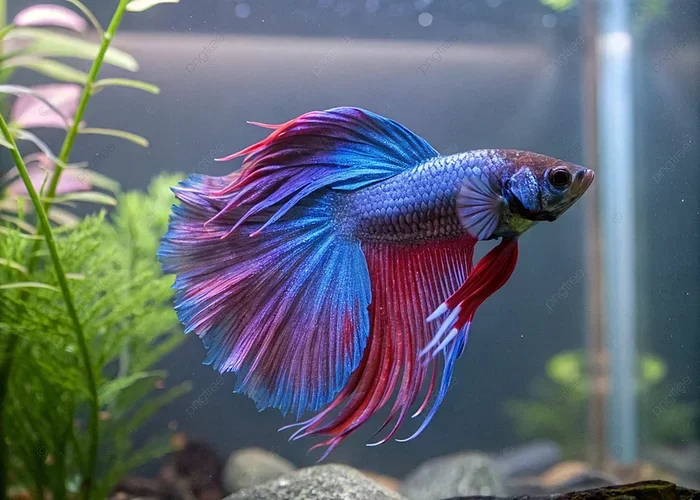
Betta fish, also known as Siamese fighting fish, originate from the warm, shallow waters of Southeast Asia. Think rice paddies, slow-moving streams, and floodplains in Thailand, Cambodia, and Vietnam. These environments are consistently warm, often ranging between 76°F and 82°F (24°C–28°C). The water is typically soft, slightly acidic, and relatively still.
Over centuries of evolution, bettas have adapted to breathe air directly from the surface using a special organ called a labyrinth organ. This allows them to survive in oxygen-poor water, but it doesn’t mean they thrive in poor conditions. Bettas are hardy in some ways, but they are very particular about their environment in others.
Temperament and Behavior
Bettas are known for their bold, territorial personalities. Male bettas, in particular, are aggressive toward other males and will flare their gills, spread their fins, and attack perceived rivals. This is why you should never house two male bettas together. Even female bettas can be feisty, though they can sometimes live in groups called sororities under the right conditions.
When it comes to other species, bettas can be unpredictable. Some bettas are relatively peaceful and ignore tank mates, while others will chase, nip, and attack anything that moves. Their long, flowing fins make them both beautiful and vulnerable — other fish may see those fins as an invitation to nip.
Ideal Tank Conditions for Bettas
To keep a betta healthy and happy, you need to replicate their natural environment as closely as possible. Here are the key parameters:
- Temperature: 76°F–82°F (24°C–28°C) — a heater is essential
- pH level: 6.5–7.5
- Tank size: Minimum 5 gallons, though 10 gallons is better
- Filtration: Gentle flow — bettas don’t like strong currents
- Water changes: 25–30% weekly
Bettas also need plenty of hiding spots, live or silk plants, and a calm environment. They are solitary fish by nature and prefer having their own space.
Understanding the Goldfish: A Cold-Water Mess Maker
Natural Habitat and Origins
Goldfish are descendants of the Prussian carp, originally domesticated in China over a thousand years ago. Unlike bettas, goldfish are cold-water fish that thrive in temperatures between 65°F and 72°F (18°C–22°C). They are incredibly adaptable and can survive in a wide range of conditions, but that doesn’t mean they’re easy to care for.
One of the biggest misconceptions about goldfish is that they can live happily in small bowls. This is completely false. Goldfish grow much larger than most people expect — common goldfish can reach 10–12 inches — and they produce an enormous amount of waste. A single common goldfish needs at least a 20-gallon tank, and fancy goldfish varieties need a minimum of 10–20 gallons each.
Temperament and Behavior
Goldfish are generally peaceful, social, and slow-moving. They are not aggressive by nature, but they are curious and will nibble on things — including the long, flowing fins of a betta fish. Goldfish are also voracious eaters and will consume anything that fits in their mouths, which can create competition for food in a shared tank.
Because goldfish are so much slower than bettas, they can’t escape an aggressive betta. And because they’re so much messier, they can quickly degrade water quality in a way that harms a betta.
Ideal Tank Conditions for Goldfish
Goldfish have very different requirements from bettas:
- Temperature: 65°F–72°F (18°C–22°C) — no heater needed in most homes
- pH level: 7.0–7.4
- Tank size: Minimum 20 gallons for one common goldfish, 10–20 gallons for fancy varieties
- Filtration: Strong filtration is critical due to high waste production
- Water changes: 25–50% weekly, sometimes more
Goldfish also need plenty of swimming space and benefit from having other goldfish as companions. They are social fish that do well in groups.
Why Betta Fish and Goldfish Are Incompatible Tank Mates
The Temperature Problem
This is the single biggest reason you cannot put a betta fish and goldfish together. Bettas need warm water — at least 76°F — to maintain their immune system, digestion, and overall health. Goldfish, on the other hand, prefer cooler water and can become stressed, overheated, and prone to illness at temperatures above 74°F.
If you set the tank to the betta’s preferred temperature, the goldfish will suffer. If you set it to the goldfish’s preferred temperature, the betta will become sluggish, lose its appetite, and become vulnerable to diseases like fin rot and ich. There is no middle ground that works for both species. It’s a zero-sum game, and both fish lose.
Dietary Incompatibility
Bettas are carnivores. Their diet should consist primarily of high-protein foods like bloodworms, brine shrimp, and quality betta pellets. They need protein-rich nutrition to maintain their energy, color, and fin health.
Goldfish are omnivores with a very different nutritional profile. They require a more plant-based diet with vegetables, algae, and goldfish-specific flakes or pellets. Goldfish food is much lower in protein and higher in carbohydrates than what a betta needs.
If you feed betta food to a goldfish, the goldfish may not get enough fiber and plant matter. If you feed goldfish food to a betta, the betta won’t get enough protein and will slowly starve or develop health problems. You can’t feed both fish properly in the same tank. For more on this topic, check out our article on whether a betta fish can eat goldfish food.
Temperament and Aggression
Bettas are territorial and can be aggressive, especially toward fish with long, flowing fins or bright colors. A betta may see a fancy goldfish as a rival and attack it. Even if the betta doesn’t attack outright, the constant stress of having a tank mate in its territory can weaken its immune system over time.
Goldfish, while peaceful, can be fin nippers. Their curious, nibbling nature means they may bite at a betta’s beautiful fins, causing tears, infections, and severe stress. A betta with damaged fins is vulnerable to fungal and bacterial infections that can be fatal.
The combination of a potentially aggressive betta and a slow, nibbling goldfish is a dangerous mix. Neither fish can defend itself effectively, and both will suffer from chronic stress.
Water Quality and Waste Production
Goldfish are notoriously messy. They produce a huge amount of waste relative to their size, which leads to rapid ammonia and nitrite spikes in the water. Bettas are sensitive to poor water quality and can quickly develop health problems in a dirty tank.
Even with a powerful filter, keeping up with the waste production of a goldfish in a tank small enough for a betta is extremely challenging. You would need to perform water changes almost daily to keep the water safe for the betta, which is stressful for both fish and impractical for most keepers.
Tank Size Requirements
Bettas need a minimum of 5 gallons, while goldfish need a minimum of 20 gallons for a single fish. There’s no tank size that adequately meets the needs of both species. A 20-gallon tank is too large and open for a betta’s comfort (they prefer smaller, well-decorated spaces), and a 5-gallon tank is far too small for a goldfish.
Even if you had a very large tank, the other incompatibilities — temperature, diet, temperament, and water quality — would still make cohabitation impossible.
What Happens If You Put Them Together Anyway?
Some people ignore the warnings and put a betta fish and goldfish together anyway. Here’s what typically happens:
- Within days: One or both fish show signs of stress — loss of appetite, hiding, clamped fins, or erratic swimming.
- Within weeks: The fish living in the wrong temperature develops health problems. The betta may get ich or fin rot if the water is too cold. The goldfish may become lethargic and develop swim bladder issues if the water is too warm.
- Within months: Chronic stress weakens the immune systems of both fish, making them susceptible to diseases that a healthy fish would normally fight off. One or both fish may die.
In rare cases, a particularly docile betta and a particularly calm goldfish might coexist for a while without obvious conflict. But “not fighting” is not the same as “thriving.” Both fish will be living in suboptimal conditions that compromise their health and lifespan. A betta can live 3–5 years with proper care; a goldfish can live 10–15 years or more. Keeping them together shortens both their lives.
Better Alternatives: What Can Live With a Betta Fish?
If you’re looking to add tank mates to your betta’s aquarium, there are much better options than goldfish. The key is choosing species that share similar water parameters, have compatible temperaments, and won’t compete with the betta for territory or food.
Some popular and generally safe betta tank mates include:
- Snails: Nerite snails and mystery snails are excellent choices. They help clean algae, don’t bother bettas, and thrive in the same warm water.
- Shrimp: Cherry shrimp and Amano shrimp can work, though some bettas may see them as snacks. Heavily planted tanks give shrimp places to hide.
- Corydoras catfish: These peaceful bottom dwellers stay out of the betta’s way and prefer similar water temperatures.
- Ember tetras: Small, fast, and non-aggressive, these schooling fish can coexist with bettas in a 10-gallon or larger tank.
- Kuhli loaches: These quirky, eel-like fish are peaceful, nocturnal, and enjoy the same warm water as bettas.
Before adding any tank mate, always research the specific species and monitor the tank closely for signs of aggression or stress. Every betta has a unique personality, and what works for one may not work for another. For a more detailed guide, visit our article on which fish can live with a betta.
Setting Up Separate Tanks: The Best Solution
If you love both bettas and goldfish — and honestly, who doesn’t? — the best solution is to set up separate tanks for each species. This allows you to provide the ideal environment for both fish and enjoy their unique personalities without compromising their health.
Betta Tank Setup
A proper betta tank should be at least 5 gallons (10 gallons is ideal), heated to 76°F–82°F, and equipped with a gentle filter. Add silk or live plants, a cave or two for hiding, and a substrate of your choice. Perform weekly water changes of 25–30% and feed a high-protein betta diet.
Goldfish Tank Setup
A goldfish tank should be at least 20 gallons for a single common goldfish or 10–20 gallons for a fancy variety. Use a powerful filter to handle the heavy waste load, and perform weekly water changes of 25–50%. Feed a varied goldfish diet with pellets, vegetables, and occasional treats. Keep the temperature between 65°F and 72°F.
Yes, maintaining two tanks requires more space, time, and money. But it’s the only way to ensure both fish live long, healthy, happy lives. And once you see your betta flaring its fins in a perfectly heated tank and your goldfish swimming happily in cool, clean water, you’ll know it was worth it.
Frequently Asked Questions About Bettas and Goldfish
Even after reading all of this, you might still have questions. Let’s address some of the most common ones.
Can a betta fish kill a goldfish?
Yes, it’s possible. A betta may attack a goldfish, especially if the goldfish has long, flowing fins or bright colors that trigger the betta’s territorial instincts. Even if the betta doesn’t kill the goldfish outright, the stress and injuries from attacks can lead to infections and death.
Can a goldfish kill a betta fish?
While goldfish aren’t typically aggressive, they can injure a betta by nipping at its fins. Damaged fins can become infected, and the stress of constant harassment can weaken the betta’s immune system. In a shared tank, the goldfish’s waste production can also poison the betta through poor water quality.
What temperature is safe for both betta fish and goldfish?
There is no temperature that is truly safe and healthy for both species. The overlap between a betta’s preferred range (76°F–82°F) and a goldfish’s preferred range (65°F–72°F) is minimal, and even at the edges of these ranges, one or both fish will be stressed and unhealthy.
Final Thoughts: Keep Them Separate, Keep Them Happy
So, can you put a betta fish and goldfish together? The answer is a clear and resounding no. These two species have fundamentally different needs when it comes to water temperature, diet, tank size, temperament, and water quality. Trying to house them together compromises the health and well-being of both fish.
The good news is that both bettas and goldfish are wonderful pets when kept in the right conditions. A betta in a warm, well-maintained tank is a stunning, interactive fish that can recognize its owner and even learn tricks. A goldfish in a spacious, clean aquarium is a charming, long-lived companion that brings joy for years.
Rather than trying to force an impossible pairing, give each fish the home it deserves. Set up a proper betta tank and a proper goldfish tank, and you’ll be rewarded with two healthy, thriving pets. Your fish will thank you — in their own quiet, underwater way.
If you’re still unsure about the best setup for your betta or want to explore compatible tank mates, check out our comprehensive guide on putting a betta fish with other fish for expert advice and recommendations.
Frequently Asked Questions
Can a betta fish and goldfish live in the same tank?
No, betta fish and goldfish should not live in the same tank. They have completely different temperature requirements, dietary needs, and temperaments that make cohabitation harmful to both species.
What temperature do betta fish need compared to goldfish?
Betta fish need warm water between 76°F and 82°F, while goldfish thrive in cooler water between 65°F and 72°F. There is no comfortable middle-ground temperature that works for both species.
Will a betta fish attack a goldfish?
It’s very possible. Bettas are territorial and may attack fish with long fins or bright colors. Even if direct attacks don’t occur, the stress of sharing space with a betta can seriously harm a goldfish.
Can goldfish eat betta fish food?
Goldfish can physically eat betta food, but it doesn’t meet their nutritional needs. Goldfish require a more plant-based diet with lower protein content, while betta food is designed for carnivores.
What fish can I put with a betta instead of a goldfish?
Good betta tank mates include snails, shrimp, corydoras catfish, ember tetras, and kuhli loaches. These species share similar water parameters and are peaceful enough to coexist with a betta.
How big of a tank does a goldfish need?
A single common goldfish needs at least a 20-gallon tank, while fancy goldfish varieties need a minimum of 10–20 gallons. Goldfish grow large and produce significant waste, so spacious tanks with strong filtration are essential.