How Many Hours of Light Does a Betta Fish Need
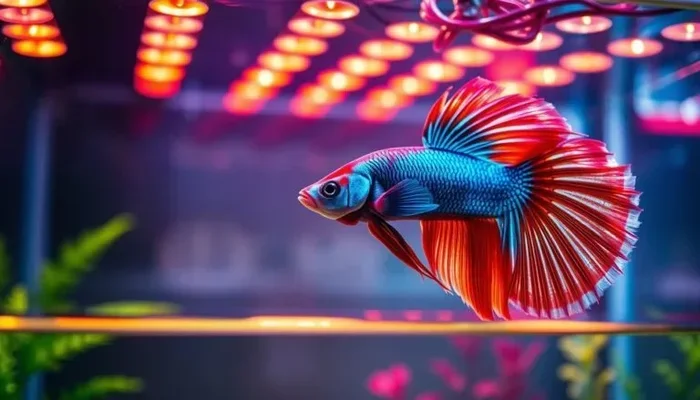
Betta fish need about 8 to 12 hours of light per day to stay healthy and happy. A consistent light cycle mimics their natural habitat and supports their circadian rhythm. Too much or too little light can cause stress, poor sleep, and even health problems for your betta.
If you own a betta fish or are thinking about getting one, you might wonder about something simple but super important. How many hours of light does a betta fish actually need? It is not just about making your tank look pretty. The right amount of light affects your betta’s sleep, mood, appetite, and overall health.
Betta fish lighting is one of those things that new fish owners often overlook. But here is the truth. Getting the light schedule right can make a huge difference in how long and how well your betta lives. In this guide, we will break down everything you need to know about setting up the perfect light routine for your betta fish tank.
Whether you are a complete beginner or have had bettas for a while, this article will help you understand what your fish really needs. We will cover the ideal hours, the best types of light, and the most common mistakes people make with their aquarium light setup. Let us get into it.
Key Takeaways
- 8 to 12 hours of light daily: This is the ideal range for a betta fish to maintain a healthy day-night cycle.
- Consistency matters most: Keeping a regular schedule helps your betta feel secure and reduces stress.
- Avoid direct sunlight: It can overheat the tank and cause algae blooms that harm water quality.
- Use a timer: An aquarium light timer ensures your betta gets the right amount of light every single day.
- Nighttime darkness is essential: Betta fish need complete darkness to sleep properly and stay healthy.
- LED lights work best: They provide the right spectrum without generating excess heat.
- Watch for signs of light stress: Clamped fins, hiding, or loss of color can signal your betta is getting too much or too little light.
📑 Table of Contents
Why Light Matters for Betta Fish
Just like humans, betta fish follow a natural day-night cycle. This cycle is called the circadian rhythm. It tells their body when to be active, when to eat, and when to rest. Without a proper light schedule, this rhythm gets thrown off. And a disrupted rhythm leads to a stressed fish.
What does a betta fish need when it comes to light? The answer comes down to a few key factors. First, bettas come from warm, slow-moving waters in Southeast Asia. In their natural habitat, they experience roughly 12 hours of daylight and 12 hours of darkness. But in a home aquarium, you do not need to copy this exactly. A slightly shorter light period works great.
Light also plays a role in your betta’s color. Ever notice how a healthy betta looks almost glowing? That vibrancy is partly thanks to a proper light cycle. Without enough light, your betta may look dull. Too much light, on the other hand, can cause stress and fade their colors over time.
The Connection Between Light and Betta Behavior
Have you ever noticed your betta acting weird at certain times of the day? Maybe it is extra active when the lights turn on and sluggish when it gets dark. That is not a coincidence. Light and betta behavior are closely linked.
When the lights come on, bettas tend to become more alert. They swim around, explore their tank, and get ready to eat. When the lights go off, they start to wind down. Some bettas even find a favorite spot to rest for the night. If the light schedule is inconsistent, you might notice your betta swimming erratically or hiding more than usual.
How Many Hours of Light Does a Betta Fish Need
The short answer is 8 to 12 hours of light per day. But the sweet spot for most betta owners is around 8 to 10 hours. This gives your fish enough light to stay active and maintain healthy colors, while also giving them plenty of time to rest.
How big of a tank does a betta fish need is a common question, but the light needs are similar no matter the tank size. A small bowl or a large planted tank both benefit from the same light schedule. What changes is the type and intensity of the light you use.
Breaking Down the Ideal Light Schedule
Here is a simple way to think about it. Imagine your day starts when you wake up and ends when you go to bed. Your betta’s light schedule should follow a similar pattern.
- Morning: Turn the lights on when you wake up, or set a timer to turn them on around 7 or 8 AM.
- Daytime: The aquarium stays lit for 8 to 10 hours.
- Evening: Turn the lights off around 7 or 8 PM.
- Nighttime: The tank stays dark for 12 to 14 hours while your betta sleeps.
This routine is easy to follow and keeps things predictable for your fish. Bettas thrive on consistency. If you keep the same schedule every day, your betta will know exactly when to be active and when to rest.
Can You Leave the Light On 24 Hours a Day?
No. Please do not leave the light on all the time. Some beginners think more light means a happier fish. That is a myth. Leaving the light on 24/7 can cause serious problems.
First, your betta will never get to rest. Fish need darkness to sleep properly. Without it, they become exhausted and their immune system weakens. Second, constant light promotes algae growth. Green algae can take over your tank fast and make the water quality worse. Third, too much light stresses your betta out, which can lead to diseases and a shorter lifespan.
What Happens With Too Little Light?
On the flip side, not enough light is also a problem. If your betta stays in a dark room all the time, you will notice a few things. Their colors may fade. They might become less active and lose interest in food. In some cases, they can even develop a weakened immune system.
If your room does not get much natural light, a simple aquarium light on a timer solves the problem easily. You do not need anything fancy. Even a basic LED light works well for most betta tanks.
Best Types of Light for a Betta Fish Tank
Not all lights are created equal. The type of light you choose for your betta tank matters more than you might think. Let us look at the most common options and what works best.
LED Lights
LED aquarium light options are the top choice for most betta owners. They are energy-efficient, produce very little heat, and come in a range of colors and brightness levels. Many LED lights also have built-in timers, which makes setting up a schedule super easy.
When shopping for an LED light, look for one that offers full-spectrum lighting. This mimics natural sunlight and brings out the beautiful colors of your betta’s fins. You do not need to spend a fortune on this. There are plenty of affordable LED lights that work great for betta tanks.
Fluorescent Lights
Fluorescent lights are another option. They are commonly found in standard aquarium hoods. These lights work well and are widely available. However, they tend to produce more heat than LEDs. If your tank is small, this extra heat can raise the water temperature, which is something you want to avoid for bettas.
Incandescent Lights
We do not recommend incandescent lights for betta tanks. They generate a lot of heat and are not energy-efficient. The excess heat can fluctuate the water temperature and create an unhealthy environment for your fish. Skip this option and go with LED instead.
Natural Light From Windows
You might be tempted to place your betta tank near a window for natural light. While this sounds nice, it comes with risks. Direct sunlight can cause the water temperature to spike quickly. It also leads to rapid algae growth, which clouds the water and makes the tank look messy.
If you want to use natural light, place the tank near a window that gets indirect sunlight only. And even then, you should still use an artificial light on a timer to keep the schedule consistent.
Setting Up the Perfect Light Schedule
Now that you know how many hours of light your betta needs, let us talk about how to actually set it up. A good setup takes the guesswork out of things and keeps your betta healthy.
Use a Light Timer
The easiest way to maintain a consistent schedule is with an aquarium light timer. These small devices plug in between your light and the outlet. You set the on and off times, and the timer handles the rest.
Light timers are inexpensive and widely available. They take the pressure off you to remember to flip the switch every day. And consistency is the most important part of a good light schedule for betta fish.
Adjust for Your Room’s Natural Light
Think about where your tank is placed. If the room already gets a lot of natural light during the day, you might need less artificial light. If the room is dark most of the time, you will rely more on your aquarium light.
The goal is to hit that 8 to 10 hour total of light per day. Count both natural and artificial light together. If your room gets bright morning sun for two hours, you can set your aquarium light for 8 hours and your betta will be perfectly fine.
Watch How Your Betta Responds
Every betta is a little different. Some are more sensitive to light than others. Pay attention to how your fish behaves after you set up the schedule. Is it active during the day? Does it rest peacefully at night? These are good signs that your light routine is working.
If your betta seems stressed, try adjusting the timing slightly. Some fish prefer a shorter light period, while others do fine with 12 hours. It is all about finding what works best for your specific fish.
Common Mistakes With Betta Fish Lighting
Even experienced fish owners sometimes make mistakes with their lighting setup. Here are the most common ones to avoid.
Using the Wrong Bulb
Not every bulb is suitable for a betta tank. Bulbs that are too bright can stress your fish. Bulbs that are too dim can make the tank look dull and fail to support a healthy day-night cycle. Stick with LED or fluorescent lights designed for aquarium use.
Forgetting to Turn the Lights Off
This one happens more often than you would think. Life gets busy, and it is easy to forget to turn off the aquarium light at night. That is exactly why a timer is so helpful. It removes the need to remember and keeps the schedule steady.
Placing the Tank in Direct Sunlight
We touched on this earlier, but it is worth repeating. Direct sunlight causes temperature swings and algae blooms. Both of these are harmful to betta fish. Keep the tank in a spot with indirect or filtered light instead.
Ignoring the Nighttime Period
Some people think bettas do not need darkness at all. That is wrong. Betta fish need a dark period to sleep and recover. Without it, they become fatigued and more prone to illness. Always give your betta at least 12 hours of darkness each night.
How Light Affects Betta Fish Health
The connection between light and betta health goes deeper than just behavior. Proper lighting supports your fish’s immune system, digestion, and even their ability to breed.
When a betta is kept under the right light schedule, it tends to eat better, swim more actively, and display brighter colors. The light helps regulate their internal clock, which in turn supports all of their bodily functions.
On the other hand, poor lighting can lead to a range of health issues. Stress from too much light weakens the immune system and makes your betta vulnerable to infections. Lack of light can cause lethargy and a loss of appetite. Both extremes are avoidable with a simple, well-planned light schedule.
If you are also wondering about how to take care of a betta fish in general, lighting is one of the foundational pieces. Combined with proper water temperature, clean water, and a good diet, the right light schedule sets your betta up for a long and healthy life.
Light and the Betta Sleep Cycle
You might be curious about how bettas sleep. Unlike humans, bettas do not close their eyes. Instead, they find a quiet spot and become still. Their color may fade slightly, and their fins may droop. This is completely normal.
For this sleep cycle to work properly, the tank needs to be dark and quiet at night. If there is too much light or sudden changes in lighting, your betta may struggle to fall asleep or stay asleep. Over time, poor sleep leads to stress and health decline.
Expert Tips for Perfect Betta Lighting
Here are some extra tips from experienced betta keepers to help you get the lighting just right.
- Start with a simple schedule. Set your light for 8 hours on and 16 hours off. You can adjust from there based on how your betta responds.
- Use a dimmer if possible. Some LED lights come with dimming options. This lets you fine-tune the brightness to match your betta’s comfort level.
- Keep the light above the tank, not beside it. Light from above mimics the sun and creates a more natural environment for your fish.
- Clean the tank glass regularly. Algae buildup on the glass can block light and make the tank darker than intended. A quick wipe during water changes keeps things clear.
- Do not change the schedule suddenly. If you need to adjust the timing, do it gradually over a few days. Sudden changes can shock your betta and disrupt their routine.
For more general care tips, check out our guide on how to take care of a betta fish. It covers everything from lighting to feeding to water changes.
Conclusion
Getting the light right for your betta fish is simpler than it might seem. The key is consistency. Aim for 8 to 12 hours of light per day, use a good aquarium light, and always give your betta a period of darkness to rest. Avoid common pitfalls like direct sunlight and leaving the light on overnight.
How many hours of light does a betta fish need? Now you know the answer. Eight to ten hours is the sweet spot for most bettas, but the real magic happens when you stick to a regular schedule every single day. Your betta will thank you with vibrant colors, active swimming, and a longer, healthier life.
Take a few minutes today to set up or review your light schedule. It is one of the easiest things you can do to improve your betta’s well-being. And once you have it dialed in, you will notice the difference in your fish almost immediately. Happy fishkeeping.
Frequently Asked Questions
Can I use a regular household lamp to light my betta tank?
It is not recommended. Household lamps are not designed for aquarium use and may not provide the right spectrum of light. They can also generate too much heat. Stick with a dedicated aquarium LED light for the best results.
Do betta fish need light at night?
No. Betta fish need darkness at night to sleep and recover. Leaving a light on overnight can disrupt their sleep cycle and cause stress. If you want to see your tank at night, use a dim blue moonlight bulb designed for aquariums.
What happens if I give my betta too much light?
Too much light can cause stress, loss of appetite, and sleep problems. It also promotes rapid algae growth, which can degrade water quality. Always follow the 8 to 12 hour light guideline and use a timer to keep things consistent.
Do bettas need a light if the tank is near a window?
Even if your tank is near a window, it is best to use an artificial light on a timer. Natural light is inconsistent and can cause temperature spikes and algae problems. An aquarium light gives you full control over the schedule.
How do I know if my betta is getting the right amount of light?
A healthy betta will be active during light hours and rest peacefully during dark hours. Their colors should be vibrant, and they should have a good appetite. If your betta is hiding, lethargic, or showing faded colors, the light schedule may need adjusting.
Can I change my betta’s light schedule suddenly?
No. Sudden changes in the light schedule can stress your betta. If you need to adjust the timing, do it gradually over several days. Move the on and off times by 30 minutes each day until you reach the desired schedule.