Can I Give My Goldfish Betta Fish Food

Can you feed betta fish food to your goldfish? While it won’t cause immediate harm, it’s not ideal for long-term health. Goldfish and bettas have very different nutritional needs. Goldfish need more plant-based fiber, while bettas require high-protein meals. Feeding the wrong food regularly can lead to digestive issues, malnutrition, and a shortened lifespan for either fish. It’s best to give each species the food designed specifically for them.
[FEATURED IMAGE_PLACEHOLDER]
Key Takeaways
- Different diets matter: Bettas are carnivores needing high-protein food, while goldfish are omnivores requiring more plant-based nutrition.
- Short-term feeding is okay: If you accidentally give your goldfish betta food once or twice, it won’t cause serious harm.
- Long-term feeding causes problems: Regularly feeding betta food to goldfish can lead to malnutrition, swim bladder issues, and digestive problems.
- Protein levels differ: Betta food typically contains 40-50% protein, while goldfish food has around 30-35% with more fiber.
- Food size matters: Betta pellets are smaller and may be harder for goldfish to eat properly.
- Keep foods separate: Store betta food and goldfish food in clearly labeled containers to avoid mix-ups.
- Monitor your fish: Watch for signs of digestive distress like bloating, constipation, or unusual swimming patterns after feeding.
📑 Table of Contents
- Can I Give My Goldfish Betta Fish Food?
- Understanding the Dietary Differences Between Bettas and Goldfish
- What Happens When You Feed Betta Food to Goldfish?
- Can Goldfish Eat Betta Food in an Emergency?
- Feeding Both Bettas and Goldfish in the Same Household
- Choosing the Right Food for Each Species
- Common Mistakes Fish Keepers Make with Food
- Frequently Asked Questions About Fish Food
- Conclusion
Can I Give My Goldfish Betta Fish Food?
You’re standing in your fish room, staring at two containers of fish food. One says “Betta Food” and the other says “Goldfish Food.” You’re wondering if it really matters which one goes to which fish. Maybe you ran out of goldfish food and only have betta pellets. Or maybe you’re thinking about getting both types of fish and want to simplify your feeding routine.
It’s a common question that many fish keepers ask. The short answer is that you can technically give your goldfish betta fish food in an emergency. But should you make it a regular habit? Absolutely not. These two fish have very different digestive systems and nutritional needs. Feeding them the wrong food over time can cause serious health problems.
In this article, we’ll break down exactly why betta food and goldfish food are different. We’ll explore what happens when you mix them up, and give you practical tips for keeping both fish healthy. Whether you’re a beginner or an experienced aquarist, understanding fish nutrition is one of the most important things you can learn.
Understanding the Dietary Differences Between Bettas and Goldfish
Bettas Are Carnivores
Betta fish, also known as Siamese fighting fish, are natural carnivores. In the wild, they live in shallow rice paddies and slow-moving streams in Southeast Asia. Their diet consists mainly of insects, insect larvae, and tiny crustaceans. Their digestive systems are designed to process high-protein, meat-based foods efficiently.
Because of this, betta fish food is formulated with protein levels between 40% and 50%. The primary ingredients are usually fish meal, shrimp meal, or other animal proteins. Betta pellets are small, dense, and designed to sink slowly so bettas can catch them near the water surface.
Goldfish Are Omnivores
Goldfish, on the other hand, are omnivores. They eat both plant matter and small organisms in their natural environment. Their digestive tracts are longer than bettas’, which allows them to break down fibrous plant material more effectively.
Goldfish food typically contains around 30% to 35% protein, with a higher proportion of plant-based ingredients like wheat, soy, and spirulina. Goldfish also need more fiber in their diet to prevent digestive issues like constipation and swim bladder disease, which are common problems in fancy goldfish varieties.
Why the Difference Matters
Think of it this way: feeding betta food to your goldfish is like feeding a salad to a cat. Cats need meat, and while they might nibble on greens occasionally, a plant-heavy diet would make them sick. Similarly, goldfish can eat protein, but too much without enough fiber causes problems in their longer digestive tracts.
The reverse is also true. If you’re curious about the flip side of this question, check out our article on can a goldfish eat betta fish food for a deeper dive into that specific scenario.
What Happens When You Feed Betta Food to Goldfish?
Short-Term Effects
If you accidentally give your goldfish a few betta pellets, don’t panic. A single feeding won’t cause any noticeable harm. Your goldfish will likely eat the pellets without any immediate issues. The problem arises when this becomes a regular occurrence.

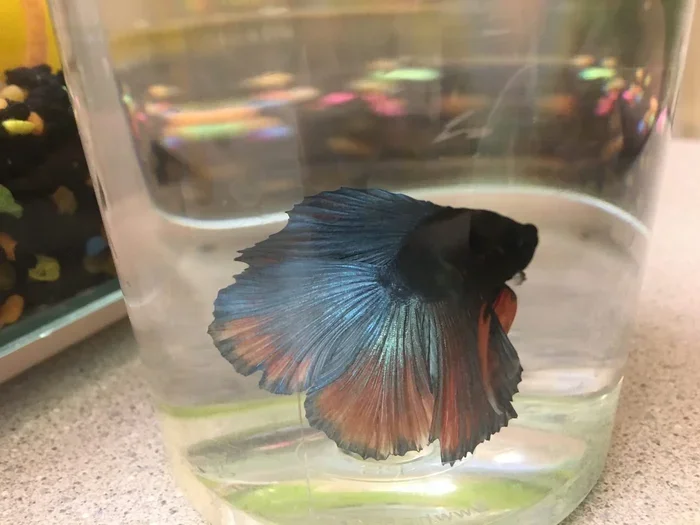
Visual guide about Can I Give My Goldfish Betta Fish Food
Image source: img.srkyxk.com
In the short term, you might notice your goldfish seems a bit more bloated than usual. This is because betta food is more protein-dense and harder for goldfish to digest properly. A day or two of this won’t hurt, but it’s not something you want to repeat.
Long-Term Health Consequences
When goldfish are fed betta food consistently, several health problems can develop. The high protein content puts stress on their kidneys and liver. Goldfish aren’t designed to process that much animal protein efficiently. Over time, this can lead to organ damage.
Another major concern is swim bladder disease. Goldfish are already prone to this condition, especially fancy varieties like Orandas and Ryukins. A diet too high in protein and too low in fiber makes constipation more likely, which directly affects the swim bladder. You’ll notice your goldfish swimming sideways, floating upside down, or struggling to maintain its position in the water.
Additionally, the lack of plant-based nutrients means your goldfish won’t get enough vitamins and minerals that come from ingredients like spirulina and wheat germ. This can lead to a weakened immune system, making your fish more susceptible to diseases like fin rot and ich.
Signs Your Goldfish Is Eating the Wrong Food
Watch for these warning signs that your goldfish’s diet isn’t meeting its needs:
- Bloating or swollen belly: This often indicates constipation or digestive distress.
- Stringy white feces: A sign of internal digestive issues.
- Lethargy: Your goldfish may become less active and spend more time at the bottom of the tank.
- Loss of color: Poor nutrition can cause your goldfish’s vibrant colors to fade.
- Swimming difficulties: Trouble maintaining buoyancy is a red flag for swim bladder problems.
- Refusing food: Sometimes fish instinctively reject food that doesn’t agree with them.
If you notice any of these symptoms, it’s time to reassess what you’re feeding. You might also want to read our guide on how to tell if your betta fish is sick, as many of the warning signs overlap between species.
Can Goldfish Eat Betta Food in an Emergency?
When You Run Out of Goldfish Food
Life happens. Maybe you forgot to buy goldfish food at the store. Maybe your shipment got delayed. Maybe you just moved and everything is still packed in boxes. In these situations, giving your goldfish a small amount of betta food is perfectly fine as a temporary solution.

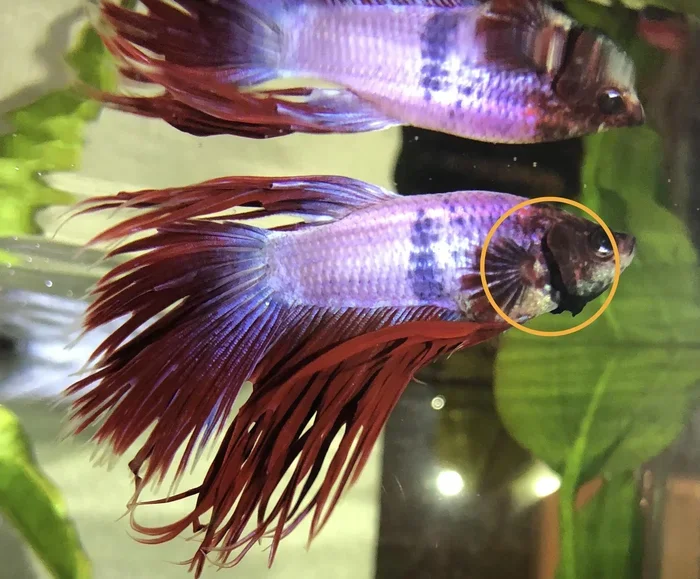
Visual guide about Can I Give My Goldfish Betta Fish Food
Image source: img2.safereactor.cc
The key word here is temporary. One or two feedings of betta food won’t harm your goldfish. Just make sure you get proper goldfish food as soon as possible. Think of it like eating fast food when you can’t cook at home. It’s not ideal, but it won’t ruin your health if it’s just once in a while.
Better Emergency Alternatives
If you have neither goldfish food nor betta food, there are some household items you can use temporarily. Blanched peas are actually one of the best emergency foods for goldfish. They’re high in fiber and can help prevent constipation. Just remove the outer skin before feeding.
Other options include small pieces of blanched lettuce, spinach, or zucchini. You can also offer tiny bits of boiled egg yolk, though this should be used sparingly since it can cloud the water quickly.
For protein, you might have frozen brine shrimp or bloodworms in your freezer. These are actually excellent for goldfish in small quantities. Just make sure they’re thawed before feeding.
How Long Can Goldfish Go Without Proper Food?
Goldfish are surprisingly hardy. They can survive for up to two weeks without food, though this isn’t recommended. If you’re in a pinch, a few days without their ideal diet won’t cause lasting harm. However, prolonged poor nutrition will catch up with them eventually.
The best approach is to plan ahead. Keep an extra container of goldfish food on hand so you never run out. If you’re looking for reliable sources, our article on where to buy quality fish food can help you find trusted suppliers.
Feeding Both Bettas and Goldfish in the Same Household
Keeping Foods Organized
If you keep both bettas and goldfish, organization is crucial. It’s easy to grab the wrong container, especially if you’re feeding multiple tanks in one session. Here are some tips to avoid mix-ups:
- Label everything clearly: Use a permanent marker to write “BETTA” and “GOLDFISH” on your food containers.
- Store them in different locations: Keep betta food near your betta tank and goldfish food near your goldfish tank.
- Use different container shapes: If possible, store each type of food in a distinctly different container so you can tell them apart by touch.
- Set phone reminders: If you feed different foods on different schedules, set reminders on your phone.
Feeding Time Strategies
When it’s time to feed your fish, develop a routine. Always feed one species first, then the other. This reduces the chance of accidentally using the wrong food. Some fish keepers even use different colored spoons or scoops for each type of food.
Another helpful strategy is to feed at different times of day. For example, feed your bettas in the morning and your goldfish in the evening. This creates a natural separation that makes mistakes less likely.
Can Bettas and Goldfish Live Together?
This brings up an important related question. Some fish keepers wonder if they can house bettas and goldfish in the same tank to simplify feeding. The answer is generally no. These fish have very different temperature requirements, temperaments, and environmental needs.
Bettas prefer warmer water between 76°F and 82°F, while goldfish thrive in cooler water between 65°F and 72°F. Goldfish also produce a lot more waste than bettas, which can quickly pollute the water. And bettas may attack goldfish with flowing fins, mistaking them for rival bettas.
If you’re considering tank mates for your betta, it’s much better to choose species that share similar water parameters. Our guide on what fish can live with bettas will help you find compatible companions.
Choosing the Right Food for Each Species
What to Look for in Betta Food
When shopping for betta food, check the ingredient list. The first ingredient should be a high-quality protein source like fish meal, shrimp meal, or krill. Avoid foods with excessive fillers like wheat or corn as the primary ingredient.
Good betta food should contain:
- At least 40% protein
- Minimal fillers and artificial colors
- Natural color enhancers like astaxanthin
- A mix of pellets and freeze-dried options for variety
Popular betta food brands include Hikari Betta Bio-Gold, Omega One Betta Pellets, and Fluval Bug Bites Betta Formula. Each offers a slightly different nutritional profile, so you might want to rotate between brands occasionally.
What to Look for in Goldfish Food
Quality goldfish food should have a more balanced ingredient profile. Look for foods that list fish meal or soybean meal as the first ingredient, followed by wheat germ, spirulina, and other plant-based components.
Good goldfish food should contain:
- 30-35% protein
- 5-10% fiber
- Spirulina or other algae for color enhancement
- Wheat germ for easy digestion
Sinking pellets are generally better than flakes for goldfish. Flakes can cause goldfish to swallow air at the surface, which contributes to swim bladder problems. Sinking pellets encourage natural feeding behavior and reduce air ingestion.
Supplementing Their Diets
Both bettas and goldfish benefit from dietary variety. For bettas, consider offering freeze-dried bloodworms, daphnia, or brine shrimp as occasional treats. These mimic their natural diet and provide enrichment.
For goldfish, blanched vegetables like peas, lettuce, and zucchini make excellent supplements. You can also offer live foods like daphnia or small earthworms. Just remember that treats should make up no more than 10-15% of their total diet.
Understanding proper feeding amounts is also essential. Overfeeding is one of the most common mistakes fish keepers make. Learn more about appropriate portions in our article on how much food to feed your betta fish.
Common Mistakes Fish Keepers Make with Food
Using One Food for All Fish
This is probably the most common mistake. Many beginners buy one container of “tropical fish food” and feed it to everything in their aquarium. While this won’t kill your fish immediately, it’s far from optimal. Different species have evolved to eat different things, and their foods reflect those needs.
Even among tropical fish, nutritional requirements vary widely. A herbivorous pleco has very different needs than a carnivorous betta. Taking the time to research and provide species-specific food is one of the best things you can do for your fish’s long-term health.
Overfeeding
Overfeeding is another widespread problem. Fish have tiny stomachs, roughly the size of their eye. Most fish only need a few pellets or a small pinch of flakes once or twice a day. Excess food decays in the tank, releasing ammonia and nitrites that poison the water.
A good rule of thumb is to feed only what your fish can consume in about two minutes. If there’s food left over after that time, you’re feeding too much. Remove uneaten food with a net or siphon to keep the water clean.
Ignoring Expiration Dates
Fish food does expire. Over time, the vitamins and nutrients in fish food degrade, especially after the container has been opened. Most fish food is good for about six months after opening. After that, it loses nutritional value.
Store your fish food in a cool, dry place away from direct sunlight. Some keepers even store opened containers in the refrigerator to extend shelf life. Always check the expiration date before buying, and don’t purchase more food than you’ll use within a few months.
Not Observing Feeding Behavior
Feeding time is actually a great opportunity to check on your fish’s health. Watch how they eat. Are they enthusiastic? Are they spitting food out? Are they struggling to swim to the surface? These observations can tell you a lot about their overall condition.
If your betta is spitting out food repeatedly, it could indicate a problem. Our article on why betta fish spit out their food covers the common reasons and solutions.
Frequently Asked Questions About Fish Food
Can I Mix Betta Food and Goldfish Food Together?
Mixing the two foods doesn’t solve the nutritional problem. Your goldfish would still be getting too much protein and not enough fiber. It’s better to feed each species its own appropriate food rather than creating a mixture that’s wrong for both.
What If My Goldfish Already Ate Betta Food?
Don’t worry if it was just once. Your goldfish will be fine. Just return to feeding proper goldfish food at the next feeding. If you notice any digestive issues in the following days, you can offer a blanched pea to help things move along.
Are There Universal Fish Foods That Work for Everything?
Some products claim to be suitable for all tropical fish. While these won’t cause immediate harm, they’re a compromise at best. They’re formulated to be “good enough” for a wide range of species, but they’re not optimal for any specific one. For the healthiest fish, species-specific food is always the better choice.
Conclusion
So, can you give your goldfish betta fish food? Technically yes, but you really shouldn’t make it a habit. These two beautiful fish have evolved with very different dietary needs. Bettas thrive on high-protein, meat-based foods. Goldfish need a more balanced diet with plenty of plant matter and fiber.
Feeding the wrong food might seem like a small thing, but nutrition has a huge impact on your fish’s health, color, energy level, and lifespan. A well-fed fish is a happy fish, and a happy fish is a joy to watch.
The good news is that providing the right food is easy and affordable. Quality betta food and quality goldfish food are both readily available and inexpensive. A single container lasts for months. There’s really no reason to cut corners when it comes to your fish’s diet.
Take the time to learn what each of your fish needs. Buy the right food. Store it properly. Feed the right amounts. And most importantly, enjoy the process. Watching your fish thrive is one of the most rewarding parts of fish keeping.
Your fish depend on you for everything. Make sure their diet is one thing you get right.
Frequently Asked Questions
Can goldfish eat betta food once?
Yes, a single feeding of betta food won’t harm your goldfish. It’s only when betta food becomes a regular part of their diet that health problems develop. Just make sure to return to proper goldfish food at the next feeding.
What happens if I feed my goldfish betta food regularly?
Regular feeding of betta food to goldfish can cause digestive issues, swim bladder disease, organ stress from excess protein, and malnutrition from lack of plant-based nutrients. Over time, this significantly shortens their lifespan.
Is betta food toxic to goldfish?
No, betta food is not toxic to goldfish. It simply doesn’t meet their nutritional needs. The high protein content and low fiber content make it unsuitable as a staple diet, but it won’t poison your fish.
What should I do if I run out of goldfish food?
In an emergency, you can feed your goldfish blanched peas, small pieces of lettuce or spinach, or tiny bits of boiled egg yolk. You can also use betta food temporarily for a day or two until you can purchase proper goldfish food.
Can I feed my betta goldfish food?
Goldfish food is not ideal for bettas either. It lacks the high protein content bettas need and contains too many plant-based ingredients. Bettas fed goldfish food regularly may become malnourished and lose their vibrant colors.
How can I tell if my fish food has gone bad?
Fish food that has gone bad often has a rancid or unusually strong smell. It may also change color or develop mold. Most fish food is good for about six months after opening. When in doubt, throw it away and buy a fresh container.