Can Betta Fish Survive with Plants

Can betta fish survive with plants? Absolutely! In fact, live plants create a healthier, more natural environment for betta fish by improving water quality, reducing stress, and providing hiding spots. This guide covers everything you need to know about pairing betta fish with the right aquatic plants.
Key Takeaways
- Betta fish thrive with live plants: Plants mimic their natural habitat, reduce stress, and provide essential hiding places that make bettas feel secure.
- Water quality improves significantly: Live plants absorb harmful nitrates and ammonia, creating a cleaner and safer environment for your betta fish.
- Not all plants are suitable: Choose soft, flexible plants like Java fern, Anubias, and Amazon swords that won’t damage your betta’s delicate fins.
- Proper lighting and substrate matter: Some plants need specific lighting conditions and nutrient-rich substrates to grow and benefit your betta tank.
- Fake plants can work but have limitations: Silk plants are safer than plastic ones, but they don’t offer the water quality benefits that live plants provide.
- Plants help with tank cycling: Adding plants during the nitrogen cycle helps establish beneficial bacteria faster in a new betta tank.
- Compatibility with tank mates: A planted betta tank also makes it easier to introduce compatible tank mates since there are more hiding spots and territorial boundaries.
📑 Table of Contents
- Can Betta Fish Survive with Plants? The Complete Guide
- Why Plants Are Essential for Betta Fish Health
- The Best Plants for Betta Fish Tanks
- Plants to Avoid in a Betta Fish Tank
- Setting Up a Planted Betta Tank
- Benefits of a Planted Tank Beyond the Betta
- Common Mistakes When Adding Plants to a Betta Tank
- Conclusion
Can Betta Fish Survive with Plants? The Complete Guide
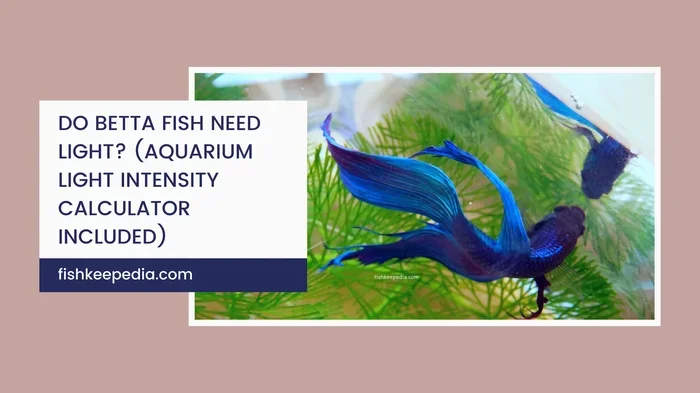
If you’ve ever watched your betta fish explore a tank full of live plants, you know how magical it looks. Those flowing fins weaving through green leaves — it’s like watching a living piece of art. But beyond the beauty, many aquarists ask an important question: can betta fish survive with plants? The short answer is not only can they survive, but they genuinely thrive when live plants are part of their environment.
Betta fish, also known as Siamese fighting fish, come from the warm, shallow waters of Southeast Asia. In the wild, they live in rice paddies, marshes, and slow-moving streams that are packed with dense vegetation. When we bring them into our homes, recreating that planted environment isn’t just a nice touch — it’s one of the best things we can do for their health and happiness. Let’s dive deep into everything you need to know about keeping betta fish with plants.
Understanding what other creatures and elements can coexist with betta fish is just as important as choosing the right plants. A well-planted betta tank opens up many possibilities for a richer, more balanced aquarium ecosystem.
Why Plants Are Essential for Betta Fish Health
Mimicking the Natural Habitat
In the wild, betta fish spend their days navigating through thick plant cover. These plants serve multiple purposes. They offer protection from predators, provide resting spots near the water surface, and create territories where bettas can feel safe. When you add plants to your betta tank, you’re giving your fish an environment that feels familiar and secure. This alone can dramatically reduce stress levels in your betta.
Stress is one of the biggest killers of betta fish in home aquariums. A stressed betta is more prone to diseases like fin rot, ich, and velvet. By providing plenty of plant cover, you create a sense of security that keeps your betta calm and healthy. Think of plants as a comfort blanket for your fish — they simply feel better when they have places to hide and explore.
Improving Water Quality Naturally
One of the most practical benefits of keeping betta fish with plants is the improvement in water quality. Live plants act as natural filters. They absorb nitrates, which are the end product of the nitrogen cycle and can be harmful to fish in high concentrations. They also take in carbon dioxide and release oxygen through photosynthesis, which helps maintain a balanced aquarium environment.
For betta fish specifically, this is incredibly important. Bettas are sensitive to poor water conditions. High nitrate levels can cause lethargy, loss of color, and weakened immune systems. By having live plants in your betta tank, you’re adding an extra layer of biological filtration that works alongside your mechanical filter. This means cleaner water, healthier fish, and fewer water changes needed over time.
Providing Resting Spots Near the Surface
Bettas are labyrinth fish, which means they have a special organ that allows them to breathe air from the water’s surface. Because of this, bettas often rest near the top of the water column. Broad-leaved plants like Amazon swords or floating plants like water lettuce give your betta perfect perching spots just below the surface.
This is more than just a convenience — it’s a health benefit. When a betta has a leaf to rest on near the surface, it doesn’t have to expend as much energy swimming up for air. This is especially important for bettas with heavy finnage like halfmoon or rosetail varieties, whose large fins can make swimming more exhausting.
The Best Plants for Betta Fish Tanks
Low-Light Plants That Are Easy to Grow
Not everyone has the time or budget for a high-tech planted tank. The good news is that many of the best plants for betta fish are incredibly low-maintenance and thrive in low-light conditions. Here are some top choices:
- Java Fern: This is arguably the easiest plant for any betta tank. Java fern doesn’t need to be planted in substrate — you can attach it to driftwood or rocks. It grows slowly, tolerates a wide range of water conditions, and its broad leaves are perfect betta resting spots.
- Anubias: Another nearly indestructible plant, Anubias comes in several varieties. Anubias Nana is the most popular for betta tanks because of its compact size. Like Java fern, it should be attached to hardscape rather than buried in substrate.
- Java Moss: This versatile moss can be used to create carpets, attached to decorations, or left floating. It provides excellent cover for betta fry if you’re breeding, and its soft texture is completely safe for delicate betta fins.
- Hornwort: A fast-growing plant that can be left floating or planted. Hornwort is excellent at absorbing excess nutrients and helps prevent algae growth in your betta tank.
Floating Plants Your Betta Will Love
Floating plants are particularly wonderful for betta fish because they replicate the shaded, covered environment that bettas prefer in the wild. Here are some excellent options:
- Water Lettuce: With its long, feathery roots dangling into the water, water lettuce provides both shade and exploration opportunities for your betta. The roots also serve as natural filtration.
- Frogbit: Similar to water lettuce but smaller, frogbit has round leaves that create a beautiful carpet on the water surface. Bettas love to weave through its root system.
- Salvinia: This floating fern is easy to grow and reproduce. Its textured leaves provide interesting surfaces for your betta to investigate.
- Red Root Floater: For those who want a pop of color, this floating plant develops red roots and leaves under good lighting. It’s a stunning addition to any planted betta tank.
Broad-Leaved Plants for Resting
Since bettas love to rest near the surface, broad-leaved plants are a must-have. The Amazon Sword is a classic choice. Its large, wide leaves are perfect for betta perching. The Cryptocoryne family also offers several broad-leaf varieties that do well in low-light conditions. These plants anchor well in substrate and grow steadily without demanding much attention.
If you’re setting up a community tank, understanding what other fish can live with betta fish becomes important. Plants help create territorial boundaries and hiding spots that reduce aggression when keeping bettas with other species.
Plants to Avoid in a Betta Fish Tank
Sharp or Rigid Plants
While betta fish benefit enormously from plants, not all plants are safe. The most important consideration is your betta’s fins. Bettas have long, flowing, delicate fins that can easily tear on sharp or rigid plant leaves. Avoid plants with sharp edges, stiff leaves, or rough textures. Some plastic plants, in particular, can be dangerous — their rigid edges can shred betta fins in seconds.
If you do use artificial plants, always choose silk plants over plastic ones. Silk plants have soft, flexible leaves that move naturally in the water current and won’t damage your betta’s fins. However, keep in mind that even the best silk plants don’t provide the water quality benefits of live plants.
Toxic Plants and Dangerous Additions
Some plants sold in aquarium shops are actually semi-aquatic or terrestrial plants that will eventually rot and die when fully submerged. These can foul your water and harm your betta. Always research before adding any plant to your tank. Plants like pothos can be used with their roots in the water and leaves above the surface, which is a great way to add natural filtration without fully submerging the plant.
Never use plants collected from outdoor ponds or natural waterways in your betta tank. These can introduce parasites, pesticides, and harmful bacteria that could seriously harm or kill your betta fish. Always purchase aquarium-safe plants from reputable sources.
Setting Up a Planted Betta Tank
Choosing the Right Substrate
For a planted betta tank, your substrate choice matters. While bettas can survive on bare bottom tanks or gravel, planted tanks need a substrate that supports root growth. Inert substrates like aquarium sand or fine gravel work well for rootless plants like Java fern and Anubias. For rooted plants like Amazon swords and crypts, consider using a nutrient-rich planted tank substrate capped with sand or gravel.
The good news is that betta fish aren’t picky about substrate. They don’t dig or rearrange their environment like some other fish species. This makes them ideal inhabitants for carefully aquascaped planted tanks where you want to maintain a specific layout.
Lighting Requirements
Most beginner-friendly plants for betta tanks do well with low to moderate lighting. A standard LED aquarium light is usually sufficient. Aim for 6-8 hours of light per day to promote plant growth without encouraging excessive algae. Using a timer for your aquarium light helps maintain a consistent schedule, which benefits both plants and fish.
Bettas don’t require intense lighting either, which makes them perfect companions for low-light plants. In fact, bettas often prefer slightly dimmer conditions with floating plants providing shade. This creates a win-win situation where both your plants and your betta are comfortable.
Fertilization and Maintenance
Low-maintenance plants like Java fern and Anubias need little to no fertilization. However, if you want faster growth or are keeping more demanding plants, liquid fertilizers designed for aquariums can be added weekly. Root tabs placed near the base of rooted plants provide targeted nutrition without affecting water chemistry significantly.
Regular maintenance of your planted betta tank includes trimming dead or decaying plant matter, removing any algae buildup, and performing regular water changes. Healthy plants will occasionally drop old leaves — simply remove these to keep the tank clean and prevent water quality issues.
Benefits of a Planted Tank Beyond the Betta
Creating a Balanced Ecosystem
A planted betta tank is more than just a fish tank — it’s a miniature ecosystem. The plants, beneficial bacteria, and fish work together in a symbiotic relationship. Plants absorb fish waste products, bacteria break down harmful compounds, and fish benefit from cleaner water and natural shelter. This balance makes the tank more stable and resilient to problems like ammonia spikes or algae blooms.
This ecosystem approach also makes it easier to introduce shrimp and other invertebrates to your tank. Cherry shrimp, Amano shrimp, and nerite snails all thrive in planted betta tanks and help with algae control and detritus cleanup.
Reducing Algae Growth
One of the most frustrating problems for any aquarium owner is algae. Live plants are one of the best natural defenses against algae growth. They compete with algae for the same nutrients — nitrates, phosphates, and light. When plants are thriving, they consume these nutrients before algae can take hold. This means less scrubbing for you and a more attractive tank overall.
Enhancing the Visual Appeal
Let’s be honest — a planted betta tank is simply stunning. The contrast between your betta’s vibrant colors and the green of live plants creates a display that rivals any professional aquarium. Whether you have a brilliant blue, deep red, or multicolored betta, live plants provide a backdrop that makes their colors pop. It’s the difference between a fish in a bowl and a living work of art.
Common Mistakes When Adding Plants to a Betta Tank
Overcrowding the Tank
More plants aren’t always better. While bettas love plant cover, they also need open swimming space. A tank that’s too densely planted can restrict your betta’s movement and make it difficult for them to reach the surface for air. Aim for about 60-70% plant coverage, leaving open areas for swimming and easy access to the surface.
Ignoring Water Parameters
Different plants have different preferences for water hardness, pH, and temperature. While most beginner plants are adaptable, it’s important to ensure your water parameters are suitable for both your betta and your plants. Bettas prefer slightly acidic to neutral water (pH 6.5-7.5) with temperatures between 76-82°F. Most common aquarium plants thrive in these same conditions.
Not Quarantining New Plants
Always quarantine or rinse new plants before adding them to your betta tank. New plants can carry snails, parasites, or harmful chemicals from pesticides used in plant farms. A quick rinse in dechlorinated water and a brief dip in a mild disinfectant solution can prevent introducing problems to your established tank.
Conclusion
So, can betta fish survive with plants? Not only can they survive — they absolutely flourish. Live plants transform a basic betta tank into a thriving, natural habitat that supports your fish’s physical and mental health. From improving water quality and reducing stress to providing resting spots and hiding places, plants are one of the best investments you can make for your betta’s well-being.
Whether you start with a simple Java fern attached to a piece of driftwood or create a lush aquascape with multiple plant species, your betta will thank you. The beauty of keeping betta fish with plants is that it’s accessible to everyone — from complete beginners to experienced aquarists. Start small, experiment with different species, and watch as your betta tank transforms into something truly special. Your betta deserves a home that mimics the wild, beautiful waters they evolved in, and plants are the key to making that happen.
Frequently Asked Questions
Can betta fish survive with plants only and no filter?
While live plants help with water filtration, a heavily planted betta tank still benefits from a gentle filter. Plants absorb nitrates but don’t replace the full biological filtration that a filter provides. A sponge filter with low flow is ideal for a planted betta tank.
Do betta fish eat aquarium plants?
Bettas are primarily carnivorous and generally don’t eat healthy aquarium plants. However, they may occasionally nibble on decaying plant matter or soft moss. This is normal behavior and won’t harm your plants as long as you remove dead leaves promptly.
Can I use fake plants instead of live ones for my betta?
Silk plants are a safe alternative to live plants and won’t damage your betta’s fins. However, they don’t provide the water quality benefits, oxygen production, or natural habitat advantages that live plants offer. Live plants are always the better choice for betta health.
How many plants does a betta fish need?
There’s no exact number, but aim for enough plant cover that your betta has multiple hiding spots and resting places. For a standard 5-gallon betta tank, 3-5 plant species with a mix of mid-ground, background, and floating plants usually works well.
Will live plants cause problems with my betta’s labyrinth organ?
No, live plants won’t interfere with your betta’s ability to breathe from the surface. In fact, plants that grow near the surface provide convenient resting spots where your betta can easily access air without swimming far. Just ensure there’s always open space at the surface for air access.
Can I keep live plants in a small betta bowl?
While some hardy plants like Java fern and Anubias can survive in small containers, bettas need at least 5 gallons of water to truly thrive. A small bowl limits plant growth and makes water quality management difficult. A proper filtered and heated tank with plants is always the best setup for a healthy betta.