Can Betta Fish See Color Change
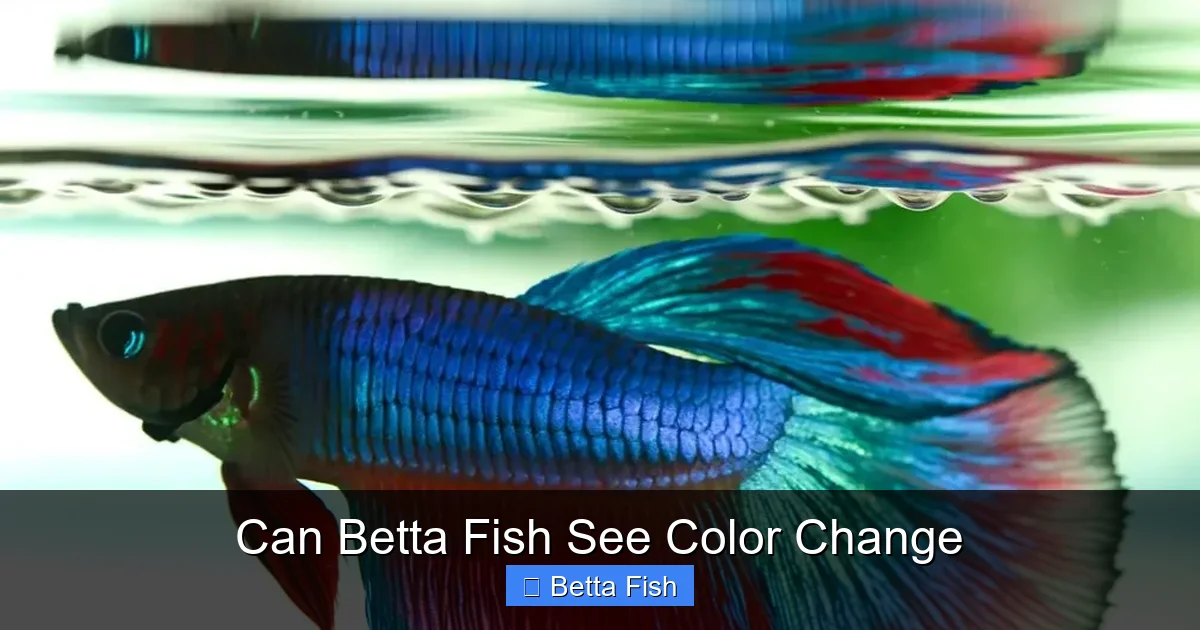
Betta fish have impressive color vision and can indeed perceive color changes in their environment. Their eyes contain specialized cone cells that allow them to see a broad spectrum of colors, including some ultraviolet wavelengths humans cannot detect. Understanding how betta fish see color change can help you create a more stimulating and comfortable habitat for your aquatic pet.
Key Takeaways
- Betta fish have excellent color vision: They possess cone cells in their retinas that allow them to perceive a wide range of colors, far more than many other freshwater fish species.
- They can detect color changes: Betta fish are capable of noticing shifts in color in their environment, including changes in tank decorations, other fish, and even their owner’s clothing.
- Ultraviolet sensitivity: Betta fish can see into the ultraviolet spectrum, giving them access to colors that are completely invisible to the human eye.
- Color plays a role in behavior: Bettas use color recognition for mating displays, territorial defense, and identifying food sources in their environment.
- Color changes in betta fish are visible to them: When a betta fish changes color due to stress, illness, or aging, other betta fish can perceive these shifts clearly.
- Lighting matters: The type of lighting in your tank significantly affects how well betta fish can see and distinguish colors in their surroundings.
- Practical applications: Understanding betta fish color vision helps owners choose better tank setups, select appropriate tank mates, and monitor their fish’s health more effectively.
📑 Table of Contents
- Can Betta Fish See Color Change? Understanding Betta Fish Vision
- The Science Behind Betta Fish Eyesight
- What Colors Can Betta Fish See?
- How Betta Fish Use Color Vision in the Wild
- Can Betta Fish See Their Own Color Change?
- How Lighting Affects Betta Fish Color Vision
- Practical Tips for Betta Owners Based on Color Vision
- Fascinating Facts About Betta Fish Vision
- Conclusion
Can Betta Fish See Color Change? Understanding Betta Fish Vision
If you have ever watched your betta fish flare up at a bright red decoration or seem curious about a new colorful plant in the tank, you might have wondered about their eyesight. Betta fish are known for their stunning colors, but can they actually see those same colors around them? More specifically, can betta fish see color change happening in their environment?
The short answer is yes. Betta fish have remarkably developed color vision that allows them to perceive a wide spectrum of colors, including detecting color changes in their surroundings. Their eyes are far more sophisticated than most people realize. In fact, betta fish can see some colors that humans cannot even imagine. Understanding how your betta perceives the world can make you a better fish keeper and help you create an environment where your betta truly thrives.
In this article, we will explore the science behind betta fish vision, how they perceive color, what colors they see best, and how this knowledge can improve the way you care for your betta. Whether you are a new betta owner or a seasoned enthusiast, you will find plenty of useful information here.
The Science Behind Betta Fish Eyesight
How Betta Fish Eyes Are Structured
Betta fish have eyes that are surprisingly complex for their small size. Like humans, betta fish have retinas lined with two main types of photoreceptor cells called rods and cones. Rod cells are responsible for detecting light and movement in low-light conditions, while cone cells are responsible for color vision in brighter environments.
Visual guide about Can Betta Fish See Color Change
Image source: tropicflow.com
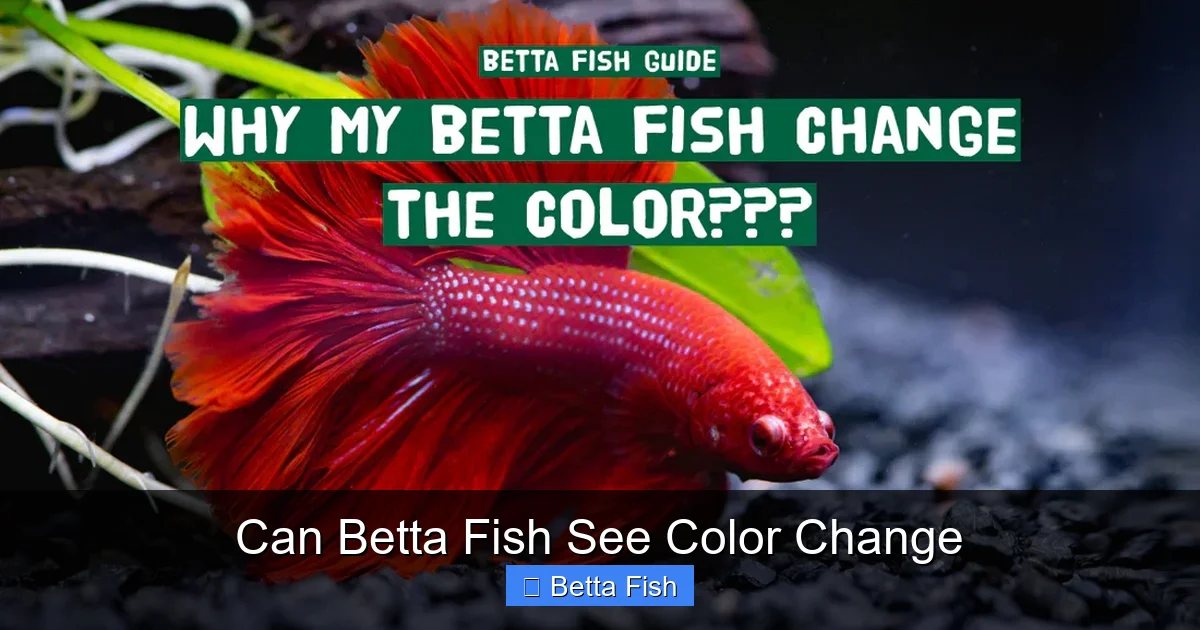
What makes betta fish vision special is the density and variety of cone cells in their retinas. Research on freshwater fish similar to bettas has shown that they possess multiple types of cone cells, each sensitive to different wavelengths of light. This means betta fish are not just seeing in black and white or limited shades. They are experiencing a rich, colorful world that is in many ways more vibrant than what we see.
Additionally, betta fish have eyes positioned on the sides of their heads, giving them a wide field of vision. This lateral eye placement allows them to see nearly 360 degrees around them, which is essential for spotting both predators and prey in their natural habitat. While this wide-angle vision means they have a small blind spot directly behind them, it gives them an excellent ability to detect movement and color changes from almost any direction.
The Role of Cone Cells in Color Detection
Cone cells are the key to understanding how betta fish see color change. Different cone cells respond to different wavelengths of light, which correspond to different colors. Humans typically have three types of cone cells that allow us to see red, green, and blue light. Betta fish, however, have been shown to possess additional cone types that extend their color perception beyond our own.
Studies on related fish species suggest that betta fish may have four or even five types of cone cells. This expanded range means they can distinguish between subtle color differences that would look identical to us. For example, two shades of blue that appear the same to a human might look completely different to a betta fish. This enhanced color discrimination is one of the reasons betta fish are so visually striking to each other in the wild.
The presence of these specialized cone cells also means that betta fish can detect gradual color changes over time. If a decoration in your tank fades from bright red to a dull pink due to water exposure, your betta will likely notice this shift. Similarly, if another fish in the tank changes color due to stress or illness, your betta can perceive that change as well.
What Colors Can Betta Fish See?
The Visible Spectrum for Betta Fish
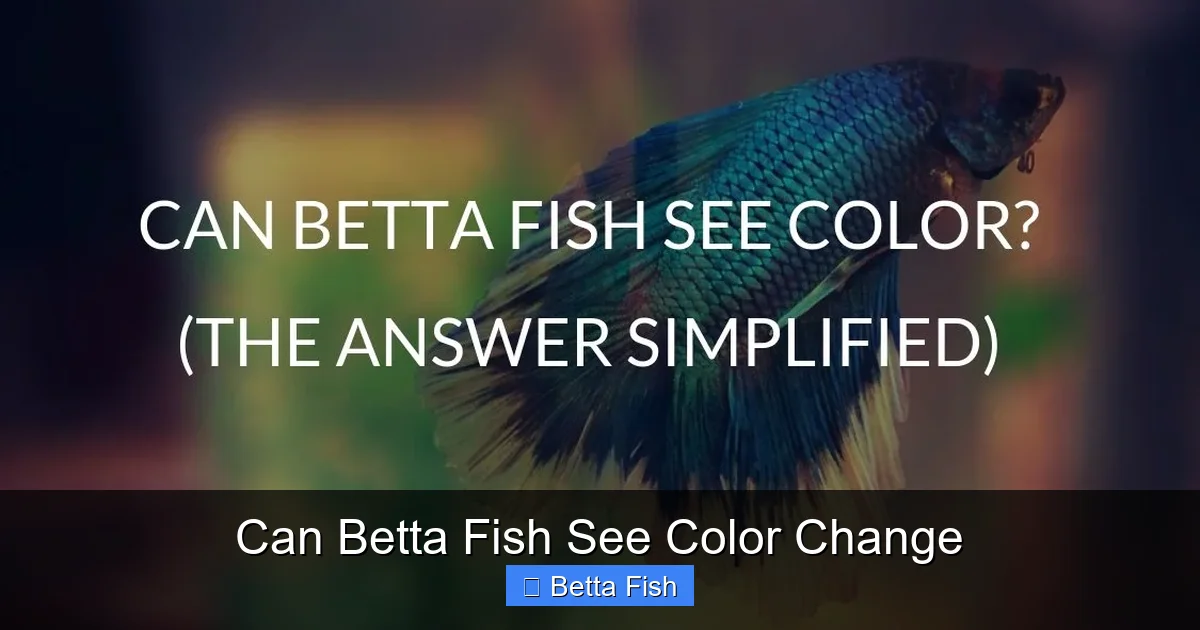
Betta fish can see most of the colors that humans can see, and then some. Their color vision covers the entire visible spectrum from red through violet, and it extends into the ultraviolet range. Ultraviolet light has shorter wavelengths than violet light and is completely invisible to humans without special equipment. For betta fish, however, UV light is just another part of their colorful world.
Visual guide about Can Betta Fish See Color Change
Image source: japanesefightingfish.org
This ability to see ultraviolet light gives betta fish a significant advantage in their natural environment. In the shallow, sun-dappled waters of Southeast Asia where bettas originate, UV light penetrates the water and reflects off various surfaces. Being able to detect these reflections helps bettas find food, identify potential mates, and navigate their surroundings more effectively.
It is also worth noting that water itself affects how colors appear at different depths. Red light is absorbed quickly in water and becomes invisible just a few meters below the surface. Blue and green light penetrate much deeper. Since betta fish typically live in shallow waters, they have evolved to see reds and oranges quite well, which is fortunate given that many betta fish display these exact colors.
Colors That Attract or Agitate Betta Fish
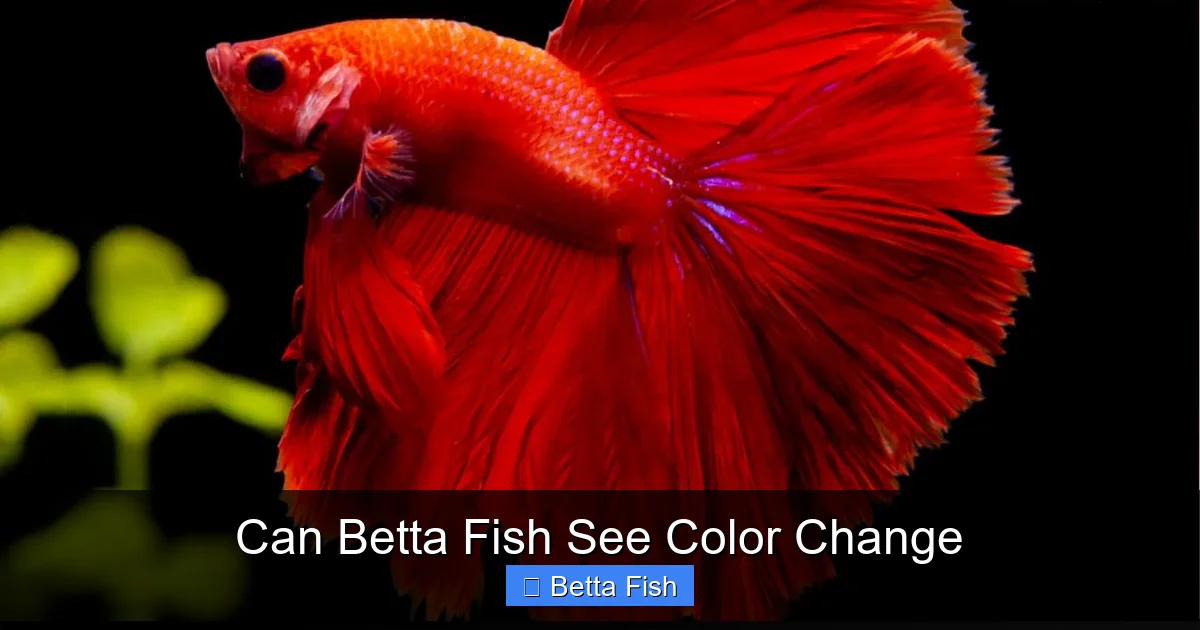
Not all colors affect betta fish equally. Because of their territorial nature, betta fish tend to react strongly to certain colors, particularly bright reds and blues. Male bettas, for instance, are known to flare and display aggressive behavior when they see another male betta with vibrant red or blue coloring. This reaction is deeply rooted in their biology and serves as a way to establish dominance and defend territory.
In a home aquarium, this means that introducing a brightly colored decoration or a tank mate with intense red or blue hues might trigger a territorial response from your betta. On the other hand, softer colors like green and natural tones tend to have a calming effect. Many experienced betta keepers recommend using green plants and natural-colored substrate to create a peaceful environment.
Interestingly, betta fish also seem to be attracted to certain colors when it comes to food. Studies have shown that many fish species, including those related to bettas, are more likely to approach food items that are red or orange. This might explain why many commercial betta foods are designed in warm colors. Your betta’s ability to see color change in their food can also help them learn feeding routines more quickly.
How Betta Fish Use Color Vision in the Wild
Mating and Courtship Displays
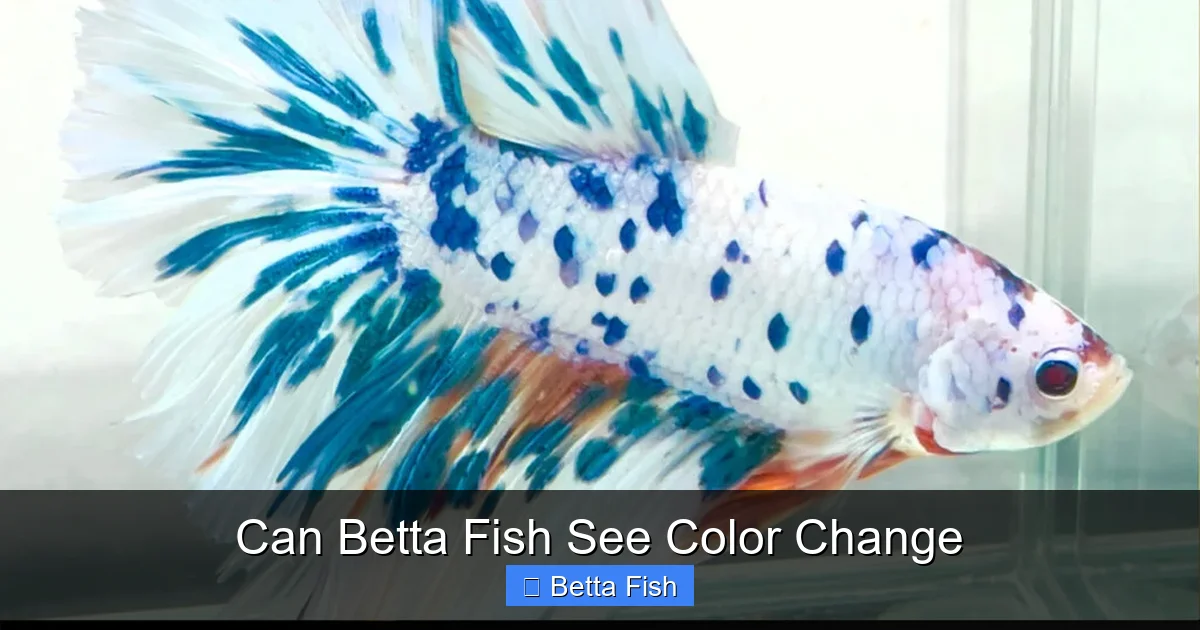
One of the most important uses of color vision for betta fish is in mating and courtship. Male betta fish are famous for their spectacular displays of color when trying to attract a female. During courtship, a male betta will spread his fins wide and intensify his body colors to appear as vibrant and healthy as possible. The female betta uses her color vision to evaluate the male’s display and determine whether he is a suitable mate.
Visual guide about Can Betta Fish See Color Change
Image source: buildyouraquarium.com
The ability to see color change is critical during this process. A male betta that is healthy and well-nourished will display brighter, more saturated colors. A male that is stressed or ill may appear duller. Female bettas can detect these subtle differences and use them to make mating decisions. This is one of the reasons why maintaining good water quality and a proper diet is so important for betta fish health. A healthy betta is a colorful betta, and color is directly linked to reproductive success.
It is also fascinating to note that betta fish can change their own colors during courtship. A male betta may shift from a relatively subdued appearance to an explosion of iridescent blues, reds, and greens within seconds. This rapid color change is a signal to the female that he is ready to mate and is in peak physical condition. The fact that betta fish can see color change means they are fully equipped to interpret these dynamic visual signals.
Territorial Behavior and Color Recognition
In the wild, betta fish are highly territorial, and color plays a major role in how they interact with other bettas. A male betta will patrol his territory and watch for intruders. When he spots another male betta, the first thing he notices is the intruder’s coloration. Bright, bold colors signal a strong rival, while duller colors might indicate a weaker or submissive fish.
This reliance on color recognition means that betta fish are constantly processing color information in their environment. They can see color change in other fish and respond accordingly. If a rival male begins to display brighter colors, the resident betta may escalate his own display in response. Conversely, if the rival’s colors fade, the resident betta may become less aggressive.
In a home aquarium, this behavior can sometimes be triggered by reflections in the glass. Your betta might see his own reflection and interpret it as another brightly colored male invading his territory. This is why some bettas flare at their own reflection, especially in tanks placed near mirrors or in rooms with bright lighting that creates strong reflections on the glass.
Can Betta Fish See Their Own Color Change?
Understanding Color Change in Betta Fish
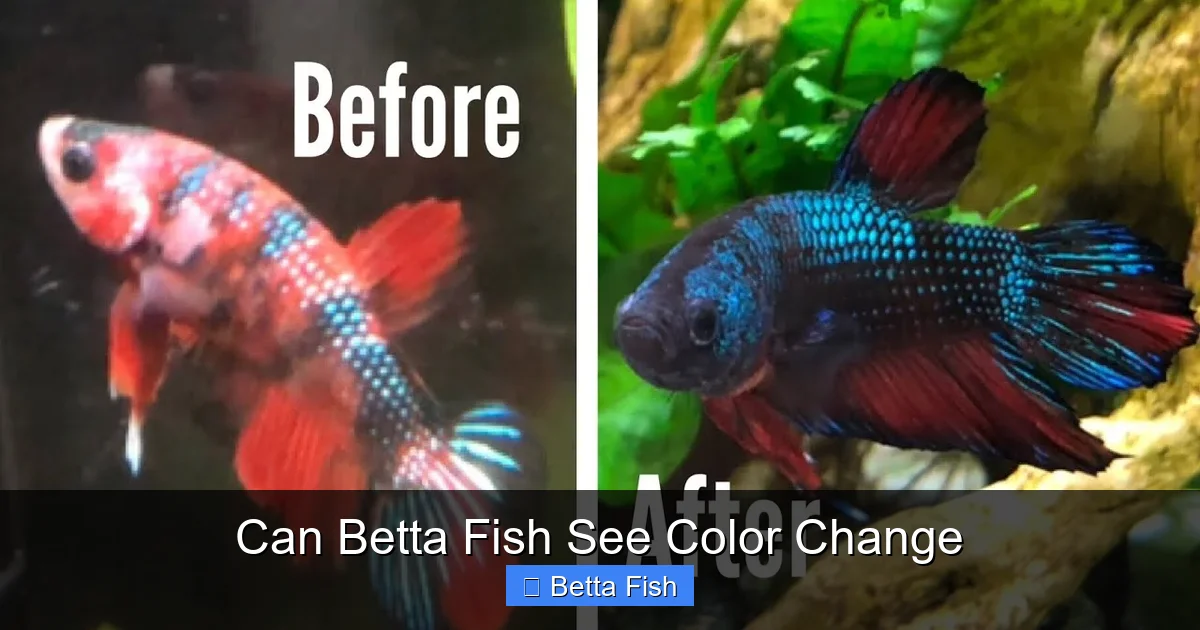
Betta fish are well known for their ability to change color over time. This phenomenon can occur for a variety of reasons, including stress, illness, aging, water conditions, and even mood. If you have ever noticed your betta looking different from one day to the next, you have witnessed this firsthand. But can betta fish see color change in themselves?
While betta fish cannot look at themselves the way humans do in a mirror, they can certainly perceive color changes in other betta fish. When two bettas are housed in separate tanks placed next to each other, they can see each other through the glass. If one betta changes color due to stress or illness, the other betta will notice this change and may alter its own behavior in response.
For a deeper look at this topic, you can read our article on can betta fish change color, which explores the many reasons behind this fascinating phenomenon. Understanding why betta fish change color is just as important as understanding how they see those changes.
How Color Changes Affect Betta Behavior
When a betta fish undergoes a color change, it can have a significant impact on how other bettas and even other fish species interact with it. A betta that becomes pale or develops stress stripes may be perceived as weak or submissive by other fish. Conversely, a betta that becomes more vibrant and colorful may be seen as a stronger, more dominant individual.
This social dynamic is one reason why it is important to monitor your betta’s color regularly. A sudden color change can be an early warning sign of health issues. If your betta is losing color, it could indicate stress, poor water quality, or the onset of disease. By understanding that betta fish can see color change, you can appreciate how these visual cues affect their social interactions and overall well-being.
Our detailed guide on why does betta fish change color provides even more insight into the specific causes and what you can do to help your betta maintain its vibrant appearance.
How Lighting Affects Betta Fish Color Vision
The Importance of Proper Aquarium Lighting
Lighting plays a crucial role in how well betta fish can see and distinguish colors in their environment. In their natural habitat, betta fish live in shallow waters where sunlight penetrates easily. This natural light provides the full spectrum of colors that betta fish have evolved to see. In a home aquarium, the type of lighting you use can either enhance or limit your betta’s color vision.
Visual guide about Can Betta Fish See Color Change
Image source: i.ytimg.com
Full-spectrum LED lights are generally the best choice for betta fish tanks. These lights mimic natural sunlight and provide a balanced range of wavelengths that allow betta fish to see colors as they would in the wild. Standard fluorescent lights can also work, but they may not provide the same range of colors and can sometimes cast an unnatural hue over the tank.
It is also important to maintain a consistent light cycle for your betta fish. In the wild, bettas experience approximately 12 hours of daylight and 12 hours of darkness. Replicating this cycle in your aquarium helps regulate your betta’s biological clock and supports healthy vision. Too much light can cause stress and make it difficult for your betta to rest, while too little light can dull their color perception and affect their overall mood.
How Light Penetration Affects Color Perception
As light travels through water, different colors are absorbed at different rates. Red light is absorbed first and can disappear within just a few feet of depth. Orange and yellow light penetrate a bit further, while blue and green light travel the deepest. Since betta fish typically inhabit shallow waters, they have evolved to see the full range of colors available in well-lit environments.
In your aquarium, this means that the colors you see near the surface may look different at the bottom of the tank. A red decoration might appear vibrant near the top but look dark or even black near the bottom. Your betta fish, with its superior color vision, can still distinguish these colors better than you can, but the lighting conditions in your tank will affect how vivid those colors appear.
To ensure your betta can see color change effectively, make sure your tank has adequate lighting throughout. Avoid placing your tank in a dimly lit corner of the room where natural light cannot reach. If you use artificial lighting, choose a light that provides even coverage across the entire tank rather than concentrating the light in one area.
Practical Tips for Betta Owners Based on Color Vision
Choosing the Right Tank Decorations
Now that you understand how betta fish see color change, you can use this knowledge to create a better environment for your pet. When selecting tank decorations, consider how your betta will perceive them. Bright red and blue decorations might look appealing to you, but they could trigger territorial behavior in your betta. Natural green plants, both live and silk, tend to create a more calming atmosphere.
Live plants are an excellent choice for betta tanks because they provide natural color, help maintain water quality, and offer hiding spots for your betta. Plants like java fern, anubias, and amazon sword are all popular choices that add vibrant green color to the tank without agitating your betta. The natural color of live plants also helps your betta feel more at home, as it mimics the environment they would encounter in the wild.
If you do want to add some color to your tank, consider using decorations in softer shades like purple, teal, or pastel tones. These colors are less likely to trigger aggressive behavior while still providing visual interest for both you and your betta. Remember that your betta can see color change, so if a decoration fades over time, your betta will notice and may react differently to it.
Selecting Compatible Tank Mates
If you are considering adding tank mates to your betta’s aquarium, color vision is an important factor to keep in mind. Fish with bright red or blue coloring may be perceived as rivals by your betta, leading to aggression and stress. Instead, consider tank mates with more subdued coloration that are less likely to trigger a territorial response.
Fish like corydoras catfish, neon tetras, and harlequin rasboras are often good choices because they have relatively muted colors and tend to occupy different areas of the tank. Avoid keeping your betta with fish that have long, flowing fins or bright colors, as these features can provoke aggression. For more information on this topic, check out our article on what other fish can live with betta fish.
It is also worth noting that betta fish can see color change in their tank mates. If a tank mate becomes stressed and loses color, your betta may perceive this as a sign of weakness and become more aggressive. Monitoring the color and behavior of all fish in your aquarium can help you identify potential problems before they escalate.
Using Color to Monitor Betta Health
One of the most practical applications of understanding betta fish color vision is using it to monitor your betta’s health. Since betta fish can see color change, and since color changes in your betta can indicate health issues, paying attention to your betta’s coloration is one of the simplest ways to keep track of their well-being.
A healthy betta fish should have vibrant, consistent colors. If you notice your betta becoming pale, developing dark spots, or showing horizontal stress stripes, these could be signs of stress, illness, or poor water conditions. Regular water changes and proper tank maintenance can help prevent many color-related health issues. Our guide on how often to change betta fish water is a great resource for maintaining optimal water quality.
It is also normal for betta fish to change color slightly throughout the day. A betta might appear more vibrant in the morning and slightly duller at night, which is perfectly normal and related to their circadian rhythm. However, dramatic or sudden color changes should always be investigated, as they can be early indicators of serious health problems.
Fascinating Facts About Betta Fish Vision
Betta Fish Can See Ultraviolet Light
One of the most remarkable aspects of betta fish vision is their ability to see ultraviolet light. UV light has wavelengths shorter than what the human eye can detect, but for betta fish, it is just another part of the color spectrum. This ability likely helps them in the wild by making certain objects, food sources, and even other fish more visible.
Some research suggests that betta fish may have UV-reflective patterns on their bodies that are invisible to humans but clearly visible to other bettas. These hidden patterns could play a role in communication, mating, and social hierarchy. It is a fascinating reminder that the world betta fish see is far richer and more complex than the one we perceive.
Betta Fish Have Excellent Motion Detection
In addition to their impressive color vision, betta fish are also highly skilled at detecting motion. Their rod cells are very sensitive, allowing them to notice even the slightest movement in their environment. This combination of color vision and motion detection makes betta fish excellent hunters in the wild, where they feed on small insects and larvae.
In your aquarium, this means your betta can see you approaching the tank long before you reach it. They can detect the color change of your clothing as you move and may associate certain colors or movements with feeding time. Many betta owners report that their fish become more active and swim to the front of the tank when they see their favorite person approaching. If you are curious about this behavior, our article on can my betta fish see me explores this topic in detail.
Color Vision and Memory
Research has shown that betta fish have a better memory than the popular myth of a three-second memory suggests. They can remember colors, patterns, and even specific individuals for extended periods. This means your betta can learn to associate certain colors with positive experiences like feeding or negative experiences like being startled.
This color memory is another reason why consistency in your tank setup is important. If you frequently change the decorations or rearrange the tank, your betta may become stressed as it has to relearn its environment. Keeping a stable, familiar setup helps your betta feel secure and allows it to use its color vision to navigate confidently.
Conclusion
So, can betta fish see color change? Absolutely. Betta fish have some of the most impressive color vision in the freshwater fish world. Their specialized cone cells allow them to see a broad spectrum of colors, including ultraviolet light that is invisible to humans. They can detect color changes in their environment, in other fish, and in the objects around them.
Visual guide about Can Betta Fish See Color Change
Image source: buildyouraquarium.com
Understanding how betta fish see color change is more than just a fun fact. It has real, practical applications for betta care. From choosing the right tank decorations and lighting to selecting compatible tank mates and monitoring your betta’s health, color vision plays a role in nearly every aspect of betta fish keeping.
By creating an environment that supports your betta’s natural color vision, you can help your fish feel more comfortable, reduce stress, and enjoy a higher quality of life. Pay attention to the colors in your tank, maintain consistent lighting, and watch for any sudden color changes in your betta that might signal a health issue. With a little knowledge and care, you can ensure your betta fish lives a vibrant and healthy life.
Frequently Asked Questions
Can betta fish see all the same colors that humans can?
Betta fish can see most of the colors humans can see, and they can also see ultraviolet light, which is invisible to humans. Their color vision is actually more expansive than ours in some ways, thanks to additional types of cone cells in their retinas.
Do betta fish react to specific colors?
Yes, betta fish tend to react strongly to bright red and blue colors, which can trigger territorial or aggressive behavior. Softer colors like green and natural tones generally have a calming effect on bettas.
Can betta fish see color change in other fish?
Betta fish can detect color changes in other fish, including other bettas. They use this ability to assess the health, mood, and social status of other fish in their environment.
How does aquarium lighting affect betta fish color vision?
Proper full-spectrum lighting helps betta fish see colors more vividly and naturally. Poor or insufficient lighting can dull their color perception and affect their overall well-being and behavior.
Why is my betta fish changing color?
Betta fish can change color for many reasons, including stress, illness, aging, water quality, and mood. A sudden or dramatic color change may indicate a health issue and should be monitored closely.
Can betta fish see in the dark?
Betta fish have limited vision in complete darkness but can detect some movement and shapes using their rod cells. They rely more on their lateral line system to navigate in low-light conditions.