Can Betta Fish Reproduce
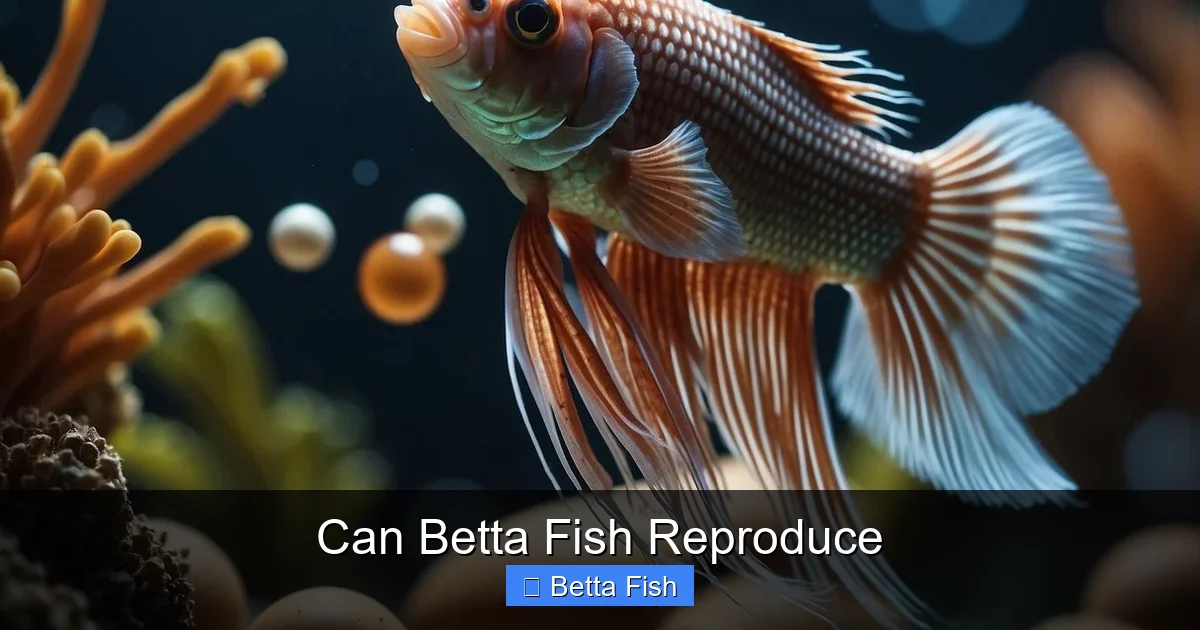
Yes, betta fish can reproduce — but it requires specific conditions, careful planning, and dedicated care from the breeder. The male betta plays a crucial role by building a bubble nest and guarding the eggs until they hatch. Understanding the betta fish reproduction process helps hobbyists breed responsibly and raise healthy fry with the right water conditions, diet, and tank setup.
- Betta fish can reproduce in captivity when provided with the right water conditions, temperature, and a compatible breeding pair.
- The male betta builds a bubble nest at the water’s surface where the female releases eggs, and he fertilizes and guards them.
- Breeding requires a separate tank with warm water (78–80°F), low water flow, and plenty of hiding spots for the female.
- Female bettas should be removed after spawning because the male can become aggressive toward her once the eggs are laid.
- Eggs hatch within 24–48 hours, and fry become free-swimming after about 3 days, requiring specialized food like infusoria or baby brine shrimp.
- Breeding bettas is not beginner-friendly — it demands preparation, patience, and a plan for potentially hundreds of fry.
- Proper conditioning with live or frozen foods before breeding improves the health of both parents and the survival rate of the fry.
📑 Table of Contents
- Can Betta Fish Reproduce? A Complete Guide to Betta Fish Breeding
- Understanding the Betta Fish Reproduction Process
- What You Need to Breed Betta Fish Successfully
- Step-by-Step Guide to Betta Fish Breeding
- Caring for Betta Fry After Hatching
- Common Challenges in Betta Fish Reproduction
- How Often Can Betta Fish Reproduce?
- Should You Breed Your Betta Fish?
- Conclusion
Can Betta Fish Reproduce? A Complete Guide to Betta Fish Breeding
If you have ever watched your betta fish swimming around and wondered, “Can betta fish reproduce?” — the answer is a resounding yes. Betta fish are fascinating creatures, and their reproductive process is one of the most unique and captivating behaviors in the freshwater aquarium hobby. From the elaborate courtship dance to the male’s devoted egg-guarding routine, betta fish reproduction is nothing short of amazing.
However, just because betta fish can reproduce does not mean it is as simple as putting a male and female together and waiting for baby fish. There is a lot more to it — specific water conditions, proper conditioning, the right tank setup, and a solid plan for what to do with the fry once they hatch. In this guide, we will walk you through everything you need to know about how betta fish reproduce, what to expect during the breeding process, and how to give those tiny fry the best chance at survival.
Understanding the Betta Fish Reproduction Process
Betta fish, also known as Siamese fighting fish, belong to a group of fish called anabantoids or labyrinth fish. This means they have a special organ that allows them to breathe air directly from the surface. This unique trait plays a significant role in how betta fish reproduce, particularly when it comes to the bubble nest.
Visual guide about Can Betta Fish Reproduce
Image source: hepper.com
The Role of the Bubble Nest
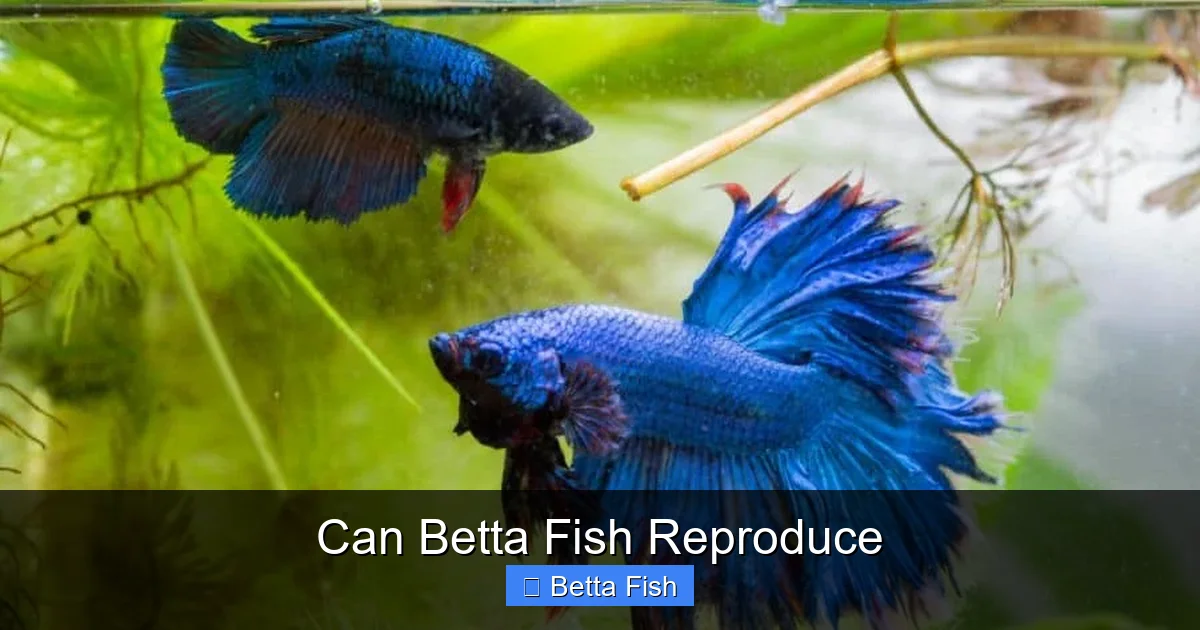
The male betta fish is the architect behind the bubble nest. When he is ready to breed, he will create a cluster of tiny bubbles at the water’s surface. These bubbles are coated with a special sticky substance that helps them hold together. The bubble nest serves as a safe place for the eggs after spawning. The male carefully places each fertilized egg into the nest and guards it fiercely until the fry hatch.
Seeing a bubble nest in your tank is often a sign that your male betta is healthy and feeling comfortable in his environment. However, the presence of a bubble nest alone does not mean breeding will happen — you still need a receptive female and the right conditions.
The Courtship Dance
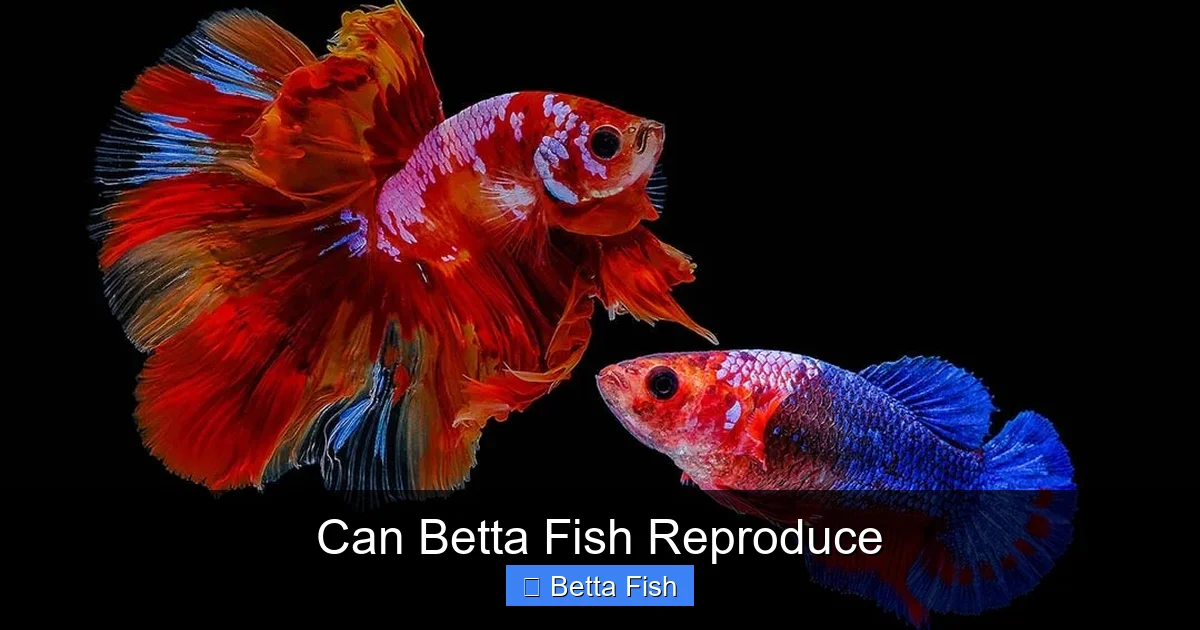
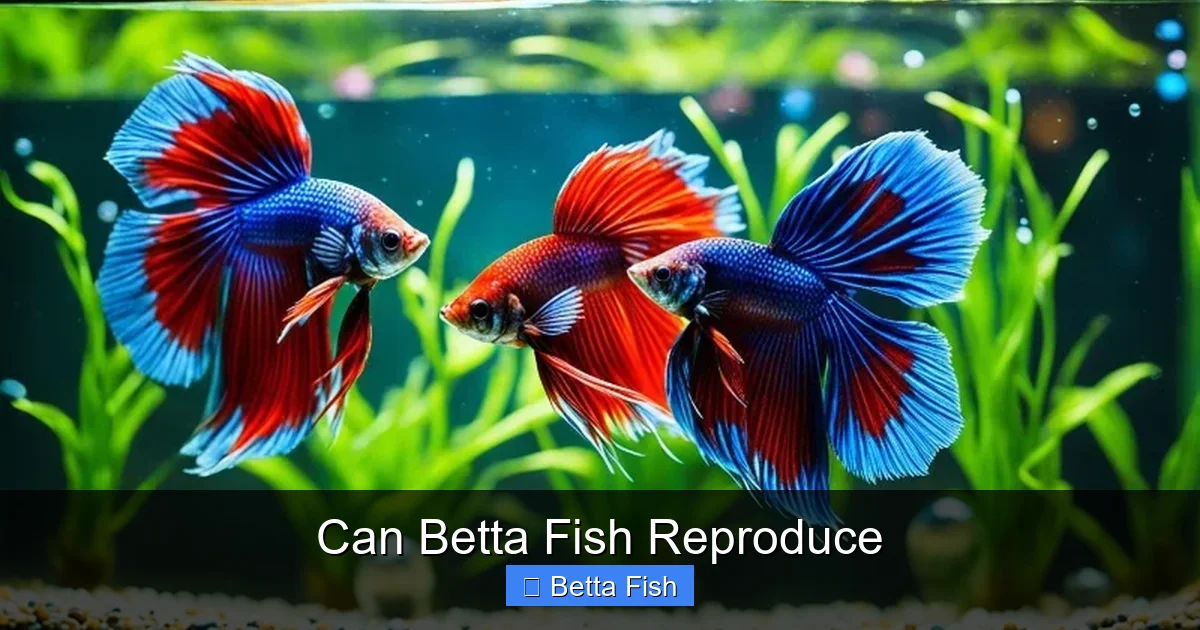
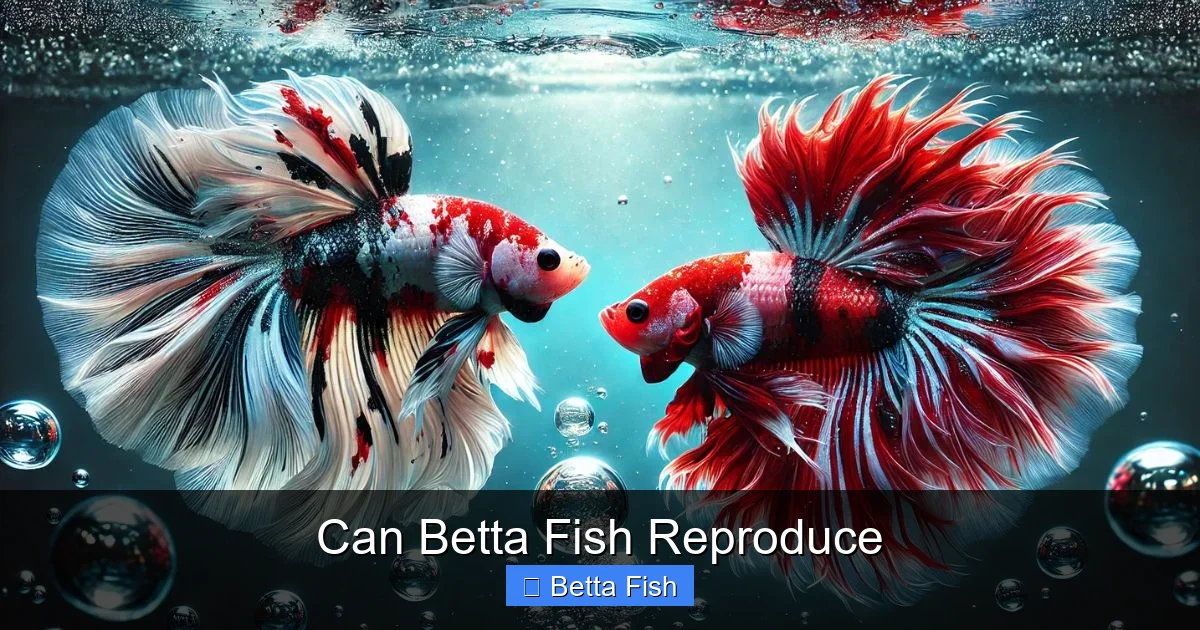
When a female betta is introduced to the male’s territory (or a shared breeding tank), an elaborate courtship ritual begins. The male will flare his gills, spread his fins, and swim in a zigzag pattern to impress the female. If she is ready to spawn, she will display vertical stripes on her body — known as breeding bars — and curve her body in response.
This courtship can last anywhere from a few hours to several days. It is important to watch the interaction closely. While some chasing is normal, excessive aggression from the male can injure or even kill the female.
The Spawning Embrace
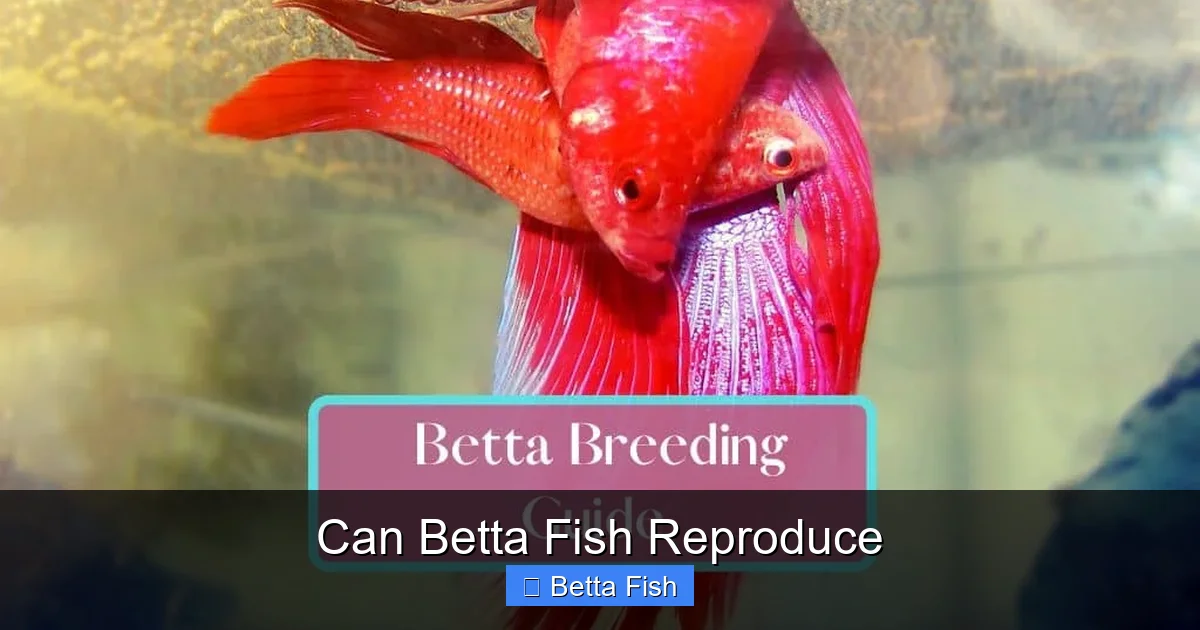
Once the female is ready, the male wraps his body around the female in what is known as a nuptial embrace. During this embrace, the female releases her eggs, and the male simultaneously releases sperm to fertilize them. The eggs sink to the bottom of the tank, and the male carefully collects them in his mouth and places them into the bubble nest.
This process is repeated multiple times over the course of several hours. A single spawning session can produce anywhere from 30 to 500 eggs, depending on the age and health of the breeding pair.
What You Need to Breed Betta Fish Successfully
Breeding betta fish is a rewarding experience, but it requires preparation. You cannot simply toss two bettas together and hope for the best. Here is what you need to set up before attempting to breed betta fish.
Visual guide about Can Betta Fish Reproduce
Image source: infishtank.com
The Breeding Tank Setup
A dedicated breeding tank is essential. A 10-gallon tank is the ideal size — large enough for the pair to interact comfortably, but small enough for the female to find the male. The water should be shallow, around 5 to 6 inches deep, which makes it easier for the male to retrieve sinking eggs and place them in the bubble nest.
Key conditions for the breeding tank include:
- Temperature: Keep the water between 78°F and 80°F. Warm water encourages breeding behavior and supports healthy egg development.
- pH Level: A neutral pH between 6.5 and 7.5 is ideal.
- Low Water Flow: Use a sponge filter or turn down the flow on your current filter. Strong currents can destroy the bubble nest and stress the fish.
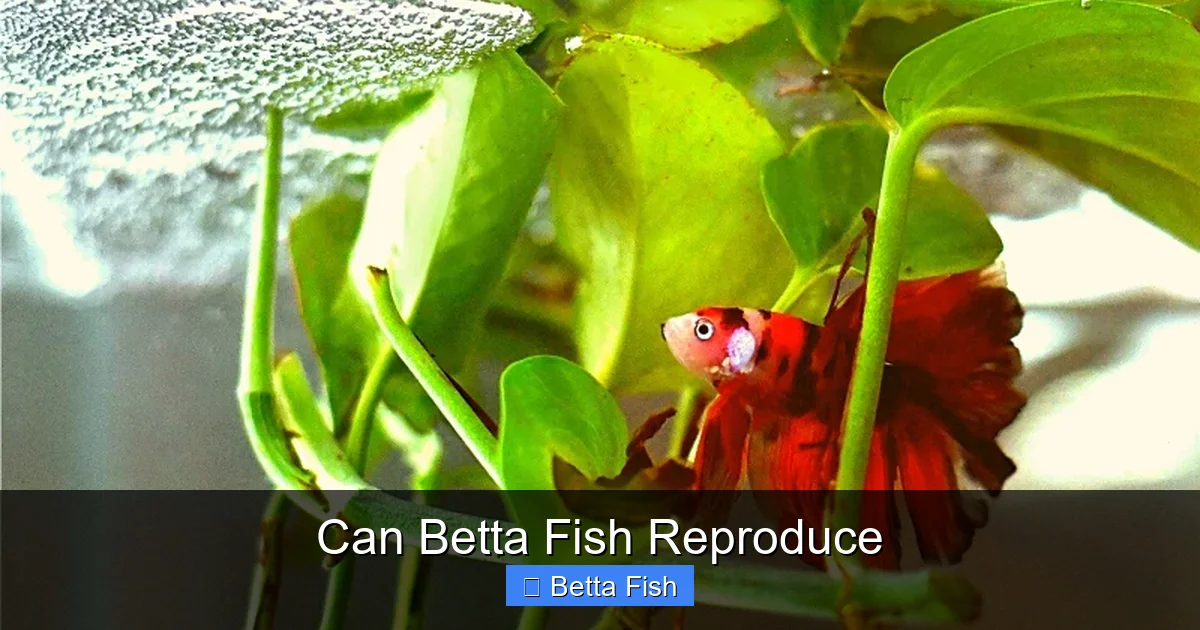
- Hiding Spots: Add live plants, Java moss, or small caves where the female can retreat if the male becomes too aggressive.
- Lid or Cover: Betta fish are jumpers, especially during the excitement of breeding. A lid keeps everyone safely inside the tank.
Conditioning the Breeding Pair
Before introducing the male and female, both fish should be conditioned for at least one to two weeks. Conditioning means feeding them high-protein, nutrient-rich foods to prepare their bodies for breeding. Great options include live or frozen bloodworms, brine shrimp, and daphnia. A well-conditioned female will produce more eggs, and a well-conditioned male will be more active in building the nest and caring for the fry.
During conditioning, keep the male and female in separate tanks where they can see each other but not physically interact. This builds anticipation and increases the likelihood of a successful spawn.
Step-by-Step Guide to Betta Fish Breeding
Now that your tank is ready and your fish are conditioned, here is how the betta fish reproduction process typically unfolds.
Visual guide about Can Betta Fish Reproduce
Image source: ouraquariumlife.com
Step 1: Introduce the Female
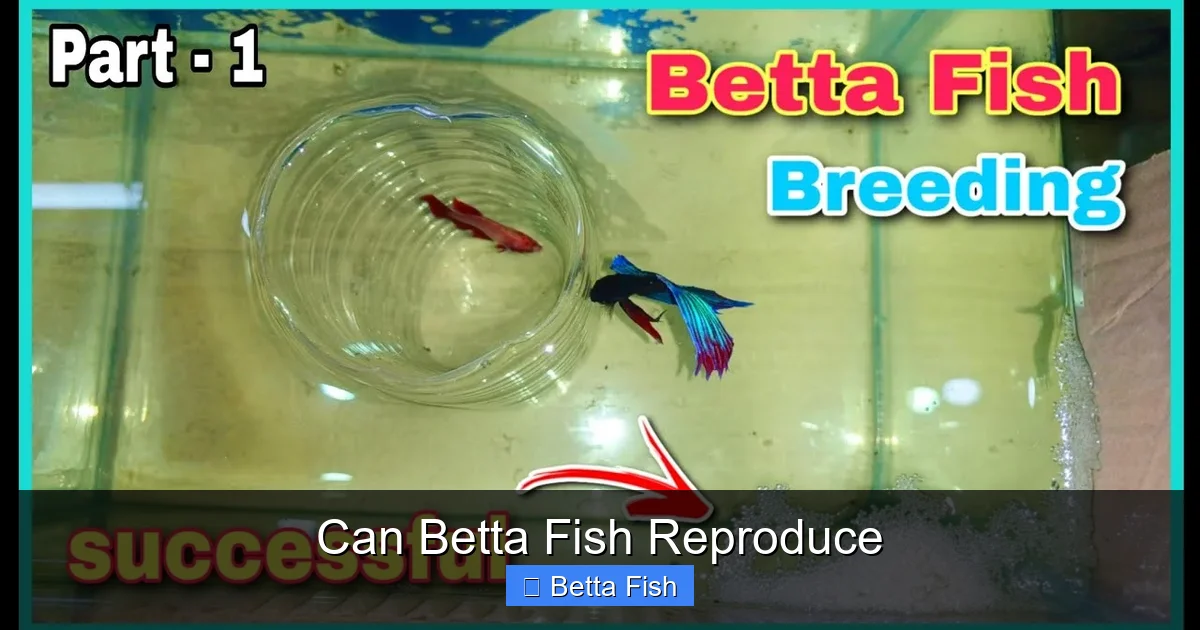
Place the female in a clear container or breeding cup inside the breeding tank. This allows the male to see her and begin building his bubble nest without being able to attack her. Leave her in the container for a few hours to a day while you observe the male’s behavior.
Step 2: Release the Female
Once the male has built a substantial bubble nest, release the female into the tank. Watch their interaction carefully. Some chasing and fin nipping is normal, but if the male is relentlessly attacking the female, remove her immediately and try again another day.
Step 3: Observe the Spawning
If the pair is compatible, the courtship will lead to the nuptial embrace described earlier. The spawning process can take several hours. Once the female has released all her eggs, she will usually hide or swim away from the nest.
Step 4: Remove the Female
After spawning is complete, remove the female from the breeding tank. The male will now take over all parental duties, and he may become aggressive toward the female. She should be placed in a separate tank to recover, as she may have sustained some injuries during the process.
If you are curious about how bettas interact with other species, you might want to read about can you keep male and female betta fish together for more insight into their social behavior outside of breeding contexts.
Step 5: Let the Male Guard the Nest
The male will spend the next 24 to 48 hours tending to the eggs. He will retrieve any eggs that fall from the nest, repair the bubble nest, and fan the eggs to ensure they receive enough oxygen. Do not feed the male during this time — he will not eat while guarding the eggs, and food left in the tank can foul the water.
Caring for Betta Fry After Hatching
The eggs will hatch within 24 to 48 hours, depending on the water temperature. At first, the fry will hang vertically from the bubble nest, still absorbing their yolk sacs. They are incredibly tiny and fragile at this stage.
Visual guide about Can Betta Fish Reproduce
Image source: qwikbetta.com
The First Few Days
For the first three days, the fry will remain near the nest, feeding off their yolk sacs. The male will continue to guard them and return any fry that fall out of the nest. Once the fry become free-swimming — usually around day 3 or 4 — the male should be removed from the tank. At this point, he may start to see the fry as food rather than offspring.
Feeding the Fry
Newly hatched betta fry are too small for conventional fish food. For the first week, they need microscopic foods such as:
- Infusoria: Tiny microorganisms that can be cultured at home using decomposing vegetable matter in a jar of old tank water.
- Microworms: Another excellent first food that is easy to culture.
- Vinegar eels: Small nematodes that are perfect for tiny fry.
- Commercial fry food: Liquid fry food or powdered fry food designed for egg-laying fish.
As the fry grow — usually after the first week — you can introduce baby brine shrimp, which are packed with protein and promote rapid growth. Feed the fry small amounts several times a day, and perform regular water changes to keep the water clean.
Water Quality Is Critical
Baby betta fish are extremely sensitive to water conditions. Even small amounts of ammonia or nitrite can be deadly. Use a sponge filter to maintain filtration without creating strong currents, and perform small daily water changes (around 10%) using water that matches the tank’s temperature and parameters.
Common Challenges in Betta Fish Reproduction
Breeding betta fish is not always smooth sailing. Here are some of the most common challenges hobbyists face.
Visual guide about Can Betta Fish Reproduce
Image source: fishtanko.com
Aggressive Males
Not every male betta is a gentle father. Some males will eat the eggs or fry instead of guarding them. If this happens, you may need to remove the male after spawning and artificially care for the eggs using an air stone placed near the bubble nest to simulate the fanning action.
Unhealthy or Infertile Eggs
Sometimes eggs will turn white or fuzzy, indicating they are infertile or have developed fungus. The male will usually eat these eggs, which is a natural way of keeping the nest clean. If the majority of eggs are infertile, it could be due to the age of the breeding pair, poor conditioning, or water parameters being off.
Overwhelming Numbers of Fry
A single spawn can produce hundreds of baby betta fish. That is a lot of mouths to feed and a lot of tanks to manage. Before breeding, have a plan for what you will do with the fry. Some hobbyists sell them to local fish stores, give them away to fellow aquarists, or raise them in divided tanks.
For those exploring community setups with bettas, it is worth understanding what other fish can live with betta fish to ensure a peaceful tank environment for your growing fry or adult bettas.
How Often Can Betta Fish Reproduce?
Female bettas can produce eggs every 1 to 2 weeks under optimal conditions. However, breeding a female too frequently can exhaust her and shorten her lifespan. Responsible breeders allow the female to rest for at least 4 to 6 weeks between spawns to recover her strength and health.
Visual guide about Can Betta Fish Reproduce
Image source: koibettafish.com
Male bettas can breed more frequently, but they also benefit from rest periods. After caring for a batch of fry, give the male at least a couple of weeks before attempting another spawn.
Should You Breed Your Betta Fish?
Breeding betta fish is a serious commitment. It requires time, resources, and a genuine willingness to care for potentially hundreds of fry. Before you decide to breed, ask yourself these questions:
Visual guide about Can Betta Fish Reproduce
Image source: i.ytimg.com
- Do I have enough tanks to separate and raise the fry?
- Can I afford the additional food, water treatments, and equipment?
- Do I have a plan for finding homes for the baby bettas?
- Am I prepared for the possibility that not all fry will survive?
If you answered yes to all of these, breeding betta fish can be an incredibly rewarding experience. Watching the entire lifecycle unfold — from bubble nest to free-swimming fry to colorful adult bettas — is one of the most satisfying aspects of the aquarium hobby.
On the other hand, if you are new to betta fish care, it is a great idea to focus on mastering the basics first. Learn about what betta fish can eat and how to maintain optimal water quality before diving into the world of breeding.
Conclusion
So, can betta fish reproduce? Absolutely. The betta fish reproduction process is a remarkable display of natural behavior, from the male’s bubble nest construction to his devoted care of the eggs and fry. However, successful breeding requires more than just putting two bettas together. It demands the right tank setup, proper conditioning, careful monitoring, and a long-term commitment to raising the fry.
Visual guide about Can Betta Fish Reproduce
Image source: petshun.com
If you are considering breeding betta fish, take the time to research thoroughly, prepare your equipment, and have a plan in place. The journey from spawning to raising healthy, vibrant adult bettas is challenging but deeply fulfilling. And even if you never breed your bettas, understanding how betta fish reproduce gives you a deeper appreciation for these beautiful and complex little fish.
Frequently Asked Questions
How do I know if my betta fish is ready to breed?
A male betta ready to breed will build a bubble nest at the water’s surface and display vibrant colors. A receptive female will show vertical breeding bars on her body and a swollen belly full of eggs. Both fish should be healthy and conditioned with high-protein foods before breeding.
How long does it take for betta fish eggs to hatch?
Betta fish eggs typically hatch within 24 to 48 hours after being fertilized, depending on the water temperature. Warmer water around 80°F speeds up the hatching process, while cooler temperatures may cause a slight delay.
Can I keep the male and female betta together after breeding?
No, you should remove the female immediately after spawning is complete. The male betta becomes territorial and aggressive once the eggs are in the bubble nest, and he may seriously injure or kill the female if she remains in the tank.
What do baby betta fish eat?
Newly hatched betta fry need microscopic foods like infusoria, microworms, or liquid fry food for the first week. After that, they can eat baby brine shrimp, which provide the protein needed for healthy growth and development.
How many eggs do betta fish lay at once?
A female betta can release anywhere from 30 to 500 eggs during a single spawning session. The number depends on the female’s age, size, and overall health, as well as how well both fish were conditioned before breeding.
Do betta fish eat their own eggs or fry?
Sometimes, yes. A stressed, inexperienced, or unhealthy male may eat the eggs or fry instead of guarding them. This is why proper conditioning, a calm environment, and removing the male once the fry are free-swimming are important steps in the breeding process.