Can Betta Fish Regrow Tails

Yes, betta fish can regrow their tails under the right conditions. Tail damage from fin rot, injury, or nipping can heal over time with pristine water quality, proper nutrition, and stress reduction. However, severe damage or underlying disease can slow or prevent regrowth, so early intervention is critical for the best results.
Key Takeaways
- Betta fish can regrow their tails thanks to their natural regenerative abilities, similar to how some lizards regrow lost appendages.
- Fin rot is the most common cause of tail damage, and treating it early with clean water and medication dramatically improves regrowth chances.
- Water quality is the single most important factor in tail regrowth — ammonia, nitrite, and nitrate levels must be carefully managed.
- A high-protein, varied diet provides the nutrients your betta needs to rebuild damaged fin tissue effectively.
- Stress reduction plays a crucial role — removing tank mates that nip fins and providing hiding spots helps your betta focus energy on healing.
- Regrowth takes time — expect the process to take anywhere from several weeks to a few months depending on the severity of the damage.
- Prevention is always better than cure — maintaining proper tank conditions prevents most tail damage before it ever starts.
📑 Table of Contents
- Can Betta Fish Regrow Tails? Here’s Everything You Need to Know
- Understanding Betta Fish Tail Anatomy
- What Causes Tail Damage in Betta Fish?
- The Science Behind Tail Regrowth
- How to Help Your Betta Regrow Its Tail
- When Tail Regrowth Might Not Happen
- Preventing Future Tail Damage
- Frequently Asked Questions About Betta Tail Regrowth
- Conclusion
Can Betta Fish Regrow Tails? Here’s Everything You Need to Know
If you’ve noticed your betta fish looking a little worse for wear — maybe their beautiful flowing tail is torn, ragged, or even partially missing — you’re probably feeling worried. Trust me, I get it. Bettas are famous for their stunning fins, and seeing them damaged can be genuinely upsetting. But here’s the good news: betta fish can regrow their tails, and in many cases, they do it remarkably well.
Bettas are surprisingly hardy little fish with a natural ability to regenerate damaged fin tissue. This process isn’t instant, and it doesn’t happen by magic. Your betta needs the right environment, proper nutrition, and a little patience from you. In this guide, I’m going to walk you through everything you need to know about tail regrowth in betta fish — from what causes the damage in the first place to exactly what you can do to help your finned friend heal up and look gorgeous again.
Whether you’re dealing with fin rot, an injury from sharp decorations, or damage from an aggressive tank mate, understanding the regrowth process will help you take the right steps. Let’s dive in and give your betta the best possible chance at a full, beautiful tail comeback.
Understanding Betta Fish Tail Anatomy
Types of Betta Tails
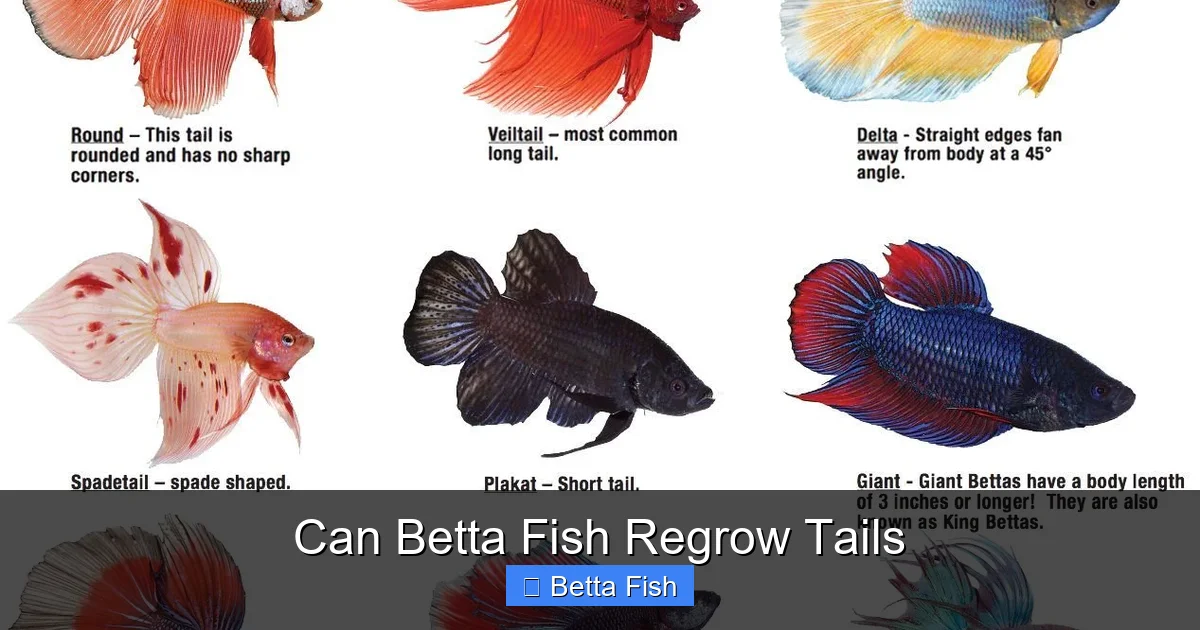
Before we talk about regrowth, it helps to understand what we’re working with. Betta fish come in a wide variety of tail types, and each one is a little different. The most common types you’ll see include the veil tail (the classic, long, flowing tail most people picture), the halfmoon (which spreads into a full 180-degree fan), the crowntail (with spiky, ray-like extensions), the delta tail (a triangular shape), and the double tail (which splits into two distinct lobes).
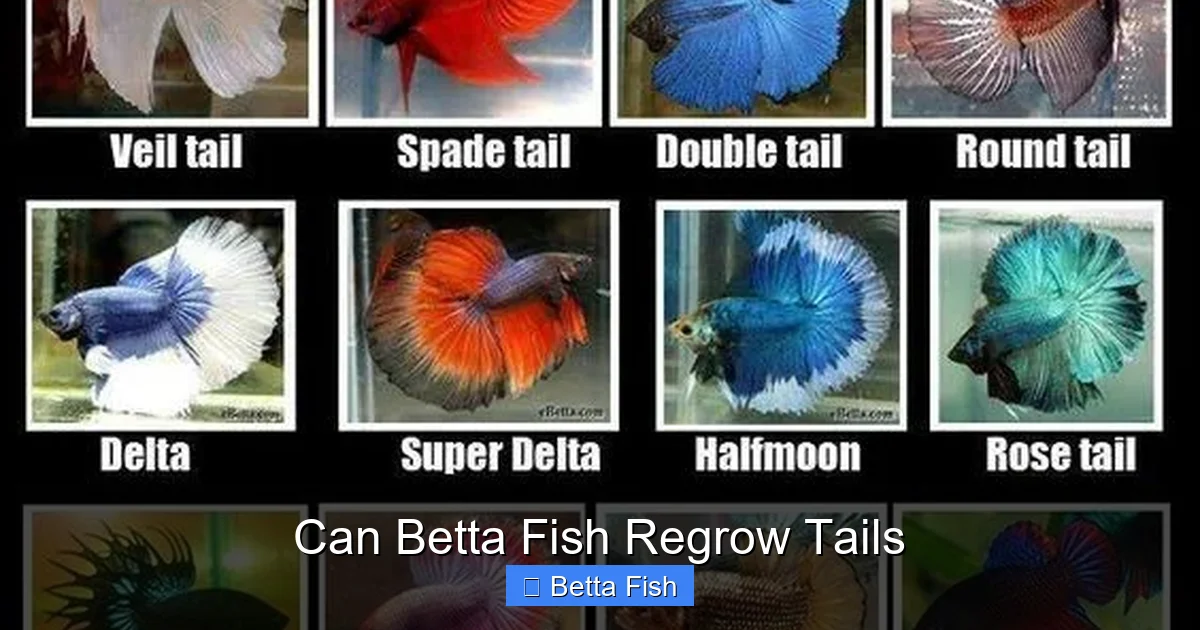
Visual guide about Can Betta Fish Regrow Tails
Image source: aquahoy.com
Each tail type has its own unique structure, but they all share one thing in common: they’re made of delicate fin tissue supported by bony rays called lepidotrichia. These rays are what give the fin its shape and structure. When the soft tissue between these rays gets damaged, it can often regrow. However, if the rays themselves are severely damaged, regrowth may be incomplete or the new tissue might look slightly different from the original.
How Betta Fins Are Structured
Think of your betta’s tail like a fan. The stiff rays spread out from the base, and thin, translucent tissue stretches between them. This tissue is incredibly delicate — it’s only a few cells thick. That’s why tears and damage happen so easily. The good news is that this thin tissue also has a relatively simple structure, which makes regeneration more straightforward compared to more complex organs.
Blood vessels run through the fin rays, delivering oxygen and nutrients to the tissue. When damage occurs, your betta’s body sends extra blood flow to the affected area, which is why you might sometimes see a reddish or pinkish tint at the edges of a healing fin. This is actually a healthy sign that the healing process is underway.
What Causes Tail Damage in Betta Fish?
Fin Rot: The Most Common Culprit
Without a doubt, fin rot is the number one reason betta fish lose tail tissue. Fin rot is a bacterial infection — and sometimes a fungal one — that eats away at the fins. It usually starts at the edges of the tail and works its way inward. You’ll notice the edges looking discolored, often turning black, brown, or white, and the fin tissue starts to appear ragged and disintegrated.
Fin rot is almost always caused by poor water conditions. When ammonia or nitrite levels spike, or when the water hasn’t been changed regularly, harmful bacteria thrive. A betta living in dirty water has a weakened immune system, making it easy for these bacteria to take hold. The good news? When caught early, fin rot is very treatable, and the tail will regrow beautifully once the infection is cleared.
Physical Injury
Sometimes the damage is purely physical. Bettas can tear their tails on sharp decorations, rough plastic plants, or even the edges of filter intakes. Silk plants are always a safer choice than plastic ones. If you’re setting up a tank, run any decorations through a simple test — if it could snag a pair of pantyhose, it can tear your betta’s fins.
Bettas can also injure themselves by flaring too aggressively at their own reflection or by darting around the tank when startled. While this is less common, it does happen, especially in smaller tanks where there isn’t much room to maneuver.
Aggression and Fin Nipping
If your betta shares a tank with other fish, fin nipping could be the problem. Some fish species are notorious for nipping at the long, flowing fins of bettas. Even other bettas can be a problem — male bettas should never be housed together, and even some combinations of bettas with other species can lead to conflict. If you’re wondering about tank compatibility, check out this guide on what other fish can live with betta fish to make sure you’re choosing safe companions.
Female bettas can sometimes be kept together in groups called sororities, but even this requires careful planning and a well-designed tank. You can learn more about that in this article about keeping female betta fish together.
Tail Biting
Here’s something that surprises many betta owners: sometimes bettas bite their own tails. This behavior is usually linked to stress, boredom, or poor water conditions. Some bettas develop a habit of nipping at their own fins, especially if they’re kept in a tank that’s too small or lacks enrichment. A bored betta in a bare tank is much more likely to develop this frustrating habit.
The Science Behind Tail Regrowth
How Regeneration Works
So how exactly does a betta regrow its tail? The process is fascinating. When fin tissue is damaged, specialized cells at the wound edge begin to multiply rapidly. These cells form a structure called a blastema — essentially a cluster of stem-like cells that can develop into the specific types of tissue needed. Over time, these cells differentiate into the various components of the fin: the bony rays, the skin tissue, blood vessels, and the delicate webbing between the rays.
Visual guide about Can Betta Fish Regrow Tails
Image source: i.pinimg.com
This process is regulated by complex genetic signals and requires a significant amount of energy. That’s why a well-fed, healthy betta in clean water will regrow its tail much faster than a stressed or malnourished one. Your betta’s body is literally rebuilding tissue from scratch, and that takes resources.
What Regrowth Looks Like
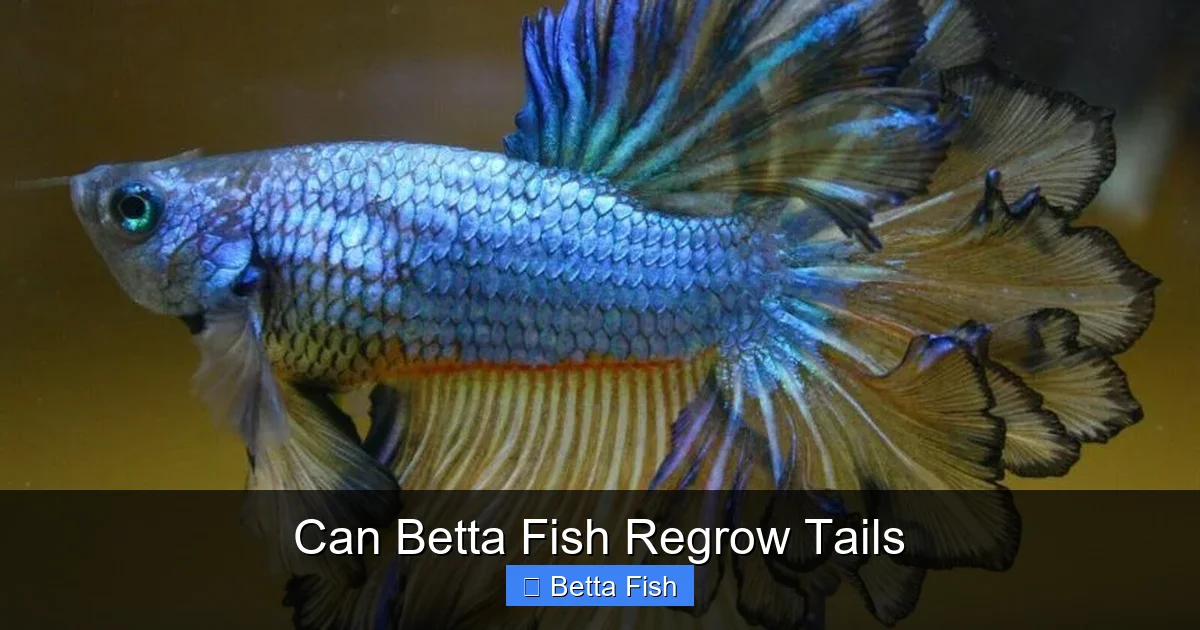
When your betta’s tail starts to regrow, you’ll notice a thin, often translucent or clear membrane appearing along the damaged edges. This is new tissue forming, and it’s a great sign! Over the coming weeks, this membrane will gradually thicken, and the color will develop. The new growth might initially look slightly different from the original tail — it could be a different shade, have a slightly different pattern, or grow in at a slightly different angle.
In many cases, especially with younger bettas, the regrown tail is virtually indistinguishable from the original. In older fish or cases of severe damage, there might be slight differences in coloration or shape. But functionally, the tail works just as well for swimming and balance.
How to Help Your Betta Regrow Its Tail
Step 1: Fix the Water Quality
This is absolutely the most important thing you can do. Clean water is the foundation of all healing. Start by testing your water parameters. You want ammonia at 0 ppm, nitrite at 0 ppm, and nitrate below 20 ppm. The pH should be stable somewhere between 6.5 and 7.5, and the temperature should be consistently between 76°F and 82°F (24°C to 28°C).
Visual guide about Can Betta Fish Regrow Tails
Image source: i.pinimg.com
If you’re dealing with fin rot, perform daily 25-30% water changes using a gravel vacuum to remove waste from the substrate. Make sure any new water is treated with a quality water conditioner to remove chlorine and chloramines. Match the temperature of the new water to the tank temperature to avoid shocking your betta.
If your betta is currently in a small bowl or unfiltered container, this is a strong signal that it’s time for an upgrade. While bettas can survive in small spaces temporarily, they truly thrive in larger, filtered tanks. Read more about this in our article on keeping betta fish in a small bowl to understand the long-term implications.
Step 2: Treat Any Infections
If fin rot is the cause of the damage, you’ll need to treat the infection directly. For mild cases, pristine water alone may be enough to stop the progression and allow healing to begin. For moderate to severe cases, you’ll want to use a betta-safe medication.
Look for treatments specifically labeled for fin rot or fungal infections. Popular options include medications containing ingredients like methylene blue, malachite green, or erythromycin. Always follow the dosage instructions carefully, and remove any activated carbon from your filter during treatment, as it will absorb the medication.
Indian almond leaves (also called catappa leaves) are a fantastic natural remedy. They release tannins into the water that have mild antibacterial and antifungal properties. Many betta keepers swear by them as both a treatment and a preventive measure. They also give the water a slight tea-colored tint that mimics the betta’s natural habitat, which can help reduce stress.
Step 3: Optimize Your Betta’s Diet
Healing takes energy and building blocks, and those come from food. A betta recovering from tail damage needs a high-quality, protein-rich diet. Look for betta-specific pellets that list whole fish or fish meal as the first ingredient. Avoid fillers like wheat and soy as primary ingredients.
Supplement the pellet diet with frozen or live foods like bloodworms, brine shrimp, and daphnia. These provide extra protein and nutrients that support tissue repair. Feed your betta small amounts 2-3 times a day rather than one large feeding. This keeps a steady supply of nutrients available without overloading the water with uneaten food.
For more detailed feeding guidance, check out our comprehensive guide on what betta fish can eat to make sure you’re providing the best possible nutrition.
Step 4: Reduce Stress
Stress is the enemy of healing. A stressed betta produces cortisol, which suppresses the immune system and slows down tissue repair. Here are some practical ways to create a calm, healing environment:
- Provide hiding spots: Caves, tunnels, and dense silk plants give your betta places to retreat and feel secure.
- Dim the lights: Bright, constant lighting can be stressful. Use a timer to give your betta 8-10 hours of darkness each night.
- Eliminate aggressive tank mates: If other fish are nipping at your betta’s tail, separate them immediately. No tank mate is worth your betta’s health.
- Minimize disturbances: Avoid tapping on the glass, moving decorations frequently, or placing the tank in a high-traffic area.
- Consider aquarium salt: A very small amount of aquarium salt (not table salt!) can help reduce stress and support the slime coat. Use about 1 teaspoon per gallon, but only if your betta has no salt-sensitive tank mates.
Step 5: Be Patient and Monitor Progress
Tail regrowth is not an overnight process. Depending on the severity of the damage, it can take anywhere from 3-4 weeks to several months for a full regrowth. Young bettas tend to heal faster than older ones. During this time, keep up with the water changes, maintain the good diet, and resist the temptation to constantly handle or stress your betta.
Take a photo of your betta’s tail once a week from the same angle. This is the best way to track progress, since day-to-day changes are often too subtle to notice. You’ll be amazed when you compare photos from month to month!
When Tail Regrowth Might Not Happen
Severe or Deep Damage
While bettas are impressive healers, there are limits. If the damage extends all the way to the base of the fin (where it meets the body), regrowth is much less likely. The cells responsible for regeneration are concentrated at the edges of the fin tissue, and if those are completely destroyed, the body may not be able to rebuild the tail properly.
Chronic or Untreated Fin Rot
If fin rot is left untreated for too long, it can progress from the fins into the body tissue itself. At this stage, it becomes a systemic infection called body rot, which is much more serious and often fatal. This is why early detection and treatment are so critical. Never ignore the first signs of fin rot — those discolored, ragged edges are your betta’s cry for help.
Old Age and Poor Health
Older bettas have slower metabolisms and weaker immune systems, which means their regenerative abilities are diminished. A betta that’s already dealing with other health issues — like dropsy, ich, or internal parasites — will also struggle to regrow fins because its body is fighting on multiple fronts. In these cases, focus on the overall health of the fish first, and the fin regrowth may follow.
Genetic Factors
Some bettas simply don’t regrow fins as well as others. This can be due to genetic factors related to their breeding. Commercially bred bettas, especially those from large-scale operations, may have weaker genetics than those from dedicated breeders. This doesn’t mean they can’t regrow tails at all — it just might take longer or be less complete.
Preventing Future Tail Damage
Maintain Excellent Water Quality
The single best thing you can do to prevent tail damage is to keep the water clean. Establish a regular water change schedule — for a filtered 5-gallon tank, a 25% water change once a week is usually sufficient. For smaller or unfiltered tanks, you may need to change water more frequently. Always use a water conditioner and test your water parameters regularly.
Choose Tank Decorations Wisely
Inspect every decoration before it goes in the tank. Silk plants are always safer than plastic ones. Smooth river rocks, driftwood, and ceramic caves are all excellent choices. Avoid anything with sharp edges, rough surfaces, or small holes where fins could get caught. If you’re unsure about a decoration, the pantyhose test is a simple and effective trick — rub the decoration against a pair of pantyhose, and if it snags, it’s too sharp for your betta.
Select Compatible Tank Mates Carefully
If you want to keep your betta with other fish, choose peaceful species that won’t nip at fins. Good options include small tetras, corydoras catfish, and certain types of loaches. Avoid known fin nippers like tiger barbs and some species of tetras. Always monitor the tank closely when introducing new fish, and have a backup plan (like a separate tank) in case things don’t work out.
Provide Adequate Space
A betta needs room to swim and explore. The minimum recommended tank size for a single betta is 5 gallons, though larger is always better. A cramped tank leads to stress, poor water quality, and a higher likelihood of your betta developing behavioral issues like tail biting. Give your betta the space it deserves, and you’ll be rewarded with a healthier, happier fish.
Frequently Asked Questions About Betta Tail Regrowth
Let me address some of the most common questions betta owners ask about tail regrowth. These come up all the time in the betta-keeping community, so you’re definitely not alone in wondering about them.
How long does it take for a betta’s tail to grow back? This varies widely depending on the severity of the damage. Minor tears might heal in 2-3 weeks, while significant fin rot damage could take 2-4 months or longer. Young, healthy bettas in excellent water conditions will regrow fins the fastest.
Will my betta’s tail grow back the same color? In most cases, yes. However, some bettas may develop slightly different coloration in the regrown tissue. This is especially common in bettas with complex color patterns like marbled or butterfly varieties. The new growth might initially appear clear or translucent before developing its full color over several weeks.
Can a betta live with a damaged tail? Absolutely. While a damaged tail isn’t ideal, bettas can still swim, eat, and live relatively normal lives. The tail is primarily used for display and steering — your betta can adapt to a shorter tail quite well. The priority should be stopping any ongoing damage and allowing healing to begin.
Conclusion
So, can betta fish regrow tails? The answer is a resounding yes — in most cases, they absolutely can. With clean water, proper nutrition, stress reduction, and a little patience, your betta’s tail can make a remarkable comeback. The key is catching problems early and addressing the root cause of the damage, whether that’s fin rot, aggressive tank mates, or poor tank conditions.
Remember that your betta’s tail is a window into its overall health. A beautiful, flowing tail is a sign of a well-cared-for fish. By maintaining excellent water quality, feeding a varied and nutritious diet, providing a properly decorated and spacious tank, and choosing compatible tank mates, you’re not just helping with tail regrowth — you’re setting your betta up for a long, healthy, and vibrant life.
If your betta is currently dealing with tail damage, don’t panic. Start with the basics: test your water, perform a water change, and assess the tank setup. Most cases of tail damage respond beautifully to improved conditions. And if you’re ever unsure about your betta’s health, don’t hesitate to consult with an aquatic veterinarian or an experienced betta keeper. Your little friend is counting on you — and with the right care, that stunning tail will be back before you know it.
Frequently Asked Questions
How long does it take for a betta fish tail to regrow?
Tail regrowth typically takes anywhere from 3-4 weeks for minor damage to several months for severe fin rot. Young, healthy bettas in pristine water conditions will regenerate fins faster than older or stressed fish.
Can a betta fish regrow its tail after fin rot?
Yes, betta fish can regrow their tails after fin rot, provided the infection is treated promptly and the fish is kept in clean water. Severe cases that reach the body tissue may be harder to treat and could limit regrowth.
What does healthy tail regrowth look like on a betta?
Healthy regrowth appears as a thin, translucent or clear membrane along the damaged edges of the fin. Over time, this membrane thickens and develops color. It’s a great sign that your betta’s healing process is working properly.
Do Indian almond leaves help betta fins grow back?
Yes, Indian almond leaves release tannins with mild antibacterial and antifungal properties that can support the healing process. They also help reduce stress by mimicking the betta’s natural habitat, which indirectly promotes faster fin regrowth.
Can a betta fish survive without a tail?
While a betta can technically survive without a tail, it’s not a situation any owner should allow to develop. A tail-less betta will struggle with swimming and balance, and the underlying cause of the damage needs immediate attention to prevent further health deterioration.
Why is my betta’s tail not growing back?
If your betta’s tail isn’t regrowing, the most likely causes are ongoing poor water quality, an untreated infection, chronic stress, or damage that’s too severe. Reassess your water parameters, ensure any infections are fully treated, and make sure your betta has a stress-free environment with proper nutrition.