Yes, betta fish can mate again after spawning, but they need proper recovery time and care between breeding sessions. Both male and female bettas require rest periods to regain their health and energy. Understanding the breeding cycle and providing optimal conditions ensures successful future spawns and keeps your fish healthy.
Key Takeaways
- Betta fish can mate multiple times throughout their lives, but they need adequate recovery periods between breeding sessions.
- Female bettas need 2-4 weeks of rest after spawning before they can breed again to replenish their energy and egg supply.
- Male bettas can breed more frequently but still benefit from rest periods to maintain their health and bubble nest quality.
- Signs of breeding readiness include vertical stripes on females, bubble nest building in males, and increased activity levels.
- Proper nutrition is essential for recovery — feed high-protein foods like bloodworms and brine shrimp after spawning.
- Water quality plays a critical role in successful breeding and recovery, with warm, clean water being essential.
- Overbreeding can shorten lifespan and cause health problems, so responsible breeding practices are important.
📑 Table of Contents
- Can Betta Fish Mate Again? Understanding Betta Breeding Cycles
- The Betta Fish Breeding Process: A Quick Overview
- How Soon Can Betta Fish Mate Again?
- Signs Your Betta Fish Is Ready to Mate Again
- Factors That Affect Breeding Frequency
- Risks of Overbreeding Betta Fish
- Best Practices for Breeding Betta Fish Responsibly
- Common Questions About Betta Fish Mating Again
- Conclusion
Can Betta Fish Mate Again? Understanding Betta Breeding Cycles
If you’ve ever watched your bettas spawn, you know it’s an incredible experience. The male builds his bubble nest, the female displays her breeding stripes, and dozens — sometimes hundreds — of tiny eggs appear. But once the excitement fades, a common question pops up: can betta fish mate again?
The short answer is yes. Betta fish can mate again after spawning. Both male and female bettas are capable of breeding multiple times throughout their lives. However, just because they can doesn’t mean they should jump right back into it. Breeding is physically demanding, and your fish need time to recover before attempting another spawn.
In this article, we’ll walk you through everything you need to know about betta fish mating again — from recovery timelines and signs of readiness to tips for keeping your breeders healthy for the long haul. Whether you’re a first-time breeder or looking to improve your breeding program, this guide has you covered.
The Betta Fish Breeding Process: A Quick Overview
How Betta Fish Mate
Before we dive into whether betta fish can mate again, let’s quickly review how the breeding process works. Understanding the basics helps you appreciate why recovery time matters so much.
Visual guide about Can Betta Fish Mate Again
Image source: keepafish.com
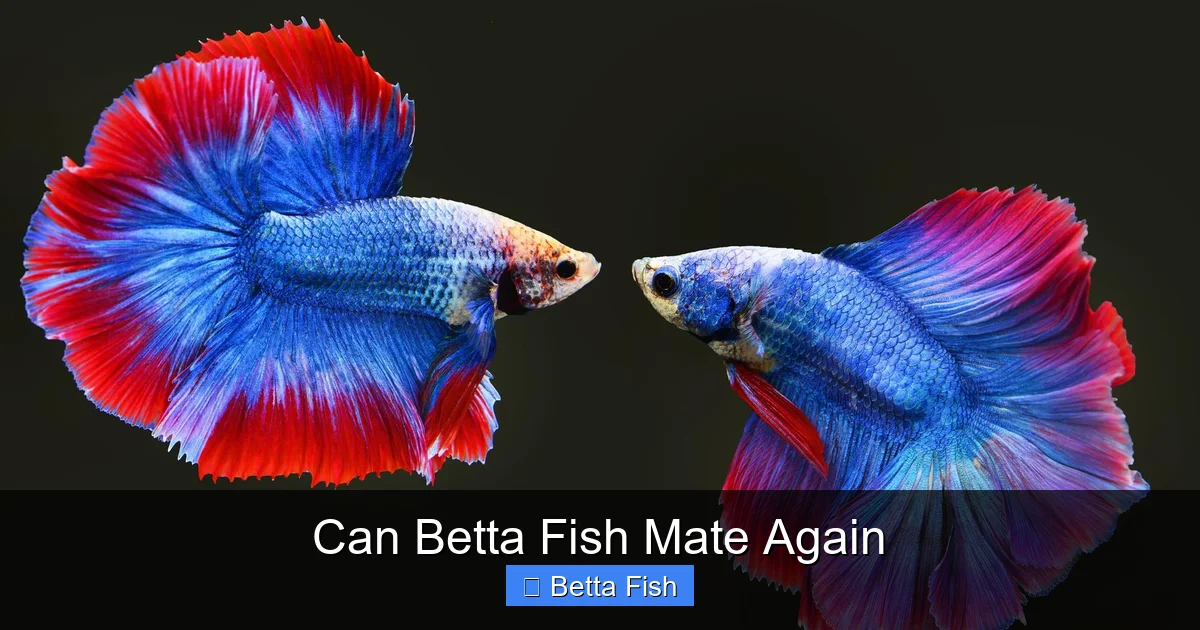
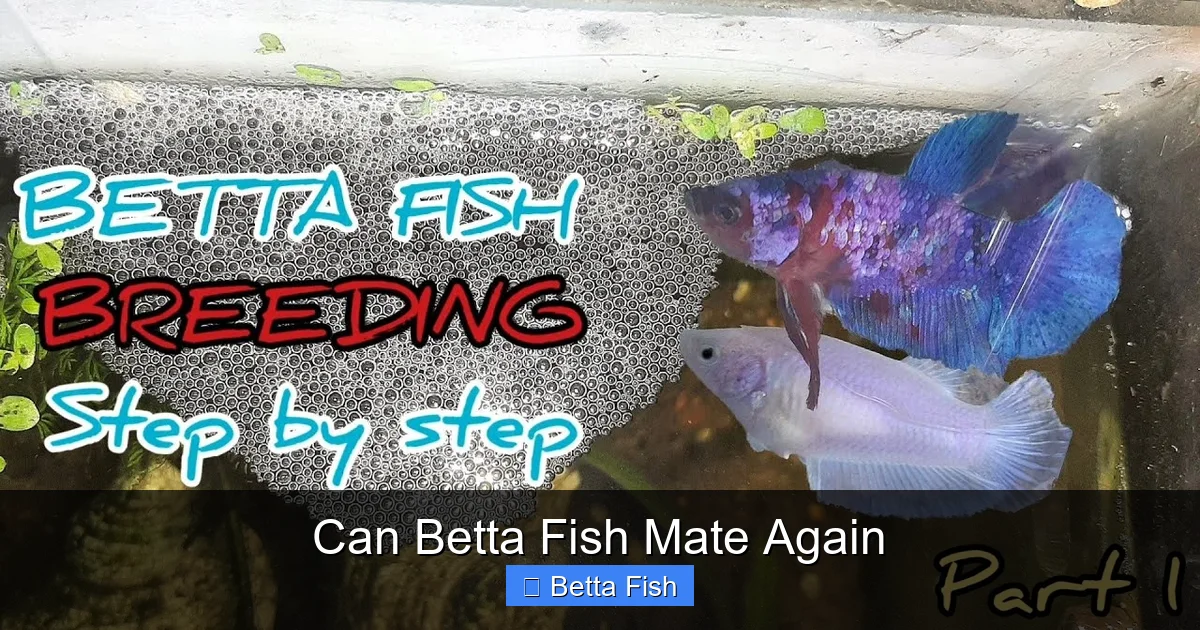
When a male betta is ready to breed, he builds a bubble nest at the water’s surface. This nest is made of saliva-coated bubbles and serves as a safe place for the eggs. Once the nest is ready, he’ll flare his fins and display vibrant colors to attract a female.
A receptive female will show vertical breeding stripes — also called barring patterns — across her body. She’ll also develop a visible egg spot (a small white dot near her belly). When both fish are ready, the male wraps around the female in a mating embrace, and she releases eggs that he fertilizes and places into the bubble nest.
What Happens After Spawning
After the eggs are safely in the nest, the male takes over. He guards the nest, catches any falling eggs, and keeps the nest in good shape. The female is typically removed at this point because the male can become aggressive toward her while protecting his territory.
The eggs hatch within 24-48 hours, and the fry become free-swimming after about 3-4 days. The male continues to care for the fry until they’re independent. This entire process is exhausting for both parents, which is why the question of whether betta fish can mate again requires careful consideration.
How Soon Can Betta Fish Mate Again?
Female Betta Recovery Time
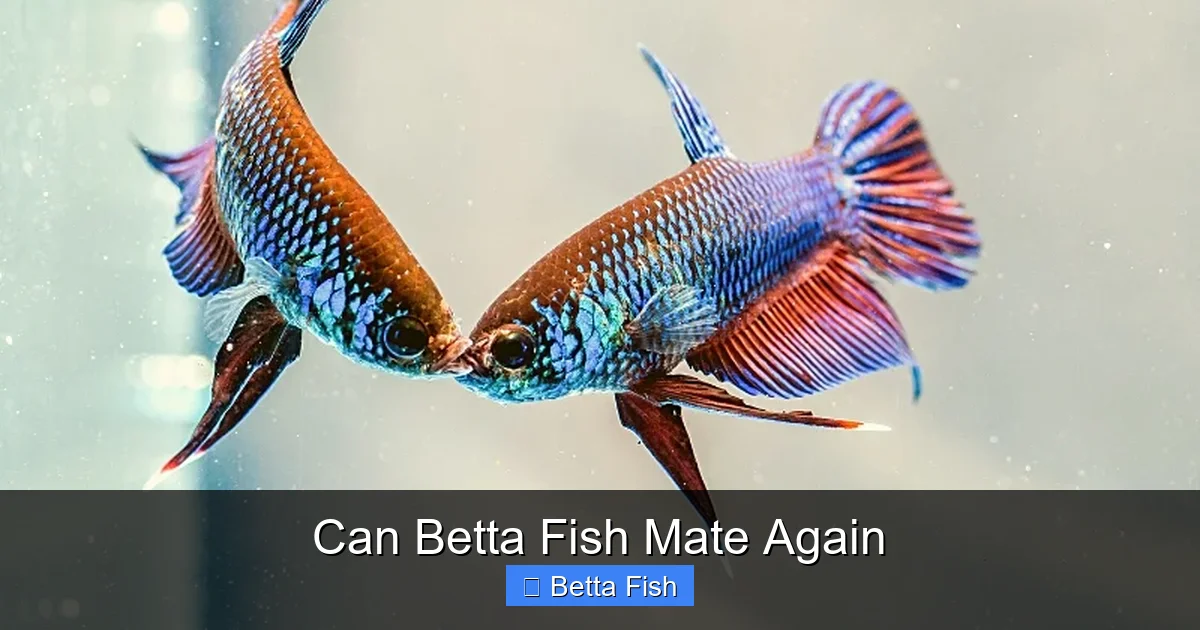
Female bettas need the most recovery time after spawning. Producing eggs is energy-intensive, and a female can release anywhere from a few hundred to over 500 eggs in a single spawn. That’s a huge physical toll.
Visual guide about Can Betta Fish Mate Again
Image source: infishtank.com
Most experienced breeders recommend waiting at least 2-4 weeks before breeding a female again. During this time, she needs:
- High-protein foods like live or frozen bloodworms, brine shrimp, and daphnia
- Clean, warm water maintained at 78-80°F (25-27°C)
- A stress-free environment with plenty of hiding spots
- Adequate rest without the presence of a male
Some breeders wait even longer — up to 6 weeks — especially if the female looks thin or stressed after spawning. The key is to let her body fully recover before asking her to produce more eggs.
Male Betta Recovery Time
Male bettas generally recover faster than females. They don’t produce eggs, so the physical demand is lower. However, building bubble nests, performing mating embraces, and guarding eggs and fry still takes a lot out of them.
A male betta can typically mate again after 1-2 weeks of rest. That said, giving him a full 2-3 weeks is ideal, especially if he’s been guarding fry for several days. During his recovery period, make sure he’s eating well and living in clean water.
One thing to watch for: if a male has been breeding frequently without adequate rest, the quality of his bubble nests may decline, and his fertility can decrease. Patience pays off here.
Signs Your Betta Fish Is Ready to Mate Again
Signs in Female Bettas
Before you attempt to breed your betta fish again, look for these signs that a female is ready:
Visual guide about Can Betta Fish Mate Again
Image source: ekk4j69ebaa.exactdn.com
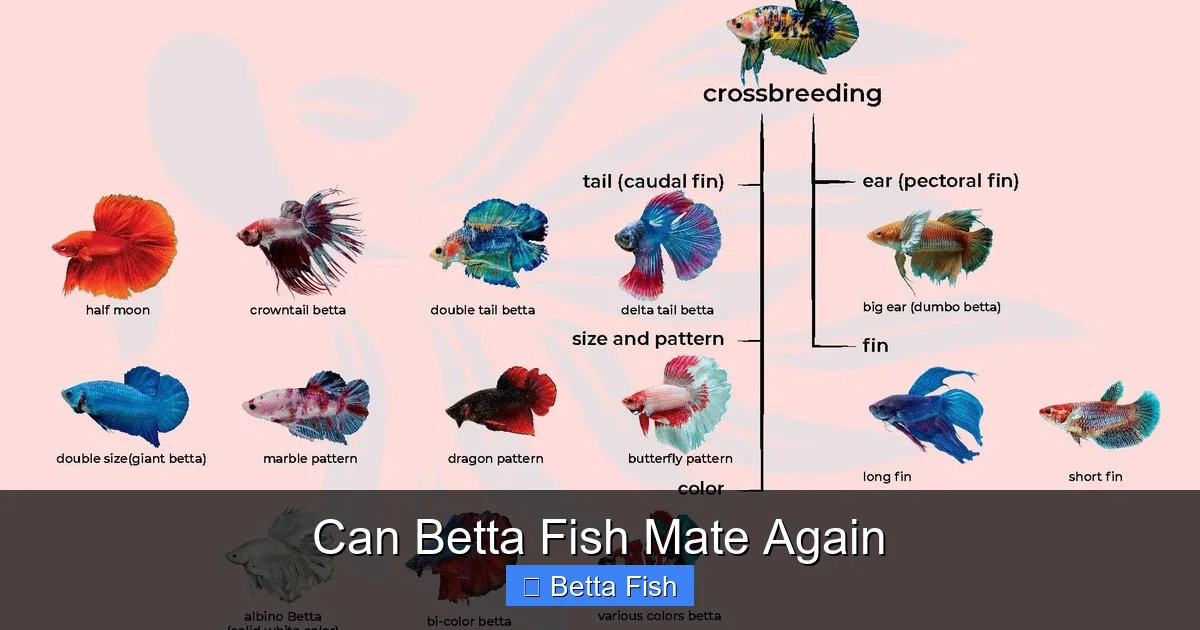
- Vertical breeding stripes — These light-colored vertical bars on her body signal she’s receptive to mating.
- Visible egg spot — A small white dot (ovipositor) near her ventral area indicates she’s carrying eggs.
- Plump belly — A well-fed, healthy female will have a rounded belly, suggesting she’s producing eggs.
- Active behavior — She should be swimming normally, eating well, and showing interest in her surroundings.
If your female still looks thin, lethargic, or stressed, give her more time. Breeding a female before she’s fully recovered can lead to health problems and poor egg quality.
Signs in Male Bettas
Male bettas show their readiness a bit differently. Watch for these indicators:
- Bubble nest building — This is the clearest sign a male is ready to breed. He’ll create clusters of bubbles at the water’s surface.
- Vibrant coloration — A healthy, ready male will display bright, intense colors.
- Flaring behavior — He may flare at his reflection or at a female placed nearby (in a separate container).
- Active and alert demeanor — He should be energetic and responsive, not hiding or lethargic.
If your male isn’t building bubble nests, it could mean he’s still recovering, the water conditions aren’t right, or he’s not feeling his best. Check your water parameters and give him more time if needed.
Factors That Affect Breeding Frequency
Age and Health of the Fish
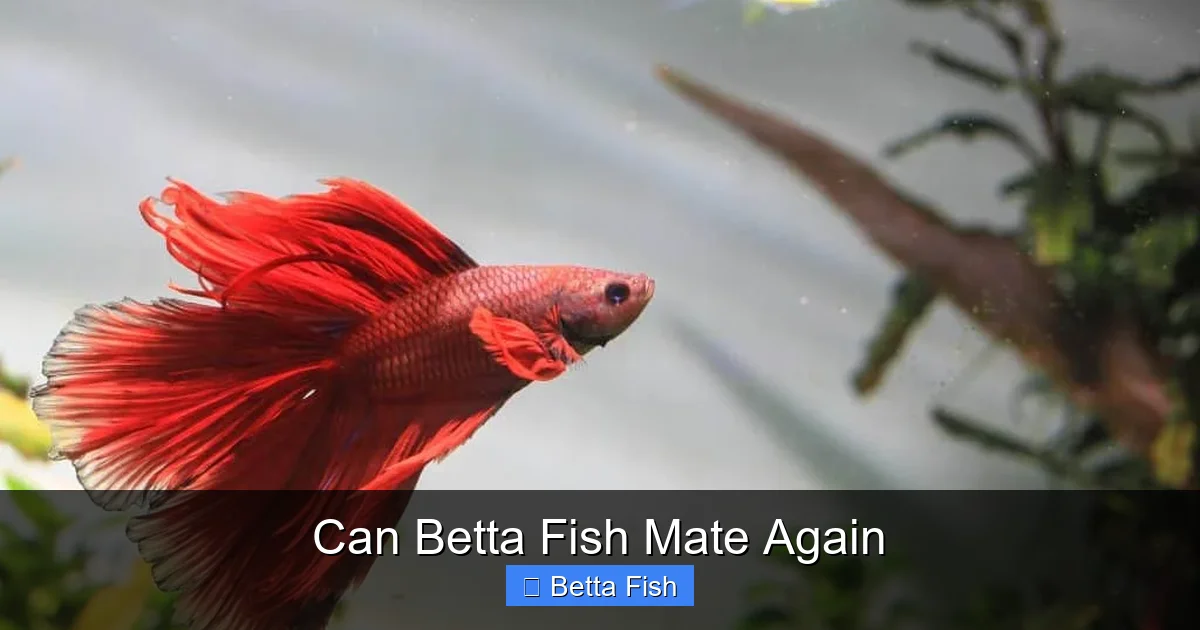
Age plays a big role in how often betta fish can mate. Young, healthy bettas between 4 months and 2 years old are at their breeding prime. They produce the highest quality eggs and sperm, and they recover faster between spawns.
Visual guide about Can Betta Fish Mate Again
Image source: fishlaboratory.com
Older bettas (3+ years) can still breed, but their fertility declines, and they need longer recovery times. If you’re working with older fish, be extra cautious about breeding frequency.
Health is equally important. A betta that’s been sick, stressed, or poorly fed won’t breed successfully. Always prioritize your fish’s well-being over breeding goals.
Nutrition and Diet
What you feed your bettas directly impacts their ability to breed again. After spawning, both fish need nutrient-rich foods to rebuild their strength.
Focus on high-protein foods during recovery:
- Live or frozen bloodworms
- Brine shrimp (live or frozen)
- Daphnia
- High-quality betta pellets as a staple
For a deeper look at feeding options, check out our guide on what betta fish can eat to ensure your breeders get the nutrition they need.
Water Conditions
Water quality is non-negotiable for successful breeding. Bettas need:
- Temperature: 78-80°F (25-27°C) for breeding; slightly cooler during recovery
- pH: 6.5-7.5
- Soft to moderately hard water
- Clean, filtered water with minimal ammonia and nitrites
Poor water quality stresses fish and can prevent them from breeding altogether. Regular water changes and a good filtration system are essential.
Risks of Overbreeding Betta Fish
Health Consequences for Females
Overbreeding is one of the biggest mistakes new betta breeders make. When a female is bred too frequently, she can develop serious health issues:

Visual guide about Can Betta Fish Mate Again
Image source: infishtank.com
- Egg binding — Eggs that aren’t released can cause infections and internal problems.
- Physical exhaustion — Constant egg production drains her energy reserves.
- Shortened lifespan — Overbred females often live significantly shorter lives.
- Weakened immune system — Making her more susceptible to diseases like fin rot.
If you notice your female looking consistently thin, developing fin damage, or showing signs of illness, stop breeding her immediately and focus on her recovery. You might also want to read about whether betta fish fins grow back if your breeder has suffered fin damage from aggressive mating.
Health Consequences for Males
Males aren’t immune to overbreeding effects either. Breeding too frequently can lead to:
- Poor bubble nest quality — Weak or sparse nests that don’t protect eggs well.
- Reduced fertility — Lower sperm count and viability.
- Increased aggression and stress — Leading to a shorter, less healthy life.
Responsible breeding means knowing when to say no. Your fish’s health should always come first.
Best Practices for Breeding Betta Fish Responsibly
Keep Detailed Breeding Records
If you’re planning to breed betta fish regularly, keep a simple log. Note the date of each spawn, which fish were involved, how many eggs were produced, and how the fish behaved during and after breeding. This helps you track recovery times and identify any patterns or problems.
Visual guide about Can Betta Fish Mate Again
Image source: i.ytimg.com
Provide Separate Recovery Tanks
After spawning, both the male and female should have their own space to recover. The male needs to stay with the eggs and fry, but once they’re independent, he should be moved to a recovery tank. The female should be separated immediately after spawning.
Recovery tanks don’t need to be large — a 5-gallon tank works well — but they should have clean, warm water and plenty of places to hide. Live plants like java moss or floating plants help reduce stress.
Limit Breeding Frequency
A good rule of thumb is to breed a female betta no more than 4-6 times per year, with at least 3-4 weeks between each spawn. Males can breed slightly more often, but limiting them to once every 2-3 weeks is a safe approach.
Remember, quality over quantity. A few well-planned spawns will produce healthier fry and keep your breeders in better shape than constant breeding.
Know When to Retire Breeders
Eventually, your bettas will reach an age where breeding is no longer advisable. Most breeders retire their fish after 2-3 years of active breeding. At this point, let them live out their lives as pets. They’ve earned it.
Common Questions About Betta Fish Mating Again
Can You Keep Male and Female Betta Fish Together?
This is a question that comes up a lot, and the answer is generally no. Male and female bettas should only be placed together for supervised breeding sessions. Outside of breeding, they can be aggressive toward each other. For more details, check out our article on whether you can keep male and female betta fish together.

Visual guide about Can Betta Fish Mate Again
Image source: img.thepets.net
What If My Betta Won’t Breed Again?
Sometimes bettas simply aren’t interested in breeding again, and that’s okay. It could be due to stress, poor water conditions, inadequate nutrition, or simply their individual personality. Give them time, optimize their environment, and try again later. If they consistently refuse to breed, it may be time to retire them from your breeding program.
Can Betta Fish Breed with Other Species?
No, betta fish (Betta splendens) can only breed with other Betta splendens. They cannot hybridize with other fish species. If you’re interested in keeping bettas with other fish, you’ll want to research compatible tank mates rather than breeding partners. Our guide on what other fish can live with betta fish is a great resource for this.
Conclusion
So, can betta fish mate again? Absolutely — but with the right approach. Both male and female bettas are capable of breeding multiple times, but they need proper recovery periods, excellent nutrition, and pristine water conditions to do so safely.
The key takeaways are simple: give your females 2-4 weeks between spawns, let your males rest for 1-2 weeks, feed them high-quality protein-rich foods, and always prioritize their health over breeding goals. Overbreeding is a real risk that can shorten your fish’s lifespan and lead to serious health problems.
Whether you’re breeding bettas as a hobby or on a larger scale, responsible practices make all the difference. Your fish will be healthier, your fry will be stronger, and you’ll enjoy the breeding experience much more when you know you’re doing right by your bettas.
Happy breeding, and remember — patience is the breeder’s best friend.
Frequently Asked Questions
How many times can a female betta fish breed in her lifetime?
A female betta fish can breed dozens of times throughout her life if given proper rest between spawns. However, most responsible breeders limit females to 4-6 breeding sessions per year to protect their health and longevity.
Can a male betta fish breed with multiple females?
Yes, a male betta can breed with multiple females, but he needs rest periods between each breeding session. A good practice is to wait at least 1-2 weeks between spawns to keep the male healthy and maintain the quality of his bubble nests.
What should I feed my betta fish after breeding?
After breeding, feed your bettas high-protein foods like live or frozen bloodworms, brine shrimp, and daphnia. These foods help them recover their energy and rebuild their strength. A varied diet is key to keeping breeders in top condition.
How do I know if my female betta has fully recovered from breeding?
A recovered female will have a plump, healthy body, vibrant colors, and active behavior. She should also show visible breeding stripes and an egg spot when she’s ready to spawn again. If she looks thin or lethargic, give her more time.
Is it safe to breed betta fish that are related?
Breeding related bettas (inbreeding) can lead to genetic problems and weaker offspring over time. It’s best to introduce new bloodlines into your breeding program by acquiring unrelated fish. If you’re looking for new stock, check out our guide on where to buy betta fish near you.
What water temperature is best for betta fish breeding?
The ideal water temperature for betta fish breeding is 78-80°F (25-27°C). Warm water encourages bubble nest building in males and helps eggs develop properly. Use a reliable aquarium heater and thermometer to maintain consistent temperatures.

